The Future of Social Enterprise: Innovations Driving Impact in the US by 2026

The landscape of business is undergoing a profound transformation, with a growing emphasis on purpose beyond profit. This shift is nowhere more evident than in the burgeoning sector of social enterprise. Social enterprises are businesses that prioritize a social or environmental mission alongside financial sustainability, aiming to create a positive impact on the world. As we look towards 2026, the social enterprise future in the US is poised for unprecedented growth and innovation, driven by technological advancements, evolving consumer demands, and a deeper understanding of systemic societal challenges. This article will delve into the key innovations, trends, and challenges that will shape the trajectory of social enterprise in the coming years, offering insights into how these organizations are not just doing good, but are also fundamentally changing the way we think about business and its role in society.
The concept of social enterprise is not entirely new, but its mainstream adoption and sophisticated execution are relatively recent phenomena. Historically, the line between non-profits and for-profits was distinct. Non-profits relied on donations and grants, while for-profits focused solely on shareholder returns. Social enterprises, however, blur these lines, demonstrating that financial viability and social impact can, and should, go hand-in-hand. This hybrid model offers a powerful solution to complex problems, leveraging market mechanisms to achieve social good at scale. The US, with its vibrant entrepreneurial spirit and strong philanthropic tradition, is a fertile ground for the continued evolution of this sector. By 2026, we anticipate a significant maturation of the social enterprise future, characterized by innovative business models, advanced technological integration, and a more robust ecosystem of support.
Understanding the Current Landscape: A Foundation for the Future
Before we project into the future, it’s crucial to understand the current state of social enterprise in the US. The sector has witnessed significant growth over the past decade, fueled by a confluence of factors. Millennials and Gen Z, in particular, are driving demand for ethically produced goods and services, and are increasingly seeking employment with purpose-driven organizations. This demographic shift has spurred businesses to re-evaluate their values and embed social responsibility into their core operations. Impact investing, a practice where investments are made with the intention to generate positive, measurable social and environmental impact alongside a financial return, has also played a pivotal role in providing essential capital for social enterprises to scale their operations and deepen their impact. Government policies, while sometimes lagging, are slowly beginning to recognize and support the unique legal structures and operational models that social enterprises employ, such as B Corps and L3Cs.
However, the sector still faces challenges. Access to capital remains a hurdle for many early-stage social enterprises, as traditional investors may be wary of ventures that prioritize impact over pure profit maximization. Measuring and communicating social impact effectively is another ongoing challenge, requiring robust methodologies and transparent reporting. Furthermore, scaling successful models to reach a wider audience and address systemic issues requires significant strategic planning and operational excellence. Despite these challenges, the resilience and adaptability of social entrepreneurs continue to push the boundaries of what is possible, setting the stage for an exciting social enterprise future. The lessons learned from these early pioneers will undoubtedly inform the strategies and innovations that will define the next phase of growth and impact.
Technological Innovations as Catalysts for Social Impact
Technology is perhaps the most significant accelerant for the social enterprise future. From artificial intelligence and blockchain to big data analytics and the Internet of Things (IoT), these tools offer unprecedented opportunities to enhance efficiency, transparency, and reach for social impact initiatives. By 2026, we expect to see social enterprises leveraging these technologies in increasingly sophisticated ways to address complex problems across various sectors.
Artificial Intelligence and Machine Learning for Predictive Impact
AI and machine learning (ML) are not just for tech giants; they are becoming indispensable tools for social enterprises. These technologies can analyze vast datasets to identify patterns, predict outcomes, and optimize resource allocation. For example, AI can be used to predict areas most vulnerable to food insecurity, allowing food banks to distribute resources more effectively. In education, AI-powered platforms can personalize learning experiences for disadvantaged students, tailoring content to individual needs and improving educational outcomes. Health-focused social enterprises can use AI to develop more accurate diagnostic tools, identify disease outbreaks earlier, and optimize supply chains for critical medical supplies in underserved regions. The ability of AI to process and interpret complex information will be a game-changer for impact measurement, allowing social enterprises to demonstrate their effectiveness with greater precision and attract more funding.
Blockchain for Transparency and Trust
Transparency and trust are paramount in the social impact sector. Donors and beneficiaries alike want assurance that resources are being used effectively and ethically. Blockchain technology, with its immutable and distributed ledger system, offers a powerful solution. By 2026, we anticipate widespread adoption of blockchain for tracking supply chains, ensuring ethical sourcing of materials, and verifying the authenticity of products. For social enterprises working in areas like fair trade or sustainable agriculture, blockchain can provide end-to-end traceability, from farm to consumer, building trust and empowering producers. It can also be used for transparent distribution of aid, ensuring that funds reach their intended recipients without diversion or corruption. This enhanced transparency will be a cornerstone of the social enterprise future, fostering greater accountability and credibility.
Big Data Analytics for Targeted Solutions
The proliferation of digital data provides an invaluable resource for social enterprises. Big data analytics allows organizations to gain deeper insights into the populations they serve, identify unmet needs, and tailor solutions more effectively. For instance, data on housing trends, employment rates, and public health indicators can help social enterprises design more impactful programs for homeless populations or job seekers. By understanding the nuances of specific communities, social enterprises can move beyond one-size-fits-all approaches and develop highly targeted, culturally sensitive interventions. This data-driven approach will lead to more efficient resource utilization and ultimately, greater social impact.
Internet of Things (IoT) for Real-Time Monitoring and Efficiency
The IoT, encompassing interconnected devices that collect and exchange data, holds immense potential for social enterprises, particularly in environmental sustainability and community development. Sensors can monitor air and water quality in real-time, providing crucial data for environmental protection initiatives. In smart cities, IoT devices can optimize energy consumption, manage waste, and improve public safety, all areas where social enterprises can play a crucial role. For rural communities, IoT can facilitate access to information, health services, and educational resources, bridging the digital divide and empowering marginalized populations. The real-time data provided by IoT will enable social enterprises to respond more rapidly and effectively to emerging challenges, shaping a more responsive social enterprise future.

Evolving Business Models and Funding Mechanisms
The social enterprise future will also be defined by the evolution of its business models and funding mechanisms. As the sector matures, we are seeing increasingly sophisticated approaches to generating revenue and attracting capital, moving beyond traditional grants and donations.
Hybrid Models and Blended Finance
The trend towards hybrid models, combining elements of non-profit and for-profit structures, will intensify. These models allow social enterprises to access diverse funding streams, including commercial revenue, impact investments, and philanthropic grants. Blended finance, which strategically uses catalytic capital from public or philanthropic sources to mobilize additional private capital, will become more prevalent. This approach allows social enterprises to take on larger, more complex projects that require significant upfront investment, ultimately leading to greater scale and impact. We will see more creative partnerships between government agencies, corporations, and social enterprises, leveraging each other’s strengths to achieve shared goals.
Subscription-Based Impact and Circular Economy Principles
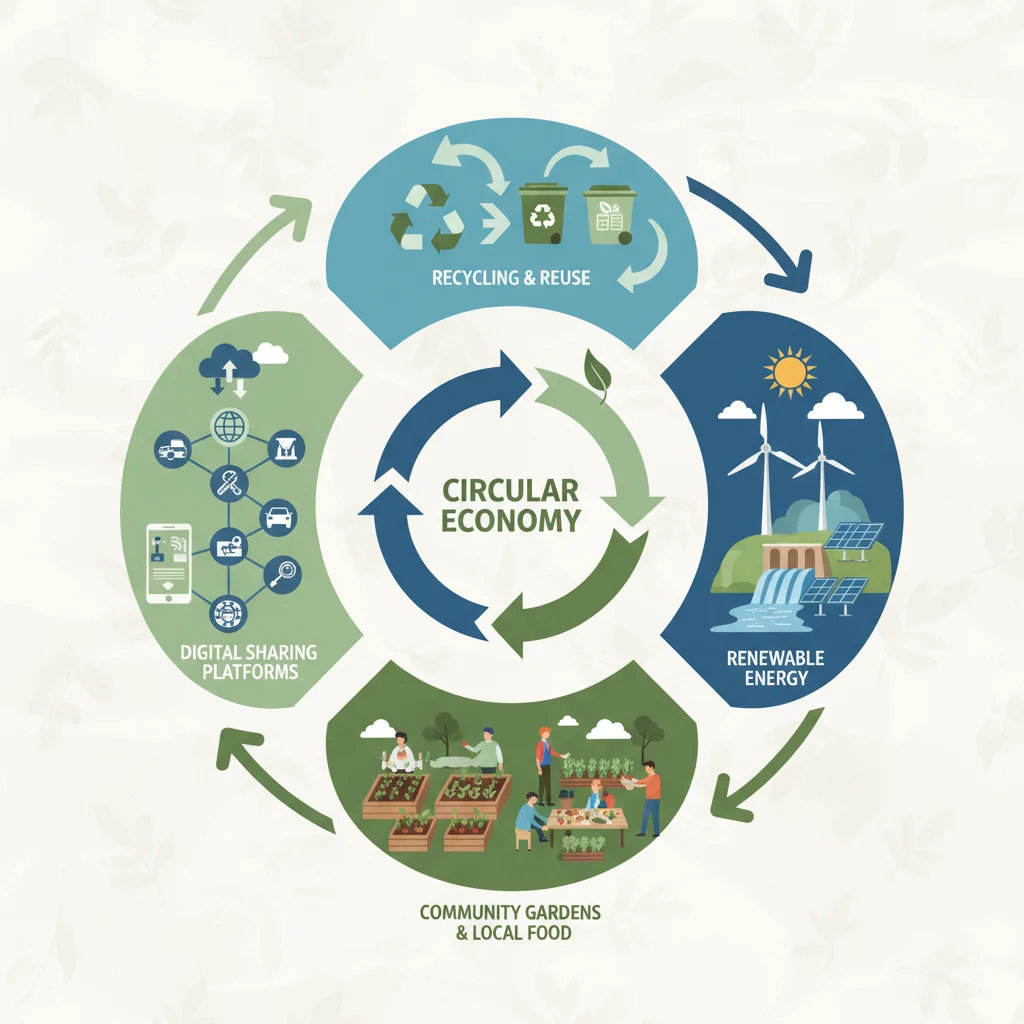
Subscription models, common in the digital economy, are finding new applications in social enterprise. Consumers can subscribe to services or products that inherently generate social or environmental good, creating a stable revenue stream for the enterprise. For example, a subscription for ethically sourced coffee or sustainable cleaning products can directly fund fair wages for producers or environmental conservation efforts. Furthermore, the principles of the circular economy will be deeply embedded in the operations of leading social enterprises by 2026. This involves designing out waste and pollution, keeping products and materials in use, and regenerating natural systems. Social enterprises will lead the way in developing innovative solutions for recycling, upcycling, and creating closed-loop systems, demonstrating that economic growth can be decoupled from resource depletion and environmental degradation.
Crowdfunding and Decentralized Autonomous Organizations (DAOs) for Social Good
Crowdfunding has already proven to be a powerful tool for social enterprises, enabling them to raise capital directly from a broad base of supporters. As the social enterprise future unfolds, we expect to see more sophisticated crowdfunding platforms, potentially leveraging blockchain for greater transparency and efficiency. Beyond traditional crowdfunding, the rise of Decentralized Autonomous Organizations (DAOs) presents an intriguing possibility. DAOs, governed by code and community consensus, could offer new ways to fund and manage social impact projects, empowering communities to directly allocate resources and make decisions about initiatives that affect them. This decentralized approach could democratize access to funding and decision-making power, fostering more inclusive and equitable social development.
The Role of Policy and Ecosystem Support
While innovation and entrepreneurial spirit are crucial, a supportive policy environment and a robust ecosystem are essential for the sustained growth of the social enterprise future. Governments, academic institutions, and intermediary organizations all have a vital role to play.
Government Policies and Regulatory Frameworks
By 2026, we anticipate that more states and potentially the federal government will enact policies that specifically support social enterprises. This could include tax incentives for impact investors, preferential procurement policies for social enterprises in government contracts, and streamlined legal structures that recognize the dual mission of these organizations. Clearer regulatory frameworks will reduce ambiguity and provide a more stable operating environment, encouraging more entrepreneurs to enter the social enterprise space. Furthermore, government funding for research and development into social innovation will accelerate the creation of new solutions to pressing societal needs.
Academic Institutions and Research
Universities and colleges are increasingly offering programs in social entrepreneurship, fostering the next generation of impact leaders. By 2026, these programs will be even more integrated into business curricula, providing students with the skills and knowledge to launch and scale successful social ventures. Academic research will also play a critical role in developing robust methodologies for impact measurement, evaluating the effectiveness of different social enterprise models, and identifying best practices. Partnerships between academic institutions and social enterprises will facilitate knowledge transfer and accelerate the translation of research into real-world solutions, strengthening the overall social enterprise future.
Intermediary Organizations and Networks
A thriving ecosystem relies on strong intermediary organizations that provide support services, networking opportunities, and access to resources. Accelerators and incubators specifically designed for social enterprises will become more prevalent, offering mentorship, training, and seed funding. Networks that connect social entrepreneurs with investors, mentors, and fellow practitioners will foster collaboration and knowledge sharing, breaking down silos and amplifying collective impact. These organizations will be crucial in navigating the complexities of the social impact landscape and building a resilient social enterprise future.
Challenges and Opportunities on the Horizon
Despite the optimistic outlook for the social enterprise future, several challenges will need to be addressed. Scaling impact, ensuring financial sustainability, and navigating a complex regulatory environment will continue to be critical considerations for social entrepreneurs and the broader ecosystem.
Scaling Impact Effectively
One of the persistent challenges for social enterprises is scaling their impact beyond a local or regional level. What works well in one community may not be easily replicable in another due due to cultural differences, resource availability, or systemic barriers. By 2026, social enterprises will need to develop more sophisticated strategies for replication and adaptation, leveraging technology and partnerships to expand their reach without diluting their impact. This will involve a deep understanding of local contexts and a commitment to iterative learning and adaptation.
Balancing Mission and Margin
The inherent tension between achieving social mission and ensuring financial viability remains a core challenge. While the hybrid model offers advantages, it also demands a delicate balance. Social enterprises must develop robust business models that generate sufficient revenue to cover costs and allow for reinvestment, without compromising their core social objectives. This requires strong leadership, sound financial management, and a clear understanding of their value proposition to both customers and beneficiaries. The social enterprise future will see a greater emphasis on innovative revenue generation strategies that are deeply aligned with the social mission.
Measuring and Communicating Impact
The ability to effectively measure and communicate social impact is crucial for attracting funding, demonstrating accountability, and learning from experience. While significant progress has been made, there is still a need for standardized metrics and transparent reporting frameworks that are accessible and understandable to a wide range of stakeholders. By 2026, we expect to see more sophisticated impact measurement tools, potentially leveraging AI and blockchain, that provide real-time data and actionable insights. This will enable social enterprises to demonstrate their value more compellingly and attract greater investment in the social enterprise future.
Navigating a Complex Regulatory Landscape
The legal and regulatory environment for social enterprises is still evolving. The lack of consistent legal structures across states can create complexities for organizations operating nationally. Furthermore, navigating tax implications and compliance requirements can be daunting. Advocacy efforts will be critical in pushing for more supportive and streamlined regulatory frameworks that recognize the unique nature of social enterprises. A more harmonized regulatory landscape will undoubtedly foster greater growth and innovation in the social enterprise future.
Conclusion: A Brighter, More Impactful Future
The social enterprise future in the US by 2026 is one of immense promise and potential. Driven by technological advancements, evolving consumer and investor demands, and a growing recognition of the need for purpose-driven business, the sector is poised for significant expansion and deeper impact. From AI-powered solutions to blockchain-enabled transparency and innovative hybrid business models, social enterprises are at the forefront of addressing some of the world’s most pressing challenges. While challenges related to scaling, funding, and regulation persist, the dedication and ingenuity of social entrepreneurs, coupled with a strengthening ecosystem of support, will undoubtedly lead to a more equitable, sustainable, and prosperous society.
As we move closer to 2026, it is clear that social enterprises will not just be a niche within the broader business world; they will be a fundamental force shaping it. Their ability to blend profit with purpose, to innovate for good, and to build resilient, community-focused solutions positions them as critical agents of change. Investing in, supporting, and celebrating these organizations is not just an act of philanthropy; it is an investment in a brighter, more impactful future for all.