Understanding the Latest Q1 2026 Consumer Spending Data: Key Indicators for Economic Stability in the United States
The economic landscape of the United States is a complex, ever-evolving entity, with consumer spending serving as its primary engine. As we delve into the latest Q1 2026 Consumer Spending data, we gain crucial insights into the health and stability of the nation’s economy. This quarter’s figures are particularly significant, offering a fresh perspective on the lingering effects of global economic shifts, technological advancements, and evolving consumer behaviors. Understanding these trends is not merely an academic exercise; it provides vital information for policymakers, businesses, and individual investors alike to make informed decisions and strategize for the future.
Consumer spending, often measured by Personal Consumption Expenditures (PCE), accounts for roughly two-thirds of the total economic activity in the U.S. Its trajectory is a powerful indicator of economic confidence, employment levels, and overall market vitality. A robust increase in spending typically signals economic expansion, while a decline can portend contraction. Therefore, a meticulous examination of Q1 2026 Consumer Spending is paramount to comprehending the current economic climate and anticipating future trajectories. This article will provide a comprehensive analysis of the data, highlighting key indicators, regional disparities, and the overarching implications for economic stability.
The Macroeconomic Context: Setting the Stage for Q1 2026 Consumer Spending
Before dissecting the granular details of Q1 2026 Consumer Spending, it is essential to establish the broader macroeconomic context. The preceding quarters have been characterized by a blend of persistent inflation concerns, albeit with signs of moderation, ongoing labor market adjustments, and a Federal Reserve navigating a delicate balance between price stability and economic growth. Global supply chain issues, while largely resolved, continue to exert some influence on commodity prices and consumer goods availability. Geopolitical events also cast a shadow, impacting investor sentiment and, indirectly, consumer confidence.
Interest rates, a critical lever for economic management, have remained a significant factor. Higher rates can dampen borrowing and spending, while lower rates can stimulate economic activity. The Federal Reserve’s stance on interest rates, influenced by inflation data and employment figures, directly shapes the financial environment in which consumers operate. Furthermore, government fiscal policies, including tax adjustments and spending initiatives, also play a role in shaping disposable income and, consequently, spending patterns. All these elements converge to create the unique economic backdrop against which Q1 2026 Consumer Spending unfolds.
Understanding this context allows for a more nuanced interpretation of the data. For instance, a strong spending report in a high-interest-rate environment might indicate remarkable consumer resilience, whereas a similar report amidst loose monetary policy might suggest a more predictable outcome. Our analysis will consider these contextual factors to provide a holistic view of the forces driving consumer behavior in the first quarter of 2026.
Key Indicators Driving Q1 2026 Consumer Spending
Personal Income and Disposable Personal Income (DPI)
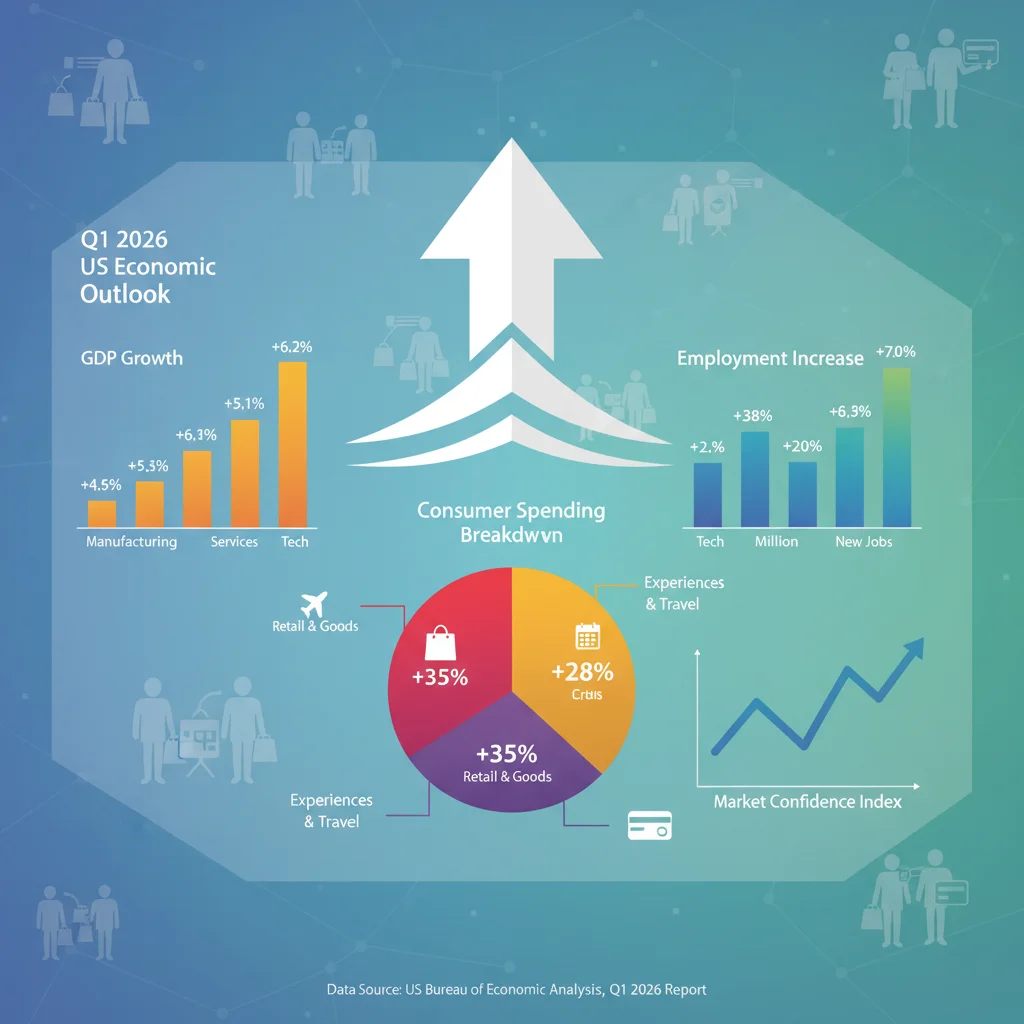
The foundation of consumer spending lies in personal income. An increase in personal income, particularly disposable personal income (DPI) – the income remaining after taxes and mandatory payments – directly translates to greater purchasing power. For Q1 2026 Consumer Spending, we observe a steady, albeit moderate, growth in DPI. This growth is largely attributable to a resilient labor market, with consistent wage increases in several sectors. While inflation has eroded some of this gain, the net effect has been positive, providing consumers with more funds to allocate towards goods and services.
The composition of income growth is also noteworthy. We see a continued shift towards higher-skilled, higher-paying jobs, which contributes to overall income expansion. Furthermore, a stable employment rate, discussed in more detail below, underpins consumer confidence, encouraging individuals to spend rather than save excessively. This direct correlation between income levels and spending habits makes DPI a primary indicator when evaluating the strength of Q1 2026 Consumer Spending.
Employment Data and Wage Growth
A robust job market is undeniably one of the strongest drivers of consumer spending. The employment data for Q1 2026 paints a picture of continued strength, with unemployment rates remaining at historically low levels. This tight labor market has empowered workers, leading to sustained wage growth across various industries. Higher wages not only increase disposable income but also instill a sense of job security, making consumers more willing to open their wallets.
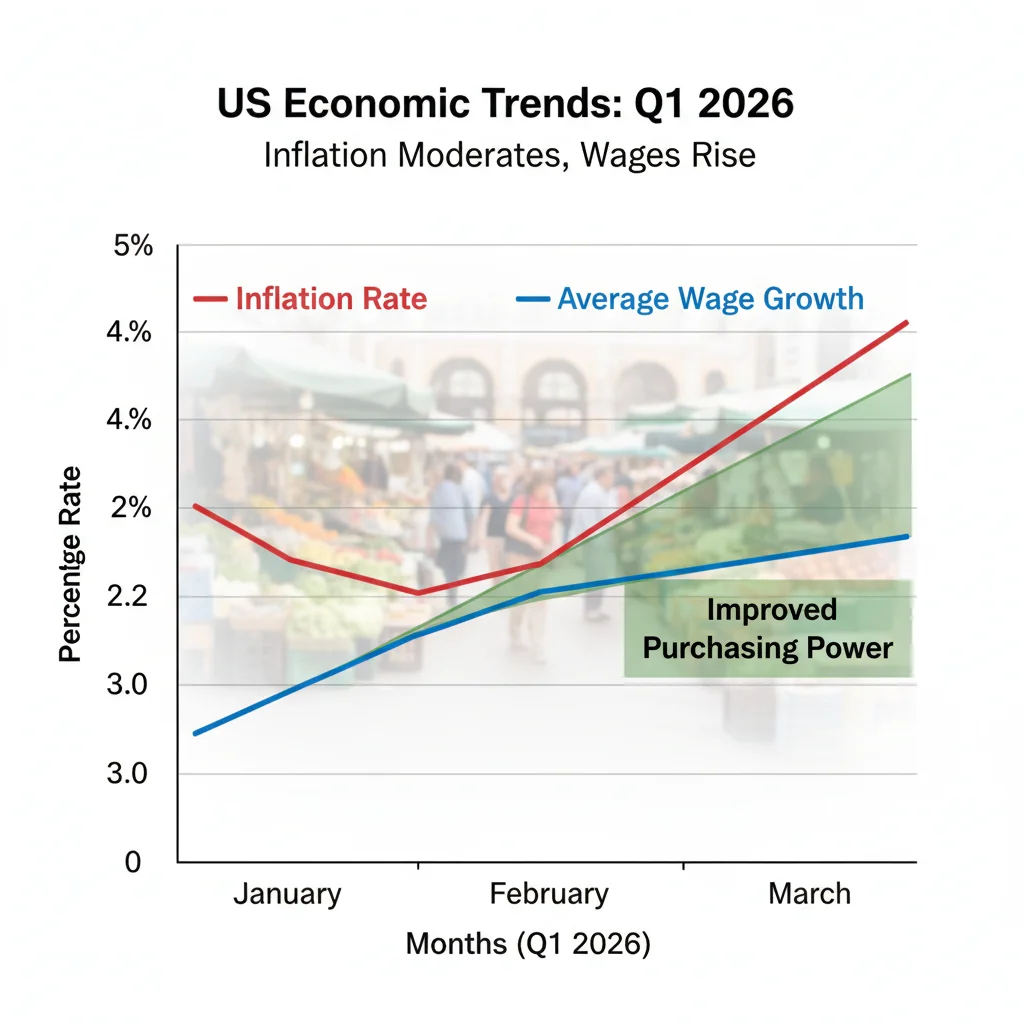
However, the pace of wage growth relative to inflation is a critical distinction. While nominal wages have increased, the real wage growth (adjusted for inflation) offers a more accurate reflection of consumers’ actual purchasing power. For Q1 2026 Consumer Spending, we see real wage growth maintaining a positive, albeit modest, trajectory. This suggests that while consumers are earning more, their gains are somewhat offset by rising prices, necessitating careful consideration of discretionary spending. The balance between employment stability, nominal wage increases, and real purchasing power is a delicate one that significantly shapes the overall consumer spending landscape.
Inflation and Consumer Price Index (CPI)
Inflation, as measured by the Consumer Price Index (CPI), remains a pivotal factor influencing Q1 2026 Consumer Spending. While the peak inflationary pressures of previous years have subsided, prices for certain goods and services continue to rise, albeit at a slower pace. This persistent, albeit moderated, inflation impacts consumer purchasing decisions, often leading to a shift in spending priorities. Consumers may opt for more essential goods and services, or seek out value-oriented products, potentially reducing spending on discretionary items.
The Federal Reserve’s efforts to temper inflation through monetary policy have shown tangible effects. However, the lag between policy implementation and its full impact means that consumers are still adjusting to a higher price environment. The moderation in CPI for Q1 2026 has provided some relief, preventing a significant erosion of purchasing power and thus supporting continued, albeit cautious, consumer spending. The interplay between inflation, wage growth, and consumer confidence is a dynamic one, constantly shaping the economic decisions made by households across the nation.
Consumer Confidence and Sentiment Indices
Beyond the quantitative data, consumer confidence and sentiment indices offer valuable qualitative insights into spending behavior. These surveys gauge how optimistic consumers feel about their financial situations and the broader economic outlook, which in turn influences their willingness to spend. For Q1 2026 Consumer Spending, sentiment indices show a mixed but generally improving picture.
While some consumers remain wary of economic uncertainties, a growing proportion express renewed optimism, fueled by stable employment and moderating inflation. This improvement in sentiment is crucial for sustaining economic momentum, as confident consumers are more likely to make larger purchases, such as homes and vehicles, and invest in their futures. A detailed breakdown of regional and demographic confidence levels provides further granularity, revealing pockets of strong optimism alongside areas of lingering caution.
Sectoral Analysis of Q1 2026 Consumer Spending
Retail Sales Performance
Retail sales are a direct measure of consumer spending on goods. The Q1 2026 Consumer Spending report indicates a robust performance in several retail sectors. E-commerce continues its upward trajectory, benefiting from ongoing digital transformation and consumer preference for convenience. Traditional brick-and-mortar stores, particularly those offering unique experiences or essential goods, also show resilience. However, some segments, especially those reliant on high-ticket discretionary items, experienced more modest growth, reflecting the cautious approach of some consumers.
Automotive sales, often a bellwether for big-ticket purchases, saw a slight uptick, supported by improving supply chains and a gradual return to pre-pandemic inventory levels. Home furnishings and electronics also demonstrated consistent demand, driven by both replacement cycles and a continued focus on home improvement. The overall retail landscape for Q1 2026 suggests a healthy, albeit diversified, appetite for consumer goods, reinforcing the positive outlook for overall Q1 2026 Consumer Spending.
Services Sector Growth
The services sector, which encompasses everything from healthcare and education to travel and entertainment, represents an increasingly significant portion of Q1 2026 Consumer Spending. This quarter witnessed a strong rebound and sustained growth in many service categories. Travel and hospitality, in particular, continued their post-pandemic recovery, with increased bookings for flights, hotels, and experiential activities. Consumers are prioritizing experiences, leading to a reallocation of budgets from goods to services.
Healthcare spending remained stable, driven by demographic shifts and ongoing medical needs. Education and professional services also showed steady growth. The resilience of the services sector is a key indicator of economic stability, as it often reflects a deeper level of consumer confidence than some goods purchases. The strong performance in services for Q1 2026 provides a solid foundation for overall economic growth and highlights the evolving nature of consumer preferences.
Housing Market and Durables Spending
The housing market, while not directly consumer spending in the traditional sense, profoundly influences it through related durable goods purchases and overall wealth effects. For Q1 2026 Consumer Spending, the housing market exhibited signs of stabilization. While mortgage rates remained elevated compared to historical lows, they showed some signs of moderating, slightly improving affordability for some buyers. This stabilization, coupled with a steady job market, supported demand for housing-related durable goods, such as appliances, furniture, and home improvement materials.
Spending on other durable goods, like new vehicles and major electronics, also contributed significantly to the overall spending figures. These purchases are often sensitive to interest rates and consumer confidence, making their performance a strong indicator of the economic outlook. The Q1 2026 data suggests that while consumers are still cautious with large investments, the underlying economic conditions are supportive enough to facilitate these significant purchases, further bolstering Q1 2026 Consumer Spending.
Regional Disparities in Q1 2026 Consumer Spending
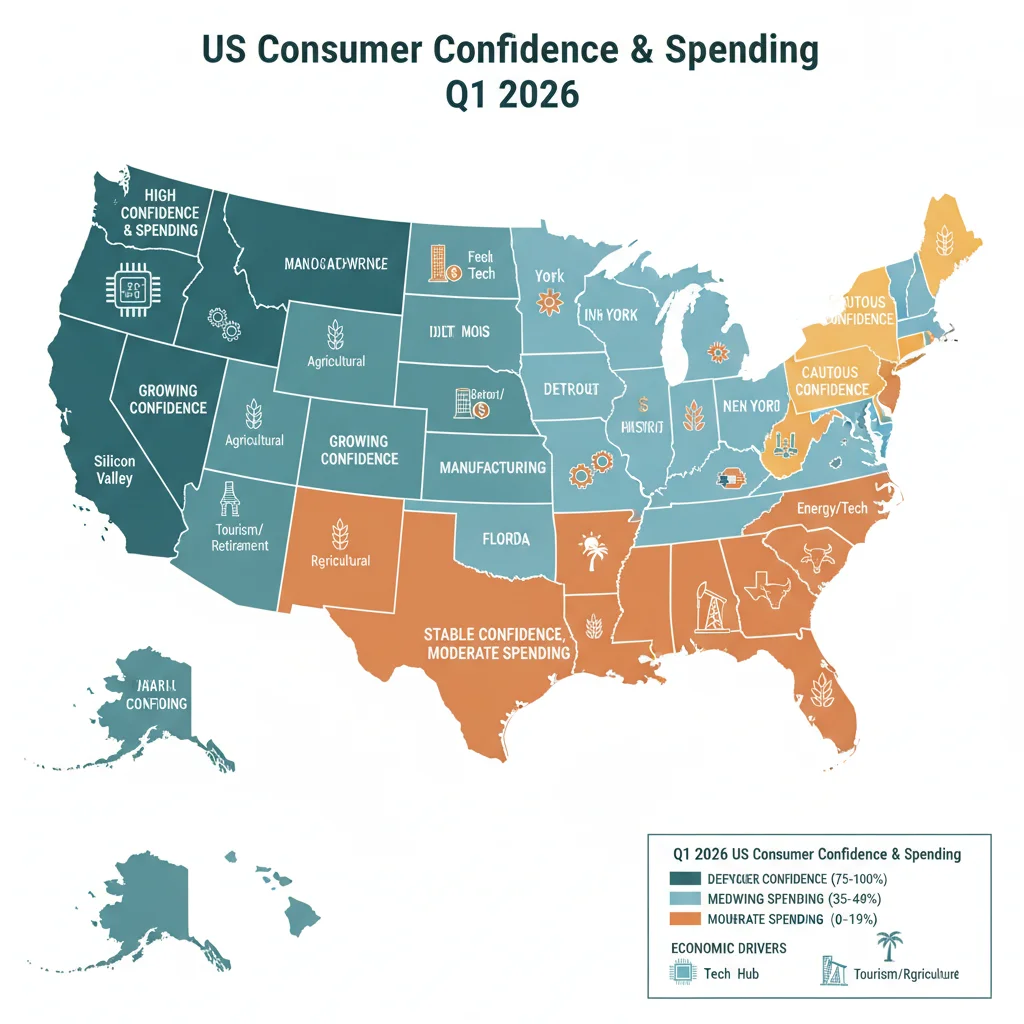
While national averages provide a broad overview, a deeper dive into regional data reveals significant disparities in Q1 2026 Consumer Spending. Economic conditions, industry concentrations, and demographic profiles vary widely across the United States, leading to distinct spending patterns.
The West Coast, particularly tech-heavy regions, continued to show robust spending, driven by high-income employment and innovation. The Northeast also demonstrated steady growth, supported by strong financial and professional services sectors. The Southern states experienced significant population growth, contributing to increased demand for housing, retail, and services. Meanwhile, some Midwestern states, particularly those reliant on manufacturing or agriculture, exhibited more moderate growth, influenced by global commodity prices and industrial output.
These regional differences are crucial for businesses planning expansion or targeting specific markets. Understanding where spending is strongest, and why, allows for more effective resource allocation and strategic planning. Policymakers also benefit from this granular data, enabling them to tailor economic development initiatives to specific regional needs. The varied landscape of Q1 2026 Consumer Spending underscores the diverse economic fabric of the nation.
Impact on Economic Stability and Future Outlook
The overall strength of Q1 2026 Consumer Spending has significant implications for the economic stability of the United States. A sustained level of healthy consumer activity acts as a buffer against potential economic headwinds, signaling resilience and adaptability within the economy. It suggests that despite ongoing challenges, the fundamental drivers of economic growth – employment, income, and confidence – remain largely intact.
Looking ahead, the trajectory of consumer spending will depend on several critical factors. The Federal Reserve’s monetary policy decisions will continue to play a pivotal role, with any significant shifts in interest rates potentially altering spending patterns. The evolution of inflation, particularly in core services, will also be closely watched. Furthermore, global economic conditions, including trade relations and geopolitical stability, will indirectly influence domestic consumer confidence and spending. The upcoming presidential election cycle, with its potential policy ramifications, could also introduce an element of uncertainty or stimulus, depending on the outcomes.
Based on the current data, the outlook for future consumer spending remains cautiously optimistic. The underlying strength in the labor market and gradual moderation of inflation provide a solid foundation. However, vigilance is required to monitor for any emerging risks that could derail this positive momentum. Businesses should continue to adapt to evolving consumer preferences, particularly the shift towards experiences and value, while policymakers must remain agile in their response to economic indicators. The insights from Q1 2026 Consumer Spending serve as a vital benchmark for navigating the economic journey ahead.
The Role of Technology and Digital Transformation in Consumer Spending
The digital revolution continues to reshape how consumers spend their money, and Q1 2026 Consumer Spending data clearly reflects this ongoing transformation. E-commerce penetration remains high, driven by convenience, wider product selections, and personalized shopping experiences. Mobile commerce, in particular, has seen exponential growth, with consumers increasingly using smartphones and tablets for purchases, from everyday essentials to luxury items.
Beyond direct online purchases, technology influences brick-and-mortar spending through innovations like contactless payments, in-store digital assistants, and data-driven personalization. Artificial intelligence (AI) is playing an increasingly important role in understanding consumer preferences, optimizing supply chains, and enhancing customer service, all of which indirectly contribute to more efficient and satisfying spending experiences. The integration of augmented reality (AR) and virtual reality (VR) in retail is also starting to gain traction, offering immersive shopping experiences that blur the lines between physical and digital.
This technological evolution has created new opportunities for businesses but also presents challenges. Companies that fail to adapt to these digital trends risk falling behind. Consumers expect seamless, integrated experiences across all channels, and their spending habits reflect this demand for convenience and innovation. The influence of technology on Q1 2026 Consumer Spending is not just about where people buy, but how they discover, research, and ultimately decide to make a purchase, indicating a future where digital fluency is paramount for both consumers and businesses.
Challenges and Headwinds Facing Consumer Spending
Despite the generally positive picture painted by Q1 2026 Consumer Spending, several potential challenges and headwinds warrant close monitoring. One significant concern is the level of household debt. While manageable for many, a sustained increase in interest rates could strain household budgets, potentially leading to a reduction in discretionary spending. Student loan repayments, which have resumed for many, also represent a drain on disposable income for a segment of the population.
Another challenge comes from global economic uncertainties. While the U.S. economy has shown resilience, a significant downturn in major trading partners or prolonged geopolitical instability could impact export demand, supply chains, and ultimately, domestic employment and consumer confidence. Energy prices also remain a volatile factor; a sharp spike could quickly erode purchasing power and shift spending priorities towards essentials.
Furthermore, the widening wealth gap could pose a long-term challenge to broad-based consumer spending growth. If a significant portion of the population struggles with stagnant real wages or rising costs of living, overall aggregate demand could be stifled. Addressing these structural issues is crucial for ensuring sustainable and inclusive growth in Q1 2026 Consumer Spending and beyond. While the current outlook is positive, a proactive approach to these potential headwinds is essential for maintaining economic stability.
Conclusion: A Resilient but Evolving Consumer Landscape
The Q1 2026 Consumer Spending data presents a compelling narrative of a resilient American consumer, navigating a dynamic economic environment with cautious optimism. Key indicators such as stable employment, moderate wage growth, and subsiding (though still present) inflationary pressures have collectively supported a healthy level of spending across various sectors. The services sector, in particular, has demonstrated robust growth, reflecting evolving consumer preferences towards experiences.
While the overall picture is encouraging, regional disparities and lingering economic uncertainties remind us that the economic recovery is not uniform. The continuous evolution of technology, particularly in e-commerce and digital payments, continues to shape how and where consumers spend their money. Businesses and policymakers must remain agile, adapting to these changes and addressing potential headwinds to ensure sustained economic stability and growth.
The insights from Q1 2026 Consumer Spending are invaluable for understanding the current economic pulse and forecasting future trends. As we move forward, careful monitoring of inflation, interest rate policies, global economic developments, and consumer sentiment will be paramount. The American consumer remains the bedrock of the U.S. economy, and their spending patterns will continue to dictate the pace and direction of economic progress in the quarters to come.