Youth Engagement 2026: Inspiring Social Impact Leaders in the US

Youth, with their boundless energy, innovative spirit, and inherent desire for justice, are undeniably the architects of tomorrow. Their engagement today is not merely an optional addition to societal progress; it is the fundamental bedrock upon which sustainable change will be built. As we look towards 2026 and beyond, the imperative to cultivate and empower Youth Social Impact leaders in the United States has never been more critical. The challenges facing our nation, from climate change and social inequality to economic disparities and public health crises, demand fresh perspectives and bold actions. Who better to provide these than the generation that will inherit these challenges?
This article will delve into the multifaceted landscape of youth engagement, exploring effective strategies, innovative programs, and the crucial support systems needed to inspire and equip young people to become powerful agents of social change. We will examine the current trends shaping youth activism, the role of education and technology, and how communities can foster environments where young leaders can thrive. Our goal is to provide a comprehensive guide for anyone invested in empowering the next generation to make a significant and lasting Social Impact.
The concept of Youth Social Impact extends beyond simple volunteerism. It encompasses a holistic approach where young individuals are not just participants but co-creators, decision-makers, and innovators in addressing societal issues. It’s about instilling a sense of civic responsibility, critical thinking, and the skills necessary to translate passion into tangible, positive outcomes. The journey towards 2026 presents a unique opportunity to amplify these efforts, leveraging new technologies and evolving educational paradigms to reach a broader and more diverse group of young people across the US.
The Shifting Landscape of Youth Engagement: What’s New for 2026?
The ways in which young people engage with social issues are constantly evolving. Compared to previous generations, today’s youth are characterized by their digital fluency, global awareness, and a strong sense of urgency regarding societal problems. For 2026, we anticipate several key trends that will shape Youth Social Impact:
-
Digital Activism and Online Communities:
Social media platforms and online forums continue to be powerful tools for mobilization, awareness-raising, and community building. Young people are adept at leveraging these platforms to share information, organize campaigns, and connect with like-minded individuals globally. This digital dexterity allows for rapid response to pressing issues and the amplification of voices that might otherwise go unheard. The ease of access to information and the ability to instantly connect with millions means that a local issue can quickly gain national or even international attention, driving significant Youth Social Impact.
-
Intersectional Approaches to Justice:
Today’s youth are increasingly aware of the interconnectedness of various social justice issues. They understand that racial justice, environmental justice, economic justice, and gender equality are not separate battles but rather interwoven components of a larger struggle for human rights and dignity. This intersectional lens informs their activism, leading to more comprehensive and inclusive approaches to social change. This nuanced understanding is crucial for fostering sustainable Youth Social Impact.
-
Emphasis on Systemic Change:
While individual acts of charity are still valued, there’s a growing focus among young people on addressing the root causes of problems rather than just treating symptoms. They are more likely to advocate for policy changes, systemic reforms, and institutional accountability. This desire for fundamental change indicates a deeper level of engagement and a more strategic approach to creating lasting Youth Social Impact.
-
Entrepreneurial Spirit for Social Good:
Many young people are channeling their entrepreneurial drive into creating social enterprises and innovative solutions to societal problems. This blend of business acumen and social consciousness is leading to groundbreaking initiatives that are both impactful and sustainable. These young innovators are not just seeking to make money; they are driven by a desire to create a better world, demonstrating a powerful form of Youth Social Impact.
-
Demand for Authentic Representation and Voice:
Young people are no longer content to be passive recipients of decisions made by others. They demand a seat at the table, authentic representation in leadership roles, and genuine opportunities to contribute their perspectives and ideas. Organizations and institutions that genuinely involve youth in their decision-making processes will be more successful in fostering meaningful Youth Social Impact.
Cultivating Leadership: Strategies for Empowering Young Social Impact Leaders
Inspiring Youth Social Impact leaders requires a deliberate and multi-pronged approach. It’s not enough to simply provide opportunities; we must actively equip young people with the skills, knowledge, and confidence they need to lead. Here are some key strategies:
1. Mentorship and Role Models:
Connecting young people with experienced mentors who can guide them, offer advice, and share their own journeys is invaluable. Role models, particularly those from diverse backgrounds who have made a significant Youth Social Impact, can provide inspiration and demonstrate what’s possible. These relationships offer not just practical guidance but also emotional support and encouragement, which are vital for young leaders navigating complex social issues. The presence of strong, relatable role models can significantly boost a young person’s confidence and commitment to making a positive difference.
2. Experiential Learning and Project-Based Initiatives:
Learning by doing is highly effective for young people. Providing opportunities for them to lead or participate in real-world projects that address community needs allows them to apply their skills, develop problem-solving abilities, and see the tangible results of their efforts. These experiences foster a sense of ownership and accomplishment, reinforcing their capacity for Youth Social Impact. Whether it’s organizing a local clean-up, developing a campaign for a cause, or creating a new community program, hands-on involvement is key.
3. Skill-Building Workshops and Training:
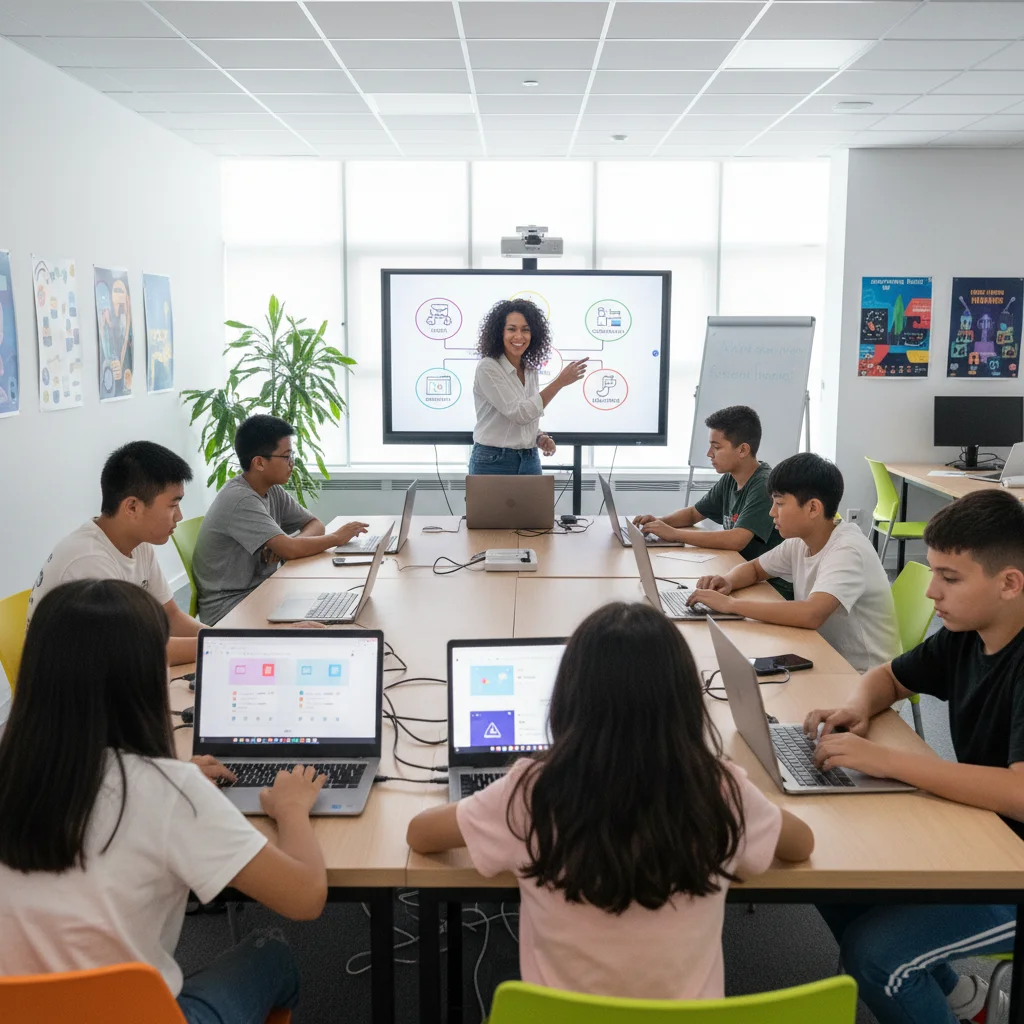
Equipping youth with practical skills such as public speaking, fundraising, project management, digital literacy, critical thinking, and advocacy is essential. Workshops and training programs tailored to their interests and developmental stages can empower them to take effective action. These skills are not only beneficial for social impact work but also for their overall personal and professional development, preparing them for future roles as leaders in various fields. Investing in these skills directly translates into more effective Youth Social Impact initiatives.

4. Creating Inclusive and Diverse Spaces:
It is crucial to ensure that all young people, regardless of their background, socio-economic status, race, ethnicity, gender identity, or ability, have equal access to opportunities for engagement and leadership. Creating inclusive environments where diverse perspectives are valued and celebrated enriches the quality of Youth Social Impact initiatives and ensures that solutions are relevant and equitable for all members of society. This means actively seeking out and supporting marginalized voices and ensuring that programs are accessible and welcoming.
5. Fostering a Culture of Empathy and Critical Thinking:
Encouraging young people to develop empathy for others and to critically analyze social issues is fundamental. Educational curricula and community programs should incorporate activities that promote understanding diverse perspectives, recognizing systemic injustices, and thinking creatively about solutions. This foundational understanding is key to developing compassionate and effective Youth Social Impact leaders who can address complex problems with nuance and sensitivity.
6. Providing Resources and Funding:
Young leaders often have brilliant ideas but lack the financial or material resources to implement them. Providing access to small grants, crowdfunding platforms, or organizational support can significantly enable their projects. This demonstrates belief in their capabilities and removes practical barriers to making a tangible Youth Social Impact. Even modest support can go a long way in turning a vision into reality.
The Role of Education in Shaping Youth Social Impact
Educational institutions, from K-12 schools to universities, play a pivotal role in nurturing the next generation of Youth Social Impact leaders. Integrating social impact principles into curricula and fostering a culture of civic engagement can have a profound effect:
-
Service-Learning Programs:
Integrating community service with academic learning allows students to apply classroom knowledge to real-world problems. This not only enhances their understanding of subjects but also instills a sense of civic duty and highlights the potential for Youth Social Impact. These programs make learning more relevant and engaging, connecting theoretical concepts to practical application and community benefit.
-
Curriculum Development:
Developing courses and programs focused on social entrepreneurship, human rights, environmental sustainability, and ethical leadership can directly equip students with the knowledge and tools needed to drive social change. These specialized curricula provide a structured approach to understanding complex issues and developing solutions, strengthening their capacity for Youth Social Impact.
-
Student Organizations and Clubs:
Schools and universities can actively support and promote student-led organizations focused on social justice, environmental advocacy, and community service. These clubs provide platforms for students to collaborate, organize events, and develop leadership skills in a supportive environment, fostering a strong sense of Youth Social Impact within the student body.
-
Educator Training:
Training educators to facilitate discussions on social issues, encourage critical thinking, and guide student-led initiatives is crucial. Teachers who are equipped to inspire and support Youth Social Impact can significantly multiply their reach and effectiveness. Empowering educators means empowering thousands of students over their careers.
Technology as an Enabler for Youth Social Impact
The digital age has revolutionized how Youth Social Impact is conceptualized and executed. Technology offers unprecedented opportunities for young people to connect, learn, and act on a global scale:
-
Global Collaboration Platforms:
Online platforms allow young people from different geographical locations to collaborate on projects, share ideas, and learn from diverse perspectives. This global connectivity expands their understanding of issues and enables more impactful solutions, fostering a sense of collective Youth Social Impact that transcends borders. Imagine students in California collaborating with peers in New York on a national advocacy campaign.
-
Data and Analytics for Advocacy:
Access to data and analytical tools empowers young people to research issues, understand their scope, and present evidence-based arguments for policy change. This data-driven approach lends credibility to their advocacy efforts and increases their chances of making a measurable Youth Social Impact. Learning to interpret and present data is a powerful skill for any social change agent.
-
Digital Storytelling and Media Creation:
Young people are natural storytellers in the digital realm. They can use videos, podcasts, and social media campaigns to raise awareness, share personal narratives, and mobilize support for causes they care about. Effective digital storytelling can create emotional connections and drive widespread engagement, amplifying their Youth Social Impact significantly. A compelling short video can reach millions in hours.
-
Crowdfunding and Peer-to-Peer Fundraising:
Technology has made it easier for young individuals and groups to raise funds for their social impact projects directly from their communities and beyond. This democratizes access to funding and allows them to take ownership of their initiatives, further strengthening their capacity for Youth Social Impact. It teaches them vital skills in communication, marketing, and financial management.
Community and Parental Support: Foundations for Lasting Impact
While individual initiative is vital, the surrounding ecosystem of family, community, and institutions plays a crucial role in nurturing Youth Social Impact. Supportive environments can make all the difference:
-
Family Encouragement:
Parents and guardians who encourage their children’s interests in social issues, provide opportunities for volunteering, and engage in discussions about community challenges can significantly influence their development as social impact leaders. A supportive home environment validates their efforts and reinforces the importance of contributing to the greater good, fostering an early appreciation for Youth Social Impact.
-
Community Organizations and Non-profits:
Local community centers, non-profit organizations, and youth groups often serve as crucial hubs for youth engagement. They provide safe spaces, resources, and structured programs that allow young people to explore their passions, develop skills, and connect with peers and mentors. These organizations are often the first point of contact for many young people interested in making a Youth Social Impact.
-
Local Government Initiatives:
Municipal and state governments can create youth councils, provide funding for youth-led projects, and involve young people in local decision-making processes. This not only gives youth a voice but also demonstrates that their contributions are valued, encouraging greater participation and more significant Youth Social Impact. When young people see their ideas translated into policy, it’s incredibly empowering.
-
Corporate Social Responsibility (CSR) Programs:
Businesses can contribute by offering internships, mentorship opportunities, and funding for youth-led social initiatives. Partnering with schools and non-profits, CSR programs can provide valuable resources and real-world experience, exposing young people to different models of Youth Social Impact and career paths that align with their values.
Measuring and Sustaining Youth Social Impact
To truly understand the effectiveness of efforts to inspire Youth Social Impact, it is essential to establish clear metrics and methods for evaluation. Measuring impact goes beyond counting participants; it involves assessing the depth of engagement, the development of leadership skills, and the tangible outcomes of their projects.
1. Defining Success Metrics:
Before embarking on any program, it’s important to define what success looks like. This could include metrics such as: number of youth-led projects successfully implemented, policy changes influenced by youth advocacy, improvements in community indicators (e.g., local environmental quality, literacy rates), increased civic participation among youth, or the development of specific skills like critical thinking and public speaking. Clearly defined metrics help in tracking progress and demonstrating the value of Youth Social Impact initiatives.
2. Long-Term Tracking and Follow-Up:
The impact of youth engagement often extends far beyond the immediate project. Tracking the long-term trajectories of young leaders – their educational paths, career choices, and continued civic involvement – can provide valuable insights into the sustained Youth Social Impact. Longitudinal studies and alumni networks can help in understanding how early engagement shapes their future contributions to society. This also helps identify areas where programs might need adjustment to ensure lasting influence.
3. Celebrating Achievements and Sharing Stories:
Recognizing and celebrating the achievements of young social impact leaders is crucial for motivation and inspiring others. Publicizing their stories through media, awards, and community events not only honors their hard work but also creates a ripple effect, encouraging more young people to get involved and make their own Youth Social Impact. Sharing these narratives builds a culture of appreciation for youth contributions and highlights the power of their actions.
4. Adapting and Evolving Programs:
The needs and interests of youth are constantly changing. Programs designed to foster Youth Social Impact must be flexible and adaptable, regularly seeking feedback from participants and adjusting strategies to remain relevant and effective. This iterative approach ensures that initiatives continue to meet the evolving demands of the next generation and address the most pressing social issues of the day.
5. Building Sustainable Ecosystems:
Sustaining Youth Social Impact requires building robust ecosystems of support. This includes securing consistent funding, fostering strong partnerships between schools, non-profits, businesses, and government agencies, and developing a pipeline of mentors and volunteers. A collaborative and well-resourced ecosystem ensures that opportunities for youth engagement are continuous and widely accessible, creating a lasting legacy of social change.
Challenges and Opportunities for Youth Social Impact in 2026
While the potential for Youth Social Impact is immense, several challenges need to be addressed to maximize their effectiveness by 2026. These challenges also present opportunities for innovative solutions.
1. Digital Divide and Access Inequality:
Despite widespread digital literacy, significant disparities in access to technology and reliable internet still exist, particularly in underserved communities. This digital divide can limit participation in online advocacy and access to resources. Bridging this gap through community technology centers, affordable internet initiatives, and device distribution programs is crucial for equitable Youth Social Impact. Ensuring that all youth have the tools to engage is a foundational step.
2. Burnout and Mental Health:
Young people engaging in social impact work often face intense pressure, criticism, and exposure to difficult issues, which can lead to burnout and mental health challenges. Providing mental health support, promoting self-care strategies, and fostering supportive peer networks are essential for sustaining their engagement and well-being. Recognizing the emotional toll of activism is vital for long-term Youth Social Impact.
3. Tokenism vs. Authentic Engagement:
Organizations sometimes include youth in decision-making processes merely for optics, without genuinely valuing their input. This tokenism can be demotivating and counterproductive. Ensuring authentic youth engagement, where young people have real power and influence, is critical for fostering genuine Youth Social Impact. This means listening intently, trusting their judgment, and integrating their ideas meaningfully.
4. Funding Gaps for Youth-Led Initiatives:
While there’s growing interest in youth-led projects, securing consistent funding can still be a challenge. Many traditional funding models are not designed to support smaller, nascent, or youth-led initiatives. Developing more accessible funding mechanisms, micro-grant programs, and philanthropic support specifically for Youth Social Impact initiatives is essential to fuel their growth. Innovative funding approaches are needed to match the innovative spirit of youth.
5. Political Polarization and Disinformation:
The current political climate, characterized by polarization and the spread of disinformation, can make it challenging for young people to navigate complex issues and advocate effectively. Educating youth on media literacy, critical evaluation of sources, and constructive dialogue skills is vital to equip them to make informed decisions and engage in productive Youth Social Impact. Helping them discern truth from fiction is a critical skill for civic engagement.
Conclusion: A Call to Action for 2026 and Beyond
The future of the United States, and indeed the world, rests on the shoulders of its youth. By 2026, we have an unparalleled opportunity to significantly enhance Youth Social Impact, transforming young aspirations into powerful movements for change. This requires a concerted effort from all sectors of society: educators, policymakers, community leaders, parents, and businesses.
We must move beyond merely acknowledging the potential of youth to actively investing in their development as social impact leaders. This means creating accessible pathways for engagement, providing robust educational and skill-building opportunities, fostering supportive environments, and leveraging technology for broader reach and deeper collaboration. It means listening to their voices, trusting their judgment, and empowering them with the resources they need to succeed.
The challenges are real, but so is the immense power of young people to overcome them. By championing Youth Social Impact, we are not just investing in individual young people; we are investing in a more just, equitable, and sustainable future for all. Let 2026 be a landmark year where we collectively commit to inspiring and empowering the next generation of social impact leaders across the US, ensuring that their innovative spirit and unwavering dedication shape the world for the better.