Economic Outlook 2026: Personal Financial Planning for Risk Mitigation

The global economic landscape is a dynamic and ever-evolving entity, shaped by a myriad of factors ranging from geopolitical tensions and technological advancements to environmental shifts and demographic changes. As we cast our gaze towards the economic outlook 2026, it becomes increasingly clear that proactive personal financial planning is not merely advisable but absolutely essential. The coming years are anticipated to bring both opportunities and challenges, and those who are best prepared will be the ones who navigate these waters most successfully. This comprehensive guide will delve into the projected economic trends for 2026, identify potential risks, and, most importantly, provide actionable strategies for individuals to fortify their financial positions.
Understanding the economic outlook 2026 requires a multi-faceted approach, considering various macroeconomic indicators and global forecasts. While precise predictions are inherently difficult, general trends and expert analyses can offer valuable insights. We’ll explore how inflation, interest rates, employment, and global trade might shape the financial environment, and then translate these broad economic forces into tangible steps for your personal finances. From building robust emergency funds to strategic investment decisions, every aspect of your financial life can be optimized to withstand potential shocks and capitalize on emerging opportunities.
Understanding the Global Economic Outlook 2026
The year 2026 is expected to be a period of continued adjustment and adaptation for the global economy. Following the significant disruptions of recent years, including pandemics, supply chain issues, and geopolitical conflicts, economies worldwide are striving for stability and sustainable growth. However, this path is rarely linear, and several key areas will likely define the economic outlook 2026.
Inflationary Pressures and Monetary Policy
Inflation has been a dominant theme in recent years, prompting central banks globally to implement aggressive monetary tightening policies. While many anticipate a gradual easing of inflation, the economic outlook 2026 suggests that it may remain above historical averages in some regions. Factors such as continued supply chain realignments, labor market dynamics, and energy price volatility could contribute to persistent price pressures. Central banks will likely continue to walk a tightrope, balancing inflation control with the need to avoid stifling economic growth. This means interest rates, while potentially stabilizing or even slightly declining from their peaks, may not return to the ultra-low levels seen in the pre-pandemic era. For individuals, this translates to higher borrowing costs for mortgages, loans, and credit cards, making debt management a critical component of financial planning.
Global Growth Projections and Regional Variances
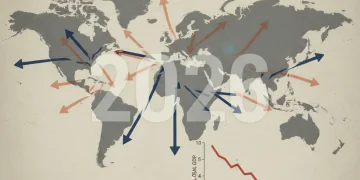
The International Monetary Fund (IMF) and other leading financial institutions typically provide projections for global GDP growth. The economic outlook 2026 generally points towards moderate global growth, but with significant regional disparities. Emerging markets, particularly in Asia, may continue to outperform developed economies, driven by demographic dividends and increasing domestic consumption. However, geopolitical tensions, trade disputes, and varying levels of technological adoption could create divergences. Developed economies will likely focus on innovation, productivity enhancements, and managing aging populations. Understanding these regional variances is crucial for investors and those considering international career opportunities.
Technological Disruption and Innovation
Technological advancements, particularly in artificial intelligence (AI), automation, biotechnology, and renewable energy, will undoubtedly be a major driver of economic change in 2026. These innovations can boost productivity, create new industries, and transform existing ones. However, they also pose challenges, such as job displacement in certain sectors and the need for significant workforce reskilling. The economic outlook 2026 will be heavily influenced by how effectively economies adapt to and harness these technological shifts. For individuals, this means a continuous focus on learning new skills and adapting to evolving job markets.
Identifying Key Risks in the Economic Outlook 2026
While the future holds promise, it also presents a range of potential risks that individuals must be prepared for. Mitigating these risks through sound personal financial planning is paramount for achieving financial stability and growth in the economic outlook 2026.
Geopolitical Instability and Supply Chain Vulnerabilities
Ongoing geopolitical tensions, regional conflicts, and trade protectionism could lead to increased volatility in global markets. Disruptions to critical supply chains, particularly for essential goods and raw materials, can fuel inflation and hinder economic activity. The economic outlook 2026 must account for the possibility of these external shocks impacting everything from consumer prices to investment returns. Diversifying investments and maintaining a robust emergency fund become even more critical in such an environment.
Market Volatility and Investment Risks
Financial markets are inherently prone to fluctuations. In 2026, factors such as changing interest rates, corporate earnings, and investor sentiment could lead to periods of heightened volatility. For investors, this means a greater emphasis on diversification, long-term perspectives, and understanding risk tolerance. Relying heavily on a single asset class or sector could expose one to significant losses if market conditions turn unfavorable. The economic outlook 2026 necessitates a disciplined approach to investing, avoiding impulsive decisions driven by short-term market movements.
Cybersecurity Threats and Data Breaches
As our lives become increasingly digital, the threat of cyberattacks and data breaches continues to grow. These incidents can have severe financial consequences, from identity theft and unauthorized transactions to the compromise of sensitive personal information. Protecting your digital financial footprint is an often-overlooked aspect of personal financial planning but is increasingly vital in the economic outlook 2026. Regular password updates, two-factor authentication, and vigilance against phishing scams are essential practices.
Climate Change and Environmental Impact
The economic impact of climate change is becoming more pronounced, leading to increased costs associated with natural disasters, resource scarcity, and shifts in regulatory policies. These factors can affect insurance premiums, property values, and the viability of certain industries. While less direct than other risks, the long-term economic outlook 2026 and beyond will increasingly incorporate these environmental considerations. Investing in sustainable practices and understanding potential climate-related financial exposures are emerging components of comprehensive financial planning.
Personal Financial Planning Strategies for the Economic Outlook 2026
Given the complexities and potential risks inherent in the economic outlook 2026, a well-structured personal financial plan is your best defense and a powerful tool for seizing opportunities. Here are key strategies to implement:
1. Build and Maintain a Robust Emergency Fund
An emergency fund is the cornerstone of financial security. In an unpredictable economic climate, having readily accessible cash to cover unexpected expenses like job loss, medical emergencies, or significant home repairs is paramount. Financial experts typically recommend saving at least three to six months’ worth of essential living expenses in a high-yield savings account. For greater peace of mind, especially considering the potential volatility of the economic outlook 2026, aiming for nine to twelve months’ worth of expenses can provide an even stronger buffer. This fund should be separate from your regular checking account and not used for discretionary spending. It acts as a crucial safety net, preventing you from incurring high-interest debt when unforeseen circumstances arise.
2. Master Your Budget and Cash Flow
Understanding where your money comes from and where it goes is fundamental. Create a detailed budget that tracks all your income and expenses. Utilize budgeting apps, spreadsheets, or even pen and paper to gain clarity. Identify areas where you can reduce unnecessary spending and reallocate those funds towards savings, debt repayment, or investments. The economic outlook 2026 emphasizes efficiency; every dollar saved or invested wisely contributes to your overall financial resilience. Regularly review and adjust your budget to reflect changes in your income, expenses, and financial goals. This ongoing process ensures your financial plan remains relevant and effective.

3. Strategize Debt Management
High-interest debt, such as credit card balances, can be a significant drain on your financial resources, especially in an environment where interest rates might remain elevated. Prioritize paying down these debts aggressively. Consider strategies like the debt snowball or debt avalanche method. The debt snowball involves paying off the smallest debts first to build momentum, while the debt avalanche tackles debts with the highest interest rates first to save on interest costs. For larger debts like mortgages, explore refinancing options if interest rates become more favorable, but always consider the overall costs and benefits. Reducing your debt burden frees up cash flow and reduces your financial risk in the face of an uncertain economic outlook 2026.
4. Diversify Your Investments Wisely
Diversification is key to mitigating investment risk. Do not put all your eggs in one basket. Spread your investments across various asset classes (stocks, bonds, real estate, commodities), industries, and geographical regions. Consider low-cost index funds and exchange-traded funds (ETFs) for broad market exposure. The economic outlook 2026 may see certain sectors outperform others, so a diversified portfolio can help smooth out returns during volatile periods. Regularly rebalance your portfolio to ensure it aligns with your risk tolerance and long-term goals. Consult with a financial advisor to create an investment strategy tailored to your specific circumstances and objectives.
5. Prioritize Retirement Savings
Even amidst short-term economic concerns, do not neglect your long-term goals, especially retirement. Maximize contributions to tax-advantaged retirement accounts like 401(k)s, IRAs, and Roth IRAs. Take advantage of any employer matching contributions, as this is essentially free money. The power of compounding interest means that even small, consistent contributions over time can grow significantly. The economic outlook 2026 might present opportunities for long-term investors to buy assets at relatively lower prices, which can be beneficial for retirement portfolios over decades. Stay disciplined and avoid withdrawing from retirement accounts prematurely.
6. Enhance Your Skills and Career Resilience
In an economy shaped by rapid technological change and evolving job markets, investing in your human capital is crucial. Continuously develop new skills, pursue further education, or gain certifications that are in demand. This increases your employability and adaptability, making you more resilient to potential job market shifts that could arise in the economic outlook 2026. Networking, building a strong professional brand, and exploring multiple income streams (side hustles) can also provide additional layers of financial security.
7. Review and Optimize Insurance Coverage
Insurance acts as a critical financial safety net against unforeseen events. Review your health insurance, life insurance, disability insurance, home insurance, and auto insurance policies annually. Ensure your coverage is adequate for your current needs and reflects the value of your assets. The economic outlook 2026 might bring increased costs for certain types of insurance, so proactively shopping for competitive rates and understanding your coverage limits is a smart move. Adequate insurance protects your assets and prevents major financial setbacks.
8. Plan for Healthcare Costs
Healthcare costs continue to be a significant concern. Proactively planning for these expenses is vital. Explore options like Health Savings Accounts (HSAs) if you have a high-deductible health plan, as they offer significant tax advantages for saving and paying for medical expenses. Understand your health insurance policy thoroughly, including deductibles, co-pays, and out-of-pocket maximums. The economic outlook 2026 suggests that healthcare inflation may persist, making early and consistent planning for medical expenses even more important.
9. Stay Informed and Adaptable
The global economy is constantly changing. Stay informed about economic news, market trends, and policy developments. Read reputable financial news sources, follow expert analyses, and be prepared to adapt your financial plan as circumstances evolve. While it’s important to be proactive, it’s equally important not to react impulsively to every piece of news. Consult with trusted financial professionals who can offer objective advice tailored to your situation. The ability to remain flexible and adjust your strategies will be a key differentiator for financial success in the economic outlook 2026.

Long-Term Perspective and Resilience
While the focus of this article is on the economic outlook 2026, it is crucial to embed these short-to-medium term strategies within a broader long-term financial vision. Economic cycles are a natural part of financial history, and periods of uncertainty are often followed by periods of growth. By establishing sound financial habits now, you build resilience that will serve you well for decades to come, regardless of the immediate economic climate.
Financial resilience isn’t just about accumulating wealth; it’s also about having the flexibility to navigate life’s inevitable challenges without derailing your long-term goals. It means being able to withstand a job loss, a major medical event, or a significant market downturn without resorting to desperate measures or sacrificing your future. The strategies outlined above – from robust emergency funds to diversified investments and continuous skill development – all contribute to this overarching goal of financial resilience.
The Role of Professional Financial Advice
Navigating the complexities of the economic outlook 2026 and beyond can be daunting. Engaging with a qualified financial advisor can provide invaluable support. A good advisor can help you:
- Assess your current financial situation: Get a clear picture of your assets, liabilities, income, and expenses.
- Define your financial goals: Clarify what you want to achieve in the short, medium, and long term.
- Develop a personalized financial plan: Create a roadmap tailored to your unique circumstances, risk tolerance, and goals.
- Optimize investment strategies: Ensure your portfolio is diversified and aligned with your objectives.
- Plan for retirement and other major life events: Design strategies for significant milestones.
- Navigate tax implications: Understand how taxes affect your investments and income.
- Stay accountable: Regularly review your progress and adjust your plan as needed.
While there are costs associated with financial advice, the benefits of informed decision-making and strategic planning, especially in a dynamic economic outlook 2026, can far outweigh these expenses. Choose an advisor who is a fiduciary, meaning they are legally obligated to act in your best interest.
Conclusion: Proactive Planning for a Secure Economic Outlook 2026
The economic outlook 2026 presents a mixed bag of potential growth alongside persistent risks. While the exact trajectory of the global economy remains uncertain, individuals have a significant degree of control over their personal financial well-being. By adopting a proactive and disciplined approach to personal financial planning, you can not only mitigate potential risks but also position yourself to capitalize on emerging opportunities.
Start today by reviewing your budget, strengthening your emergency fund, and scrutinizing your debt. Diversify your investments, prioritize your long-term savings, and continuously invest in your skills. By implementing these strategies, you are not just reacting to the economic climate; you are actively shaping your financial future. The journey to financial security is ongoing, requiring vigilance, adaptability, and a commitment to continuous learning. Embrace the challenges and opportunities of the economic outlook 2026 with confidence, knowing that you have laid a solid foundation for lasting prosperity.