Maximizing Medicaid Enrollment 2026: Your Essential Guide

Maximizing Medicaid Enrollment 2026: Your Essential Guide to Healthcare Coverage
As we approach 2026, understanding the intricacies of Medicaid Enrollment 2026 becomes more critical than ever. With over 80 million Americans relying on Medicaid for their healthcare needs, ensuring seamless and successful enrollment is paramount. This comprehensive guide is designed to equip you with the knowledge and practical solutions needed to navigate the complexities of Medicaid, secure your benefits, and maximize your access to essential medical services. Whether you are a current beneficiary, a potential applicant, or assisting someone through the process, this article will provide invaluable insights into eligibility, application procedures, and crucial updates for the coming year.
Medicaid, a joint federal and state program, provides health coverage to millions of low-income Americans, including children, pregnant women, elderly adults, and people with disabilities. Its role in the nation’s healthcare landscape cannot be overstated. However, the rules and regulations surrounding Medicaid can often be confusing, leading to missed opportunities or delays in coverage. Our aim is to demystify these processes, ensuring that you are well-prepared for Medicaid Enrollment 2026 and can confidently access the care you deserve.
Understanding Medicaid: A Foundation for 2026 Enrollment
Before diving into the specifics of Medicaid Enrollment 2026, it’s essential to have a solid understanding of what Medicaid is and how it functions. Medicaid is not a one-size-fits-all program; its administration varies significantly from state to state, even though it operates under broad federal guidelines. This state-level variation means that eligibility criteria, covered services, and application processes can differ, making localized information crucial for successful enrollment.
Who Does Medicaid Serve?
Medicaid primarily serves vulnerable populations who may not have access to affordable health insurance through other means. Key groups include:
- Low-income families and children: A significant portion of Medicaid beneficiaries are children and their parents or guardians who meet specific income thresholds.
- Pregnant women: Ensuring access to prenatal, delivery, and postpartum care is a critical aspect of Medicaid’s mission.
- Individuals with disabilities: Medicaid provides essential long-term care and services for people with various disabilities, often enabling them to live independently.
- Elderly adults: For many seniors, Medicaid acts as a crucial supplement to Medicare, covering costs that Medicare does not, especially for long-term care in nursing facilities or at home.
- Medically needy individuals: Some states have programs for individuals whose income is too high for traditional Medicaid but who have significant medical expenses.
- Adults in states that expanded Medicaid: Under the Affordable Care Act (ACA), many states expanded Medicaid eligibility to nearly all non-elderly adults with incomes up to 138% of the Federal Poverty Level (FPL).
Understanding which of these categories you or your family might fall into is the first step in preparing for Medicaid Enrollment 2026. Each category often has specific income and resource limits that must be met.
Federal vs. State Roles in Medicaid
While the federal government sets general rules and provides matching funds, states have considerable flexibility in designing and administering their Medicaid programs. This includes:
- Eligibility standards: States can set income and resource limits within federal parameters.
- Benefit packages: While certain services are mandatory (e.g., doctor visits, hospital care, laboratory services), states can choose to offer additional optional benefits (e.g., prescription drugs, dental care, vision services).
- Delivery systems: States can opt for managed care organizations (MCOs) or fee-for-service models for delivering care.
- Application and renewal processes: While federal law mandates certain access points (e.g., online, phone, in-person), the specific mechanisms can vary.
This dual system means that staying informed about your specific state’s Medicaid program is vital for successful Medicaid Enrollment 2026.
Key Changes and Updates for Medicaid Enrollment in 2026
The healthcare landscape is constantly evolving, and Medicaid is no exception. While it’s challenging to predict all specific changes for 2026 with absolute certainty, we can anticipate certain trends and areas of focus. Staying abreast of these potential shifts is crucial for anyone involved in Medicaid Enrollment 2026.
Potential Policy Shifts and Funding Changes
Changes in federal and state administrations, economic conditions, and public health priorities can all influence Medicaid policy. For 2026, potential areas of change might include:
- Federal Poverty Level (FPL) adjustments: The FPL, which determines income eligibility for many programs, is updated annually. These updates will directly impact who qualifies for Medicaid.
- Post-PHE unwinding effects: The unwinding of the COVID-19 Public Health Emergency (PHE) led to a massive redetermination process. The lessons learned and any lingering effects on state administrative capacity or beneficiary retention could influence future policies and processes for Medicaid Enrollment 2026.
- Emphasis on social determinants of health (SDOH): There’s a growing recognition of how factors like housing, food security, and transportation impact health. States might continue to integrate more SDOH initiatives into their Medicaid programs, potentially affecting benefit structures or care coordination for Medicaid Enrollment 2026 beneficiaries.
- Technological advancements: Continued investment in digital platforms for application, renewal, and beneficiary communication is likely, aiming to streamline processes and improve access.
- Behavioral health integration: Efforts to integrate mental health and substance abuse services more seamlessly into primary care are expected to continue, potentially leading to expanded benefits or improved access to these services.
State-Specific Adjustments
Given the state-driven nature of Medicaid, it’s imperative to monitor local legislative sessions and health department announcements. States may:
- Adjust eligibility thresholds: Some states might choose to expand or contract their Medicaid programs based on budget considerations or political priorities.
- Modify managed care plans: Changes in contracts with MCOs can affect provider networks, covered services, and even the experience of beneficiaries during Medicaid Enrollment 2026.
- Implement new waiver programs: States often use waivers from federal rules to experiment with innovative approaches to healthcare delivery and financing, which could introduce new benefits or eligibility pathways.
The most reliable source for state-specific information will always be your state’s official Medicaid website or health department. Checking these resources regularly as 2026 approaches will be vital.
Eligibility Criteria for Medicaid Enrollment 2026
Eligibility is the cornerstone of Medicaid Enrollment 2026. While income is a primary factor, it’s not the only one. Understanding all the contributing elements is crucial for determining if you or your family qualify.
Income Limits and Federal Poverty Levels (FPL)
Medicaid income limits are typically expressed as a percentage of the Federal Poverty Level (FPL). The FPL is updated annually by the Department of Health and Human Services. For 2026, these new FPL numbers will be critical. Generally:
- Children and pregnant women: Often have higher FPL limits, sometimes exceeding 200% or 300% FPL, depending on the state.
- Parents/Caregivers: In non-expansion states, parents often have very low FPL limits, sometimes below 50% FPL.
- Adults in expansion states: Adults under 65 (not pregnant or eligible for Medicare) with incomes up to 138% FPL are eligible.
- Elderly and individuals with disabilities: Eligibility for these groups can be more complex, often involving both income and resource limits, and sometimes requiring a ‘spend-down’ process if income is too high.
It’s important to remember that ‘income’ for Medicaid purposes isn’t always the same as gross income. Various deductions and disregard rules can apply, so it’s best to consult official guidelines or a navigator.
Resource Limits
While most Medicaid programs for children, pregnant women, and adults in expansion states do not have asset (resource) limits, these limits are often crucial for eligibility for elderly individuals and people with disabilities. Resources typically include:
- Bank accounts (checking, savings)
- Stocks, bonds, mutual funds
- Property other than a primary residence
- Certain retirement accounts
There are specific rules about what counts as an ‘available’ resource and what is exempt (e.g., a primary home, one car). Planning ahead, especially for long-term care needs, can be vital.
Other Eligibility Factors
- Residency: You must be a resident of the state where you apply for Medicaid.
- Citizenship/Immigration Status: Generally, you must be a U.S. citizen or a qualified non-citizen. Specific rules apply to different immigration statuses.
- Household Composition: The number of people in your household significantly impacts your FPL calculation and, consequently, your eligibility.
- Age and Disability Status: As mentioned, these factors place individuals into specific eligibility groups with their own criteria.
Do not assume you are ineligible without checking. Many people are surprised to find they qualify under specific categories or state rules. For Medicaid Enrollment 2026, always verify your status with official sources.
The Application Process for Medicaid Enrollment 2026
Navigating the application process can seem daunting, but with the right approach, it can be straightforward. The goal for Medicaid Enrollment 2026 is to submit a complete and accurate application to avoid delays.
Where and How to Apply
There are several avenues for applying for Medicaid:
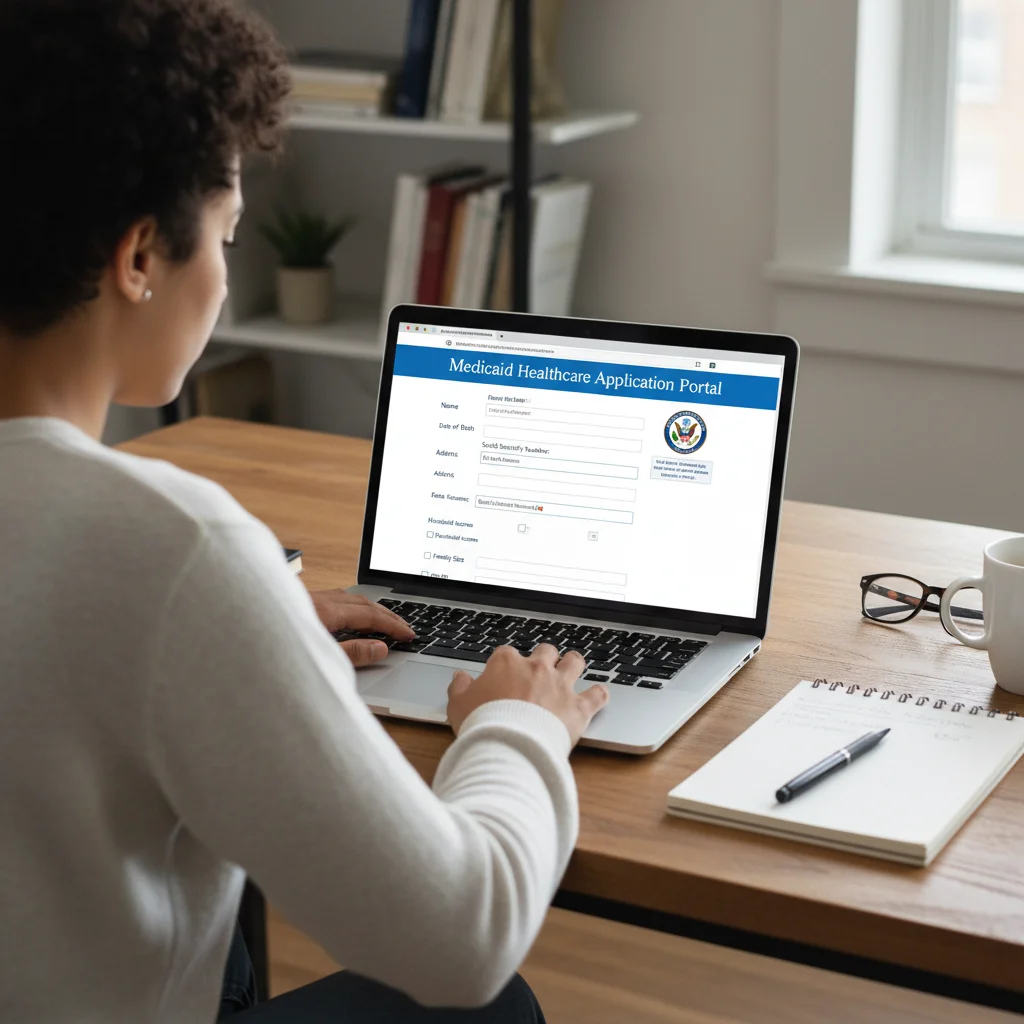
- Online through your State’s Medicaid or Marketplace Website: This is often the quickest and most efficient method. Most states use a single application portal that can determine eligibility for both Medicaid and Marketplace subsidies.
- By Phone: You can typically apply by calling your state’s Medicaid agency or the HealthCare.gov call center.
- In Person: At your local Medicaid office, Department of Social Services, or a community health center.
- By Mail: You can download an application form from your state’s website and mail it in.
For Medicaid Enrollment 2026, utilizing online portals is generally recommended due to their speed and ability to instantly check for other potential subsidies if you don’t qualify for Medicaid.
Required Documentation
Gathering the necessary documents beforehand will significantly speed up your application. While specific requirements can vary, common documents include:
- Proof of Identity: Driver’s license, state ID, passport.
- Proof of Citizenship/Immigration Status: Birth certificate, passport, naturalization certificate, Green Card.
- Proof of Residency: Utility bill, rental agreement, mail with your address.
- Proof of Income: Pay stubs, tax returns, W-2s, self-employment records, Social Security award letters, unemployment benefits statements.
- Proof of Resources (if applicable): Bank statements, property deeds (for non-primary residence), investment statements.
- Social Security Numbers: For all applicants in your household.
- Information about other health insurance: If you have any other coverage.
Make sure to have copies of these documents ready. Do not send originals unless specifically requested.
Tips for a Smooth Application Process
- Be Thorough and Accurate: Incomplete or incorrect information is the leading cause of application delays. Double-check all entries.
- Keep Records: Make copies of your application and all submitted documents. Note down dates, times, and names of anyone you speak with.
- Respond Promptly: If the Medicaid agency requests additional information, provide it as quickly as possible.
- Seek Assistance: If you’re unsure about any part of the application, don’t hesitate to contact a Medicaid navigator, certified application counselor, or your local Medicaid office.
Understanding Your Medicaid Benefits in 2026
Once you are enrolled in Medicaid, understanding the scope of your benefits is crucial for maximizing your healthcare. While there are mandatory federal benefits, states can offer a wide range of optional services.
Mandatory Benefits
Federal law requires all state Medicaid programs to cover certain basic services. These generally include:
- Inpatient and outpatient hospital services
- Physician services
- Laboratory and X-ray services
- Nursing facility services for individuals aged 21 or older
- Home health services for individuals eligible for nursing facility services
- Early and Periodic Screening, Diagnostic, and Treatment (EPSDT) services for individuals under 21
- Family planning services and supplies
- Rural health clinic and federally qualified health center (FQHC) services
- Nurse midwife services
- Certified pediatric and family nurse practitioner services
- Transportation to medical care
- Tobacco cessation counseling for pregnant women
Optional Benefits (State-Specific)
States have the option to cover additional services, which can significantly enhance the value of your Medicaid coverage. These often include:
- Prescription drugs
- Dental services
- Vision care
- Physical and occupational therapy
- Speech, hearing, and language disorder services
- Prosthetic devices
- Durable medical equipment
- Personal care services
- Hospice services
- Case management
- Chiropractic services
It is vital to check your specific state’s Medicaid website or your member handbook to understand the full range of benefits available to you under Medicaid Enrollment 2026. Don’t assume a service isn’t covered without verifying.
Maintaining Your Medicaid Coverage: Renewals and Reporting Changes
Enrollment is just the first step. To ensure continuous healthcare access, beneficiaries must understand the renewal process and their responsibility to report changes. This is a critical aspect of Medicaid Enrollment 2026 management.
The Renewal Process
Medicaid coverage typically lasts for 12 months, after which it must be renewed. States are required to conduct annual redeterminations of eligibility. For Medicaid Enrollment 2026, expect to receive a renewal notice in the mail or electronically several weeks before your coverage is set to expire.
- Automatic Renewals: Some beneficiaries may be automatically renewed if the state can verify their eligibility through existing data sources (e.g., wage data, Social Security records).
- Action Required Renewals: If the state cannot automatically renew your coverage, you will receive a form to complete and return, along with any requested documentation. It is crucial to respond to these notices promptly.
Missing a renewal deadline can lead to a gap in coverage, which can be detrimental to your health and financial well-being. Always open mail from your Medicaid agency and respond as instructed.
Reporting Changes
Beneficiaries are generally required to report changes in circumstances that could affect their eligibility. These changes include:
- Changes in Income: A new job, a raise, or a loss of income.
- Changes in Household Size: A birth, adoption, marriage, divorce, or someone moving out.
- Changes in Residency: Moving to a different address, especially if moving to a different state.
- Changes in Disability Status: A new diagnosis or an improvement in condition.
- Access to Other Health Insurance: Gaining coverage through an employer or Medicare.
Reporting changes promptly ensures that you remain in the correct eligibility group and receive the appropriate level of benefits. Failure to report changes could lead to overpayments that you might have to pay back or a sudden loss of coverage.
Resources and Assistance for Medicaid Enrollment 2026
You don’t have to navigate the complexities of Medicaid Enrollment 2026 alone. Numerous resources and forms of assistance are available to help you.
Medicaid Agencies and State Websites
Your state’s official Medicaid website is the primary and most reliable source of information. It will provide details on:
- Specific eligibility criteria for your state.
- Application forms and instructions.
- Lists of covered services.
- Contact information for local offices and helplines.
- Information on managed care plans available in your area.
Navigators and Certified Application Counselors (CACs)
These trained individuals are available in most communities to provide free, unbiased assistance with health insurance applications, including Medicaid. They can help you with:
- Understanding eligibility requirements.
- Filling out application forms.
- Gathering necessary documentation.
- Understanding your health plan options and benefits.
- Appealing decisions if your application is denied.
You can find navigators and CACs through HealthCare.gov, your state’s health insurance marketplace, or local community health centers.

Legal Aid and Advocacy Groups
For more complex cases, such as appealing a denial or dealing with specific legal issues related to Medicaid, legal aid organizations and health advocacy groups can provide specialized assistance. These groups often have attorneys or legal professionals who are experts in Medicaid law.
Community Organizations
Many local non-profits, religious organizations, and social service agencies offer assistance with healthcare enrollment, including Medicaid. They can often provide in-person support, computer access, and language services.
Common Challenges and How to Overcome Them in Medicaid Enrollment 2026
While the process is designed to be accessible, applicants sometimes face hurdles. Being aware of these common challenges can help you prepare for Medicaid Enrollment 2026 and overcome them.
Language Barriers
If English is not your primary language, accessing information and completing forms can be difficult. Most state Medicaid agencies and HealthCare.gov offer services in multiple languages, including translated documents, multilingual call centers, and interpreters. Navigators and CACs also often provide services in various languages.
Technological Access
Not everyone has reliable internet access or is comfortable with online applications. Libraries, community centers, and navigator organizations often provide public computers and assistance with online applications. Applying by phone or mail remains a viable option.
Understanding Complex Rules
Medicaid rules, especially concerning income and resources for specific populations like the elderly or disabled, can be intricate. This is where the help of navigators, CACs, or legal aid becomes invaluable. They can break down complex information into understandable terms and help you determine your specific eligibility.
Gathering Documentation
Collecting all required documents can be time-consuming, especially if records are not easily accessible. Start gathering documents well in advance of your application or renewal. If you’re missing a document, contact the Medicaid agency or a navigator immediately to see if alternative forms of proof are accepted.
Denials and Appeals
If your Medicaid application is denied, don’t despair. You have the right to appeal the decision. The denial notice should provide information on how to file an appeal. An appeal allows an impartial party to review your case. Seeking assistance from a legal aid organization or an advocacy group can be particularly helpful during the appeals process.
The Future of Medicaid and What It Means for 2026
The landscape of healthcare policy is constantly shifting, and Medicaid is frequently at the center of national discussions. For Medicaid Enrollment 2026 and beyond, several broad trends and potential directions could influence the program.
Continued Focus on Value-Based Care
Medicaid programs, like other payers, are increasingly moving towards value-based care models. This means shifting from paying for the volume of services to paying for the quality and outcomes of care. This could lead to:
- Greater emphasis on preventive care and chronic disease management.
- Increased coordination of care among different providers.
- Incentives for providers to achieve better health outcomes for beneficiaries.
Beneficiaries of Medicaid Enrollment 2026 might experience more integrated care teams and proactive health management approaches.
Addressing Health Equity
There’s a growing national commitment to addressing health disparities and promoting health equity. Medicaid programs are uniquely positioned to tackle these issues. Future initiatives may include:
- Targeted outreach and enrollment efforts in underserved communities.
- Expansion of culturally competent care and language services.
- Programs that address the social determinants of health more directly.
Technological Innovation
Digital health tools, telemedicine, and artificial intelligence are transforming healthcare. Medicaid programs are likely to continue exploring how these technologies can improve access, efficiency, and quality of care. For Medicaid Enrollment 2026 beneficiaries, this could mean more access to virtual care, digital health records, and personalized health management tools.
Potential Legislative Changes
The future of Medicaid is always subject to legislative action at both the federal and state levels. While it’s impossible to predict specific laws, keeping an eye on political developments and healthcare reform discussions will be important for understanding potential long-term impacts on the program.
Conclusion: Empowering Your Medicaid Enrollment 2026 Journey
Navigating Medicaid Enrollment 2026 can seem like a complex task, but by understanding the core principles, staying informed about updates, and utilizing available resources, you can confidently secure essential healthcare coverage for yourself and your family. Medicaid is a cornerstone of the American healthcare system, providing a vital safety net for millions. Empowering yourself with knowledge and proactive engagement is key to maximizing its benefits.
Remember to:
- Stay Informed: Regularly check your state’s official Medicaid website for the latest updates and FPL figures as 2026 approaches.
- Prepare Early: Gather all necessary documentation well in advance of applying or renewing.
- Seek Assistance: Don’t hesitate to reach out to navigators, CACs, or your local Medicaid office if you have questions or need help.
- Report Changes: Promptly inform your state Medicaid agency of any changes in income, household, or residency.
- Understand Your Benefits: Familiarize yourself with the services covered by your specific state’s Medicaid program to make the most of your coverage.
By following these steps, you can ensure a smooth and successful Medicaid Enrollment 2026 experience, guaranteeing access to the healthcare services you need to thrive. Your health is your wealth, and Medicaid is here to help protect it.