The 2026 Housing Market Forecast: A 2% Price Growth and Its Far-Reaching Economic Influence Nationwide
The housing market is a cornerstone of the global economy, a dynamic sector whose performance reverberates through countless industries and households. As we look ahead to 2026, economists and real estate analysts are forecasting a nuanced landscape, anticipating a modest yet significant 2% price growth. This projection for the 2026 Housing Forecast isn’t just a number; it’s a critical indicator that will shape economic performance, consumer behavior, and investment strategies across the nation. Understanding the intricate details of this forecast is paramount for anyone involved in or affected by the real estate sector, from potential homeowners and investors to policymakers and economic planners.
The real estate market, by its very nature, is cyclical and susceptible to a myriad of external factors. Interest rates, inflation, employment figures, demographic shifts, and even global geopolitical events all play a pivotal role in dictating its trajectory. A 2% price growth, while seemingly conservative compared to the double-digit surges seen in recent years, signals a period of stabilization and sustainable expansion rather than explosive, potentially unsustainable, gains. This anticipated moderation suggests a market finding its equilibrium after a tumultuous period marked by unprecedented demand, supply chain disruptions, and fluctuating interest rates. For many, this forecast offers a glimmer of hope for a more predictable and accessible housing landscape, while for others, it prompts a reevaluation of investment strategies.
This comprehensive analysis will delve deep into the implications of the 2026 Housing Forecast. We will explore the underlying factors driving this 2% price growth, examining the interplay of supply and demand, the evolving interest rate environment, and the impact of demographic shifts. Furthermore, we will dissect how this forecast is expected to influence broader economic performance nationwide, affecting everything from consumer spending and wealth accumulation to the construction industry and regional economies. We will also consider the potential challenges and opportunities that arise from this forecast, offering insights for various stakeholders to navigate the evolving real estate landscape effectively. By the end of this exploration, readers will have a robust understanding of what the 2026 housing market holds and how to best prepare for its multifaceted impact.
Understanding the 2026 Housing Forecast: Key Drivers of 2% Price Growth
The prediction of a 2% price growth in the 2026 Housing Forecast is not a random figure; it’s the culmination of several converging economic and social factors. To truly grasp its significance, we must first dissect the primary drivers influencing this moderate yet meaningful expansion. These drivers are complex and interconnected, painting a detailed picture of the market’s future trajectory.
Supply and Demand Dynamics
One of the most fundamental principles governing any market, including real estate, is the balance between supply and demand. For years, many regions have grappled with a significant housing supply deficit, a consequence of underbuilding following the 2008 financial crisis and exacerbated by increased demand during the pandemic. As we approach 2026, the supply side is expected to gradually improve, albeit not dramatically. New construction, while facing challenges like labor shortages and rising material costs, is slowly catching up. However, the pace of new home builds is unlikely to fully satisfy the pent-up demand, leading to continued upward pressure on prices. The 2% growth suggests that while supply will ease some of the intense competition, it won’t flood the market to the point of price depreciation. Demand, on the other hand, remains robust, fueled by demographic trends such as millennials entering their prime home-buying years and a steady, albeit slower, rate of household formation. This persistent demand, coupled with a still-constrained supply, forms the bedrock of the projected price appreciation in the 2026 Housing Forecast.
Interest Rate Environment
Interest rates are a powerful lever in the housing market, directly impacting affordability and buyer purchasing power. The period leading up to 2026 is anticipated to see a stabilization, or even a slight decrease, in interest rates following a period of aggressive hikes. Central banks, in their efforts to tame inflation, have significantly tightened monetary policy. However, as inflation moderates and economic growth potentially slows, there’s an expectation that interest rates will either hold steady or experience a slight downward adjustment. Even a minor reduction in mortgage rates can significantly increase a buyer’s affordability, allowing more individuals to enter the market or purchase higher-priced homes. This increased purchasing power, combined with sustained demand, contributes to the positive price growth outlined in the 2026 Housing Forecast. Conversely, any unexpected upward movement in rates could dampen demand and temper price appreciation, highlighting the sensitivity of the market to monetary policy.
Inflation and Economic Growth
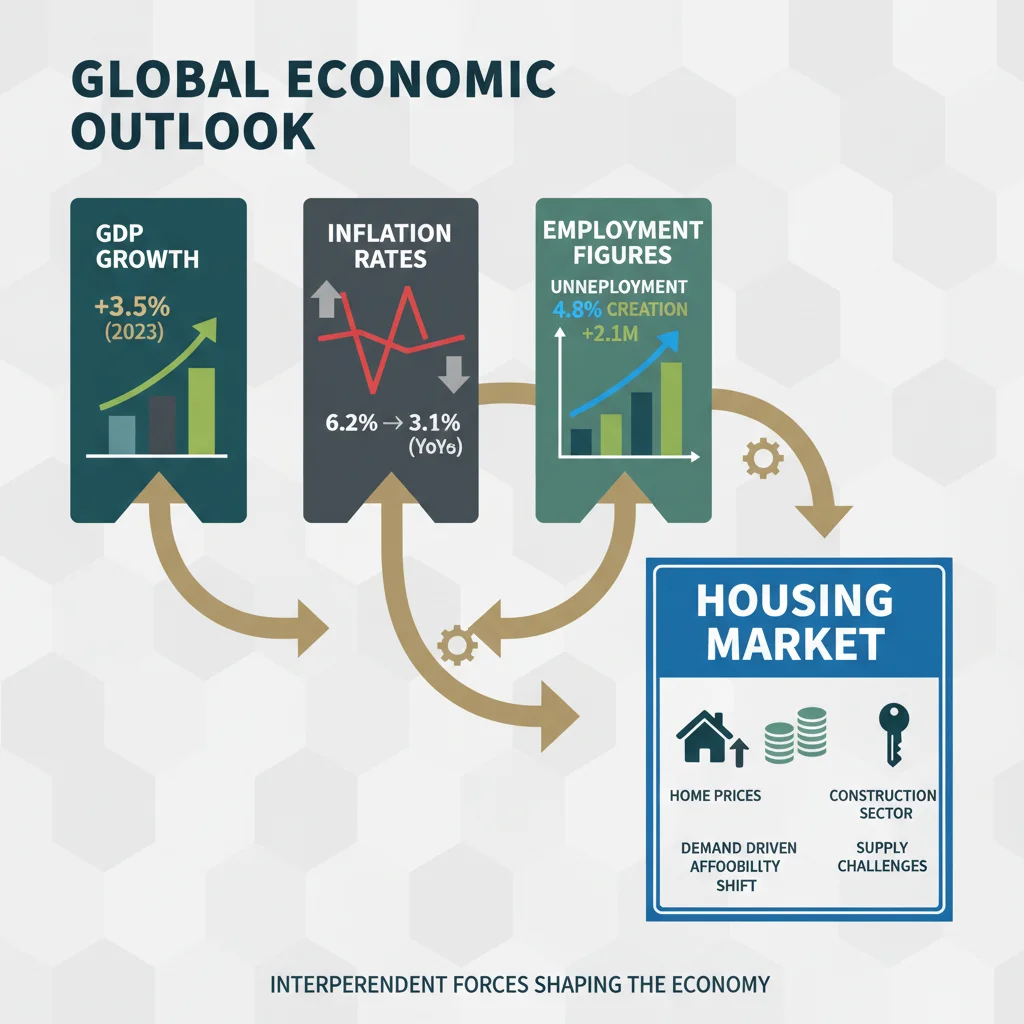
The broader economic environment, characterized by inflation and GDP growth, also plays a crucial role. A 2% price growth in housing, in an environment where inflation is hopefully closer to the Federal Reserve’s target of 2%, suggests that real housing values are maintaining their strength. If inflation remains elevated, a 2% nominal price growth might translate to a smaller real gain, impacting homeowner wealth. However, if inflation is controlled, this growth represents a healthy appreciation. Economic growth, while potentially slowing from post-pandemic highs, is expected to remain positive, supporting employment and wage growth. These factors are essential for sustaining buyer confidence and their ability to afford homeownership. A stable job market and moderate wage increases provide the necessary financial foundation for housing demand, reinforcing the projected growth in the 2026 Housing Forecast.
Demographic Shifts and Regional Variations
Demographic shifts continue to reshape the housing landscape. Millennials, now the largest segment of the workforce, are increasingly seeking homeownership, driving demand for starter homes and family-friendly properties. Additionally, the aging population may lead to increased downsizing, freeing up larger homes but also creating demand for accessible, low-maintenance housing options. These shifts are not uniform across the nation; regional variations are significant. Areas with strong job growth, attractive amenities, and lower costs of living are likely to experience higher demand and potentially exceed the national 2% growth. Conversely, regions facing economic headwinds or population outflows may see slower appreciation or even slight declines. The 2026 Housing Forecast, therefore, represents an aggregate national trend, with specific local markets experiencing their own unique dynamics influenced by these underlying demographic movements.
Nationwide Economic Performance: The Ripple Effect of 2% Housing Price Growth
The 2026 Housing Forecast of a 2% price growth, while seemingly modest, carries significant implications for the broader nationwide economic performance. The housing sector is deeply intertwined with various other economic indicators, acting as both a driver and a reflection of the nation’s financial health. Understanding these ripple effects is crucial for policymakers, businesses, and individuals alike.
Consumer Spending and Wealth Effect
One of the most direct impacts of housing price growth is on consumer spending, primarily through the ‘wealth effect.’ When homeowners see the value of their properties increase, they often feel wealthier, leading to increased confidence and a greater propensity to spend. This additional spending can boost retail sales, stimulate demand for goods and services, and contribute to overall economic growth. A 2% price appreciation, while not as dramatic as past booms, still adds to household wealth, providing a psychological boost that encourages consumption. Furthermore, increased home equity can enable homeowners to access credit more easily, through refinancing or home equity lines of credit (HELOCs), which can then be used for home improvements, education, or other significant purchases. All these factors contribute to the vibrancy of the consumer economy, a critical component of nationwide economic performance, directly influenced by the 2026 Housing Forecast.
Construction and Related Industries
The housing market’s health directly impacts the construction industry, a major employer and economic contributor. A 2% price growth signals a stable, growing market, which encourages developers to undertake new projects. This means more jobs for construction workers, architects, engineers, and real estate agents. Beyond direct construction, a flourishing housing market stimulates demand for a wide array of related industries. This includes manufacturers of building materials (lumber, steel, concrete), home furnishing retailers, appliance companies, and landscaping services. Even sectors like transportation and logistics benefit from the movement of goods and materials associated with housing development and sales. The stability suggested by the 2026 Housing Forecast provides a predictable environment for these industries to plan investments, hire staff, and expand operations, thereby contributing significantly to the national GDP and employment figures.
Mortgage and Financial Markets
The mortgage and broader financial markets are inextricably linked to the housing sector. A 2% price growth implies a healthy, albeit not overheated, market for lenders. It reduces the risk of mortgage defaults and foreclosures, strengthening the balance sheets of financial institutions. This stability encourages banks to lend, providing the necessary capital for home purchases and construction. Moreover, the secondary mortgage market, where mortgages are packaged and sold as securities, thrives on a predictable housing environment. Investors are more likely to purchase these securities when the underlying assets (homes) are appreciating. This influx of capital helps keep mortgage rates competitive, further supporting the housing market. The 2026 Housing Forecast, with its moderate growth, suggests a stable foundation for the financial sector, avoiding the excesses that can lead to bubbles while still providing opportunities for profitable lending and investment.
Government Revenue and Local Economies
Housing market performance has a direct bearing on government revenues at both local and national levels. Property taxes, which are often based on assessed home values, increase as prices rise, providing vital funding for local services such such as schools, infrastructure, and public safety. A 2% price growth, therefore, translates into a steady increase in local government budgets, enabling them to invest in community development. Furthermore, real estate transactions generate significant tax revenue through transfer taxes and other fees. On a broader scale, a healthy housing market contributes to economic stability, which in turn supports a robust tax base for federal and state governments. Local economies, in particular, are highly dependent on the housing market. Areas experiencing strong housing growth often see an influx of new residents, leading to increased demand for local businesses, job creation, and overall economic vitality. The 2026 Housing Forecast thus plays a crucial role in the fiscal health and developmental capacity of communities nationwide.
Challenges and Opportunities in the 2026 Housing Market
While a 2% price growth in the 2026 Housing Forecast points towards a more stable market, it doesn’t come without its own set of challenges and opportunities. Navigating this environment effectively will require strategic planning and adaptability from all stakeholders.
Affordability Concerns Persist
Despite a more modest growth rate, affordability remains a significant challenge. Even a 2% annual increase, compounded over several years, means that home prices continue to outpace wage growth in many areas. This issue is exacerbated by the cumulative effect of past price surges and the still-elevated interest rates compared to the ultra-low rates of the pandemic era. First-time homebuyers, in particular, may still struggle to save for down payments and qualify for mortgages. The gap between housing costs and median incomes continues to widen in many desirable markets, pushing homeownership further out of reach for a substantial portion of the population. Addressing this challenge will require innovative solutions, including increased affordable housing initiatives, zoning reforms to encourage denser development, and financial assistance programs for aspiring homeowners. The 2026 Housing Forecast highlights the ongoing need to tackle affordability head-on to ensure a healthy and equitable housing market for all.
Investment Strategies Re-evaluated
For investors, a 2% price growth signals a shift from speculative, rapid-gain strategies to more sustainable, long-term approaches. The days of guaranteed double-digit appreciation may be behind us for a while, prompting investors to focus on cash flow, rental income, and strategic value-add opportunities. This might involve investing in properties requiring renovations to increase their value, or focusing on rental markets with strong demand and favorable rent-to-price ratios. Geographically, investors will need to be more discerning, identifying markets with strong underlying economic fundamentals, population growth, and job creation that are likely to outperform the national average. The 2026 Housing Forecast encourages a more disciplined approach to real estate investment, emphasizing due diligence and a thorough understanding of local market dynamics rather than relying solely on broad market appreciation.
Evolving Role of Technology and Sustainability
Technology continues to transform the housing market, and its influence will only grow by 2026. Artificial intelligence, virtual reality tours, and blockchain technology are streamlining transactions, improving market analysis, and enhancing the home-buying experience. For real estate professionals, embracing these tools will be crucial for efficiency and competitiveness. Furthermore, sustainability is becoming an increasingly important factor for both buyers and developers. Demand for energy-efficient homes, smart home technology, and properties with lower environmental footprints is on the rise. Developers who incorporate green building practices and sustainable materials into their projects will likely gain a competitive advantage. The 2026 Housing Forecast suggests that these technological and sustainable trends will not just be niche considerations but integral components of a modern and attractive housing offering.

Policy Implications and Government Response
The 2026 Housing Forecast will undoubtedly influence policy discussions at all levels of government. With affordability remaining a concern, there will be continued pressure to implement policies that support housing supply and access. This could include federal incentives for local governments to relax restrictive zoning laws, increased funding for affordable housing programs, and initiatives to support first-time homebuyers. Furthermore, policies related to infrastructure development, transportation, and urban planning will play a critical role in shaping where and how housing growth occurs. Economic stability, supported by a healthy housing market, also allows governments to focus on other pressing issues. Conversely, any unexpected deviations from the 2% growth could trigger different policy responses, emphasizing the need for continuous monitoring and adaptive governance in response to the evolving real estate landscape.
Regional Spotlights: Disparities and Opportunities within the 2026 Housing Forecast
While the 2026 Housing Forecast projects a national average of 2% price growth, it’s vital to recognize that the real estate market is inherently local. This national average masks significant regional disparities, presenting both unique challenges and distinct opportunities across different parts of the country. A deeper dive into these regional variations provides a more nuanced understanding of the upcoming market dynamics.
Growth Hotspots: Sun Belt and Tech Hubs
Certain regions are expected to continue outperforming the national average. The Sun Belt states, particularly those experiencing robust population migration and strong job growth in industries like technology, manufacturing, and healthcare, are likely to see higher appreciation. Cities in Texas, Florida, and parts of the Southeast have been magnets for both individuals and businesses seeking lower costs of living, favorable tax environments, and burgeoning employment opportunities. These areas often benefit from a younger demographic profile and a continuous influx of new residents, sustaining demand even as interest rates fluctuate. Similarly, established and emerging tech hubs, despite some recent cooling, are expected to maintain strong housing markets due to high-paying jobs and a constant demand for housing from a skilled workforce. For investors and developers, these regions, while potentially more competitive, offer greater potential for exceeding the 2% national growth predicted by the 2026 Housing Forecast.
Stable Markets: Midwest and Northeast
Many markets in the Midwest and parts of the Northeast are anticipated to experience growth closer to the national 2% average, offering stability rather than explosive gains. These regions often have more balanced supply-demand dynamics, with steady but not overwhelming population growth. Their economies are typically diversified, providing a buffer against downturns in any single industry. While they may not offer the rapid appreciation seen in some Sun Belt cities, they often present more affordable entry points for homebuyers and investors seeking consistent, long-term appreciation with lower volatility. The 2026 Housing Forecast in these areas suggests a return to more traditional market behavior, where value appreciation is tied closely to local economic fundamentals, wage growth, and community development. These markets may also appeal to buyers prioritizing quality of life and community stability over rapid market fluctuations.
Challenging Markets: Overpriced Coastal Cities and Declining Regions
Conversely, some markets, particularly certain highly-priced coastal cities, may see slower growth or even slight corrections. These areas, which experienced astronomical price increases during the pandemic, are now facing affordability ceilings, out-migration, and a potential recalibration of values. High property taxes, insurance costs, and a continued struggle with housing supply could temper appreciation. Additionally, regions experiencing long-term economic decline or significant population outflow due to industrial shifts may struggle to even meet the 2% national average. In these challenging markets, the 2026 Housing Forecast might necessitate a more cautious approach for both buyers and sellers. Sellers may need to adjust expectations, while buyers might find opportunities for negotiation. Understanding the specific economic drivers and demographic trends of these areas is paramount to making informed decisions.
The Role of Remote Work in Regional Shifts
The persistence of remote and hybrid work models continues to be a significant factor in regional housing shifts. The ability to work from anywhere has allowed many individuals to move away from expensive urban centers to more affordable, amenity-rich areas. This trend has fueled demand in secondary cities and suburban communities, contributing to their growth and potentially influencing their ability to exceed the national 2% growth rate in the 2026 Housing Forecast. However, as some companies encourage a return to the office, the long-term impact of remote work on migration patterns will need continuous monitoring. The flexibility offered by remote work will likely remain a significant, albeit evolving, driver of regional housing market performance, creating new opportunities in previously overlooked areas and reshaping the traditional notion of desirable locations.
Conclusion: Navigating the Nuances of the 2026 Housing Market
The 2026 Housing Forecast, with its projection of a 2% price growth, paints a picture of a real estate market that is seeking stability and sustainable expansion after several years of unprecedented volatility. This moderate appreciation, far from being a sign of stagnation, indicates a market that is recalibrating, offering a more balanced environment for both buyers and sellers. The drivers behind this forecast – including a gradual easing of supply constraints, a stabilizing interest rate environment, and continued demographic shifts – collectively point towards a period of thoughtful growth rather than speculative fervor.
The ripple effects of this forecast are broad and profound, touching every facet of the nationwide economic performance. From boosting consumer confidence and spending through the wealth effect to stimulating growth in the construction and related industries, a healthy housing market acts as a vital engine for economic prosperity. Financial markets find stability in predictable housing trends, and local governments benefit from increased property tax revenues, enabling them to invest in community development and infrastructure. However, it’s crucial to remember that a national average often masks significant regional disparities. While some areas, particularly in the Sun Belt and emerging tech hubs, may exceed the 2% growth, others might experience slower appreciation or even minor corrections, underscoring the importance of localized analysis.
As we look forward to 2026, the challenges of affordability will persist, demanding innovative policy solutions and a concerted effort to increase housing supply. Investors will need to adapt their strategies, focusing on long-term value and cash flow rather than short-term gains. The increasing integration of technology and the growing emphasis on sustainability will also redefine what constitutes a desirable and competitive property. For all stakeholders, the key to success in this evolving landscape lies in informed decision-making, strategic planning, and a deep understanding of both national trends and local market nuances.
The 2026 Housing Forecast offers a valuable roadmap, guiding us toward a future where the housing market, while still presenting its share of complexities, moves towards a more predictable and resilient state. By understanding these dynamics, individuals, businesses, and policymakers can position themselves to effectively navigate the opportunities and mitigate the challenges that lie ahead, ensuring a robust and equitable housing sector for the nation.