Energy Market Outlook 2026: Global Dynamics & US Consumer Prices
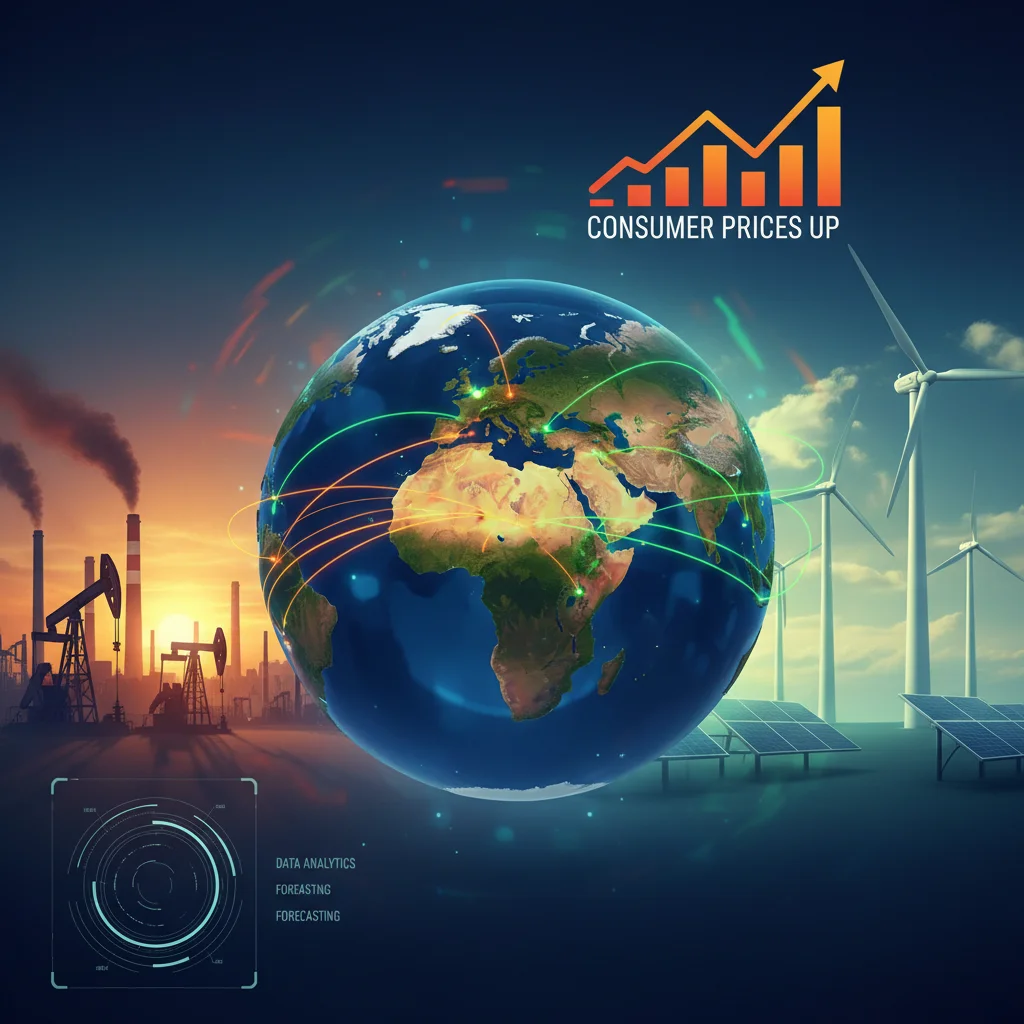
Energy Market Outlook 2026: How Shifting Global Dynamics Could Influence U.S. Consumer Prices by 10% This Year
The global energy landscape is a perpetually shifting tapestry, woven with threads of geopolitics, technological innovation, environmental mandates, and economic realities. As we look towards 2026, the Energy Market Outlook presents a complex picture, one that suggests significant implications for U.S. consumer prices. Experts are forecasting potential increases of up to 10% this year, driven by a confluence of factors that demand close examination. Understanding these dynamics is not just for industry insiders; it’s crucial for every household and business in the United States.
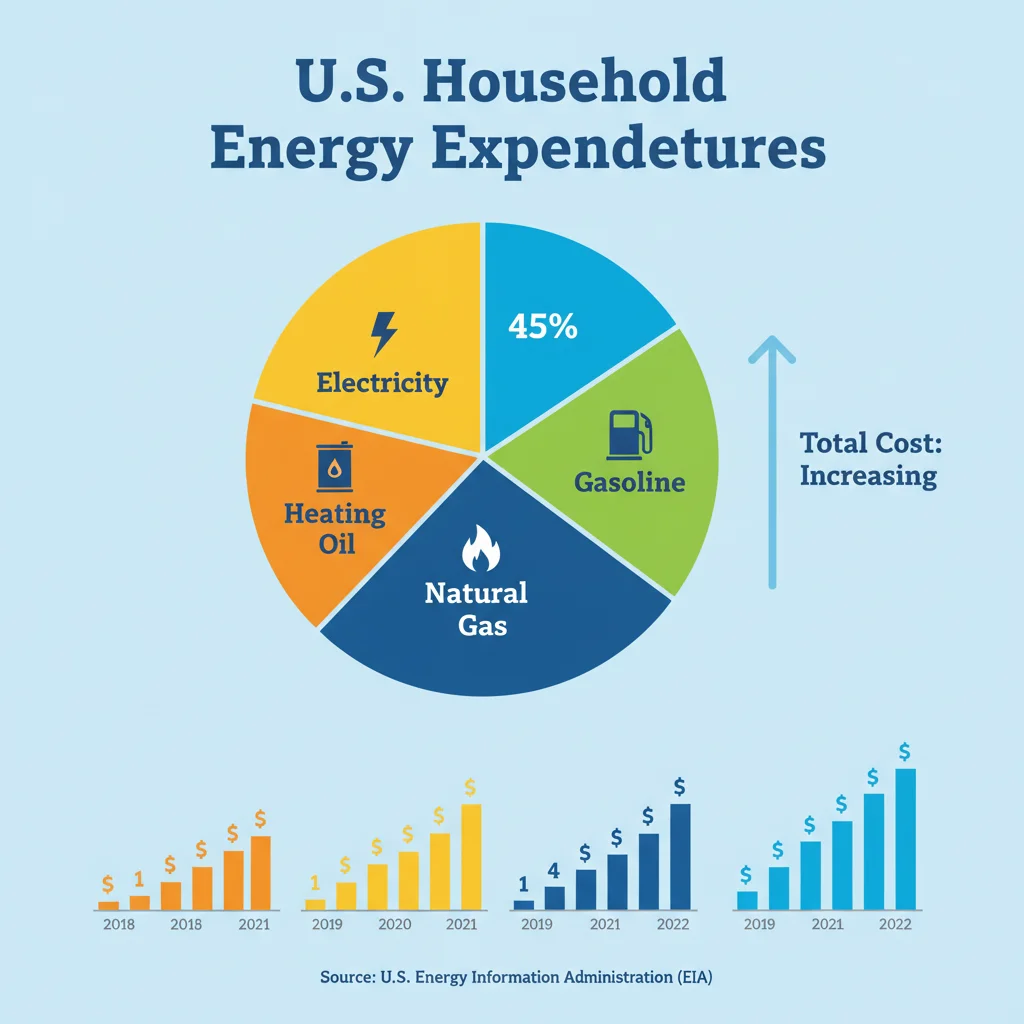
The intricate web of energy supply and demand, often taken for granted, underpins nearly every aspect of modern life. From the cost of filling up your car to heating your home, from manufacturing goods to transporting food, energy prices permeate the economy. A 10% increase, while appearing modest on paper, translates into tangible financial pressure for millions of Americans, impacting discretionary spending, savings, and overall economic stability. This comprehensive analysis delves into the key drivers shaping the 2026 Energy Market Outlook, exploring the forces that could lead to such a substantial rise in consumer costs.
Geopolitical Tensions: A Constant Variable in the Energy Equation
Geopolitics remains one of the most volatile and unpredictable elements influencing the global Energy Market Outlook. Regions rich in oil and natural gas are frequently at the epicenter of international disputes, and any instability can send shockwaves through supply chains and commodity prices. In 2026, existing tensions are likely to persist, and new flashpoints could emerge, creating significant uncertainty.
The Russia-Ukraine Conflict and European Energy Security
The ongoing conflict in Ukraine has fundamentally reshaped European energy policy, accelerating diversification efforts away from Russian fossil fuels. While Europe has made considerable strides in securing alternative supplies and investing in renewables, the global market has felt the ripple effects. The re-routing of liquefied natural gas (LNG) cargoes from Asia to Europe, for instance, created upward pressure on global natural gas prices. In 2026, the continuation of these dynamics, coupled with potential disruptions to existing pipelines or export facilities, could keep natural gas prices elevated, directly affecting U.S. consumers through increased electricity costs (as gas is a primary fuel for power generation) and industrial input costs.
Middle Eastern Instability and Oil Supply
The Middle East, home to a significant portion of the world’s proven oil reserves, is another critical region to watch. Any escalation of conflicts or political instability in major oil-producing nations could lead to supply disruptions, causing crude oil prices to spike. Even the threat of disruption can trigger speculative trading, pushing prices higher. For the U.S., which remains a major oil consumer despite its significant domestic production, higher global oil prices translate directly into higher gasoline prices at the pump and increased transportation costs for goods, contributing substantially to the forecasted 10% increase in consumer prices.
Strategic Petroleum Reserves and Global Supply Management
Governments, including the U.S., often utilize strategic petroleum reserves (SPRs) to mitigate supply shocks. However, the effectiveness of SPR releases can be limited and temporary. The long-term Energy Market Outlook depends more on stable global production and distribution. The decisions made by OPEC+ nations regarding production quotas will also play a pivotal role. Their collective ability to influence supply can either stabilize or destabilize global oil markets, making their policy meetings closely watched events for anyone concerned about energy costs.
The Pace of Energy Transition: Renewables vs. Fossil Fuels
The global push towards decarbonization and the transition to renewable energy sources is a monumental undertaking with profound implications for the 2026 Energy Market Outlook. While renewables offer long-term price stability and environmental benefits, the transition itself is not without its challenges and potential for short-term price volatility.
Investment in Renewables and Grid Modernization
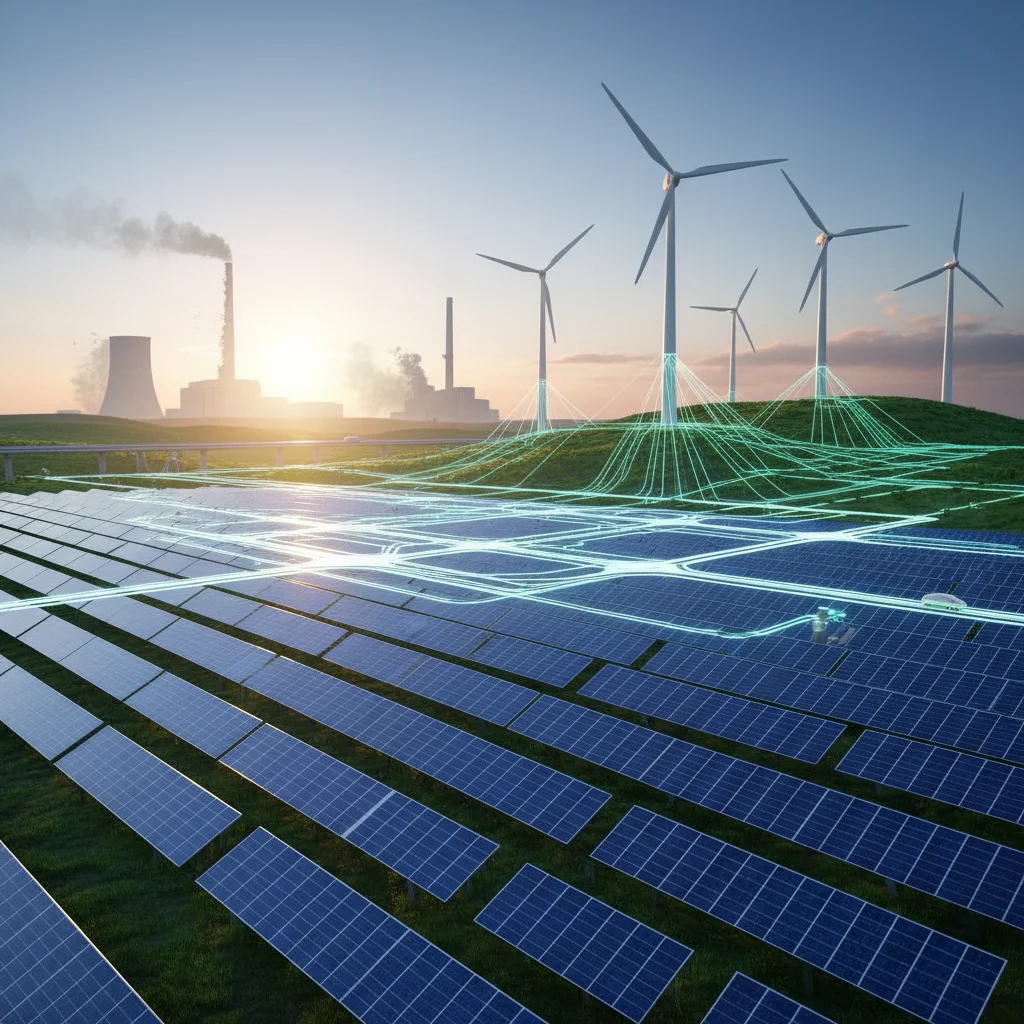
Investment in solar, wind, hydropower, and other renewable technologies continues at an unprecedented pace. However, integrating these intermittent sources into existing grids requires substantial investment in grid modernization, energy storage solutions, and transmission infrastructure. These investments, while necessary for a sustainable future, often come with upfront costs that can be passed on to consumers through utility rates. The speed and efficiency of this integration will determine how quickly the benefits of cheaper renewable generation translate into lower consumer prices.
Fossil Fuel Divestment and Supply Constraints
Paradoxically, the push away from fossil fuels can, in the short to medium term, lead to higher prices. Reduced investment in new oil and gas exploration and production, coupled with declining output from existing wells, can create supply constraints if renewable energy deployment doesn’t keep pace with demand growth. This imbalance can lead to periods of undersupply, driving up prices for the remaining fossil fuel resources. The 2026 Energy Market Outlook must balance the ambitions of the energy transition with the realities of current energy demand.
Carbon Pricing and Environmental Regulations
Increasingly, governments are implementing carbon pricing mechanisms (e.g., carbon taxes, cap-and-trade systems) and stricter environmental regulations to incentivize decarbonization. While essential for climate action, these policies can increase the operational costs for fossil fuel-based industries, which are then often passed on to consumers. The extent of such policies in the U.S. and globally in 2026 will directly influence the cost of energy and, consequently, consumer prices.
Global Economic Growth and Demand Trends
The overall health of the global economy plays a significant role in shaping the Energy Market Outlook. Economic expansion typically translates into increased energy demand, which, if not met by adequate supply, can lead to higher prices.
Post-Pandemic Recovery and Industrial Demand
While the immediate post-pandemic surge has somewhat stabilized, robust economic growth, particularly in emerging markets, continues to drive industrial activity, manufacturing, and transportation. This sustained demand places pressure on global energy supplies. If major economies experience stronger-than-expected growth in 2026, the demand for oil, natural gas, and electricity could outstrip available supply, pushing prices upwards and contributing to the anticipated 10% rise in U.S. consumer prices.
Consumer Behavior and Lifestyle Changes
Consumer behavior also plays a role. Trends such as increased air travel, greater reliance on personal vehicles, and higher consumption of energy-intensive goods can collectively boost overall energy demand. While individual choices may seem small, their aggregate impact is substantial. Conversely, greater adoption of energy-efficient technologies, public transportation, and conscious consumption could help mitigate some of the upward price pressures.
Supply Chain Vulnerabilities and Inflationary Pressures
The fragility of global supply chains, exposed vividly during recent years, continues to be a concern for the 2026 Energy Market Outlook. Disruptions in the availability of critical components, raw materials, or transportation can have a cascading effect on energy projects and costs.
Equipment and Raw Material Costs
The construction of new power plants, renewable energy facilities, and even maintenance of existing infrastructure requires a vast array of materials, from steel and copper to specialized electronics. Volatility in the prices of these raw materials, often driven by global demand or geopolitical factors, directly impacts the cost of energy production and transmission. Labor shortages in skilled trades within the energy sector can also contribute to higher project costs.
Shipping and Logistics Challenges
The cost and reliability of global shipping remain critical. Delays at ports, increased fuel costs for maritime transport, or disruptions to key shipping lanes can slow down the delivery of energy commodities (like LNG or coal) and equipment for energy projects. These logistical challenges add to the overall cost base, eventually trickling down to the consumer.
Inflation’s Broader Impact on Energy
Inflation is not just a consequence of rising energy prices; it’s also a driver. General inflationary pressures across the economy mean that the cost of doing business for energy companies—from wages to procurement—increases. These higher operational costs are then typically reflected in higher energy prices for consumers. The 2026 Energy Market Outlook needs to consider the broader macroeconomic inflationary environment.
Technological Advancements and Their Mitigating Role
While many factors point towards upward pressure on prices, technological advancements offer a beacon of hope for mitigating some of these increases and shaping a more resilient Energy Market Outlook.
Energy Efficiency and Conservation
Improvements in energy efficiency across all sectors—residential, commercial, and industrial—can significantly reduce overall demand. Smarter appliances, better insulation, LED lighting, and more efficient industrial processes mean that the same level of comfort or productivity can be achieved with less energy. Government incentives and public awareness campaigns promoting conservation can play a vital role in curbing demand growth and tempering price increases.
Advanced Energy Storage Solutions
The intermittency of renewable energy sources (sun doesn’t always shine, wind doesn’t always blow) is a challenge. However, rapid advancements in battery storage technologies, pumped hydro, and other forms of energy storage are making renewables more dispatchable and reliable. As storage costs continue to fall, it will become easier and cheaper to integrate a higher percentage of renewables into the grid, eventually leading to more stable and potentially lower electricity prices.
Nuclear Energy and Small Modular Reactors (SMRs)
Nuclear energy, a carbon-free baseload power source, is experiencing a resurgence of interest. The development of Small Modular Reactors (SMRs) promises to make nuclear power more flexible, safer, and potentially more cost-effective to deploy. If SMRs gain traction and are deployed at scale by 2026 and beyond, they could provide a significant source of stable, emissions-free electricity, helping to diversify the energy mix and reduce reliance on volatile fossil fuel markets.
Policy Responses and Consumer Strategies
Given the potential for a 10% increase in U.S. consumer prices due to the 2026 Energy Market Outlook, what can policymakers and individual consumers do to prepare and adapt?
Governmental Policies and Subsidies
Governments can implement a range of policies to mitigate the impact of rising energy costs. These include targeted subsidies for low-income households, investment in energy efficiency programs, tax credits for renewable energy adoption, and strategic investments in critical energy infrastructure. Long-term energy planning, focusing on diversification of supply and grid resilience, is paramount.
International Cooperation and Dialogue
Addressing global energy challenges requires international cooperation. Dialogue between major energy-producing and consuming nations can help stabilize markets, prevent supply shocks, and foster collaborative solutions for energy security and climate action. Diplomatic efforts to de-escalate geopolitical tensions are also crucial for a stable Energy Market Outlook.
Consumer-Level Adaptations
For individual consumers, proactive measures can help cushion the blow of rising prices. These include:
- Energy Audits: Identifying areas of energy waste in homes and implementing improvements.
- Smart Home Technology: Utilizing smart thermostats and energy management systems to optimize consumption.
- Renewable Energy Adoption: Investing in rooftop solar where feasible, or choosing green energy plans from utility providers.
- Transportation Choices: Considering electric vehicles, carpooling, public transport, or more fuel-efficient vehicles.
- Budgeting and Financial Planning: Adjusting household budgets to account for potentially higher energy expenditures.
The Role of Data and Forecasting in the Energy Market Outlook
Accurate data collection and sophisticated forecasting models are indispensable tools for navigating the complexities of the 2026 Energy Market Outlook. Energy analysts, economists, and policymakers rely on these insights to make informed decisions.
Predictive Analytics and AI
The use of predictive analytics and artificial intelligence is becoming increasingly sophisticated in energy forecasting. These tools can process vast amounts of data, including weather patterns, geopolitical events, economic indicators, and historical price trends, to generate more accurate predictions about future energy supply, demand, and prices. This allows for better preparation and response to potential market shifts.
Transparency and Market Information
Greater transparency in energy markets, through timely and reliable reporting of production, consumption, and inventory levels, can help reduce uncertainty and volatility. Access to robust market information empowers businesses and consumers to make more informed decisions, fostering a more efficient and stable energy ecosystem.
Long-Term Energy Vision Beyond 2026
While our focus remains on the 2026 Energy Market Outlook and its immediate impact on U.S. consumer prices, it’s crucial to place these short-term forecasts within a broader long-term vision. The transition to a sustainable, secure, and affordable energy future extends far beyond a single year.
Decarbonization Pathways
The trajectory of global decarbonization efforts will largely define the energy landscape for decades to come. This involves not only scaling up renewable energy but also developing carbon capture technologies, promoting energy efficiency across all sectors, and exploring alternative fuels like green hydrogen. The choices made today in these areas will profoundly influence future energy costs and environmental outcomes.
Energy Security in a Changing World
As geopolitical landscapes evolve and energy sources diversify, the concept of energy security also shifts. It moves beyond securing fossil fuel supplies to ensuring the resilience of smart grids, protecting against cyber threats to energy infrastructure, and maintaining a diverse portfolio of domestic and international energy sources. A robust Energy Market Outlook for the long term must prioritize diversified and secure energy systems.
Innovation and Research & Development
Continued investment in energy research and development is vital. Breakthroughs in areas like fusion power, advanced battery chemistry, grid-scale storage, and novel energy generation methods could fundamentally alter the energy equation, potentially offering solutions to both climate change and energy affordability. Fostering an environment that encourages innovation will be key to shaping a positive Energy Market Outlook.
Conclusion: Navigating the Complexities of the 2026 Energy Market Outlook
The 2026 Energy Market Outlook points towards a challenging period for U.S. consumers, with potential energy price increases of up to 10% driven by a complex interplay of geopolitical tensions, the ongoing energy transition, global economic dynamics, and supply chain vulnerabilities. While these factors present significant headwinds, technological advancements in energy efficiency and storage, alongside strategic policy responses, offer pathways to mitigate the impact.
Understanding these intricate forces is the first step towards resilience. Both policymakers and individual consumers have roles to play in adapting to and shaping the future energy landscape. By embracing energy efficiency, investing in sustainable solutions, and advocating for stable and forward-thinking energy policies, we can collectively work towards a more secure, affordable, and sustainable energy future, even amidst the complexities of the evolving global Energy Market Outlook.
The journey ahead will require adaptability, foresight, and a concerted effort to balance immediate energy needs with long-term environmental and economic goals. The 10% potential increase in U.S. consumer prices serves as a stark reminder of the interconnectedness of global energy markets and the direct impact they have on everyday lives. Preparing for these shifts now will be crucial for navigating the energy landscape of 2026 and beyond.