ACA Subsidies 2026: Navigating Premium Tax Credits & Cost-Sharing Reductions

The landscape of healthcare in the United States is constantly evolving, and a significant part of that evolution centers around the Affordable Care Act (ACA). As we look ahead to 2026, understanding the nuances of ACA Subsidies 2026 becomes paramount for millions of Americans seeking affordable health insurance. These subsidies, primarily in the form of Premium Tax Credits (PTCs) and Cost-Sharing Reductions (CSRs), are designed to lower the financial burden of health coverage, making essential care accessible to a broader population. This comprehensive guide will delve into what you can expect from these critical financial aids, who is eligible, and how to navigate the system to maximize your savings.
The ACA, often referred to as Obamacare, was enacted in 2010 with the goal of expanding health insurance coverage. A cornerstone of its success has been the provision of financial assistance to help individuals and families afford their monthly premiums and out-of-pocket costs. While the specifics of these subsidies can be complex and subject to legislative changes, the fundamental principles remain consistent: they are income-based and designed to ensure that healthcare premiums do not consume an unreasonable portion of a household’s income.
For those planning their healthcare budgets for 2026, understanding the potential availability and scope of ACA Subsidies 2026 is crucial. Whether you’re currently enrolled in an ACA plan, considering enrolling for the first time, or simply want to stay informed about healthcare policy, this article aims to provide clarity and actionable insights.
Understanding the Core of ACA Subsidies: Premium Tax Credits (PTCs)
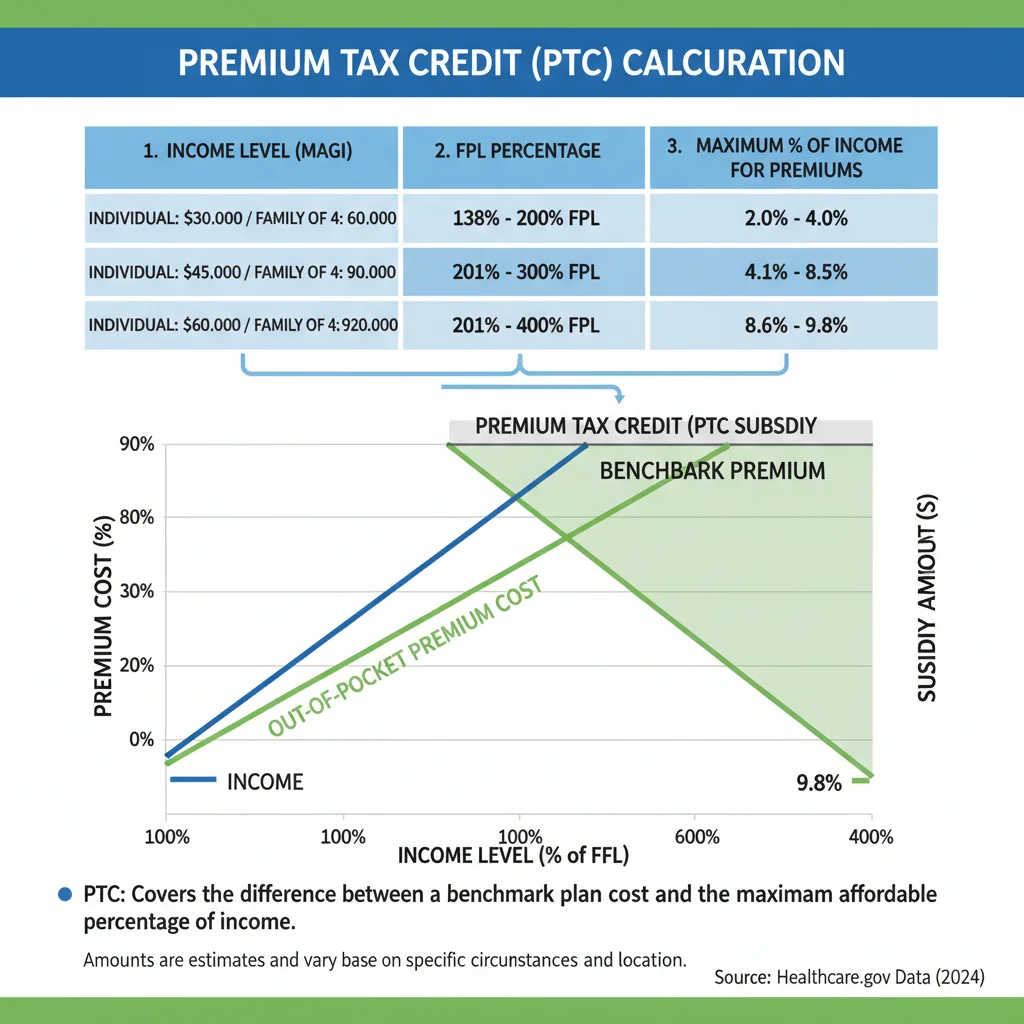
Premium Tax Credits (PTCs) are the most widely utilized form of financial assistance under the ACA. These credits help eligible individuals and families pay for their monthly health insurance premiums purchased through the Health Insurance Marketplace (also known as the exchange). The amount of your PTC is primarily determined by your household income relative to the Federal Poverty Line (FPL), the cost of the benchmark silver plan in your area, and the number of people in your household.
How Premium Tax Credits Work
PTCs can be taken in advance, directly reducing your monthly premium payments, or claimed at the end of the year when you file your federal income taxes. Most people opt for the advance payment option to benefit from lower monthly costs immediately. The government pays your chosen amount directly to your insurance provider, and you pay the difference.
Eligibility Criteria for PTCs in 2026
To qualify for PTCs in 2026, you generally must meet several conditions:
- Household Income: Your household income must fall within a certain range relative to the FPL. Historically, this has been between 100% and 400% of the FPL. However, temporary enhancements made through legislation like the American Rescue Plan Act (ARPA) and the Inflation Reduction Act (IRA) have eliminated the upper income limit for PTC eligibility, ensuring that no one pays more than 8.5% of their household income for a benchmark silver plan. While these enhancements are currently set to expire at the end of 2025, there is ongoing legislative discussion about extending them. The specifics for ACA Subsidies 2026 will depend on future congressional action.
- Not Eligible for Other Coverage: You cannot be eligible for other minimum essential coverage, such as Medicaid, CHIP, Medicare, or affordable employer-sponsored health insurance. Employer-sponsored coverage is considered affordable if the employee’s share of the premium for self-only coverage is less than a certain percentage (which adjusts annually) of their household income. The ‘family glitch’ was also addressed by recent legislation, allowing family members to qualify for PTCs even if the employee’s self-only coverage is affordable but family coverage is not.
- File Jointly (if married): If you are married, you generally must file a joint tax return to be eligible for PTCs.
- No Incarceration: You cannot be incarcerated.
Calculating Your Potential PTC for 2026
The calculation of your PTC is dynamic and depends on several factors that can fluctuate. The Marketplace uses a sliding scale: the lower your income, the larger your credit will be. The benchmark plan is the second-lowest cost silver plan available in your area through the Marketplace. Your expected contribution towards the premium is capped at a certain percentage of your income, and the PTC makes up the difference between your capped contribution and the benchmark plan’s premium.
For example, if the benchmark plan costs $500 per month, and your income dictates that you should only pay 5% of your income, which amounts to $200 per month, your PTC would be $300 ($500 – $200). You would then pay $200 directly to the insurer, and the government would pay the remaining $300.
It’s crucial to accurately estimate your household income when applying for ACA Subsidies 2026. If your actual income at the end of the year differs significantly from your estimate, you may have to repay some of the credit (if your income was higher) or receive a larger credit (if your income was lower) when you file your taxes.
Cost-Sharing Reductions (CSRs): Reducing Out-of-Pocket Costs
Beyond helping with monthly premiums, the ACA also offers Cost-Sharing Reductions (CSRs) to eligible individuals. Unlike PTCs, which lower your monthly premiums, CSRs reduce the amount you have to pay out-of-pocket when you use your health insurance. This includes lower deductibles, co-payments, and co-insurance, as well as a lower out-of-pocket maximum.
How CSRs Work
CSRs are automatically applied to certain silver plans for those who qualify. You don’t apply for them separately; if you’re eligible, you’ll see silver plans with enhanced benefits (sometimes called ‘silver plans with CSRs’ or ‘enhanced silver plans’) in the Marketplace. These plans effectively offer better coverage for the same premium as a standard silver plan.
Eligibility Criteria for CSRs in 2026
Eligibility for CSRs is tied to your household income relative to the FPL:
- Income between 100% and 250% FPL: Individuals and families with incomes in this range are typically eligible for CSRs.
- Enrollment in a Silver Plan: You must enroll in a silver-level health plan through the Marketplace. CSRs are only available with silver plans, as these plans are designed to provide a standard level of coverage that can be enhanced for eligible individuals.
It’s important to note that while the income thresholds for PTCs have been temporarily expanded, the income thresholds for CSRs have generally remained consistent. Therefore, even if you qualify for PTCs with a higher income due to recent legislation, you might not qualify for CSRs unless your income is below 250% of the FPL. This distinction is crucial for understanding your total potential savings under ACA Subsidies 2026.
Impact of CSRs on Your Healthcare Costs
The benefits of CSRs are significant. For example, a standard silver plan might have a deductible of several thousand dollars, but an enhanced silver plan for someone eligible for CSRs could have a deductible of just a few hundred dollars, or even zero. Similarly, co-pays for doctor visits or prescription drugs would be substantially lower. This makes accessing medical care much more affordable throughout the year, not just at the time of enrollment.
The Future of ACA Subsidies Beyond 2025: What to Expect for 2026
A critical aspect of planning for ACA Subsidies 2026 is understanding the legislative context. The enhanced subsidies introduced by ARPA and extended by the IRA are currently set to expire at the end of 2025. These enhancements significantly increased the affordability of ACA plans by:
- Eliminating the income cap for PTC eligibility (previously 400% FPL).
- Reducing the percentage of household income individuals are expected to pay for their benchmark silver plan.
If these enhancements are not extended by Congress, the rules for ACA Subsidies 2026 would revert to their pre-2021 structure. This would mean:
- The 400% FPL income cap for PTC eligibility would be reinstated. Individuals with incomes above this threshold would no longer qualify for premium assistance.
- The maximum percentage of income individuals are expected to pay for their benchmark plan would increase. This would lead to higher monthly premiums for many enrollees, even those who remain eligible for subsidies.
The potential expiration of these enhancements is a major point of discussion among policymakers and healthcare advocates. Many are pushing for their extension or permanent establishment, arguing that they have been crucial in expanding coverage and reducing the uninsured rate. However, the outcome remains uncertain. As 2025 progresses, it will be essential to monitor legislative developments closely to understand the final framework for ACA Subsidies 2026.
Navigating the Marketplace for 2026 Enrollment
Regardless of the specific legislative outcomes, the process of enrolling in an ACA plan and applying for subsidies will largely remain the same. The Health Insurance Marketplace (HealthCare.gov or your state’s exchange) is the primary portal for individuals and families to explore plans and apply for financial assistance.
Key Steps for Enrollment
- Gather Your Information: Before you begin, collect necessary documents such as income statements (pay stubs, tax returns), Social Security Numbers for all household members, and information about any employer-sponsored coverage available.
- Create an Account: Visit HealthCare.gov or your state’s Marketplace website to create an account.
- Complete the Application: Fill out the application with accurate information about your household, income, and any existing health coverage. This information is used to determine your eligibility for ACA Subsidies 2026.
- Review Eligibility Results: After submitting your application, you’ll receive an eligibility determination, informing you of the PTC and CSR amounts you qualify for.
- Compare Plans: Browse the available health plans in your area. The Marketplace will clearly show the net premium after your PTC is applied, and which plans offer CSRs. Pay attention to plan categories (Bronze, Silver, Gold, Platinum), deductibles, co-pays, and provider networks. Remember, to receive CSRs, you must select a silver-level plan.
- Enroll: Once you’ve chosen a plan, complete the enrollment process.
Open Enrollment for 2026 typically begins on November 1, 2025, and runs through January 15, 2026. However, it’s always wise to enroll early to ensure your coverage starts on January 1st.

Tips for Maximizing Your ACA Subsidies in 2026
To ensure you get the most out of ACA Subsidies 2026, consider these strategic tips:
1. Accurately Estimate Your Income
Your income estimate is the most critical factor in determining your subsidy amount. If your income changes during the year, update your Marketplace application immediately. This prevents potential issues at tax time, such as owing money back if you received too much in advance PTCs or missing out on additional credits if your income decreased.
2. Understand Your Household Composition
The number of people in your tax household significantly impacts your FPL percentage and, consequently, your subsidy eligibility. Ensure all dependents and relevant household members are accurately reported on your application.
3. Choose the Right Plan Category
If you qualify for CSRs, enrolling in a silver-level plan is essential to receive those benefits. While bronze plans often have lower premiums, they typically come with higher deductibles and out-of-pocket costs. A silver plan with CSRs can offer a much better value, providing lower out-of-pocket costs for a similar or even lower net premium after PTCs.
4. Reconcile Your Premium Tax Credit at Tax Time
Even if you receive advance PTCs, you must file Form 8962, Premium Tax Credit (PTC), with your federal income tax return. This form reconciles the amount of advance PTCs you received with the actual amount you were eligible for based on your final income. Failing to do so can affect your eligibility for future subsidies.
5. Seek Assistance from Navigators or Certified Enrollers
The Marketplace offers free assistance from trained navigators and certified application counselors. These individuals can help you understand your options, estimate your income, compare plans, and complete the enrollment process. Their expertise can be invaluable in navigating the complexities of ACA Subsidies 2026.
6. Stay Informed About Legislative Changes
As mentioned, the future of the enhanced subsidies beyond 2025 is subject to legislative action. Keep an eye on news from HealthCare.gov, reputable healthcare policy organizations, and government sources to stay updated on any changes that might affect your eligibility or the amount of your subsidies for 2026.
The Broader Impact of ACA Subsidies
The continued availability of ACA Subsidies 2026 is more than just a matter of personal finance; it has a profound impact on public health and economic stability. By making health insurance more affordable, subsidies help reduce the number of uninsured Americans, leading to better health outcomes, reduced medical debt, and a more stable healthcare system overall.
When individuals have access to affordable health insurance, they are more likely to seek preventive care, manage chronic conditions, and receive timely treatment for illnesses. This not only improves their quality of life but also reduces the strain on emergency rooms, which often bear the brunt of care for the uninsured. Furthermore, the financial protection offered by subsidies means that a sudden illness or accident is less likely to lead to devastating medical bills and bankruptcy.
The debate over the future of ACA subsidies is therefore a debate about the future of healthcare access and affordability for millions. As 2026 approaches, the decisions made by policymakers will directly influence the financial health and physical well-being of a significant portion of the U.S. population.
Conclusion
Preparing for ACA Subsidies 2026 requires a proactive approach, staying informed about eligibility criteria, and accurately assessing your household’s financial situation. Premium Tax Credits and Cost-Sharing Reductions remain vital tools for making health insurance affordable and accessible. While the legislative landscape for 2026 is still taking shape, the fundamental mechanisms for applying for and benefiting from these subsidies will likely continue.
By understanding how PTCs and CSRs work, carefully navigating the Health Insurance Marketplace, and taking advantage of available assistance, you can ensure that you and your family secure the affordable, comprehensive health coverage you need. Stay engaged with official sources for the latest updates, and be ready to make informed decisions during the Open Enrollment period to maximize your healthcare savings for the coming year.