The Energy Market in 2026: Forecasting Oil Prices and Their 7% Impact on U.S. Economy
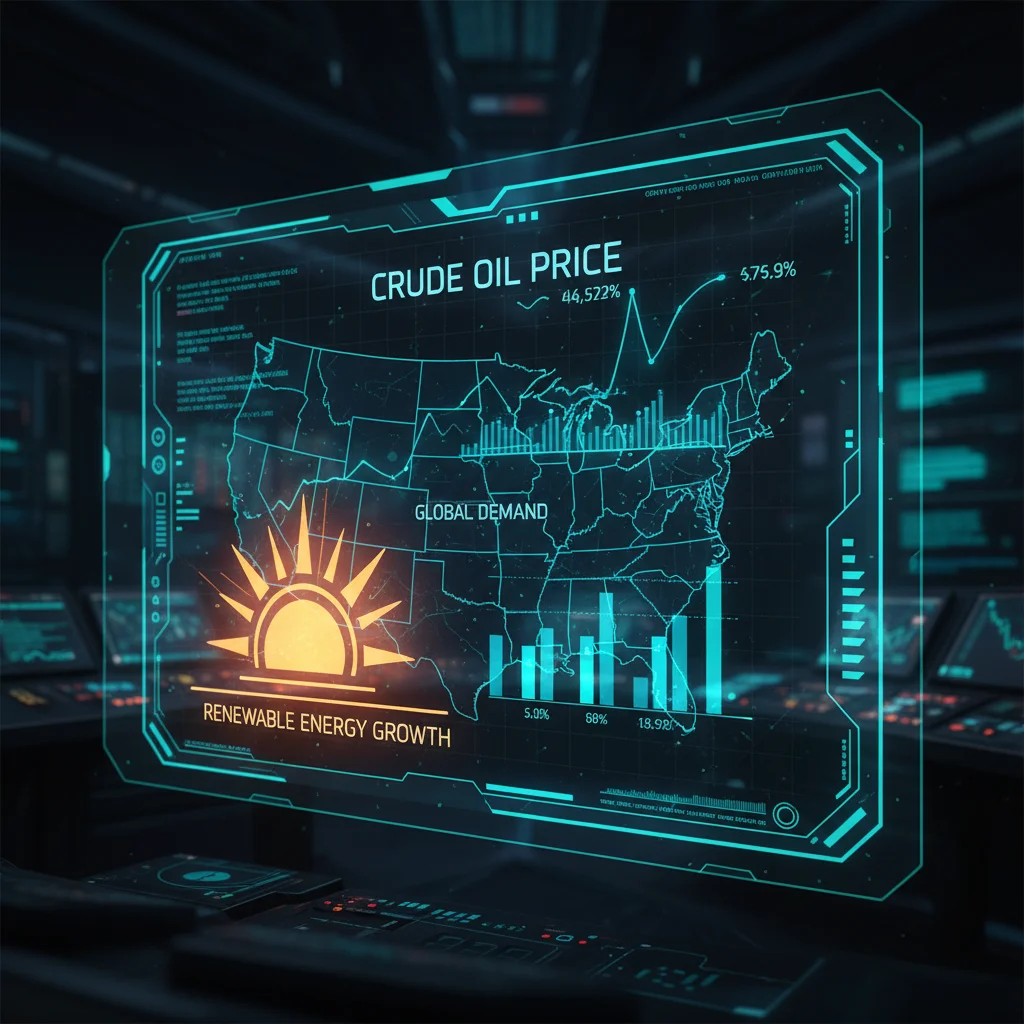
The global energy landscape is a dynamic and ever-evolving mosaic, profoundly influenced by geopolitical shifts, technological advancements, and the inexorable march towards sustainability. As we look ahead to 2026, forecasting oil price forecast becomes not just an academic exercise but a critical endeavor for businesses, governments, and consumers worldwide. The ripple effects of oil price fluctuations are vast, with even a seemingly modest 7% shift having the potential to significantly reshape the economic trajectory of nations, none more so than the United States, a major consumer and producer.
Understanding the Volatility: Key Drivers of the 2026 Oil Price Forecast
Forecasting oil prices is akin to predicting the weather – an intricate dance of numerous variables, each capable of altering the outcome. For 2026, several fundamental drivers will continue to shape the global oil price forecast:
Geopolitical Instability and Supply Disruptions
History has repeatedly shown that geopolitical tensions are perhaps the most potent catalyst for oil price volatility. Conflicts in key oil-producing regions, political instability, or even trade disputes can lead to immediate supply disruptions, sending prices soaring. The Middle East, with its vast oil reserves, remains a perennial flashpoint. Any escalation in existing conflicts or the emergence of new ones could drastically impact global supply, pushing the oil price forecast upwards. Similarly, sanctions imposed on major oil producers or political upheavals in countries like Venezuela or Nigeria could create significant supply bottlenecks.
Global Economic Growth and Demand
The health of the global economy is inextricably linked to oil demand. Robust economic growth, particularly in emerging markets like China and India, typically translates to higher demand for crude oil, driving prices up. Conversely, an economic slowdown or recession can lead to a significant drop in demand, putting downward pressure on prices. As we approach 2026, the post-pandemic recovery, coupled with ongoing inflationary pressures and potential interest rate adjustments by central banks, will play a crucial role in shaping global economic growth. The pace of industrialization, urbanization, and transportation needs in developing economies will be a critical factor in determining the overall demand for oil.
OPEC+ Production Policies
The Organization of the Petroleum Exporting Countries and its allies (OPEC+) wield significant influence over global oil supply. Their decisions regarding production quotas can single-handedly move markets. In 2026, the cohesion and strategic objectives of OPEC+ will be paramount. Will they prioritize market stability, or will internal disagreements lead to uncoordinated production increases or cuts? Their ability to react to market conditions and maintain a delicate balance between supply and demand will be a key determinant of the oil price forecast.
The Rise of Renewable Energy and Energy Transition
While still a nascent force compared to fossil fuels, renewable energy sources are rapidly gaining traction. Government policies promoting decarbonization, advancements in battery technology, and increasing consumer adoption of electric vehicles (EVs) are beginning to chip away at traditional oil demand. By 2026, the pace of this energy transition could have a more noticeable impact on long-term oil demand projections. While it may not cause a sudden collapse in prices, the sustained growth of renewables could cap the upside potential for oil prices and introduce a new layer of complexity to the oil price forecast.
Technological Advancements in Extraction
Innovations in oil extraction technologies, such as advanced fracking techniques and offshore drilling capabilities, can increase supply and potentially lower production costs. If these technologies become more widespread and efficient, they could contribute to a more abundant global supply, which would naturally influence the oil price forecast. However, environmental concerns and regulatory hurdles often temper the widespread adoption of some of these technologies.
The 7% Impact on the U.S. Economy: A Detailed Analysis
A 7% shift in oil prices, whether an increase or decrease, would send significant ripples through the U.S. economy. Understanding these impacts is crucial for policymakers, businesses, and individuals alike.
Impact of a 7% Oil Price Increase
Inflationary Pressures
An increase in oil prices directly translates to higher costs for transportation, manufacturing, and agriculture. Fuel is a primary input for almost all goods and services. This increased cost is often passed on to consumers in the form of higher prices for everything from groceries to electronics, contributing to overall inflation. The Federal Reserve would face increased pressure to manage inflation, potentially leading to further interest rate hikes, which could slow economic growth.
Reduced Consumer Spending
When gasoline prices rise, households have less disposable income for other goods and services. This reduction in consumer spending, which is a major driver of the U.S. economy, can slow down economic activity across various sectors, from retail to hospitality. People might delay large purchases, reduce leisure travel, and generally tighten their belts, leading to a ripple effect of decreased demand.
Higher Business Costs and Lower Profits
Businesses, especially those heavily reliant on logistics and transportation, would see their operating costs increase significantly. This could squeeze profit margins, forcing companies to either absorb the costs, pass them on to consumers (further fueling inflation), or reduce investments and hiring. Industries such as airlines, trucking, and manufacturing would be particularly vulnerable to these rising input costs.
Sectoral Disparities
While most sectors would face headwinds, the U.S. domestic oil and gas industry could see a boost. Higher prices would incentivize increased production, leading to job creation and investment in energy-producing regions. However, this positive impact would likely be localized and outweighed by the broader negative effects on the consumer-driven economy.
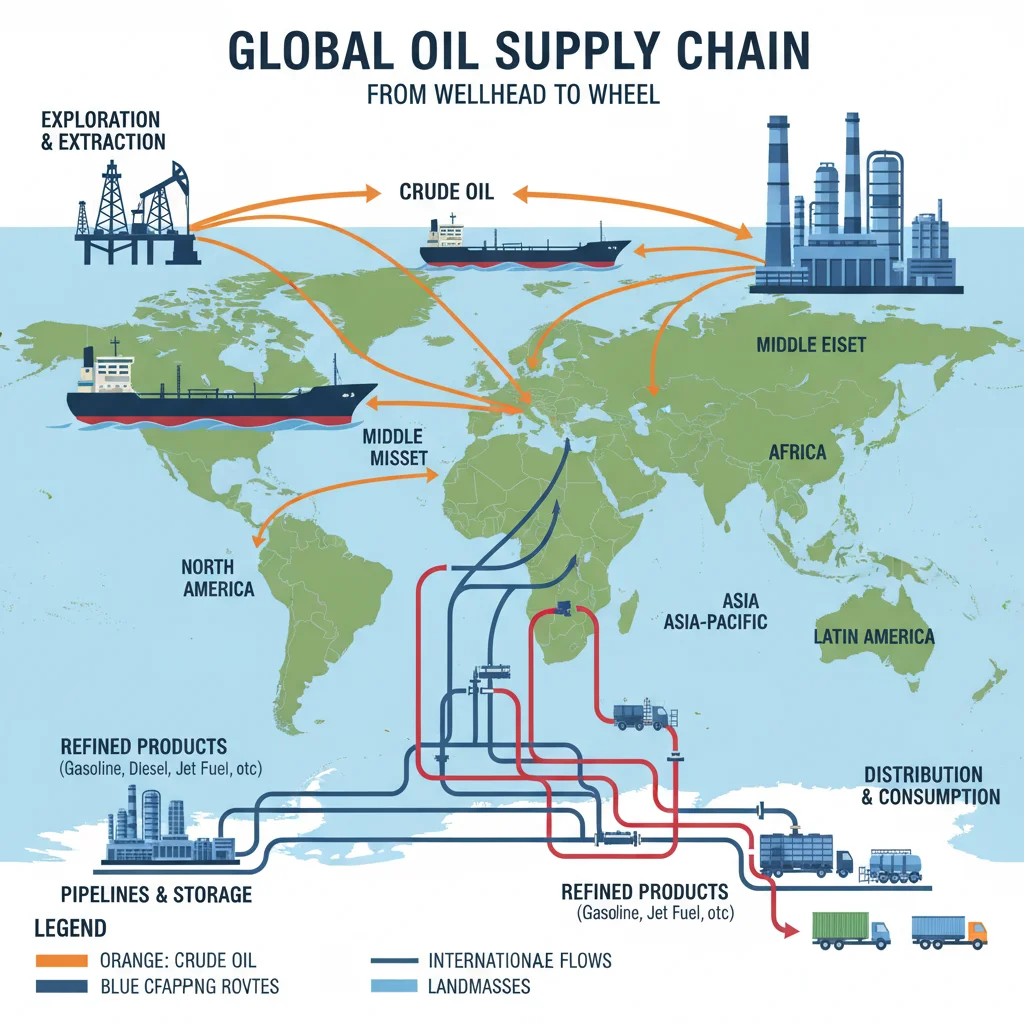
Impact of a 7% Oil Price Decrease
Conversely, a 7% decrease in oil prices would put more money back into consumers’ pockets. Lower gasoline prices mean less spent at the pump, freeing up disposable income for other purchases. This could stimulate retail sales, boost the travel and hospitality sectors, and generally provide a tailwind for economic growth.
Lower Business Costs and Increased Profits
Businesses would benefit from reduced transportation and operational costs. This could lead to improved profit margins, encouraging investment, expansion, and potentially hiring. Industries like manufacturing, retail, and logistics would see a direct positive impact, leading to greater efficiency and competitiveness.
Reduced Inflationary Pressures
Lower energy costs would help temper overall inflation, providing relief to consumers and potentially reducing the need for aggressive monetary policy tightening by the Federal Reserve. This could create a more stable economic environment, fostering confidence and encouraging long-term planning.
Challenges for Domestic Producers
While beneficial for the broader economy, a significant drop in oil prices could pose challenges for U.S. domestic oil and gas producers. Lower prices might make some extraction projects less profitable, leading to reduced investment, potential job losses in the energy sector, and a slowdown in shale oil production. This highlights the complex interplay between different segments of the economy.
Forecasting Methodologies: How Experts Predict the 2026 Oil Price Forecast
Oil price forecasting is a sophisticated discipline that employs a variety of methodologies. Experts often combine several approaches to arrive at their oil price forecast:
Fundamental Analysis
This approach focuses on the underlying supply and demand dynamics of the oil market. Analysts examine factors such as global economic growth forecasts, inventory levels, OPEC+ production quotas, non-OPEC supply projections (e.g., U.S. shale), geopolitical risks, and the pace of renewable energy adoption. By understanding these fundamental drivers, they attempt to predict future imbalances that could push prices up or down.
Technical Analysis
Technical analysts study historical price patterns and trading volumes to identify trends and predict future price movements. They use charts, indicators, and statistical models to find support and resistance levels, momentum, and volatility. While not always predictive of fundamental shifts, technical analysis can offer insights into market sentiment and short-term price behavior.
Econometric Models
These are complex statistical models that use historical data to identify relationships between oil prices and various economic indicators, such as GDP growth, inflation, interest rates, and currency exchange rates. Econometric models can help quantify the impact of different variables and provide probabilistic forecasts, offering a more data-driven approach to the oil price forecast.
Scenario Planning
Given the inherent uncertainties in the oil market, many forecasters use scenario planning. This involves developing multiple plausible future scenarios (e.g., high economic growth with limited supply, global recession with abundant supply, rapid energy transition) and then analyzing the potential oil price outcomes under each scenario. This approach helps in understanding the range of possibilities and preparing for different eventualities.
Expert Surveys and Consensus Forecasts
Many organizations conduct surveys of leading energy analysts, economists, and industry experts. The aggregation of these individual forecasts can provide a consensus view, which often serves as a benchmark for market expectations. While not a predictive model in itself, it reflects the collective wisdom and insights of those deeply immersed in the energy sector.
The Role of Renewable Energy in the 2026 Oil Price Forecast
The accelerating transition to renewable energy sources is a structural shift that will increasingly influence the long-term oil price forecast. While oil demand is not expected to plummet overnight, the growth of renewables introduces a significant new dynamic.
Decarbonization Targets and Government Policies
Many nations, including the U.S., have set ambitious decarbonization targets. These targets are backed by government policies, subsidies, and regulations aimed at promoting renewable energy generation, energy efficiency, and the adoption of electric vehicles. By 2026, these policies will have matured further, potentially accelerating the displacement of fossil fuels in electricity generation and transportation.
Technological Advancements and Cost Reductions
The cost of solar and wind power has fallen dramatically over the past decade, making them increasingly competitive with fossil fuels. Continued advancements in battery storage technology are addressing the intermittency challenges of renewables, making them more reliable. By 2026, further cost reductions and technological breakthroughs could make renewables an even more attractive option, reducing reliance on oil for power generation and potentially for certain transportation segments.
Electric Vehicle Adoption
The global shift towards electric vehicles (EVs) is a critical factor. As more consumers and commercial fleets adopt EVs, demand for gasoline will gradually decline. While the impact by 2026 might still be relatively modest in terms of overall oil demand, the trajectory is clear. The speed of EV adoption, influenced by charging infrastructure development, battery costs, and government incentives, will be a key variable in the long-term oil price forecast.
Impact on Oil Demand Growth
The primary impact of renewables on the oil price forecast for 2026 will likely be a moderation of demand growth. While overall global oil demand might still increase due to population growth and economic expansion in developing countries, the rate of increase will be slower than it would be without the rise of renewables. This slower growth could reduce the likelihood of extreme price spikes driven by demand surges and contribute to a more stable, albeit potentially lower, price environment in the long run.

Challenges and Uncertainties in the 2026 Oil Price Forecast
Despite sophisticated models and expert analysis, significant challenges and uncertainties cloud the 2026 oil price forecast.
Unpredictable Geopolitical Events
Major geopolitical events, such as new conflicts, coups, or significant policy shifts by major powers, are inherently unpredictable but can have immediate and dramatic effects on oil prices. The ongoing war in Ukraine is a stark reminder of how quickly the energy landscape can change due to such events.
Pace of Economic Recovery and Global Recessions
The global economy’s trajectory remains uncertain. Persistent inflation, aggressive interest rate hikes, and lingering supply chain issues could trigger a global recession, severely depressing oil demand and prices. Conversely, a stronger-than-expected recovery could boost demand beyond current projections.
Effectiveness of OPEC+ Policies
The ability of OPEC+ to maintain unity and effectively manage supply will be crucial. Internal disagreements, compliance issues among members, or external pressures could disrupt their coordinated efforts, leading to market volatility.
Technological Breakthroughs and Disruptions
While anticipated, the exact timing and impact of technological breakthroughs in energy storage, carbon capture, or even new extraction methods are difficult to predict. A rapid acceleration in any of these areas could significantly alter the supply-demand balance.
Climate Policy Changes
More stringent climate policies or a sudden global consensus on aggressive carbon reduction targets could accelerate the energy transition, leading to a faster decline in oil demand than currently projected. Conversely, a slowdown in climate action could prolong reliance on fossil fuels.
Conclusion: Navigating the Complexities of the 2026 Energy Market
The oil price forecast for 2026 is a complex tapestry woven from geopolitical threads, economic indicators, technological advancements, and the burgeoning influence of renewable energy. While a precise prediction remains elusive, the analysis suggests a market characterized by continued volatility and an increasing interplay between traditional fossil fuel dynamics and the accelerating energy transition.
A 7% shift in oil prices, whether up or down, will undeniably have a substantial impact on the U.S. economy, affecting everything from consumer purchasing power and inflation rates to industrial production and investment decisions. An increase would likely fuel inflationary pressures, dampen consumer spending, and increase business costs, while a decrease would offer economic relief, boost consumption, and reduce inflationary concerns, albeit potentially challenging domestic producers.
Stakeholders must remain agile and prepared for a range of scenarios. Businesses need to build resilience against price shocks, diversify supply chains, and explore energy efficiency measures. Governments must balance energy security with climate goals, implementing policies that support a smooth transition while mitigating economic disruption. Consumers, in turn, should be mindful of energy consumption and consider adopting more sustainable practices.
As 2026 approaches, the global energy market will continue to be a focal point of economic and political discourse. Understanding the forces at play and their potential ramifications is essential for navigating the complexities and seizing the opportunities presented by this evolving landscape. The journey towards a more sustainable energy future is underway, and the oil price forecast for 2026 will be a critical indicator of its pace and direction.