Elderly & Disabled Housing Programs 2026: Accessible Living & Support
Elderly and Disabled Housing Programs 2026: New Opportunities for Accessible Living and Support Services
As we step into 2026, the landscape of housing options for elderly and disabled individuals continues to evolve, bringing forth new and exciting opportunities for accessible living and comprehensive support services. The demand for safe, affordable, and inclusive housing is at an all-time high, driven by an aging global population and a growing recognition of the rights and needs of people with disabilities. This shift has prompted governments, non-profit organizations, and private developers to innovate and expand their offerings, making accessible housing programs a cornerstone of modern social policy. This extensive guide will delve into the critical aspects of these programs, exploring the latest trends, available resources, and what individuals and their families can expect in the coming year.
The journey to finding suitable housing can often be complex and overwhelming. For elderly individuals, the need for housing that accommodates declining mobility, provides easy access to healthcare, and fosters a sense of community is paramount. Similarly, for people with disabilities, housing must transcend mere shelter; it must be a foundation for independence, dignity, and full participation in society. This requires not only physical accessibility but also integrated support services, such as personal care, transportation, and social engagement opportunities. Understanding the myriad of options available under accessible housing programs is the first step towards securing a living situation that truly meets these diverse needs.
In 2026, we are witnessing a significant push towards more person-centered approaches in housing. This means a greater emphasis on individual preferences, choices, and the ability to age in place or live independently with the necessary accommodations. Technology plays an increasingly vital role, with smart home solutions and assistive devices becoming more common in accessible residences. Furthermore, the collaboration between housing providers, healthcare systems, and community service organizations is strengthening, creating a more holistic support ecosystem for residents. This article aims to illuminate these developments, providing a roadmap for navigating the various accessible housing programs designed to enhance the quality of life for seniors and individuals with disabilities.
Understanding the Core Principles of Accessible Housing Programs
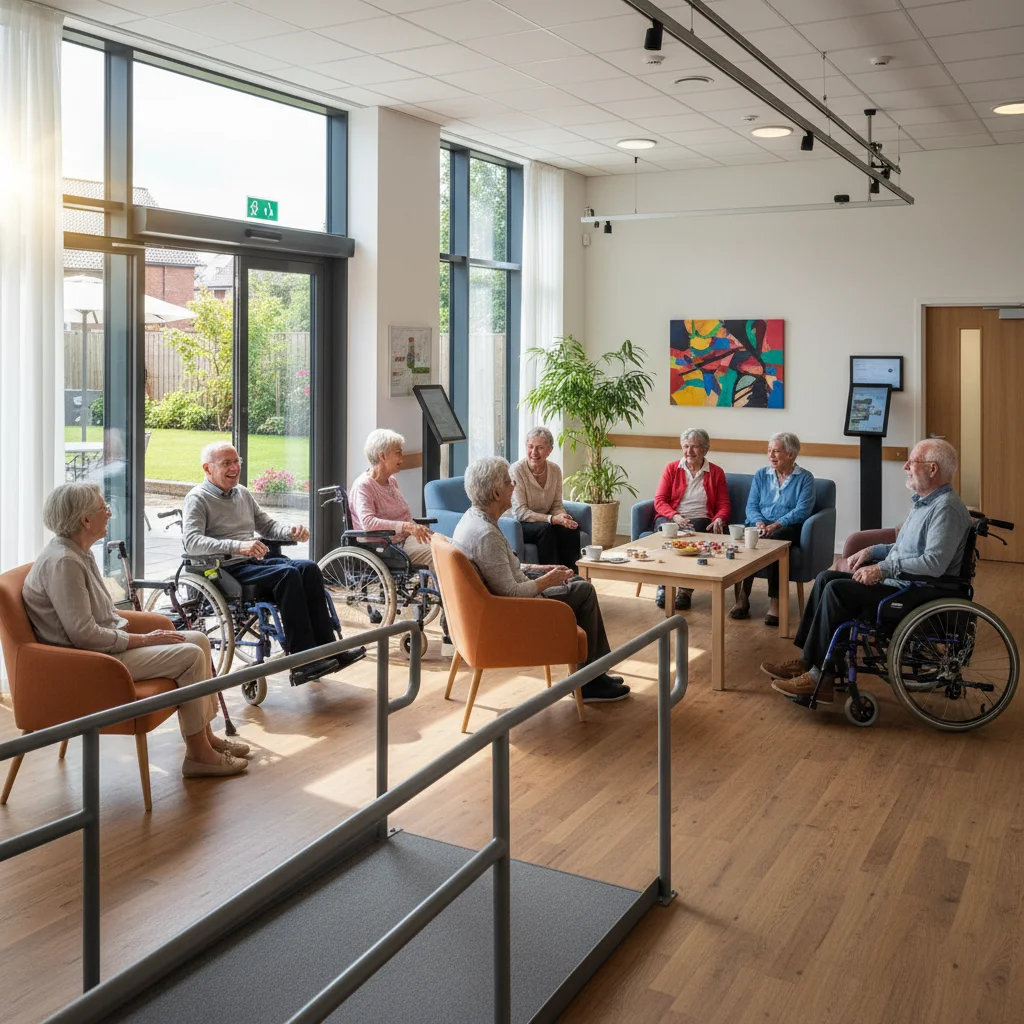
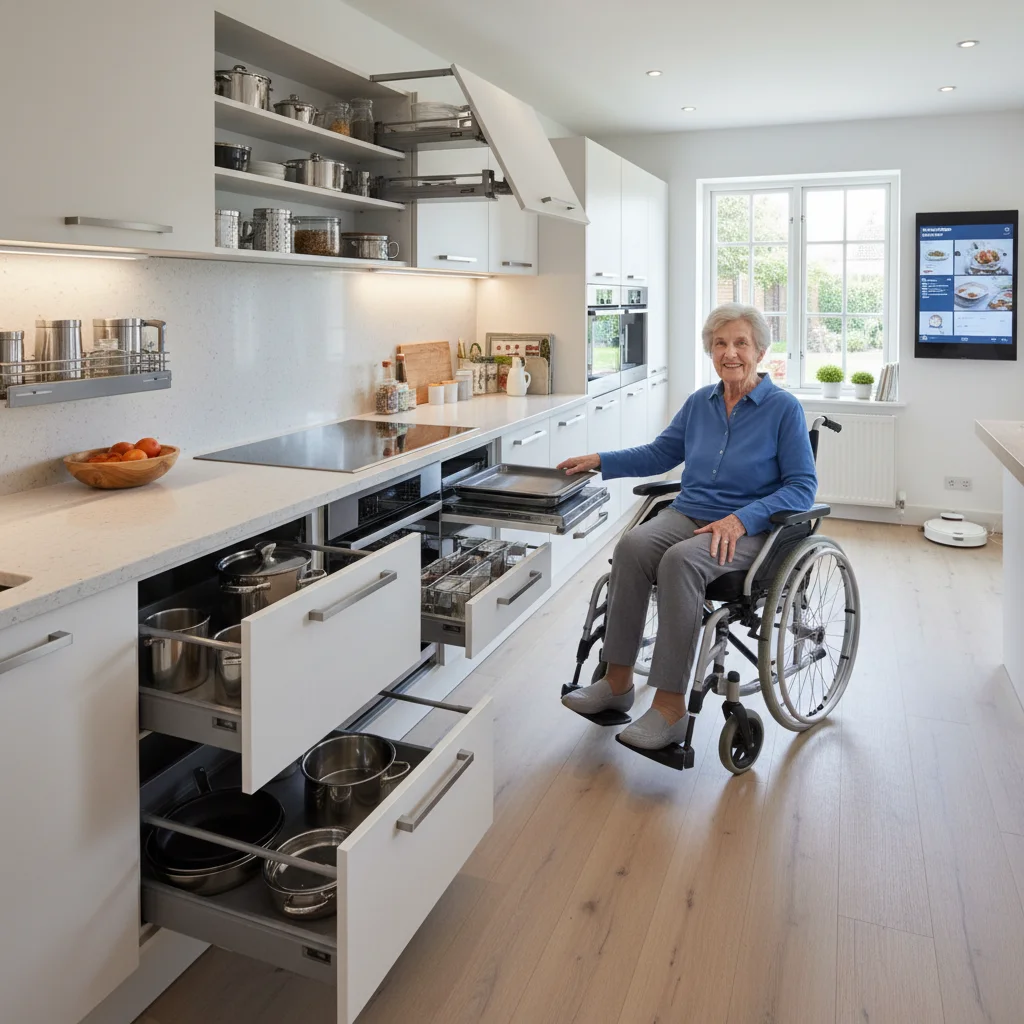
At its heart, accessible housing programs are built upon several fundamental principles designed to ensure equity, safety, and independence. These principles guide the design, funding, and implementation of housing initiatives across various sectors. Firstly, physical accessibility is non-negotiable. This includes features such as ramped entrances, wider doorways, roll-in showers, grab bars, and accessible kitchen and bathroom layouts. The goal is to eliminate physical barriers that can impede mobility and daily activities, allowing residents to move freely and safely within their homes.
Secondly, affordability is a critical component. Many elderly and disabled individuals live on fixed or limited incomes, making market-rate housing often out of reach. Therefore, many accessible housing programs incorporate subsidies, rental assistance, or income-based rent structures to ensure that housing remains affordable. This financial support is crucial for preventing homelessness and allowing individuals to allocate their limited resources to other essential needs, such as healthcare and food.
Thirdly, integrated support services are becoming an increasingly integral part of accessible housing. Beyond just a roof over their heads, residents often require assistance with daily living activities, medication management, transportation, and social engagement. Modern accessible housing programs strive to connect residents with these vital services, either directly on-site or through partnerships with community-based organizations. This holistic approach ensures that individuals not only have a place to live but also the support they need to thrive.
Finally, community integration and choice are paramount. Accessible housing programs are moving away from institutional models towards models that promote independent living within diverse communities. This means offering a range of housing types, from independent apartments with support services to co-housing models, allowing individuals to choose the living arrangement that best suits their needs and preferences. The emphasis is on empowering residents to live as independently as possible, with access to community resources and opportunities for social interaction.
Key Trends Shaping Accessible Housing in 2026
The year 2026 is marked by several significant trends that are reshaping the landscape of accessible housing programs. These trends reflect a deeper understanding of the needs of elderly and disabled populations, as well as advancements in technology and policy.
Increased Focus on Universal Design
Universal design principles are gaining widespread adoption in accessible housing construction and renovation. This approach goes beyond mere compliance with accessibility standards; it aims to create environments that are inherently usable by all people, regardless of age, ability, or functional limitations. Features like zero-step entries, wider hallways, lever handles, and adjustable countertops are becoming standard, benefiting not only those with specific needs but also the general population. This proactive design philosophy ensures that homes are adaptable to changing needs over time, allowing residents to age in place more effectively.
Technological Integration and Smart Homes
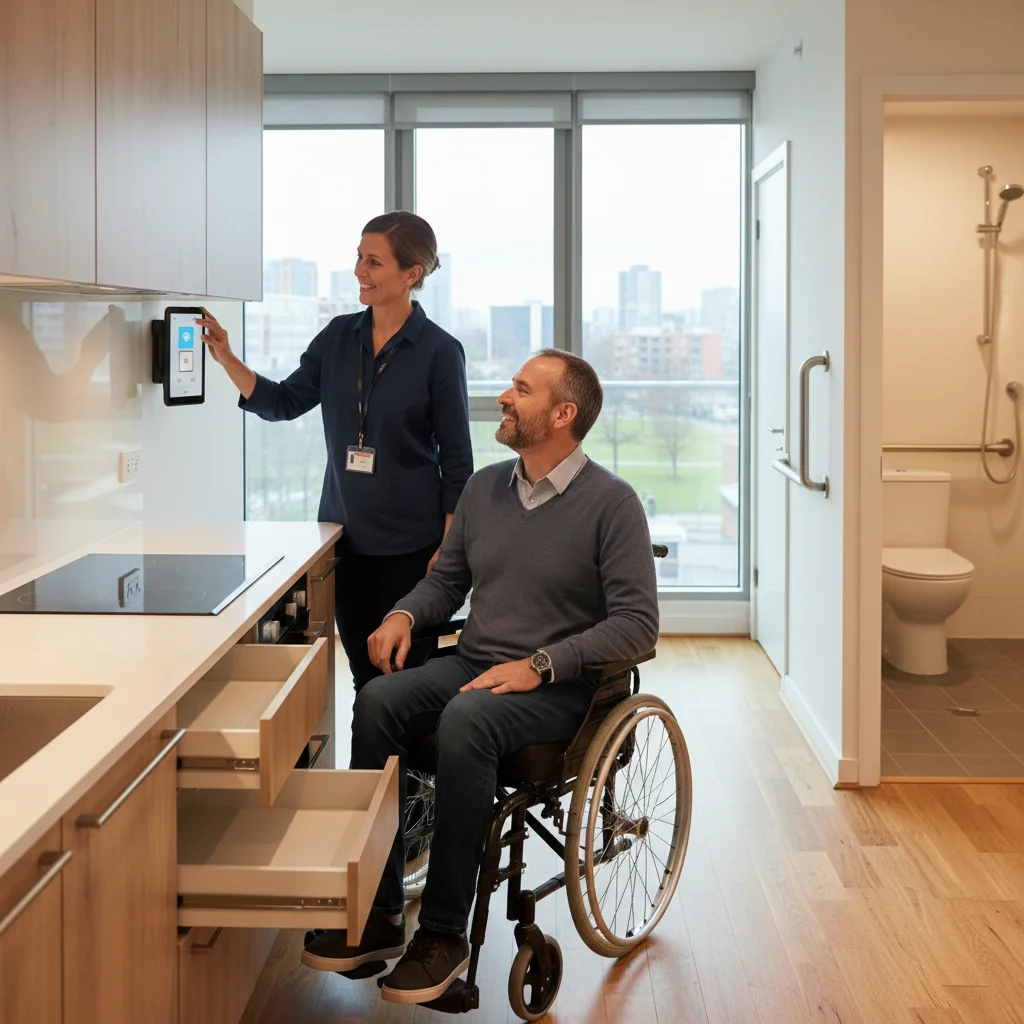
Smart home technology is no longer a luxury but a fundamental component of many new accessible housing programs. Voice-activated controls for lighting, thermostats, and entertainment systems, automated door openers, fall detection systems, and remote monitoring capabilities are enhancing safety, independence, and convenience. These technologies empower residents to manage their environment with greater ease and provide peace of mind for both individuals and their caregivers. As technology continues to advance, we can expect even more sophisticated and personalized smart home solutions to be integrated into accessible living spaces.
Expansion of Supportive Services and Care Coordination
There’s a growing recognition that accessible housing is most effective when combined with robust supportive services. In 2026, many accessible housing programs are expanding their offerings to include on-site care coordinators, health and wellness programs, transportation services, meal assistance, and social activities. This integrated approach helps residents maintain their health, prevent isolation, and access necessary resources without having to navigate complex service systems independently. The goal is to create a seamless ecosystem of support that adapts to individual needs.
Innovative Funding Models and Public-Private Partnerships
To address the significant demand for accessible housing, innovative funding models are emerging. Governments are increasingly partnering with private developers, non-profit organizations, and philanthropic foundations to finance new projects and renovate existing properties. Tax incentives, low-interest loans, and grants are being utilized to encourage the development of more accessible units. These public-private partnerships are crucial for scaling up the provision of accessible housing and ensuring its long-term sustainability.
Emphasis on Community-Based and Integrated Living
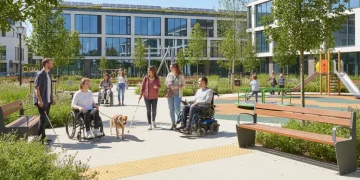
The trend towards de-institutionalization continues, with a strong emphasis on community-based living options. Accessible housing programs are focusing on integrating elderly and disabled individuals into mainstream communities, rather than isolating them in segregated facilities. This includes developing accessible units within mixed-income developments, fostering intergenerational living arrangements, and ensuring proximity to public transportation, shops, and community services. The aim is to promote social inclusion and reduce stigma associated with disability and aging.
Navigating the Types of Accessible Housing Programs Available in 2026
The variety of accessible housing programs can be extensive, catering to different needs, income levels, and levels of independence. Understanding these categories is essential for individuals and families seeking suitable options.
Federal and State-Funded Programs
Many countries offer federally and state-funded programs designed to support accessible housing. In the United States, for example, programs like Section 8 (Housing Choice Voucher Program) provide rental assistance to low-income families, the elderly, and people with disabilities, allowing them to afford accessible units in the private market. The Section 202 Supportive Housing for the Elderly Program and the Section 811 Supportive Housing for Persons with Disabilities Program specifically fund the development of affordable housing with supportive services for these populations. These programs are vital for providing a safety net and ensuring that even those with limited financial resources have access to appropriate housing.
Affordable Housing Developments with Accessible Units
Many new affordable housing developments are mandated to include a certain percentage of accessible units, often designed to meet or exceed ADA (Americans with Disabilities Act) standards. These developments typically offer income-restricted housing and may include on-site amenities and services. Families and individuals should inquire about the availability of accessible units when applying to affordable housing lotteries or waiting lists. These developments often represent a significant opportunity for quality, affordable, and accessible living.
Assisted Living Facilities and Continuing Care Retirement Communities (CCRCs)
For elderly individuals who require more extensive support with daily living activities, assisted living facilities and CCRCs offer a range of services, including personal care, meals, medication management, and social activities. Many of these facilities are designed with accessibility in mind, featuring accessible apartments and common areas. CCRCs, in particular, offer a continuum of care, allowing residents to transition between independent living, assisted living, and skilled nursing care as their needs change, all within the same community. While often more expensive, these options provide comprehensive care and a supportive environment.
Home Modification and Renovation Programs
For individuals who wish to remain in their existing homes, various accessible housing programs offer financial assistance for home modifications. These programs can help cover the cost of installing ramps, widening doorways, modifying bathrooms, or adding assistive technology. Grants, low-interest loans, and tax credits may be available through government agencies, non-profit organizations, or local community programs. Aging in place is a strong preference for many, and these programs make it a more viable option by adapting existing homes to meet evolving accessibility needs.
Co-Housing and Intentional Communities
Emerging models like co-housing and intentional communities are gaining traction among elderly and disabled populations seeking a more communal and supportive living environment. These communities are often designed with accessibility features and foster a strong sense of belonging, with residents sharing resources, responsibilities, and social activities. While not always explicitly part of government-funded programs, these models offer innovative solutions for those seeking a more integrated and self-sufficient lifestyle, often with built-in support networks.
Eligibility and Application Process for Accessible Housing Programs
Understanding the eligibility criteria and application process is crucial for successfully accessing accessible housing programs. While specific requirements vary by program and location, several common factors are typically considered.
Income Limitations
Most affordable accessible housing programs have income restrictions, often based on a percentage of the Area Median Income (AMI). Applicants will need to provide documentation of their income, assets, and household size to determine eligibility. These limits are designed to ensure that assistance is directed to those who need it most.
Age and Disability Status
For programs specifically targeting the elderly or disabled, applicants must meet age requirements (e.g., typically 62 or older for elderly housing) or provide proof of a qualifying disability. This often involves medical documentation from a healthcare professional or certification from a relevant government agency. These criteria ensure that the programs serve their intended beneficiaries.
Residency Requirements
Applicants usually need to be legal residents of the country, state, or locality where the housing program is offered. Proof of residency, such as utility bills or identification, may be required. Some programs may prioritize long-term residents or those with specific connections to the community.
Application Procedures
The application process typically involves completing detailed forms, submitting supporting documentation, and potentially undergoing interviews. It is advisable to gather all necessary documents in advance, including identification, income statements, medical records, and previous rental history. Many programs have waiting lists, so applying early and staying organized is key. Some programs also offer assistance with the application process, which can be invaluable.
Finding Information and Resources
To find out about specific accessible housing programs in your area, start by contacting your local housing authority, Area Agency on Aging, or disability advocacy organizations. These entities can provide comprehensive information on available programs, eligibility requirements, and application procedures. Online databases and government websites are also excellent resources for searching for housing options and support services.
Challenges and Future Outlook for Accessible Housing Programs
Despite the positive advancements, accessible housing programs still face significant challenges. The demand often outstrips the supply of affordable and accessible units, leading to long waiting lists and housing insecurity for many. Funding remains a persistent issue, as the cost of developing and maintaining accessible properties can be high. Additionally, navigating the complex web of regulations and eligibility criteria can be daunting for applicants and providers alike.
Another challenge lies in ensuring that housing is not just physically accessible, but also truly inclusive and supportive. This involves addressing issues of social isolation, ensuring access to quality healthcare, and integrating residents into the broader community. The stigma associated with disability and aging can also be a barrier to full inclusion, requiring ongoing educational efforts and policy changes.
Looking ahead to the future, the outlook for accessible housing programs is one of continued innovation and growth. The increasing awareness of demographic shifts and the importance of inclusive communities will likely drive further investment and policy development. We can anticipate greater integration of technology, more personalized support services, and a wider range of housing models designed to meet diverse needs. Advocacy groups will continue to play a crucial role in pushing for stronger legislative protections and increased funding for accessible housing initiatives.
There will be a continued emphasis on preventative measures and early intervention. This means not just providing accessible housing when needs become critical, but also proactively designing communities and homes that are adaptable to changing abilities throughout a person’s lifespan. The concept of ‘aging in place’ will evolve to ‘living in place,’ encompassing individuals of all ages and abilities, ensuring that everyone has the opportunity to reside in a home and community that supports their well-being and independence.
Moreover, the role of data and analytics will become more prominent in shaping future accessible housing programs. By collecting and analyzing data on housing needs, service utilization, and outcomes, policymakers and providers can make more informed decisions, optimize resource allocation, and tailor programs to be more effective. This data-driven approach will lead to more efficient and impactful housing solutions.
Empowering Individuals Through Accessible Housing
The profound impact of suitable housing on the lives of elderly and disabled individuals cannot be overstated. A safe, accessible, and supportive home environment is fundamental to health, well-being, and independence. It enables individuals to participate more fully in their communities, pursue their interests, and maintain their dignity. Accessible housing programs are not just about providing shelter; they are about fostering human potential and ensuring that everyone has the opportunity to live a fulfilling life.
For families and caregivers, these programs offer immense relief and peace of mind. Knowing that a loved one is living in a secure and supportive environment, with access to necessary services, reduces stress and allows for a better quality of life for all involved. The availability of diverse housing options empowers individuals and their families to make choices that align with their specific needs and preferences, moving away from a one-size-fits-all approach.
As we move through 2026 and beyond, it is imperative that we continue to advocate for robust funding, innovative policies, and community engagement to expand and improve accessible housing programs. Each accessible unit built, each home modified, and each support service provided contributes to a more inclusive and equitable society. The collective effort of governments, non-profits, private sectors, and communities is essential to meet the growing demand and ensure that every elderly and disabled individual has access to the housing they deserve.
Conclusion: A Future of Inclusive Living
The year 2026 marks a period of significant progress and renewed commitment in the realm of accessible housing programs for elderly and disabled individuals. From the widespread adoption of universal design and smart home technologies to the expansion of integrated support services and innovative funding models, the landscape is continuously evolving to meet the diverse and growing needs of these populations. While challenges persist, the trajectory is clear: a future where every individual, regardless of age or ability, has access to safe, affordable, and supportive housing that empowers them to live independently and thrive within their communities.
Navigating the various programs requires diligence and informed decision-making, but the resources and opportunities are more abundant than ever before. By understanding the core principles, key trends, and available options, individuals and their families can confidently seek out the housing solutions that best fit their unique circumstances. The ongoing efforts to address affordability, increase supply, and enhance services will continue to shape a more inclusive society, where accessible housing is not just a dream, but a fundamental reality for all.
Ultimately, the strength of a society is measured by how it cares for its most vulnerable members. The continued development and expansion of accessible housing programs are a testament to our collective commitment to supporting the elderly and disabled, ensuring they have the dignity, independence, and quality of life they deserve. As we look forward, the promise of truly inclusive living spaces and communities remains a powerful beacon of hope and progress.