2026 Housing Market Forecast: Affordability Challenges & 5% Price Increase
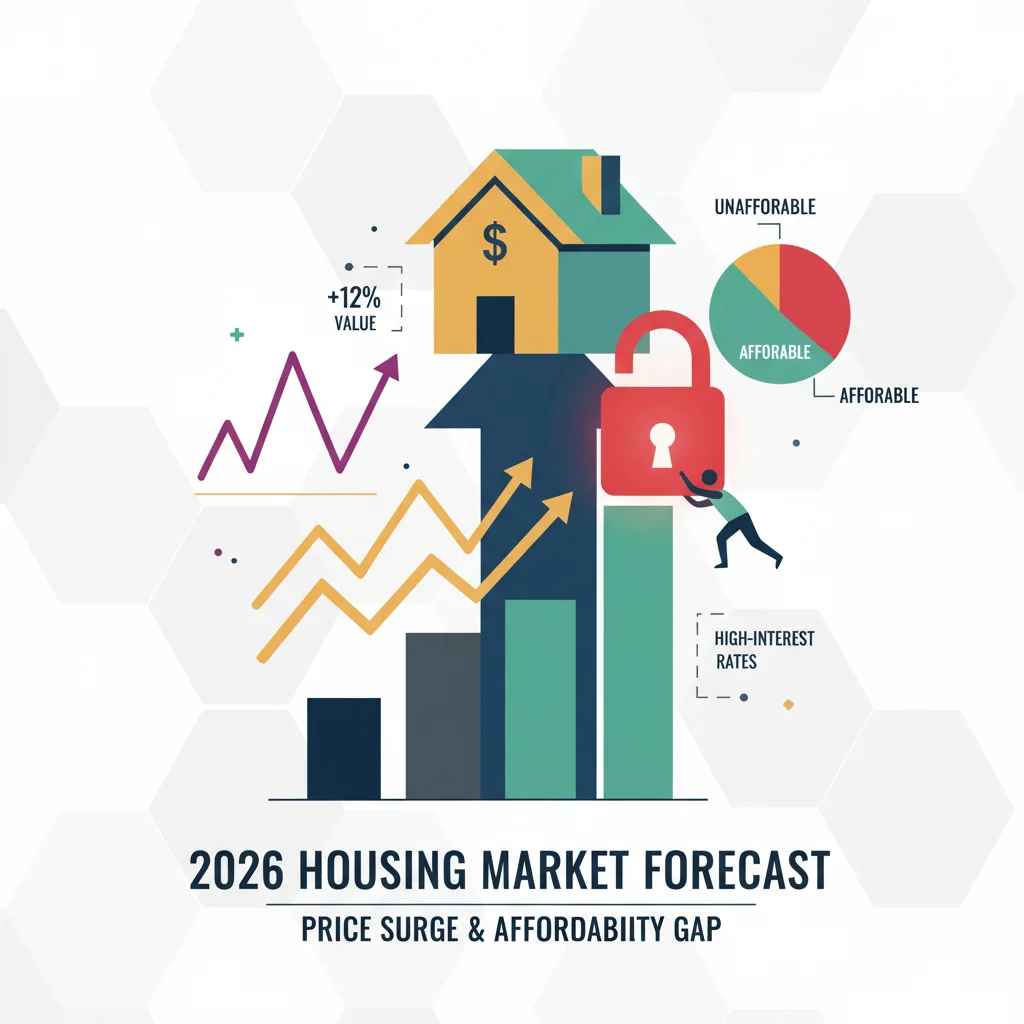
The real estate landscape is a dynamic entity, constantly molded by a confluence of economic, social, and political forces. As we peer into the future, specifically towards the 2026 Housing Market, it becomes clear that a nuanced understanding of these underlying currents is paramount for both prospective homeowners and seasoned investors. The prevailing sentiment among experts points towards a continued upward trajectory in median home prices, with a significant forecast of a 5% increase, accompanied by persistent affordability challenges that will undoubtedly shape buyer behavior and market accessibility.
This comprehensive analysis will delve into the multifaceted factors expected to define the 2026 Housing Market. We will explore the economic indicators, demographic shifts, and policy considerations that are likely to fuel this projected growth and, concurrently, exacerbate the affordability crisis. Understanding these elements is not merely an academic exercise; it is crucial for making informed decisions, mitigating risks, and capitalizing on emerging opportunities within the evolving real estate environment. From the impact of interest rates to the ever-present supply-demand imbalance, every facet contributes to the intricate tapestry of the housing market’s future.
Understanding the Current Landscape: A Prelude to 2026
Before we can fully grasp the intricacies of the 2026 Housing Market, it’s essential to briefly review the foundational elements that have brought us to this juncture. The past few years have been characterized by unprecedented volatility and growth in the housing sector. Historically low interest rates, coupled with a surge in demand driven by pandemic-induced lifestyle changes and a desire for more living space, propelled home prices to record highs. This period also saw a significant influx of institutional investors, further intensifying competition and contributing to price appreciation.
However, this rapid growth was not without its drawbacks. The escalating prices quickly outpaced wage growth for many, leading to a widening gap in housing affordability. Supply chain disruptions, labor shortages in construction, and restrictive zoning regulations further constrained new home building, exacerbating the imbalance between supply and demand. These factors collectively laid the groundwork for the challenges and trends we anticipate in the 2026 Housing Market.
The lingering effects of inflation, geopolitical uncertainties, and a gradual return to more normalized interest rate environments have begun to temper the frenetic pace of the market. While the intense bidding wars of previous years may have subsided in some regions, the underlying structural issues – primarily a persistent housing shortage – continue to exert upward pressure on prices. This historical context is vital for understanding why a 5% median price increase is projected for 2026, even in the face of ongoing affordability concerns.
Key Drivers of the 2026 Housing Market Forecast
Several critical factors are expected to be the primary architects of the 2026 Housing Market. These drivers, ranging from economic fundamentals to demographic shifts, will collectively dictate the trajectory of home prices and the overall accessibility of housing.
Economic Indicators: Inflation, Interest Rates, and GDP Growth
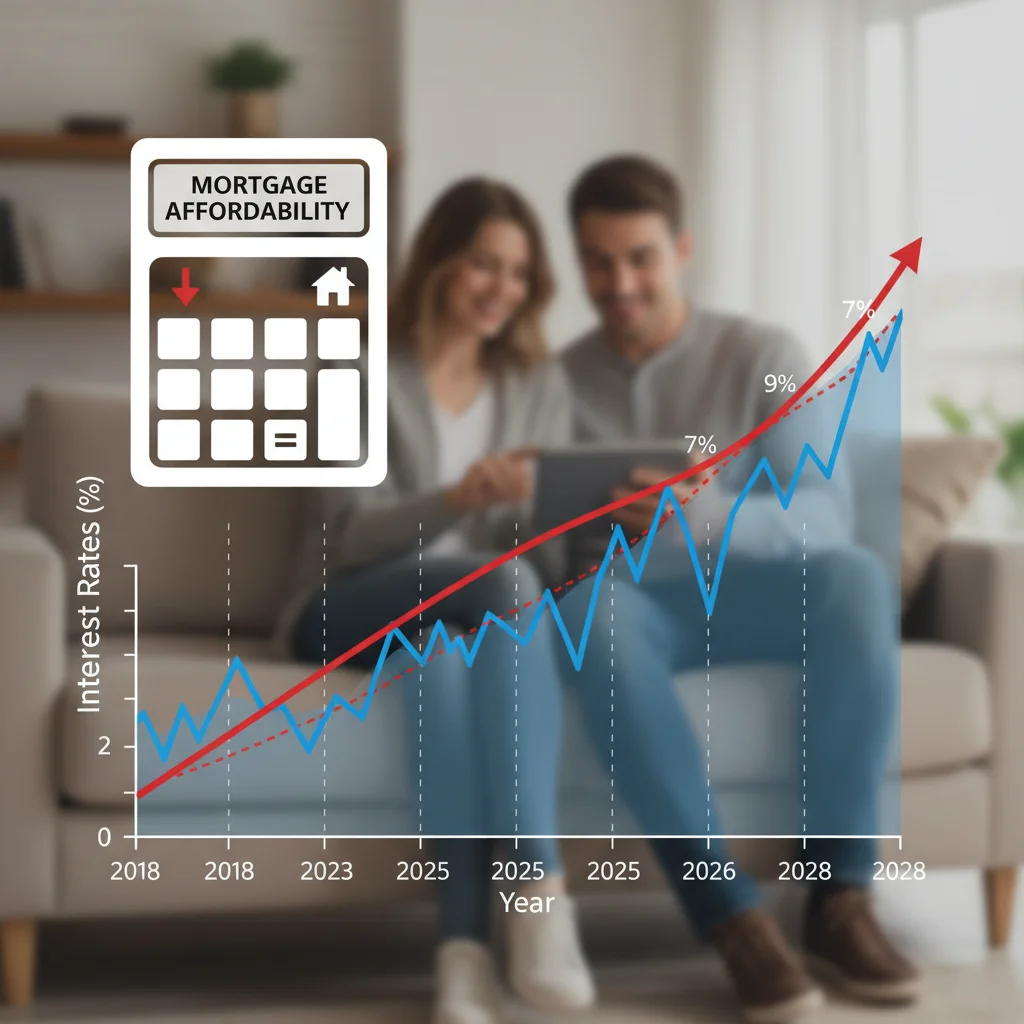
The broader economic environment will play a pivotal role. Inflation, while hopefully more contained than in recent years, will still influence material costs for construction and the overall cost of living. Central bank policies, particularly regarding interest rates, will be a dominant force. While the era of ultra-low rates may be behind us, the level at which rates stabilize will directly impact mortgage affordability. A sustained period of moderate interest rates could lead to a more balanced market, but any unexpected hikes could further strain buyers.
Gross Domestic Product (GDP) growth is another crucial indicator. A healthy, growing economy typically translates to job creation and increased consumer confidence, both of which are positive for the housing market. However, if economic growth falters, it could dampen demand, even with limited supply. The interplay between these macroeconomic forces will be a delicate balancing act, influencing the viability and vibrancy of the 2026 Housing Market.
Demographic Shifts: Millennial and Gen Z Influence
Demographics remain a powerful, underlying current. The sheer size of the millennial generation, now entering their prime home-buying years, ensures a consistent baseline of demand. Following closely are members of Gen Z, who are beginning to enter the workforce and form households, adding another wave of potential first-time homebuyers. This demographic bulge will continue to exert significant pressure on housing supply, especially in desirable urban and suburban areas.
Furthermore, evolving preferences for living arrangements, such as the increasing desire for single-family homes and more space, continue to shape demand patterns. The ability of these younger generations to enter the market will heavily depend on wage growth, student loan debt burdens, and the availability of affordable housing options. Their collective purchasing power and preferences will be instrumental in shaping the character of the 2026 Housing Market.
Housing Inventory and Supply-Demand Imbalance
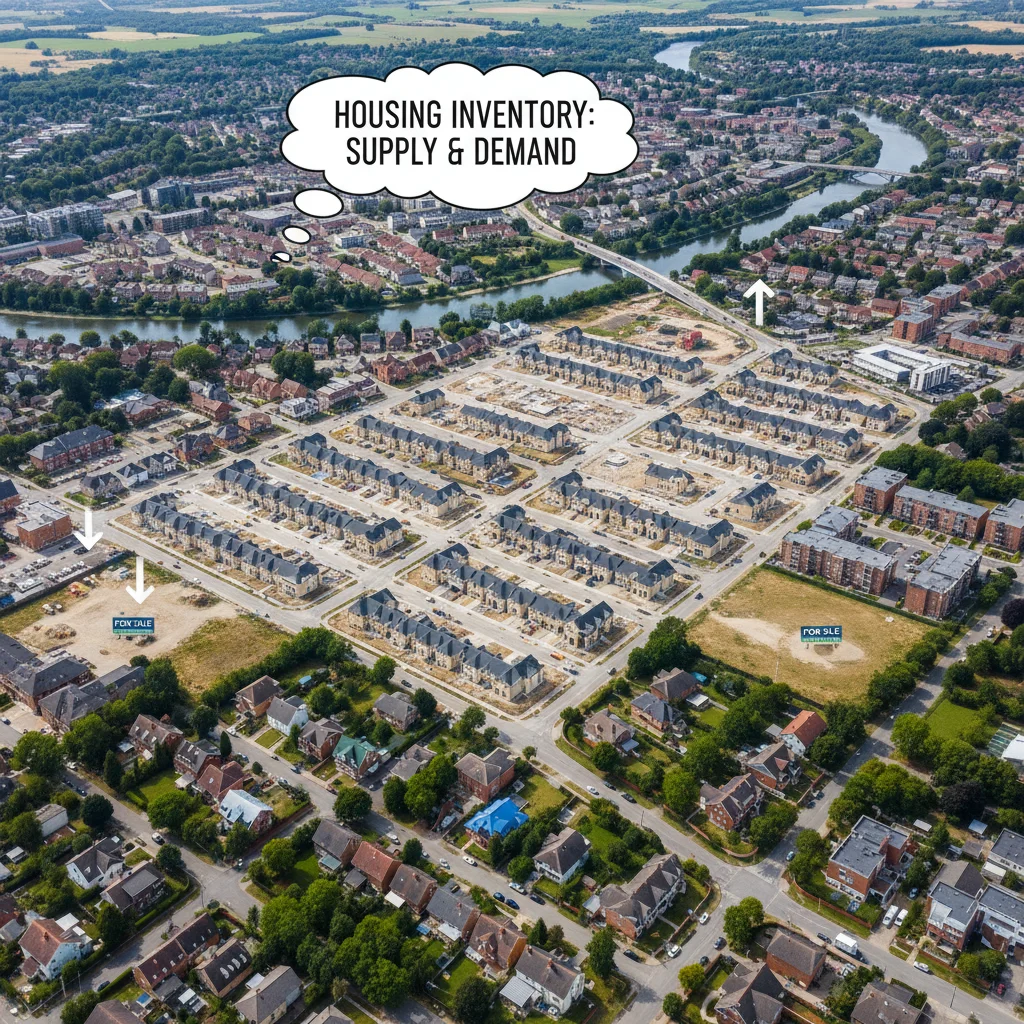
Perhaps the most persistent and impactful challenge facing the 2026 Housing Market is the chronic shortage of housing inventory. Years of underbuilding since the 2008 financial crisis have created a structural deficit. While new construction has picked up, it has yet to fully alleviate the pent-up demand. Factors contributing to this include:
- High construction costs: Labor shortages, material price volatility, and regulatory hurdles inflate the cost of building new homes.
- Zoning restrictions: Many municipalities have strict zoning laws that limit density and make it difficult to build diverse housing types, such as duplexes, townhouses, or smaller, more affordable single-family homes.
- Lack of land: Available and affordable land for development, especially in high-demand areas, is scarce.
- Aging housing stock: A significant portion of existing homes are older, requiring substantial renovations, which can deter some buyers and investors.
This persistent supply-demand imbalance is a primary reason for the projected 5% median price increase in the 2026 Housing Market, even as affordability becomes a greater concern. As long as demand outstrips supply, prices will continue to be pushed upwards.
The Affordability Challenge in 2026
The forecast of a 5% median price increase in the 2026 Housing Market, while indicating a robust real estate sector, simultaneously highlights a deepening crisis in affordability. This challenge is not monolithic; it manifests differently across various income brackets and geographic regions.
Impact of Rising Home Prices on Buyers
For potential homebuyers, especially first-time buyers, a 5% annual increase on already elevated prices means that the entry barrier to homeownership continues to rise. This exacerbates the struggle to save for a down payment, as housing costs appreciate faster than savings can accumulate. Furthermore, higher home prices translate directly to larger mortgage amounts, which, when combined with potentially higher interest rates, result in significantly larger monthly payments. This can push homeownership out of reach for many middle-income families, forcing them to remain in the rental market, where rents are also experiencing upward pressure.
The dream of homeownership, long considered a cornerstone of the American dream, becomes increasingly elusive. This demographic shift could have long-term societal implications, affecting wealth accumulation, intergenerational transfers, and economic stability for a significant portion of the population. The 2026 Housing Market will be a critical juncture in this ongoing affordability narrative.
Regional Disparities in Affordability
It is crucial to recognize that the affordability crisis will not impact all regions equally. High-cost coastal cities and rapidly growing tech hubs are likely to experience the most acute challenges, with prices potentially rising even more steeply than the national average. Conversely, some more affordable inland markets might see more moderate price growth, or even slight corrections in specific micro-markets, offering some relief to buyers.
Factors contributing to these regional disparities include local economic strength, job growth, population migration patterns, and local housing policies. Understanding these nuances is vital for anyone looking to navigate the 2026 Housing Market, whether as a buyer, seller, or investor. What constitutes ‘affordable’ in one metropolitan area might be an unattainable luxury in another.
Investment Opportunities and Risks in 2026
Despite the affordability concerns, the 2026 Housing Market will still present a landscape of both opportunities and risks for investors. Strategic planning and a keen understanding of market dynamics will be essential for success.
Strategies for Investors
Given the projected 5% median price increase, real estate is likely to remain an attractive asset class for long-term appreciation. Investors might focus on:
- Growth Markets: Identifying secondary and tertiary markets with strong job growth, population influx, and relatively lower entry costs compared to primary markets.
- Rental Properties: With persistent affordability issues, demand for rental housing will likely remain robust, making rental properties a potentially stable source of income.
- Value-Add Opportunities: Investing in properties that require renovation or modernization to increase their value, capitalizing on the aging housing stock.
- Diversification: Spreading investments across different property types (single-family, multi-family, commercial) and geographic locations to mitigate risk.
Understanding local market conditions, including rental yields, vacancy rates, and future development plans, will be paramount. The 2026 Housing Market will reward diligent research and well-executed strategies.
Potential Risks and How to Mitigate Them
However, the 2026 Housing Market is not without its risks. These include:
- Interest Rate Volatility: Unexpected spikes in interest rates could erode investor returns, especially for highly leveraged properties.
- Economic Downturn: A significant recession could lead to job losses, reduced demand, and potential price corrections.
- Regulatory Changes: New housing policies, rent controls, or changes in property taxes could impact profitability.
- Overvaluation in Specific Segments: Certain micro-markets or property types could become overvalued, leading to a higher risk of correction.
Mitigation strategies include maintaining healthy cash reserves, conducting thorough due diligence, stress-testing investment scenarios against various economic conditions, and staying informed about local and national policy changes. For the shrewd investor, the 2026 Housing Market offers opportunities, but prudence is key.
Government Policies and Their Influence
Government policies at federal, state, and local levels will undoubtedly play a significant role in shaping the 2026 Housing Market. These policies can either alleviate or exacerbate the existing challenges, particularly concerning affordability and supply.
Federal Initiatives
Federal actions, such as those by the Federal Reserve regarding monetary policy and interest rates, will have a broad impact. Beyond that, potential federal programs aimed at increasing housing supply, subsidizing first-time homebuyers, or addressing homelessness could influence market dynamics. Tax incentives for developers or homebuyers could also be introduced, though their effectiveness often depends on their scale and implementation. The overall economic stability fostered by federal fiscal policies will provide the backdrop against which the housing market operates.
State and Local Regulations
Perhaps even more impactful on a granular level will be state and local policies. These include:
- Zoning Reform: Efforts to liberalize zoning laws to allow for greater density and a wider variety of housing types (e.g., multi-family units, ADUs) could significantly boost supply.
- Permitting Processes: Streamlining complex and lengthy permitting processes can reduce construction timelines and costs.
- Affordable Housing Programs: State and local governments may implement or expand programs for affordable housing development, rental assistance, or down payment assistance.
- Property Taxes: Changes in property tax rates or assessment methodologies can affect carrying costs for homeowners and investors.
The divergence in these policies across different jurisdictions will contribute to the regional variations observed in the 2026 Housing Market. Advocates for increased housing supply will continue to push for reforms that encourage development, while NIMBY (Not In My Backyard) sentiments may continue to resist changes in existing neighborhoods.
Technological Advancements and the 2026 Housing Market
Technology is ceaselessly innovating and impacting nearly every sector, and real estate is no exception. By 2026, several technological advancements are expected to further transform how homes are built, bought, and sold.
Construction Innovations
The construction industry is slowly but surely embracing technology to address labor shortages and cost inefficiencies. Expect to see greater adoption of:
- Modular and Prefabricated Construction: Building components or entire homes off-site can reduce construction time, waste, and costs.
- 3D Printing: While still nascent, 3D printing of homes is gaining traction as a potential solution for rapid and affordable housing development in specific niches.
- Advanced Materials: Development of more durable, energy-efficient, and sustainable building materials can enhance the long-term value of properties.
These innovations, if scaled effectively, could gradually help alleviate the supply crunch, though their full impact on the broader 2026 Housing Market might still be limited in widespread adoption.
Real Estate Transactions and Data Analytics
The process of buying and selling homes will continue to become more digitized and data-driven:
- AI and Machine Learning: Advanced algorithms will provide more accurate property valuations, predict market trends, and personalize buyer/seller experiences.
- Virtual and Augmented Reality: Enhanced virtual tours and AR overlays will allow prospective buyers to experience properties remotely with greater immersion.
- Blockchain Technology: While not mainstream yet, blockchain could potentially streamline property title transfers and reduce fraud, making transactions more secure and efficient.
- PropTech Platforms: Integrated platforms that manage everything from property search and financing to closing will become more sophisticated, offering a seamless experience.
These technological shifts will empower both consumers and professionals in the 2026 Housing Market with better information and more efficient processes, but they also raise questions about data privacy and digital accessibility.
Future Outlook and Recommendations
The 2026 Housing Market is poised for continued growth in median prices, driven by persistent supply shortages and demographic demand, resulting in a projected 5% increase. However, this growth will be tempered by significant affordability challenges, making strategic planning more critical than ever.
For Prospective Homebuyers
- Start Early and Save Diligently: Given rising prices, accumulating a substantial down payment is paramount.
- Explore All Options: Consider different property types (condos, townhouses), and be open to less conventional financing options or government assistance programs.
- Research Emerging Markets: Look beyond the most expensive areas to find more affordable regions with growth potential.
- Financial Preparedness: Get pre-approved for a mortgage to understand your borrowing capacity and strengthen your offer.
For Current Homeowners
- Leverage Equity Wisely: With potential continued appreciation, homeowners may have significant equity. Consider using it for renovations that add value or for strategic investments, but avoid over-leveraging.
- Monitor Market Trends: Stay informed about local market conditions, property values, and interest rates to make informed decisions about refinancing or selling.
- Maintain Your Property: Regular maintenance and strategic upgrades will preserve and enhance your home’s value in a competitive market.
For Real Estate Investors
- Focus on Fundamentals: Prioritize properties in areas with strong economic indicators, job growth, and favorable demographic trends.
- Diversify Your Portfolio: Spread investments across different property types and locations to mitigate risk.
- Analyze Cash Flow: For rental properties, ensure that projected rental income comfortably covers expenses, especially with potential interest rate fluctuations.
- Stay Agile: Be prepared to adapt to changing market conditions, regulatory environments, and technological advancements.
Conclusion
The 2026 Housing Market is anticipated to be a complex, yet dynamic, environment. While a projected 5% median price increase signals continued appreciation, the pervasive issue of affordability will remain a central theme. The interplay of economic stability, demographic pressures, supply constraints, and evolving government policies will collectively shape its trajectory. For all participants – buyers, sellers, and investors – success in this landscape will hinge on a deep understanding of these forces, strategic planning, and an adaptive approach to decision-making. The future of housing promises both challenges and opportunities, requiring vigilance and foresight to navigate effectively.