U.S. Economic Growth Trends 2026: Regional Disparities & Future Outlook
U.S. Economic Growth Trends 2026: A Deep Dive into Regional Disparities
The year 2026 is poised to be a pivotal moment for the United States economy, characterized by a complex interplay of global forces, technological advancements, and evolving policy landscapes. While the national economic outlook often provides a broad stroke, a closer examination reveals significant Regional Economic Disparities that shape the prosperity and challenges faced by individual states and communities. Understanding these disparities is crucial for businesses, policymakers, and citizens alike to navigate the future effectively. This comprehensive analysis delves into the projected economic growth trends for 2026, highlighting the factors contributing to varying levels of economic vibrancy across the U.S. and offering insights into the future trajectory of these regional economies.
Understanding the Landscape of Regional Economic Disparities in 2026
The concept of Regional Economic Disparities refers to the unequal distribution of economic growth, wealth, and opportunities across different geographical areas within a country. In the context of the U.S., these disparities are not new, but their drivers and manifestations are continually evolving. As we look towards 2026, several key factors are expected to exacerbate or mitigate these differences, creating a mosaic of economic performance.
One of the primary drivers of Regional Economic Disparities is the concentration of specific industries. States with a strong presence in high-growth sectors such as technology, renewable energy, advanced manufacturing, and biotechnology are likely to experience robust growth. Conversely, regions heavily reliant on declining industries or those susceptible to automation may face headwinds. The ongoing digital transformation continues to reshape labor markets, favoring areas with skilled workforces and robust digital infrastructure.
Another critical factor is demographic shifts. States experiencing population growth, particularly an influx of young, skilled workers, often see increased demand for goods and services, a larger tax base, and a more dynamic labor force. Conversely, regions facing population decline or an aging workforce may struggle with labor shortages and reduced economic dynamism. Urbanization trends also play a significant role, with major metropolitan areas often acting as economic engines, drawing talent and investment, while rural areas contend with unique challenges related to access to resources and opportunities.
Furthermore, government policies at both federal and state levels significantly influence Regional Economic Disparities. Investments in infrastructure, education, research and development, and targeted economic development programs can stimulate growth in specific regions. Tax incentives, regulatory environments, and support for small businesses and startups also create varying degrees of attractiveness for investment and job creation. The impact of recent federal infrastructure spending and initiatives aimed at reshoring manufacturing, for example, will be particularly visible in 2026.
Key Drivers of State-Level Economic Growth in the Mid-2020s
As we project into 2026, several overarching themes will dictate the pace and nature of economic growth across U.S. states. These drivers are not uniform in their impact, contributing directly to Regional Economic Disparities.
Technological Innovation and Digital Transformation
States that have successfully fostered ecosystems of technological innovation – encompassing Silicon Valley, but also emerging tech hubs in Austin, Raleigh-Durham, and Seattle – are expected to lead in economic growth. The proliferation of artificial intelligence, machine learning, blockchain, and advanced data analytics is creating new industries and transforming existing ones. Regions with strong research universities, venture capital funding, and a culture of entrepreneurship will continue to attract and retain high-paying jobs, thereby widening the gap with less technologically advanced areas. The digital transformation also enables remote work, potentially decentralizing some economic activity, but its full impact on regional balance remains to be seen.
Energy Transition and Green Economy Investments
The global push towards sustainability and renewable energy sources presents a significant economic opportunity. States investing heavily in solar, wind, geothermal, and battery technologies, as well as those developing carbon capture and storage solutions, are likely to see substantial growth in manufacturing, research, and infrastructure development. This transition is creating new industries and jobs, particularly in states rich in natural resources suitable for renewable energy generation or those with robust manufacturing capabilities adaptable to green technologies. Conversely, states heavily reliant on fossil fuel industries may face economic restructuring challenges, further contributing to Regional Economic Disparities.
Reshoring and Supply Chain Resilience
The lessons learned from recent global supply chain disruptions have spurred a renewed interest in reshoring manufacturing and strengthening domestic production capabilities. This trend could benefit states with established industrial bases, skilled manufacturing workforces, and strategic logistical advantages. Government incentives and private sector investments are channeling resources into sectors deemed critical for national security and economic resilience, such as semiconductors, pharmaceuticals, and certain consumer goods. States that capitalize on these reshoring efforts will see job creation and increased economic output, reducing reliance on overseas production and potentially mitigating some aspects of Regional Economic Disparities.
Healthcare and Life Sciences Advancement
The healthcare and life sciences sectors continue to be powerful economic engines, driven by an aging population, ongoing medical advancements, and public health imperatives. States with world-class medical research institutions, pharmaceutical companies, and biotechnology firms will experience sustained growth. Boston, San Francisco, and other established life science clusters are expected to remain at the forefront, but emerging hubs are also attracting significant investment. The demand for healthcare services and medical innovations is relatively inelastic, providing a stable foundation for economic activity in these regions, impacting overall Regional Economic Disparities positively.
States to Watch: Leaders and Laggards in 2026
Forecasting state-level economic performance involves considering a multitude of variables. However, based on current trends and projected drivers, certain states are likely to exhibit stronger growth, while others may face more significant challenges, highlighting the persistent nature of Regional Economic Disparities.
Projected Growth Leaders
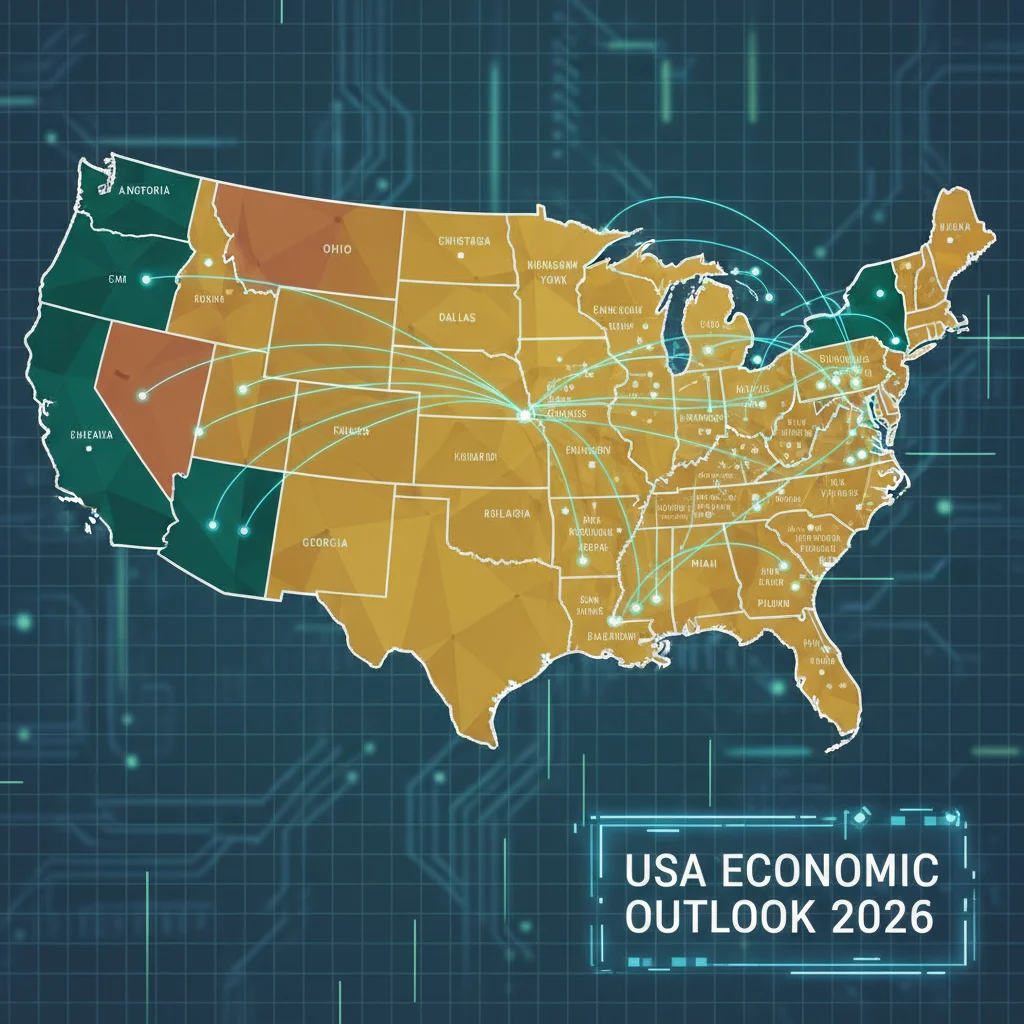
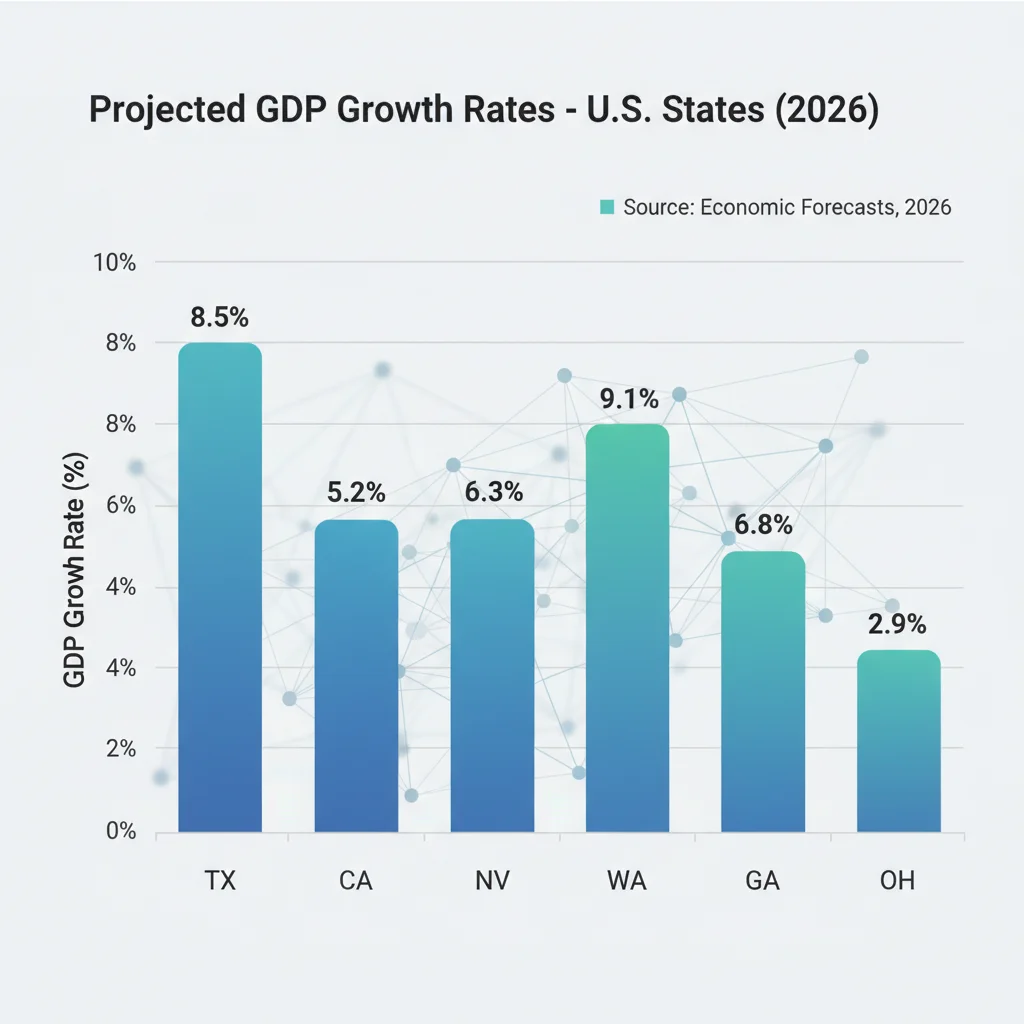
States in the Mountain West and certain Southern states are frequently cited as future growth leaders. States like Texas, Florida, Arizona, North Carolina, and Nevada are expected to continue benefiting from strong population growth, favorable business climates, and diversification into high-growth sectors. Texas, for instance, is a diversified economic powerhouse with strengths in energy, technology, manufacturing, and trade. Florida’s population boom, tourism recovery, and growing tech sector position it for robust expansion. Arizona and Nevada are attracting residents and businesses with lower costs of living and a focus on emerging industries. North Carolina’s Research Triangle Park continues to drive innovation in technology and life sciences.
Furthermore, states with strong innovation ecosystems, such as California, Massachusetts, and Washington, despite their higher costs of living, will likely maintain their positions at the forefront of the technology and life sciences sectors. Their ability to attract top talent and investment in cutting-edge industries will sustain high-value economic activity, even as some businesses and residents seek more affordable locales.
States Facing Challenges
Conversely, some states, particularly in the Rust Belt and parts of the Midwest, may continue to grapple with slower growth rates and demographic challenges. States with aging populations, declining manufacturing bases without successful transitions to new industries, and lower educational attainment levels may experience persistent Regional Economic Disparities. While efforts are underway in many of these regions to revitalize economies through advanced manufacturing, logistics, and targeted investments, the pace of transformation can be slow.
For example, states heavily reliant on traditional manufacturing or resource extraction without significant diversification may struggle to keep pace with the national average. The challenges include outmigration of younger populations, a shrinking tax base, and difficulties in attracting new industries. Addressing these Regional Economic Disparities will require sustained investment in education, infrastructure, and innovation to create new economic opportunities.
The Role of Infrastructure and Human Capital in Bridging Disparities
Effective infrastructure and a well-educated workforce are foundational to economic growth and critical for addressing Regional Economic Disparities. The federal government’s renewed focus on infrastructure investment, including roads, bridges, broadband internet, and clean energy grids, is expected to have a significant impact by 2026. States that effectively leverage these funds to modernize their infrastructure will enhance their competitiveness, reduce transportation costs, and improve connectivity, particularly in rural and underserved areas.
Access to high-speed internet, in particular, is a game-changer. It enables remote work, facilitates e-commerce for small businesses, and provides access to online education and healthcare services, all of which can help level the playing field for regions traditionally left behind. The expansion of broadband infrastructure is a key strategy to mitigate technological aspects of Regional Economic Disparities.
Human capital development is equally vital. States that invest in strong K-12 education systems, affordable higher education, and robust workforce development programs are better positioned to meet the demands of evolving industries. Retraining programs for workers in declining sectors and initiatives to attract and retain skilled talent are essential. The ability of a state to produce and attract a skilled, adaptable workforce directly correlates with its economic potential and its capacity to overcome Regional Economic Disparities.
Policy Implications and Strategies for Balanced Growth
Addressing Regional Economic Disparities requires a multifaceted approach involving coordinated efforts from federal, state, and local governments, as well as the private sector. Policies aimed at fostering balanced growth are crucial for national stability and shared prosperity.
Targeted Federal and State Investments
Instead of a one-size-fits-all approach, targeted investments can be highly effective. This includes directing federal grants and incentives to regions with specific needs, such as those transitioning away from legacy industries or those with high unemployment rates. State governments can complement these efforts with their own economic development initiatives, focusing on attracting specific industries, supporting local businesses, and investing in regional assets. For example, tax credits for businesses locating in distressed areas or funding for regional innovation hubs can stimulate growth where it’s most needed.
Promoting Diversification and Resilience
Regions overly reliant on a single industry are vulnerable to economic shocks. Policies should encourage diversification into a broader range of sectors, fostering resilience. This can involve supporting entrepreneurship, providing access to capital for startups, and investing in research and development to cultivate new industries. Building diverse economic bases helps smooth out cyclical fluctuations and reduces the impact of declines in any one sector, thereby reducing Regional Economic Disparities over the long term.

Enhancing Educational and Workforce Development
As mentioned, human capital is paramount. Policies should focus on improving educational outcomes at all levels, from early childhood education to vocational training and lifelong learning. Partnerships between educational institutions and industries can ensure that workforce training programs align with the skills demanded by employers. Initiatives to make higher education more affordable and accessible can also help build a more skilled and competitive workforce across all regions, directly combating skill-based Regional Economic Disparities.
Fostering Regional Collaboration
Often, economic regions extend beyond state borders. Encouraging collaboration between neighboring states, metropolitan areas, and rural communities can lead to more effective regional development strategies. Shared infrastructure projects, joint marketing efforts to attract investment, and coordinated workforce development initiatives can create synergistic benefits that individual jurisdictions might not achieve on their own. This collaborative approach can help bridge gaps and reduce Regional Economic Disparities by leveraging collective strengths.
Challenges and Opportunities in Addressing Regional Economic Disparities
While the path to reducing Regional Economic Disparities is clear in theory, practical implementation faces significant hurdles. Political will, funding constraints, and the inherent complexities of economic systems often slow progress. However, the opportunities presented by a more balanced and equitable economy are immense.
One major challenge is the ‘brain drain’ phenomenon, where talented individuals leave economically struggling regions for more prosperous ones. This exacerbates existing disparities. Counteracting this requires creating attractive job opportunities, improving quality of life, and fostering vibrant communities in these areas. Another challenge is the rapid pace of technological change, which can leave some regions struggling to adapt their workforce and infrastructure.
Despite these challenges, there are significant opportunities. The rise of remote work, while potentially benefiting some high-cost areas by decentralizing talent, also offers a chance for smaller cities and rural areas to attract skilled professionals without needing a massive corporate presence. Investments in green technology and infrastructure can create entirely new industries and jobs in unexpected places. Furthermore, a renewed focus on community-led development and local entrepreneurship can unlock untapped potential in regions often overlooked by large-scale investment.
The long-term benefits of reducing Regional Economic Disparities include a stronger national economy, increased social cohesion, and a more resilient workforce. When all regions contribute to their full potential, the entire nation benefits from a larger, more innovative, and more stable economic base. This is not just an economic imperative but a social one, ensuring that the benefits of national prosperity are more widely shared.
Conclusion: Navigating the Future of U.S. Regional Economies in 2026
As the United States progresses towards 2026, the narrative of its economic growth will be intricately tied to the dynamics of Regional Economic Disparities. While some states are poised for continued robust expansion driven by innovation, demographic shifts, and strategic investments, others will face ongoing challenges requiring adaptive policies and concerted efforts for revitalization. The interplay of technological advancement, the energy transition, and evolving global supply chains will redefine economic landscapes across the nation.
Understanding these disparities is not merely an academic exercise; it is essential for informed decision-making across all sectors. Businesses need to identify emerging markets and talent pools, policymakers must design effective strategies for equitable growth, and individuals need to understand the economic opportunities and challenges in their own regions and beyond. The future success of the U.S. economy hinges on its ability to address these regional imbalances, fostering an environment where prosperity is not concentrated but broadly distributed. By focusing on smart infrastructure, human capital development, industry diversification, and collaborative governance, the nation can work towards a more balanced and resilient economic future, mitigating the impact of Regional Economic Disparities and unlocking the full potential of every state.