Government Spending, Deficit, and 2026 Economic Stability: A Deep Dive
Government Spending, Deficit, and 2026 Economic Stability: A Deep Dive
The global economic landscape is a complex tapestry woven from countless threads of policy decisions, market forces, and human behavior. Among the most influential threads are government spending and budget deficits. These two elements of fiscal policy wield immense power, capable of stimulating growth, mitigating crises, or, if mismanaged, sowing the seeds of instability. As we cast our gaze towards 2026, understanding the intricate dance between government spending deficit and economic health becomes paramount for policymakers, businesses, and citizens alike. This article will dissect the multifaceted role of fiscal policy in shaping the economic stability of 2026, exploring the mechanisms through which government spending and deficits exert their influence, the potential challenges they pose, and the strategic approaches necessary to navigate the fiscal waters ahead.
The Foundations of Fiscal Policy: Government Spending and Revenue
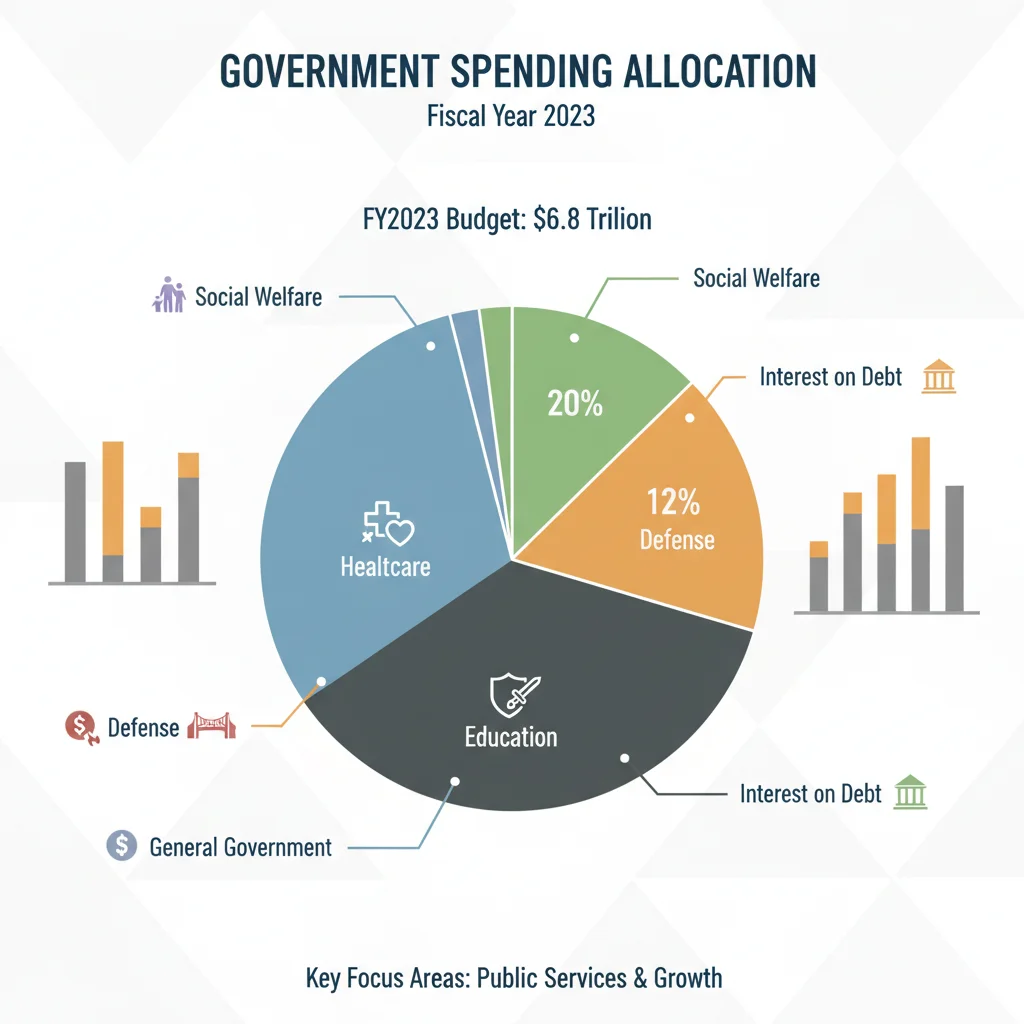
At its core, fiscal policy involves the government’s decisions regarding taxation and spending. These decisions directly influence the aggregate demand in an economy, impacting employment, inflation, and economic growth. Government spending, in particular, can take various forms, each with distinct implications. It includes public investments in infrastructure like roads, bridges, and digital networks; social welfare programs such as healthcare, education, and unemployment benefits; defense expenditures; and interest payments on national debt. Each dollar spent by the government circulates through the economy, creating jobs, stimulating consumption, and potentially fostering innovation.
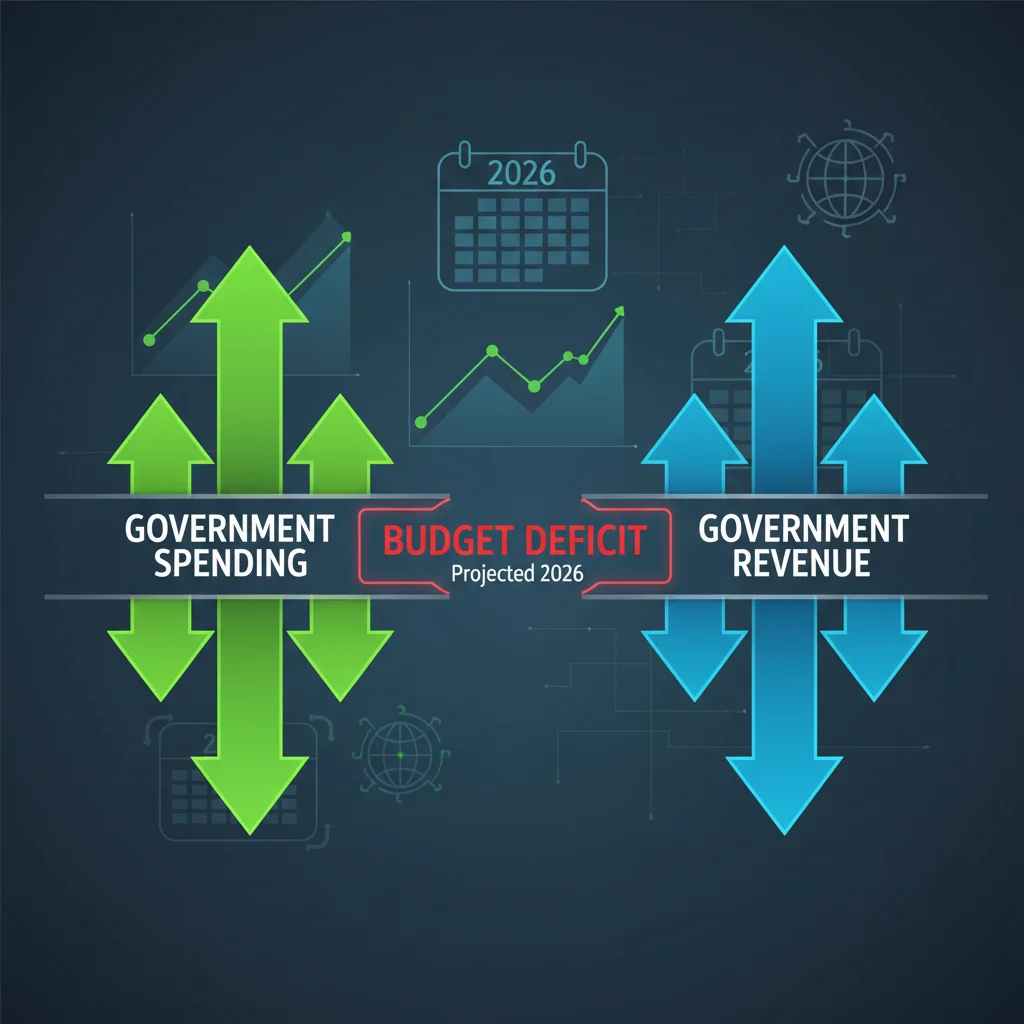
Conversely, government revenue primarily comes from taxes – income tax, corporate tax, sales tax, and property tax being the most common. The balance between government spending and revenue determines whether a country runs a budget surplus (revenue exceeds spending), a budget deficit (spending exceeds revenue), or a balanced budget. For much of modern history, particularly during periods of economic downturns or significant public investment, governments have often operated with deficits. Understanding the composition and drivers of both spending and revenue is the first step in appreciating their impact on economic stability.
In the context of 2026, several factors are likely to influence both sides of this equation. Demographic shifts, such as aging populations in many developed nations, will continue to put pressure on social security and healthcare spending. The ongoing need for climate change mitigation and adaptation will necessitate significant public investment in green technologies and infrastructure. Furthermore, geopolitical tensions could lead to increased defense spending, while technological advancements might demand new forms of public support for research and development. On the revenue side, tax policies will need to adapt to a globalized, digital economy, while the political will to raise taxes to cover increased spending will remain a perennial challenge.
The Mechanics of a Budget Deficit: How It Arises and Its Immediate Effects
A budget deficit occurs when a government’s expenditures exceed its revenues over a specific period, typically a fiscal year. When this happens, the government must borrow money to cover the shortfall. This borrowing is usually done by issuing government bonds to domestic and international investors. The accumulation of these annual deficits over time constitutes the national debt.
The immediate effects of a budget deficit can be varied. In times of recession, a deficit can be a deliberate fiscal tool, a form of stimulus designed to boost aggregate demand. By increasing spending or cutting taxes, the government injects money into the economy, encouraging consumption and investment, which can help pull an economy out of a slump. This counter-cyclical fiscal policy is often justified by Keynesian economics, which posits that government intervention is necessary to stabilize the business cycle.
However, persistent and large budget deficits, even in good times, can lead to concerns. One immediate concern is the potential for “crowding out.” When the government borrows heavily, it increases the demand for loanable funds, which can drive up interest rates. Higher interest rates can make it more expensive for private businesses to borrow money for investment, thereby dampening private sector growth. While the extent of crowding out is a subject of ongoing debate among economists, it remains a theoretical risk associated with large deficits.
Another immediate effect relates to inflation. If a deficit is financed by the central bank “printing money” (monetization of debt), it can lead to an increase in the money supply, potentially causing inflation. However, in most developed economies, central banks operate independently and are generally wary of monetizing debt due to its inflationary risks. Instead, deficits are typically financed by bond markets, where the inflationary impact is less direct and more related to overall demand pressures.
Long-Term Implications of Government Spending Deficit on Economic Stability
While short-term deficits can be beneficial, sustained and significant government spending deficit can have profound long-term implications for economic stability. The most direct consequence is the accumulation of national debt. A growing national debt means higher interest payments, which consume a larger portion of the government’s budget, potentially crowding out other essential spending on areas like education, infrastructure, or research and development. This can hinder long-term economic growth and reduce the government’s flexibility to respond to future crises.
Furthermore, a high national debt can erode investor confidence. If investors perceive that a government’s debt is unsustainable, they may demand higher interest rates to lend money, further increasing the cost of borrowing. In extreme cases, this can lead to a debt crisis, where a government struggles to refinance its existing debt or borrow new funds, potentially resulting in sovereign default or severe austerity measures. The experience of several European countries during the Eurozone debt crisis serves as a stark reminder of these risks.
Intergenerational equity is another crucial long-term consideration. When current generations benefit from increased government spending without corresponding tax increases, the burden of financing that spending (through higher taxes or reduced services) is often pushed onto future generations. This raises ethical questions about fairness and sustainability. The choices made regarding government spending deficit today will inevitably shape the economic opportunities and challenges faced by future citizens.
Analyzing Fiscal Policy’s Role in 2026 Economic Stability
As we approach 2026, several critical factors will influence the role of fiscal policy in maintaining economic stability. The lingering effects of global events, such as the COVID-19 pandemic and geopolitical conflicts, have led to unprecedented levels of public debt in many nations. Governments are now faced with the challenge of either consolidating their fiscal positions or continuing to use fiscal stimulus to support fragile recoveries.
Post-Pandemic Fiscal Challenges
The massive fiscal responses to the COVID-19 pandemic, including direct aid to households and businesses, increased unemployment benefits, and healthcare expenditures, significantly expanded budget deficits globally. While these measures were crucial for preventing a deeper economic collapse, they have left many countries with elevated debt-to-GDP ratios. In 2026, governments will need to carefully balance the need for continued support with the imperative to ensure long-term fiscal sustainability. Premature fiscal tightening could stifle growth, while prolonged deficits could exacerbate debt concerns.
Inflationary Pressures and Interest Rates
The period leading up to 2026 is also characterized by elevated inflation in many parts of the world. Central banks have responded by raising interest rates to curb price increases. Higher interest rates directly impact government budgets by increasing the cost of servicing existing debt and borrowing new funds. This dynamic creates a delicate balancing act for fiscal policy. If governments continue to run large deficits, they might inadvertently put upward pressure on interest rates, further complicating monetary policy efforts to control inflation and increasing their own debt servicing costs.
Global Economic Slowdown Risks
Forecasts for global economic growth in the mid-2020s suggest a potential slowdown. A global recession or significant economic contraction would automatically impact government revenues (due to lower economic activity) and potentially necessitate increased spending on social safety nets. This cyclical component of deficits means that even with prudent fiscal management, a downturn could quickly push deficits higher, making the challenge of achieving economic stability in 2026 even more complex.
Investment in Future Growth
Despite the challenges, governments also recognize the need to invest in long-term growth drivers. This includes spending on green energy transition, digital infrastructure, education, and healthcare. These investments, while potentially increasing the short-term government spending deficit, are often seen as essential for boosting productivity, enhancing competitiveness, and building a more resilient economy in the long run. The key will be to identify and prioritize high-return investments that yield significant future economic benefits.
Strategies for Managing Government Spending Deficit Towards 2026
Navigating the complex interplay between government spending deficit and economic stability requires a multi-pronged strategic approach. There is no one-size-fits-all solution, as the optimal strategy depends on a country’s specific economic circumstances, political environment, and societal priorities. However, several general principles and tools can guide policymakers towards 2026.
Fiscal Consolidation and Debt Reduction
For countries with high and rising debt levels, fiscal consolidation will be a priority. This involves measures to reduce the deficit, either by increasing revenues (e.g., tax reforms, closing loopholes) or by cutting spending (e.g., reviewing inefficient programs, prioritizing expenditures). The challenge lies in implementing consolidation measures without stifling economic growth or disproportionately affecting vulnerable populations. A gradual, well-communicated approach is often more effective than abrupt austerity.
Targeted Spending and Investment
Rather than broad, untargeted spending, governments can focus on highly effective investments that yield significant economic and social returns. This includes investments in human capital (education, vocational training), physical infrastructure (transport, energy grids), and research and development. Such “growth-enhancing” spending can increase the productive capacity of the economy, leading to higher tax revenues in the future and making the debt more sustainable relative to GDP.
Structural Reforms
Beyond direct spending and taxation, structural reforms can play a crucial role. These reforms aim to improve the functioning of markets, enhance competitiveness, and boost potential growth. Examples include labor market reforms to increase flexibility, product market reforms to foster competition, and reforms to public administration to improve efficiency. While not directly impacting the deficit in the short term, structural reforms can create a more dynamic economy that generates higher tax revenues and reduces the need for deficit-financed stimulus over the long run.
Strengthening Fiscal Frameworks
Robust fiscal frameworks, such as independent fiscal councils, clear budgetary rules, and medium-term fiscal plans, can help impose discipline on government spending and borrowing. These frameworks can increase transparency, improve accountability, and provide a credible commitment to fiscal sustainability, thereby enhancing investor confidence and reducing the risk premium on government debt. For 2026, establishing or reinforcing such frameworks will be vital for many nations.
The Role of International Cooperation and Global Factors
In an increasingly interconnected world, the fiscal health of one nation can have ripple effects across the globe. International cooperation plays a significant role in managing global economic stability, especially concerning government spending deficit. For instance, coordinated fiscal responses during global crises can amplify their positive impact, while uncoordinated policies can lead to beggar-thy-neighbor outcomes.
Global Debt Landscape
The sheer scale of global public debt is a significant concern. The International Monetary Fund (IMF) and other international bodies regularly highlight the risks associated with high debt levels, particularly in developing economies that may have limited fiscal space to respond to shocks. In 2026, the international community will likely continue to grapple with debt sustainability issues, requiring coordinated efforts on debt relief, restructuring, and capacity building.
Cross-Border Spillovers
Large deficits in major economies can have cross-border spillovers. For example, if a large economy finances its deficit by attracting foreign capital, it can divert investment from other countries, potentially impacting their growth prospects. Conversely, a strong and stable global economy makes it easier for individual nations to manage their own fiscal challenges, as it provides a more favorable environment for trade, investment, and revenue generation.
Climate Change and Global Public Goods
Addressing global challenges like climate change requires substantial public investment, often beyond the capacity of any single nation. International cooperation is essential for financing global public goods, such as climate adaptation and mitigation projects, global health initiatives, and sustainable development goals. The allocation of these costs and the role of international financial institutions in mobilizing resources will be a key aspect of fiscal policy discussions leading up to and beyond 2026.
Potential Risks and Opportunities for 2026
Looking specifically at 2026, governments face a unique set of risks and opportunities related to their fiscal policies. Understanding these can help in formulating more resilient and effective strategies.
Risks:
- Sustained High Inflation: If inflation remains stubbornly high, central banks might need to keep interest rates elevated for longer, significantly increasing debt servicing costs and potentially triggering a recession.
- Global Recession: A severe global economic downturn would dramatically reduce government revenues and increase demands for social support, rapidly expanding deficits and debt.
- Geopolitical Instability: Escalating conflicts or new geopolitical tensions could lead to increased defense spending and supply chain disruptions, impacting economic growth and fiscal balances.
- Aging Populations: The demographic pressure on pension and healthcare systems will intensify, requiring difficult policy choices regarding benefits, contributions, and retirement ages.
- Lack of Political Will: The ability to implement necessary but potentially unpopular fiscal reforms (e.g., tax increases, spending cuts) can be hampered by political polarization and short-term electoral cycles.
Opportunities:
- Technological Advancements: Digitalization and AI can improve government efficiency, reduce administrative costs, and enhance tax collection mechanisms. They can also spur new industries, leading to economic growth and higher revenues.
- Green Transition: Investments in renewable energy and sustainable technologies can not only address climate change but also create new jobs, foster innovation, and reduce reliance on volatile fossil fuel markets, contributing to long-term economic resilience.
- Improved Tax Compliance: Leveraging technology and international cooperation can help combat tax evasion and avoidance, broadening the tax base and increasing government revenues without necessarily raising tax rates.
- Structural Reforms Paying Off: Past structural reforms aimed at enhancing productivity and competitiveness could begin to yield significant economic dividends by 2026, making fiscal positions more sustainable.
- Prudent Fiscal Management: Governments that successfully implement credible fiscal consolidation plans and prioritize growth-enhancing investments will build greater resilience and flexibility, positioning themselves for stronger economic stability in 2026 and beyond.
Conclusion: Balancing Act for a Stable 2026
The journey towards economic stability in 2026 is inextricably linked to the judicious management of government spending deficit. Fiscal policy, far from being a static instrument, is a dynamic force that must adapt to evolving global and domestic conditions. While deficits can serve as crucial tools for crisis management and long-term investment, their unbridled growth poses significant risks to intergenerational equity, investor confidence, and ultimately, a nation’s economic sovereignty.
As we look to 2026, policymakers face a delicate balancing act: stimulating growth without fueling inflation, investing in the future without accumulating unsustainable debt, and responding to immediate crises while safeguarding long-term fiscal health. The successful navigation of these challenges will require a combination of fiscal discipline, strategic investment, structural reforms, and international cooperation. The choices made today regarding government spending deficit will determine the economic landscape for years to come, shaping the prosperity and stability of nations and their citizens.
Ultimately, a stable 2026 economy will be characterized by governments that demonstrate foresight, adaptability, and a commitment to sustainable public finances. This means not only understanding the numbers but also the profound societal impact of every fiscal decision. The discourse around government spending and deficits must move beyond short-term political expediency to embrace a long-term vision for economic resilience and shared prosperity.