U.S. Economic Forecast 2026: Key Indicators Pointing to 3.2% GDP Growth
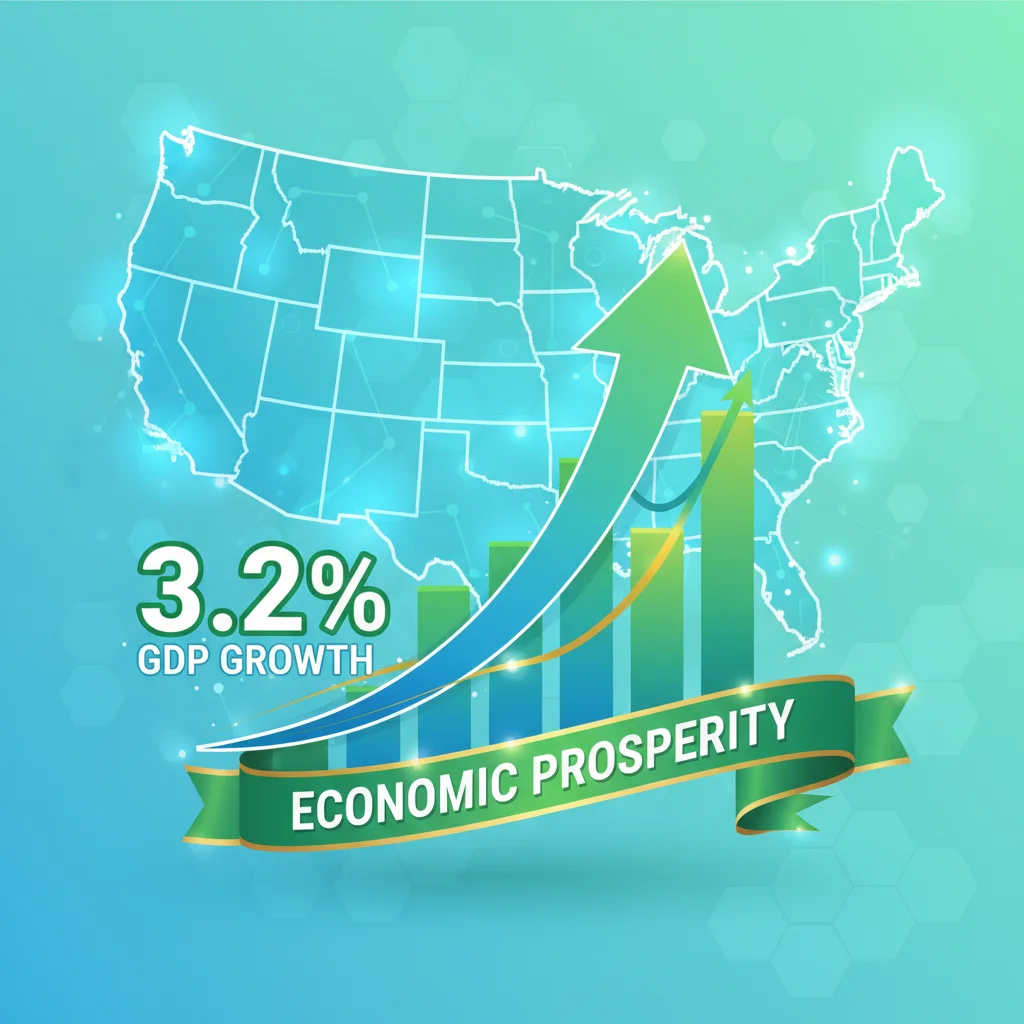
The economic landscape is ever-evolving, and as we look ahead to 2026, the United States economy is poised for a period of significant expansion. Our comprehensive analysis of the US economic forecast 2026 suggests a robust 3.2% GDP growth, driven by a confluence of favorable factors, strategic policy decisions, and a resilient private sector. This article delves into the key indicators underpinning this optimistic outlook, examining the labor market, inflation trends, monetary and fiscal policies, and potential global influences that will shape the nation’s economic trajectory.
Understanding the US Economic Forecast 2026: A Macroeconomic Overview
Forecasting an economy as complex and dynamic as that of the United States requires a meticulous examination of numerous macroeconomic variables. The projected 3.2% GDP growth for 2026 is not merely an arbitrary number; it is the result of intricate models and expert consensus, reflecting a period of sustained recovery and expansion following recent global economic challenges. This growth rate, if achieved, would signify a healthy and vibrant economy, creating jobs, fostering innovation, and improving living standards across the nation.
Gross Domestic Product (GDP) Projections
GDP, the total value of goods and services produced in a country, is the primary metric for economic health. The 3.2% projection for 2026 indicates a strong acceleration from previous years, driven by increased consumer spending, business investment, government expenditures, and a positive net export balance. Several factors contribute to this optimistic outlook:
- Consumer Confidence and Spending: A key driver of economic growth. As employment rates remain high and wages continue to rise, consumers are expected to have greater purchasing power and confidence, leading to increased demand for goods and services.
- Business Investment: Companies are anticipated to increase capital expenditures, investing in new technologies, expanding production capacities, and enhancing efficiency. This investment cycle is crucial for long-term productivity gains and job creation.
- Government Spending: Continued infrastructure projects and strategic investments in critical sectors like renewable energy and technology are expected to provide a significant boost to economic activity.
- Net Exports: While often volatile, a more stable global economic environment and competitive US exports could contribute positively to GDP.
The Resilient Labor Market: A Cornerstone of the US Economic Forecast 2026
A strong labor market is indispensable for sustained economic growth. The US economic forecast 2026 predicts continued strength in employment figures, with unemployment rates remaining low and labor force participation potentially seeing further increases. This robust job market translates directly into higher disposable income and consumer spending, fueling the economic engine.
Key Labor Market Indicators
- Unemployment Rate: Expected to remain near historical lows, indicating a tight labor market where job seekers can find opportunities. This low unemployment rate is a strong indicator of economic health and consumer well-being.
- Wage Growth: Continued moderate wage growth is anticipated, which is crucial for maintaining consumer purchasing power and supporting inflation targets without causing excessive price pressures. Balancing wage growth with inflation control will be a delicate act for policymakers.
- Job Creation: Projections indicate steady job creation across various sectors, particularly in technology, healthcare, and green energy. The diversification of job growth contributes to economic resilience and reduces vulnerability to sectoral downturns.
- Labor Force Participation: Efforts to encourage labor force participation, including policies supporting childcare and education, could further bolster the workforce and alleviate potential labor shortages in key industries.
The strength of the labor market is a critical component of the overall positive outlook for the US economic forecast 2026. A healthy employment situation ensures that the benefits of economic growth are distributed more broadly, fostering social stability and consumer confidence.
Inflation Outlook: Navigating Price Stability in 2026
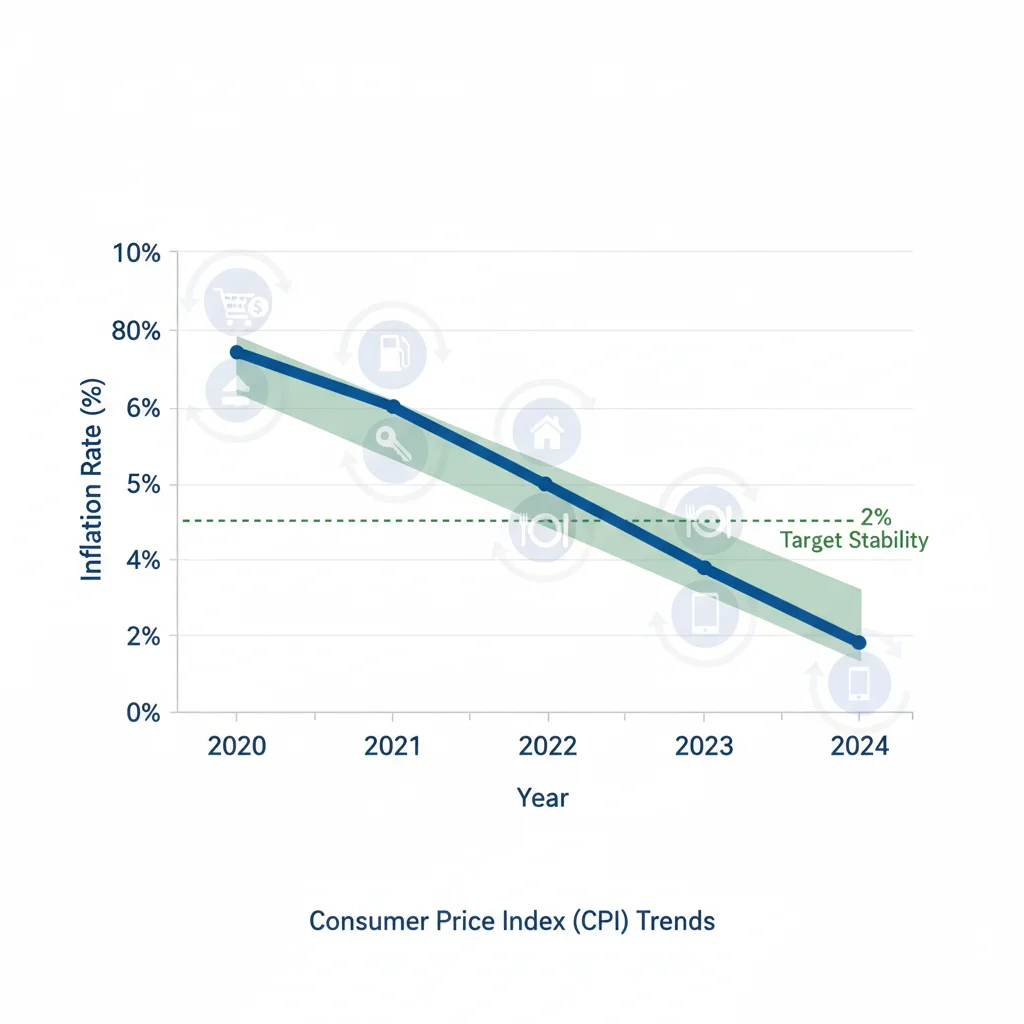
Inflation has been a significant concern in recent years, but the US economic forecast 2026 suggests a return to more stable and manageable levels. Central banks worldwide aim for a moderate inflation rate, typically around 2%, as it indicates a healthy economy without eroding purchasing power too rapidly. Achieving this balance will be a testament to effective monetary policy and supply chain normalization.
Factors Influencing Inflation
- Supply Chain Normalization: Disruptions caused by global events have largely subsided, leading to improved supply chain efficiency and reduced inflationary pressures from the supply side.
- Monetary Policy: The Federal Reserve’s actions, including interest rate adjustments, play a crucial role in managing inflation. The expectation is that by 2026, monetary policy will have successfully guided inflation back to its target range.
- Energy Prices: While volatile, a relatively stable global energy market would contribute significantly to price stability. Geopolitical factors remain a key risk to this stability.
- Consumer Demand: While strong consumer demand is a driver of GDP, excessive demand can lead to demand-pull inflation. The forecast assumes a balanced growth in demand that does not overheat the economy.
The ability to maintain price stability while achieving robust growth is a hallmark of a well-managed economy. The US economic forecast 2026 anticipates this delicate balance will be largely successful, providing a stable environment for businesses and consumers alike.
Monetary and Fiscal Policies: Steering the Economy Towards Growth
Government and central bank policies are pivotal in shaping the economic landscape. For the US economic forecast 2026, both monetary and fiscal policies are expected to play supportive roles, ensuring stability while fostering sustainable growth.
Monetary Policy by the Federal Reserve
The Federal Reserve’s primary mandate is to maintain maximum employment and price stability. By 2026, the Fed is expected to have navigated the current inflationary environment, with interest rates likely stabilizing at levels that support economic expansion without reigniting inflation. This could involve:
- Interest Rate Management: A carefully calibrated approach to interest rates, ensuring that borrowing costs do not stifle investment or consumer spending, but are high enough to keep inflation in check.
- Quantitative Easing/Tightening: The Fed’s balance sheet management will continue to be a tool for influencing liquidity in the financial system.
- Forward Guidance: Clear communication from the Fed regarding its future policy intentions will help businesses and consumers make informed decisions, reducing uncertainty.
Fiscal Policy by the Government
Fiscal policy, encompassing government spending and taxation, will also be instrumental. The US economic forecast 2026 anticipates continued strategic investments and potentially refined tax policies to stimulate specific sectors and support overall growth.
- Infrastructure Spending: Ongoing investments in infrastructure projects (roads, bridges, broadband, green energy) will create jobs, improve productivity, and lay the groundwork for future economic competitiveness.
- Tax Policy: Potential adjustments to corporate and individual tax rates could be used to incentivize investment, encourage entrepreneurship, or boost consumer spending, depending on the prevailing economic conditions and political priorities.
- Budgetary Discipline: While growth is a priority, managing the national debt will remain a long-term challenge. Policies that balance spending with responsible fiscal management will be crucial.
The coordinated efforts of monetary and fiscal authorities will be key to realizing the optimistic US economic forecast 2026. Their ability to adapt to unforeseen challenges and implement effective policies will determine the ultimate success of the nation’s economic trajectory.
Sectoral Growth Drivers for the US Economic Forecast 2026
While the overall GDP growth of 3.2% is impressive, it’s important to understand which sectors are expected to be the primary engines of this expansion. The US economic forecast 2026 points to several key industries that will likely outperform, contributing significantly to job creation and innovation.
Technology and Innovation
The technology sector continues to be a powerhouse of the US economy. Advances in artificial intelligence, machine learning, quantum computing, and biotechnology are not only creating new industries but also transforming existing ones. Investment in research and development (R&D) is expected to remain high, driving productivity gains and fostering a competitive edge globally. The demand for skilled tech professionals will continue to grow, making this sector a critical component of the labor market’s strength.
Renewable Energy and Sustainability
With increasing global focus on climate change and energy independence, the renewable energy sector is set for substantial growth. Investments in solar, wind, geothermal, and other sustainable energy technologies, coupled with supportive government policies, will create numerous jobs and drive innovation. This sector is not only an environmental imperative but also a significant economic opportunity, contributing to both GDP growth and long-term energy security.
Healthcare and Biotechnology
An aging population and continuous advancements in medical science ensure that the healthcare and biotechnology sectors will experience sustained demand and growth. Innovations in pharmaceuticals, medical devices, personalized medicine, and digital health solutions will drive investment and job creation. This sector’s resilience and constant evolution make it a stable and growing contributor to the US economic forecast 2026.
Manufacturing Renaissance
There’s a growing trend towards reshoring manufacturing and strengthening domestic supply chains. Government incentives, coupled with technological advancements like automation and advanced robotics, are making US manufacturing more competitive. This could lead to a revitalization of industrial sectors, creating well-paying jobs and reducing reliance on foreign production, thereby bolstering economic resilience.
Global Influences on the US Economic Forecast 2026
No economy operates in isolation, and the United States is deeply integrated into the global economic system. The US economic forecast 2026 must therefore consider international factors that could either support or challenge its domestic growth trajectory.
Global Economic Stability
A stable global economy, particularly in major trading partners like Europe, Asia, and Canada, will be beneficial for US exports and overall economic confidence. Conversely, geopolitical instability or significant economic downturns in other regions could dampen global demand and impact US trade.
International Trade Relations
Trade policies and agreements will continue to shape the flow of goods and services. A favorable international trade environment, characterized by open markets and reduced trade barriers, would support US businesses and contribute positively to GDP. Ongoing negotiations and potential new trade deals could unlock further opportunities.
Commodity Prices
Global commodity prices, especially for oil and gas, can have a significant impact on inflation and consumer spending. While the forecast assumes relative stability, unexpected spikes or drops in commodity prices due to geopolitical events or supply disruptions could alter the economic outlook.
Technological Competition
The pace of technological innovation globally is accelerating. While the US is a leader, competition from other nations in areas like AI, quantum computing, and green technologies will influence investment flows and market share. Maintaining a competitive edge will be crucial for sustained growth.
Risks and Challenges to the US Economic Forecast 2026
While the outlook for the US economic forecast 2026 is largely positive, it’s essential to acknowledge potential risks and challenges that could impact the projected 3.2% GDP growth. Prudent planning and adaptive policy responses will be critical in mitigating these factors.
Geopolitical Instability
Unforeseen geopolitical events, such as conflicts, trade wars, or significant political shifts in key regions, could disrupt global supply chains, energy markets, and investor confidence, posing a risk to the forecast. The interconnectedness of the global economy means that regional instability can have far-reaching consequences.
Persistent Inflationary Pressures
Despite expectations for inflation to normalize, there is always a risk that new supply shocks or stronger-than-anticipated demand could reignite inflationary pressures. This would force the Federal Reserve to adopt a more aggressive monetary policy, potentially slowing down economic growth.
Financial Market Volatility
Sudden downturns or significant volatility in financial markets, perhaps triggered by asset bubbles or unexpected corporate bankruptcies, could lead to a loss of investor confidence and impact business investment and consumer spending. Maintaining financial stability is paramount.
Domestic Political Uncertainty
Political gridlock or significant policy shifts domestically, especially concerning fiscal policy or regulatory environments, could create uncertainty for businesses and investors, potentially delaying investment decisions and hindering economic momentum.
Climate-Related Risks
The increasing frequency and intensity of extreme weather events pose economic risks, including damage to infrastructure, disruptions to agricultural output, and increased insurance costs. These events can have localized and sometimes broader economic impacts.
Conclusion: A Promising Outlook for the US Economy in 2026
The US economic forecast 2026 presents a compelling picture of growth and stability. With a projected 3.2% GDP expansion, a resilient labor market, and inflation returning to target levels, the United States economy appears well-positioned for a robust performance. Strategic monetary and fiscal policies are expected to provide a supportive framework, while key sectors like technology, renewable energy, and healthcare drive innovation and job creation.
While potential risks from geopolitical events, persistent inflation, and financial market volatility always exist, the underlying strengths of the US economy – its innovative capacity, dynamic workforce, and adaptable policy framework – provide a strong foundation to navigate these challenges. Businesses and individuals alike can look forward to a period of opportunity and prosperity, making the US economic forecast 2026 a beacon of optimism for the coming years.
Staying informed about these economic indicators and trends will be crucial for businesses, investors, and policymakers to make sound decisions and capitalize on the opportunities presented by this positive economic outlook. The journey to 2026 promises to be an exciting one for the American economy.