Rural Development Programs 2026: Accessing Federal Grants for Essential Services in Underserved Communities
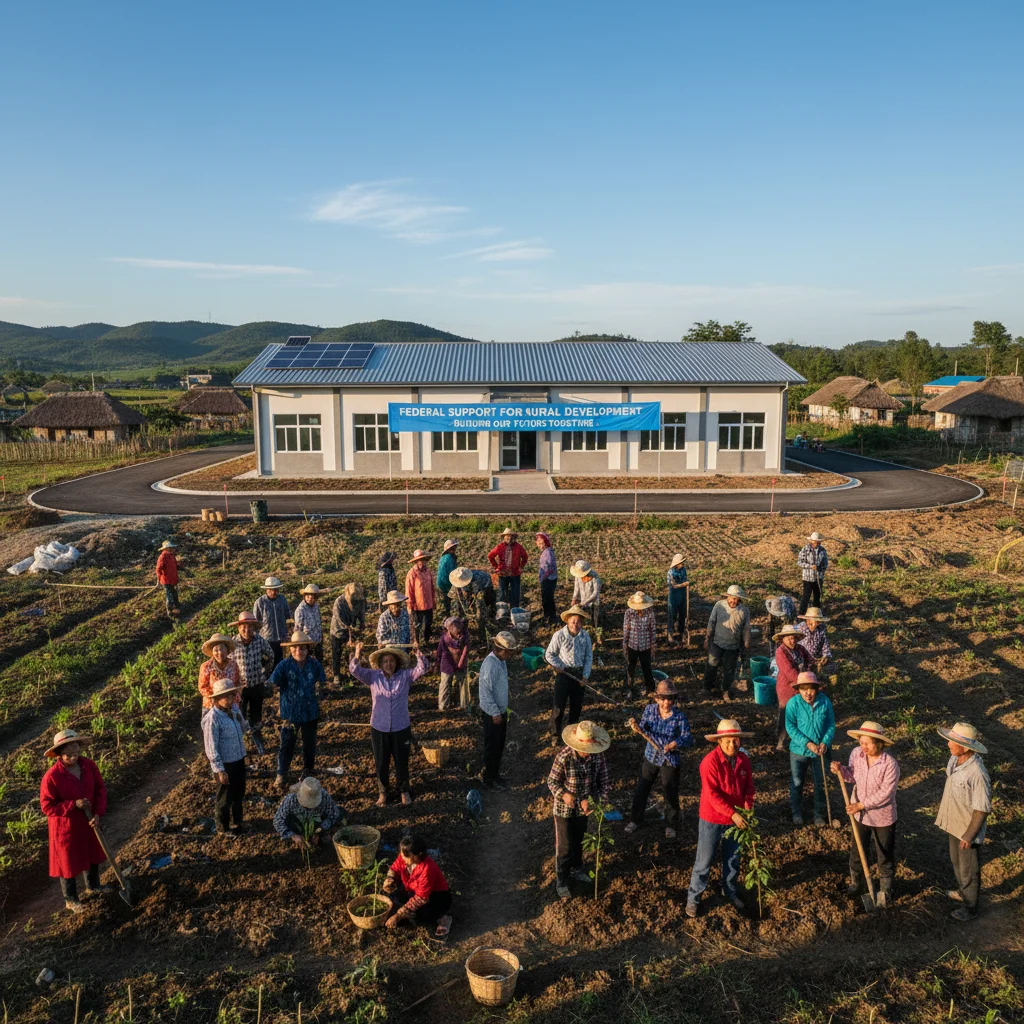
The backbone of any thriving nation lies in the strength and vitality of all its communities, including its rural areas. For too long, many rural regions have faced significant challenges, from limited access to essential services and economic opportunities to brain drain and infrastructure deficits. However, the landscape is shifting, with a renewed focus on empowering these underserved communities. As we look towards 2026, a critical avenue for this empowerment comes in the form of robust rural development grants from the federal government. These grants are not just financial aid; they are catalysts for transformation, enabling communities to build resilient futures, provide vital services, and foster sustainable growth.
Understanding and effectively navigating the complex world of federal funding is paramount for rural communities seeking to bridge existing gaps and unlock their full potential. This comprehensive guide will delve into the intricacies of rural development programs for 2026, highlighting key grant opportunities, outlining the application process, and offering insights into maximizing your chances of securing the funding needed to bring essential services and economic revitalization to your community.
The Imperative of Rural Development Programs
Rural communities, often characterized by their natural beauty, close-knit social structures, and unique cultural heritage, are also frequently at the forefront of challenges such as aging populations, dwindling job markets, and inadequate access to modern amenities. These issues create a cycle of decline that can be difficult to break without external support. Federal rural development grants are designed precisely to interrupt this cycle, offering a lifeline to communities striving for self-sufficiency and improved quality of life.
The impact of well-implemented rural development programs extends far beyond immediate financial relief. They stimulate local economies by creating jobs, attracting new businesses, and retaining existing ones. They enhance public health by funding new healthcare facilities and improving access to medical services. They bolster educational outcomes through investments in schools and technology. Crucially, they empower residents, fostering a sense of ownership and collective responsibility for their community’s future. The foresight to invest in rural areas through strategic rural development grants is an investment in the nation’s overall prosperity and stability.
Key Areas Targeted by Rural Development Grants
Federal rural development grants are typically broad in scope, aiming to address a multifaceted array of needs. While specific program priorities can shift from year to year, the core areas of focus remain consistent. These include:
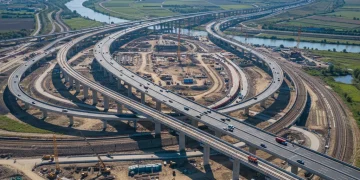
- Infrastructure Development: This is often the most visible and impactful area. It encompasses funding for improved roads, bridges, water and wastewater systems, telecommunications infrastructure (especially broadband internet), and energy efficiency projects. Reliable infrastructure is the foundation upon which all other development can be built.
- Community Facilities: Grants in this category support the construction or renovation of essential public facilities. This can include schools, libraries, healthcare clinics, community centers, public safety facilities (fire stations, police departments), and even childcare centers. These facilities are critical for the social well-being and health of a community.
- Economic Development: These grants aim to foster job creation and economic growth. This might involve funding for business incubators, small business loans, technical assistance for entrepreneurs, workforce training programs, and projects that attract tourism or diversify local economies.
- Housing: Addressing the need for safe, affordable housing is a critical component of rural development. Grants can support the construction, rehabilitation, or repair of homes for low-income individuals and families, as well as provide rental assistance.
- Environmental and Conservation Programs: Many rural areas are rich in natural resources. Grants can support sustainable agriculture, conservation efforts, renewable energy projects, and initiatives that protect natural habitats while promoting economic benefits.
By targeting these diverse sectors, rural development grants provide a holistic approach to community revitalization, ensuring that progress is balanced and sustainable.
Navigating the Federal Grant Landscape for 2026
The federal government offers a multitude of programs designed to support rural communities. Key agencies responsible for administering these rural development grants include:
- U.S. Department of Agriculture (USDA) Rural Development: This is arguably the most significant player in rural funding. USDA Rural Development offers a vast portfolio of loan, grant, and loan guarantee programs for housing, essential community facilities, utilities, and business development. Programs like the Community Facilities Direct Loan & Grant Program, Water and Waste Disposal Loan & Grant Program, and Rural Business Development Grants are foundational.
- Department of Commerce (Economic Development Administration – EDA): The EDA focuses on creating jobs, fostering economic growth, and improving economic stability in distressed communities. While not exclusively rural, many of its programs, such as Public Works and Economic Adjustment Assistance, significantly benefit rural areas.
- Department of Health and Human Services (HHS): HHS offers grants that support rural healthcare infrastructure, primary care services, substance abuse treatment, and telehealth initiatives, often through agencies like the Health Resources and Services Administration (HRSA).
- Department of Transportation (DOT): DOT provides funding for rural transportation infrastructure, including roads, bridges, and public transit, through programs like the Rural Surface Transportation Grant Program.
- Department of Energy (DOE): DOE grants often focus on renewable energy projects, energy efficiency improvements, and rural electric modernization.
- Environmental Protection Agency (EPA): EPA grants support environmental infrastructure, clean water initiatives, and sustainable development in rural areas.
For 2026, it is anticipated that many of these established programs will continue, with potential new initiatives or increased funding allocations reflecting current policy priorities. Keeping abreast of legislative changes and agency announcements will be crucial for prospective applicants seeking rural development grants.
Anticipated Priorities for 2026
While specific calls for proposals will be released closer to 2026, several overarching themes are likely to guide federal funding priorities for rural development grants:
- Broadband Expansion: The digital divide remains a critical issue in rural America. Expect continued and possibly increased emphasis on funding projects that expand high-speed internet access to unserved and underserved rural areas. This is seen as essential for education, healthcare, economic development, and civic engagement.
- Climate Resilience and Sustainable Infrastructure: With growing concerns about climate change, grants will likely prioritize projects that build climate-resilient infrastructure, promote renewable energy, support sustainable agriculture, and protect natural resources.
- Healthcare Access and Equity: Addressing healthcare disparities in rural areas will continue to be a priority. This includes funding for rural hospitals, telehealth infrastructure, mental health services, and initiatives to attract and retain healthcare professionals in underserved regions.
- Workforce Development and Economic Diversification: Programs aimed at reskilling workers, supporting local businesses, fostering entrepreneurship, and diversifying rural economies beyond traditional sectors will remain important.
- Affordable Housing: The need for quality, affordable housing in rural areas is persistent. Expect continued support for projects that increase housing options for various income levels.
Understanding these priorities will help communities tailor their project proposals to align with federal objectives, significantly increasing their chances of securing rural development grants.
The Grant Application Process: A Step-by-Step Guide
Securing federal rural development grants is a competitive process that requires meticulous planning, thorough research, and compelling proposal writing. Here’s a general roadmap to guide potential applicants:
Step 1: Research and Identify Suitable Programs
Begin by thoroughly researching available grant programs. Websites like Grants.gov are invaluable resources, acting as a central repository for all federal grant opportunities. Filter by agency, eligibility, and keywords like “rural development” or “community facilities.” Pay close attention to the Notice of Funding Opportunity (NOFO) or Funding Opportunity Announcement (FOA) for each program. These documents contain critical details:
- Eligibility Requirements: Who can apply? (e.g., local governments, non-profits, tribal entities).
- Funding Priorities: What types of projects are being funded?
- Application Deadline: Crucial for planning.
- Award Amounts: Minimum and maximum possible funding.
- Match Requirements: Is your organization required to contribute a percentage of the project cost?
- Evaluation Criteria: How will your application be scored?
Don’t limit your search to just one agency. Cross-agency collaboration is often encouraged, and a single project might be eligible for funding from multiple sources. For 2026, start this research well in advance.
Step 2: Assess Your Community’s Needs and Project Readiness
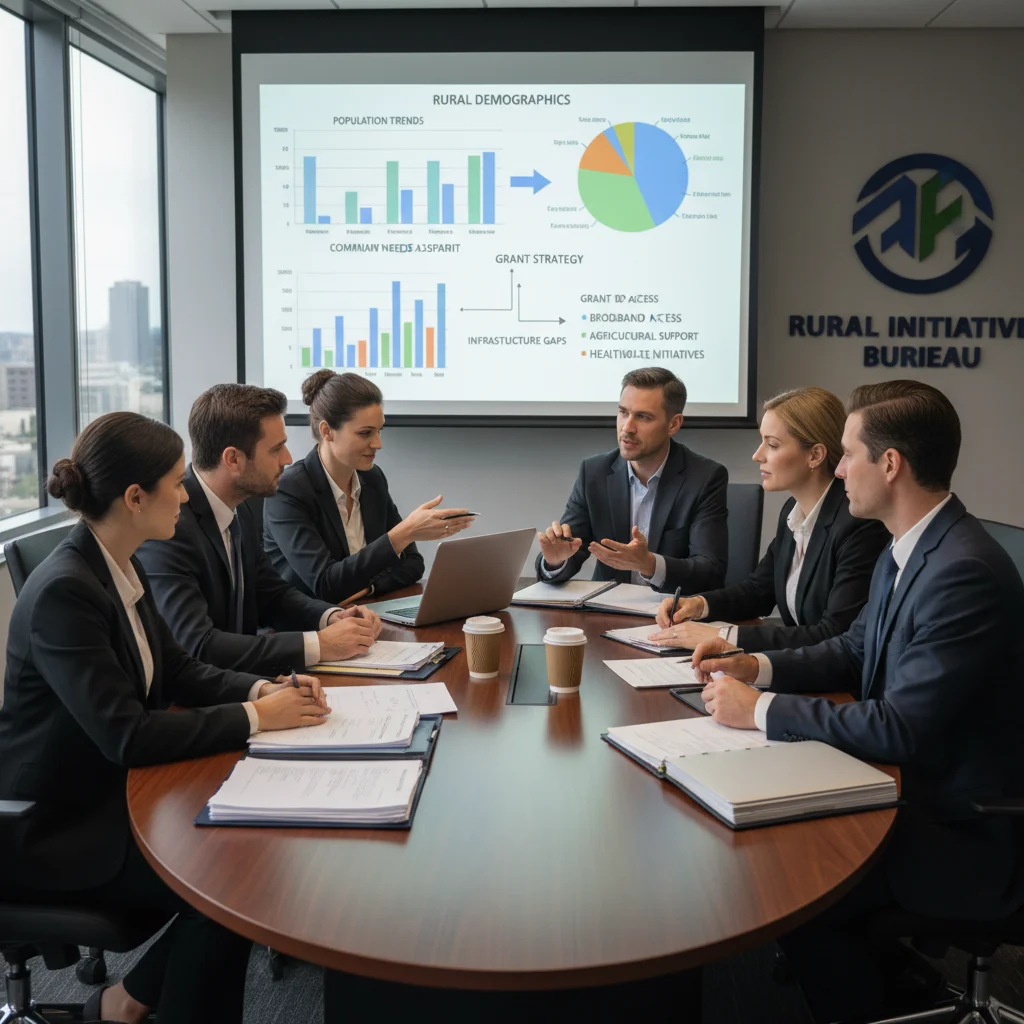
Before writing a single word of your proposal, conduct a comprehensive needs assessment for your community. What are the most pressing challenges? What essential services are lacking or inadequate? Gather data, conduct surveys, and engage community members to build a strong case for your project. Your project should directly address identified needs and have a clear, measurable impact.
Consider your organization’s capacity. Do you have the staff, expertise, and resources to successfully implement and manage the proposed project? Federal agencies look for applicants with a demonstrated ability to execute. If there are gaps, consider partnerships with other organizations or capacity-building initiatives.
Step 3: Develop a Strong Project Proposal
A compelling project proposal is the cornerstone of a successful grant application. It should clearly articulate:
- Executive Summary: A concise overview of your project, its goals, and anticipated impact.
- Problem Statement/Needs Assessment: Clearly define the problem your project will solve, supported by data and evidence.
- Project Goals and Objectives: What do you aim to achieve? Objectives should be SMART (Specific, Measurable, Achievable, Relevant, Time-bound).
- Project Activities/Methodology: Detail the steps you will take to achieve your objectives. Be specific about timelines and responsibilities.
- Organizational Capacity: Demonstrate your organization’s experience, expertise, and resources to successfully implement the project.
- Budget: A detailed and realistic budget outlining all project costs and how federal funds will be utilized. Justify every expense.
- Evaluation Plan: How will you measure the success of your project? What metrics will you use?
- Sustainability Plan: How will the project continue to operate and be maintained after the grant funding ends? Federal agencies are interested in long-term impact.
- Partnerships: Highlight any collaborations with other local organizations, businesses, or government entities. Partnerships often strengthen an application.
Always adhere strictly to the guidelines provided in the NOFO. Missing even minor requirements can lead to automatic disqualification. Reviewers are often looking for projects that are innovative, replicable, and have a broad community impact.
Step 4: Register and Prepare for Submission
Before you can apply for federal rural development grants, your organization must be registered in several federal systems, including:
- System for Award Management (SAM): This is mandatory for all federal award recipients. Ensure your SAM registration is active and up-to-date. This process can take several weeks, so start early.
- Grants.gov: Register your organization and designate an Authorized Organization Representative (AOR).
Gather all necessary supporting documentation, such as letters of support, résumés of key personnel, financial statements, and environmental reviews. Ensure all documents are in the required format.
Step 5: Submit and Follow Up
Submit your application well before the deadline to avoid any last-minute technical issues. Once submitted, keep a record of your application. While direct follow-up on specific applications is generally not encouraged during the review phase, it’s good practice to stay informed about the program and agency announcements. If your application is successful, be prepared for the grant agreement process, which involves legal and administrative steps.
Maximizing Your Chances of Success with Rural Development Grants
Beyond the basic steps, several strategies can significantly enhance your prospects of securing competitive rural development grants:
- Start Early: Grant writing is not an overnight process. Give yourself ample time for research, needs assessment, partnership building, writing, and review. For 2026 grants, begin planning in late 2024 or early 2025.
- Build Relationships: Attend webinars, conferences, and outreach events hosted by federal agencies. Connect with program officers if they offer outreach opportunities – they can provide valuable insights into program priorities (though they cannot pre-review proposals).
- Collaborate and Partner: Many federal grants favor collaborative projects. Partnering with other local governments, non-profits, educational institutions, or businesses can strengthen your application by demonstrating broader community support and shared resources.
- Demonstrate Community Impact: Clearly articulate how your project will benefit the community, not just a select few. Quantify the impact whenever possible (e.g., “create 20 new jobs,” “provide broadband to 500 households,” “increase access to healthcare for 1,000 residents”).
- Show Sustainability: Federal agencies want to see that their investment will have a lasting impact. Detail how your project will continue to operate and be funded after the grant period ends.
- Proofread Meticulously: A well-written, error-free proposal reflects professionalism and attention to detail. Have multiple people review your application before submission.
- Learn from Rejection: If an application is unsuccessful, request feedback from the granting agency. Use this feedback to improve future proposals. Persistence is key in the competitive world of grant funding.
- Leverage Data: Use reliable, current data to support your claims about community needs and the potential impact of your project. Federal agencies appreciate data-driven proposals.
- Understand Cost-Sharing/Match Requirements: Many federal grants require a local match (cash or in-kind contributions). Clearly outline how you will meet this requirement, as it demonstrates local commitment.
The Transformative Power of Rural Development Grants
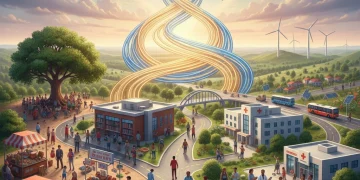
The successful acquisition and implementation of rural development grants can be truly transformative for underserved communities. Consider the hypothetical scenario of ‘Harmony Ridge,’ a rural town struggling with an aging water infrastructure and a lack of high-speed internet. Through a combination of USDA Rural Development Water and Waste Disposal grants and an NTIA (National Telecommunications and Information Administration) Broadband grant, Harmony Ridge could replace its dilapidated water pipes, ensuring clean, reliable water for its residents, while simultaneously laying fiber optic cables. This dual investment not only improves public health and quality of life but also opens up new economic possibilities, attracting remote workers and enabling local businesses to compete in a digital economy.
Another example could be a small county seat, ‘Prairieville,’ with limited access to healthcare. A Community Facilities Grant from USDA could help fund a new wing for their existing clinic, expanding services to include mental health counseling and a dental office. Simultaneously, an HHS grant could support the recruitment of new healthcare professionals and the establishment of a telehealth program, significantly boosting access to essential medical care for hundreds of residents who previously had to travel hours for specialized treatment.
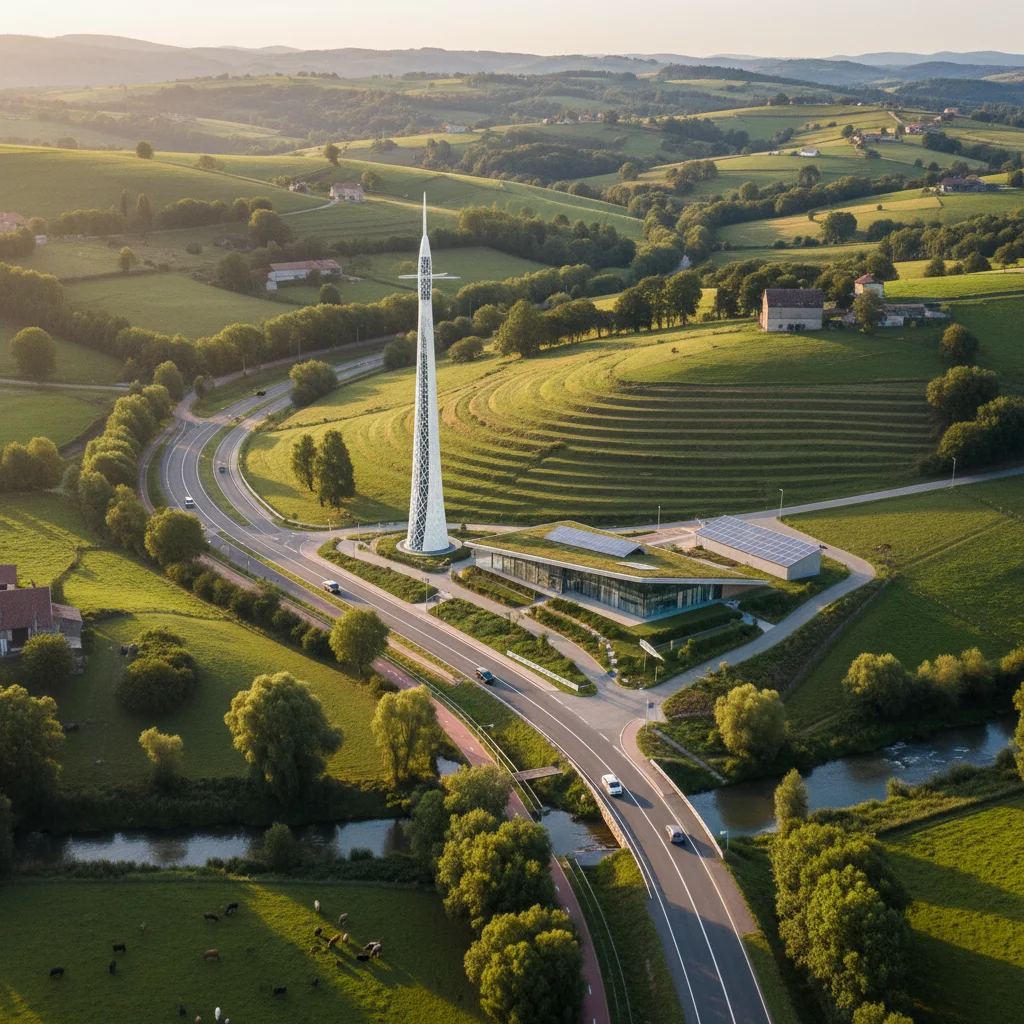
These examples underscore the profound and multifaceted impact of strategic federal investments. Rural development grants are not merely handouts; they are strategic investments in the human capital, economic potential, and overall resilience of rural America. They empower local leaders and community members to identify their unique needs and implement tailored solutions, fostering self-reliance and sustainable growth.
Looking Ahead to 2026 and Beyond
As we approach 2026, the commitment to rural development at the federal level is expected to remain strong. Policymakers increasingly recognize that a strong rural America is vital for the entire nation’s prosperity and security. The challenges facing rural communities are complex and require sustained effort and investment. Therefore, understanding and actively pursuing rural development grants will continue to be a cornerstone of effective community planning and revitalization efforts.
For community leaders, non-profit organizations, and local governments in underserved rural areas, the time to prepare is now. Begin your research, build your partnerships, assess your needs, and develop robust project proposals. Engage your community in the vision, ensuring that the projects you pursue truly reflect their aspirations and address their most critical needs. By proactively engaging with federal funding opportunities, rural communities can seize the moment to build a more equitable, prosperous, and sustainable future for all their residents.
The Role of Advocacy and Information Sharing
Beyond individual grant applications, advocacy plays a crucial role in shaping the future of rural development grants. Engaging with elected officials, participating in rural advocacy groups, and sharing success stories can help ensure that federal programs remain robust and responsive to the evolving needs of rural communities. Furthermore, creating networks for information sharing among rural communities can help spread best practices, share grant writing tips, and foster collaborative projects that might not otherwise be possible.
The landscape of federal funding is dynamic, with programs often evolving to meet new challenges and opportunities. Staying informed through official government channels, subscribing to agency newsletters, and participating in relevant forums will be essential for anyone looking to leverage rural development grants in 2026 and the years that follow. The journey towards a thriving rural America is a continuous one, and federal grants are a powerful tool in making that journey successful.
Conclusion: A Future Forged by Investment and Innovation
The availability of federal rural development grants in 2026 represents a significant opportunity for underserved communities across the nation. These programs offer more than just financial assistance; they provide the means to invest in critical infrastructure, enhance essential services, stimulate economic growth, and ultimately, improve the quality of life for millions of rural Americans. By understanding the federal landscape, meticulously preparing compelling applications, and focusing on sustainable, community-driven projects, rural leaders can unlock the transformative power of these grants.
The path to securing these funds requires diligence, strategic planning, and a deep understanding of both community needs and federal priorities. However, the rewards—resilient economies, modernized infrastructure, improved health outcomes, and empowered citizens—are immeasurable. As we look to 2026, let us collectively commit to maximizing the potential of these rural development grants, ensuring that every rural community has the resources it needs to thrive and contribute fully to the nation’s progress. The future of rural America is bright, built on a foundation of strategic investment and local innovation.