Affordable Housing Crisis: 7 Innovative U.S. Approaches to Create 50,000 New Units by Mid-2026
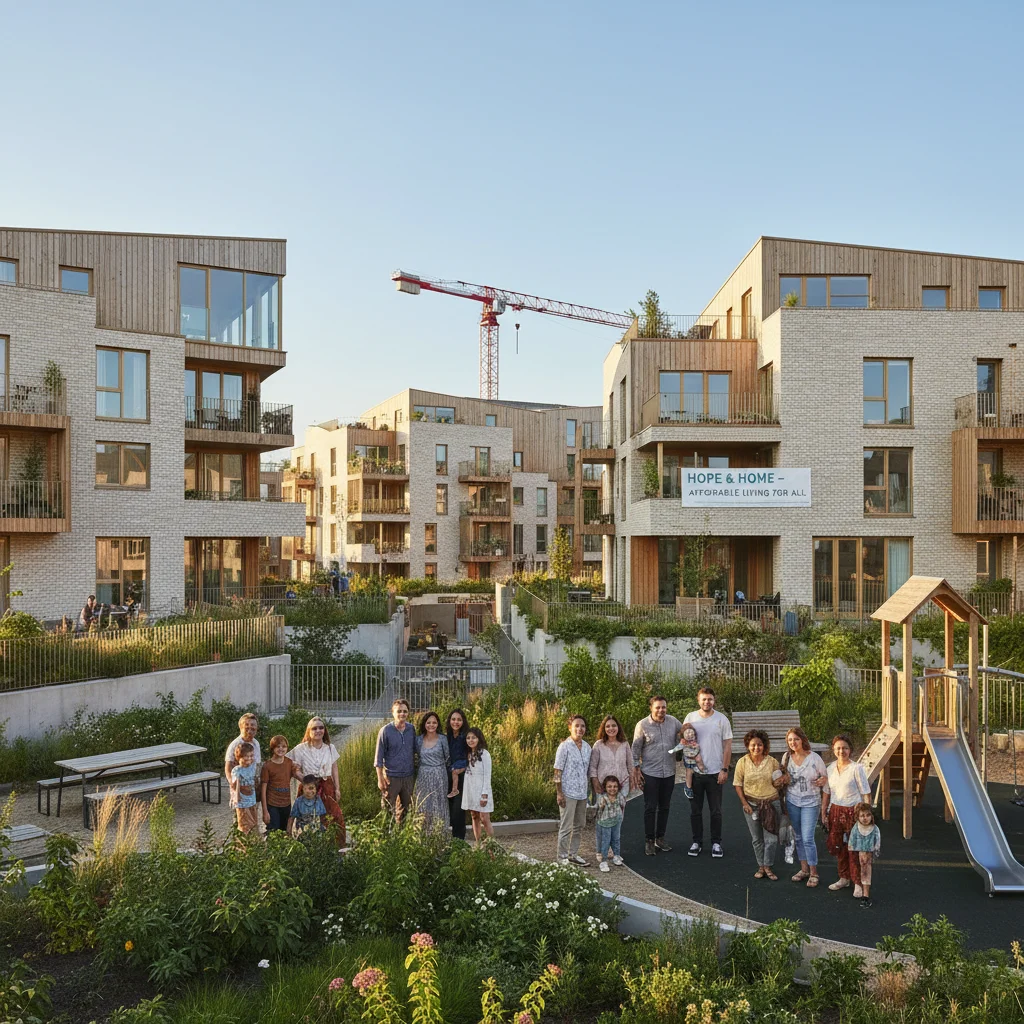
The United States is grappling with an escalating affordable housing crisis, a multifaceted challenge impacting millions of individuals and families across the nation. From soaring rental costs to a severe shortage of available units, the ramifications are widespread, affecting economic stability, social equity, and overall community well-being. This crisis isn’t merely a statistic; it represents countless stories of struggle, displacement, and the deferred dream of homeownership or even stable tenancy. The demand for housing far outstrips supply in many urban and rural areas, leading to inflated prices that push low and middle-income earners to the brink. The problem is exacerbated by stagnant wages, rising construction costs, and restrictive zoning laws, creating a perfect storm that makes finding safe, decent, and affordable housing an increasingly daunting task for many Americans.
However, amidst this challenging landscape, a beacon of hope emerges through innovative strategies and dedicated efforts. Across the U.S., various organizations, government bodies, and private enterprises are pioneering new approaches to combat the housing shortage. These initiatives are not just stop-gap measures; they represent a concerted push towards sustainable, long-term affordable housing solutions. The goal is ambitious yet critical: to create 50,000 new affordable housing units by mid-2026. This target underscores a collective commitment to addressing the crisis head-on, leveraging creativity, technology, and community collaboration to deliver tangible results. This article delves into seven such innovative approaches, examining their potential to reshape the housing landscape and provide much-needed relief to those most affected by the crisis.
Understanding the Scope of the Affordable Housing Crisis
Before diving into the solutions, it’s crucial to grasp the sheer scale of the affordable housing crisis in the U.S. The National Low Income Housing Coalition’s 2023 ‘Out of Reach’ report highlights a staggering reality: no state in the U.S. has an adequate supply of affordable rental housing for its lowest-income renters. On average, a minimum wage worker needs to work nearly 96 hours per week to afford a modest two-bedroom rental home at fair market rent. This disparity creates immense pressure on families, forcing them to make impossible choices between housing, food, healthcare, and other basic necessities. The crisis disproportionately affects marginalized communities, including people of color, single-parent households, the elderly, and individuals with disabilities. Homelessness rates are on the rise, and a significant portion of the population spends more than 30% of their income on housing, a widely accepted benchmark for housing affordability. The economic consequences are equally severe, as the lack of affordable housing hinders workforce development, deters economic growth, and places an undue burden on social services. Addressing this crisis is not just a matter of social justice; it is an economic imperative that requires innovative and systemic change to foster sustainable affordable housing solutions.
1. Modular and Prefabricated Construction: Speeding Up Supply
One of the most promising avenues for accelerating the creation of affordable housing units is the widespread adoption of modular and prefabricated construction techniques. Traditional construction methods are often plagued by lengthy timelines, unpredictable costs, and labor shortages. Modular construction, where building components or entire sections are manufactured off-site in a controlled factory environment and then transported for assembly, offers a compelling alternative. This approach significantly reduces construction time, minimizes waste, and allows for greater quality control. Furthermore, factory production can occur year-round, regardless of weather conditions, further streamlining the process. Projects that once took years can now be completed in a fraction of the time, dramatically increasing the speed at which new units can come online. Several states and cities are already investing heavily in modular construction factories and incentivizing developers to utilize these methods for affordable housing solutions. For example, some initiatives are exploring how to standardize modular designs to achieve economies of scale, making these units even more cost-effective. The goal is not just to build faster, but to build smarter, creating durable, energy-efficient, and aesthetically pleasing homes that can be rapidly deployed to address urgent housing needs.
2. Adaptive Reuse of Commercial Buildings: Repurposing for Residential
As remote work trends continue to reshape the urban landscape, many commercial buildings, particularly office spaces and retail centers, are experiencing decreased occupancy. This presents a unique opportunity for adaptive reuse – converting these underutilized structures into residential units. This innovative approach offers several advantages. Firstly, it leverages existing infrastructure, reducing the need for new land acquisition and extensive groundwork, which are often significant cost drivers in new construction. Secondly, it revitalizes urban cores, transforming vacant or struggling commercial districts into vibrant, mixed-use communities. Thirdly, adaptive reuse can often be faster than ground-up construction, as the building shell and some utilities are already in place. Challenges include navigating complex zoning regulations, ensuring structural integrity for residential use, and redesigning interiors to meet residential standards. However, cities are increasingly offering incentives and streamlining permitting processes to encourage these conversions. By repurposing these existing assets, communities can unlock a significant number of potential new homes, contributing directly to the 50,000-unit goal and providing creative affordable housing solutions within established urban fabrics.
3. Community Land Trusts (CLTs) and Shared Equity Models: Ensuring Long-Term Affordability
The challenge with many affordable housing initiatives is maintaining affordability over the long term. As property values rise, even initially affordable units can become out of reach for future generations. Community Land Trusts (CLTs) offer a robust solution to this problem. In a CLT model, the trust owns the land permanently, while homeowners purchase or lease the homes themselves. This separation of land and home ownership significantly reduces the upfront cost for buyers. When a homeowner decides to sell, they sell the home at a restricted price, ensuring that it remains affordable for subsequent low-income buyers. This shared equity model prevents speculation and preserves affordability for generations. CLTs are typically governed by a board composed of residents, community members, and public representatives, ensuring that decisions reflect local needs and priorities. This model fosters community stability and wealth building for low-income families, providing a sustainable pathway to homeownership. The expansion of CLTs across the U.S. is a critical component of achieving lasting affordable housing solutions, protecting units from market fluctuations and securing housing stability for the most vulnerable populations.
4. Transit-Oriented Development (TOD) with Inclusionary Zoning: Maximizing Infrastructure
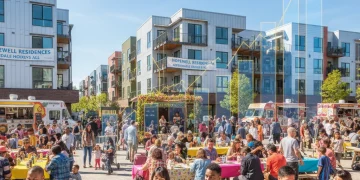
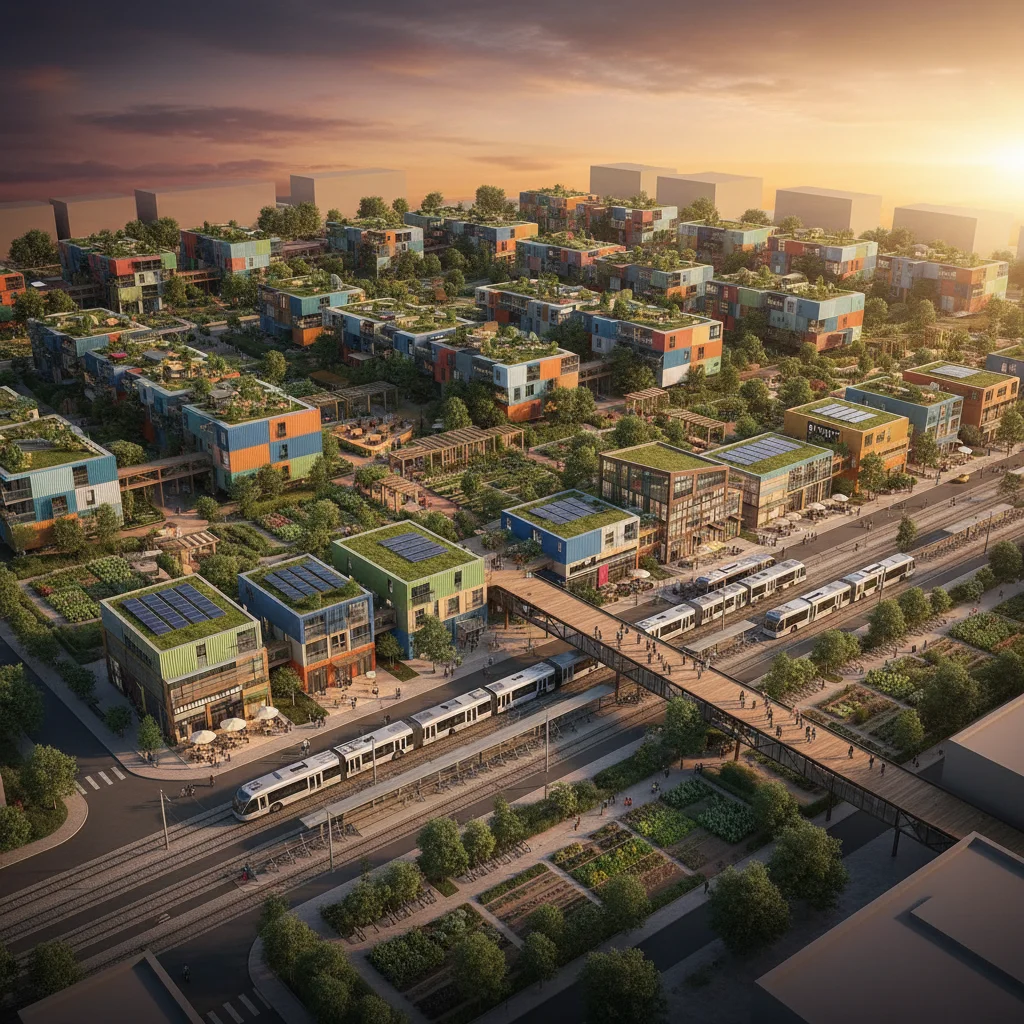
Transit-Oriented Development (TOD) focuses on creating dense, mixed-use communities around public transportation hubs. This approach not only reduces reliance on personal vehicles and promotes sustainable living but also offers a prime opportunity to integrate affordable housing. By building housing near transit, residents have easier access to jobs, education, and services, reducing transportation costs – a significant burden for many low-income families. When combined with inclusionary zoning policies, TOD becomes an even more powerful tool for affordable housing solutions. Inclusionary zoning mandates that a certain percentage of units in new developments must be set aside for low- and moderate-income households. This ensures that as new, often market-rate, developments are built around transit lines, a portion of the housing stock remains affordable, preventing displacement and fostering socio-economic diversity. Cities are increasingly leveraging their public transit investments to drive housing development, recognizing the synergistic benefits of integrated planning. This strategy helps to create vibrant, accessible communities while simultaneously addressing the housing shortage, contributing significantly to the goal of 50,000 new units by mid-2026.
5. Public-Private Partnerships (PPPs) and Innovative Financing: Unlocking Capital
Tackling the affordable housing crisis requires substantial financial investment, often beyond the capacity of any single entity. Public-private partnerships (PPPs) are emerging as a crucial mechanism to unlock the necessary capital and expertise. These collaborations bring together government agencies, private developers, non-profit organizations, and financial institutions to pool resources, share risks, and accelerate project delivery. Innovative financing mechanisms are at the heart of successful PPPs for affordable housing solutions. This includes leveraging Low-Income Housing Tax Credits (LIHTC), issuing municipal bonds, establishing revolving loan funds, and attracting impact investors who seek both financial returns and social good. Some partnerships are exploring creative land deals, where public land is leased or sold at below-market rates to developers committed to building affordable housing. These arrangements often come with long-term affordability covenants, ensuring the housing remains accessible for decades. By fostering these collaborative frameworks and diversifying funding sources, communities can overcome financial hurdles that traditionally impede affordable housing development, paving the way for scalable and sustainable projects.
6. Accessory Dwelling Units (ADUs) and Zoning Reform: Increasing Density Organically
Accessory Dwelling Units (ADUs), also known as granny flats, in-law suites, or backyard cottages, are secondary housing units on a single-family residential lot. Historically restricted by stringent zoning laws, ADUs are gaining traction as a flexible and relatively low-cost way to increase housing density and provide affordable housing solutions. Many states and municipalities are reforming their zoning codes to make it easier for homeowners to build ADUs, recognizing their potential to add to the housing supply without altering neighborhood character significantly. ADUs can provide additional income for homeowners, allowing them to remain in their homes, while simultaneously offering affordable rental options for students, young professionals, or elderly family members. The permitting process is being streamlined, and some jurisdictions offer financial incentives or pre-approved plans to encourage ADU construction. This organic approach to increasing density can be scaled across numerous properties, collectively contributing a substantial number of new units. It empowers individual homeowners to be part of the solution, adding diverse housing options to communities that desperately need them.
7. Supportive Housing and Services Integration: Addressing Complex Needs
For many individuals experiencing chronic homelessness or facing severe housing instability, simply providing a roof over their heads is not enough. Supportive housing integrates affordable housing with comprehensive support services, such as mental health counseling, substance abuse treatment, job training, and case management. This holistic approach addresses the underlying issues that often contribute to housing instability, leading to significantly better outcomes for residents. While more complex to implement, supportive housing is a highly effective affordable housing solution for some of the most vulnerable populations. It not only provides stable housing but also fosters personal growth and self-sufficiency, ultimately reducing reliance on emergency services and healthcare systems. Funding for supportive services often comes from a variety of sources, including federal grants, state programs, and philanthropic contributions. Expanding supportive housing initiatives is crucial for tackling the most acute aspects of the housing crisis and ensuring that all members of society have access to stable, dignified living conditions, contributing to the broader goal of 50,000 new units.
Challenges and the Path Forward for Affordable Housing Solutions
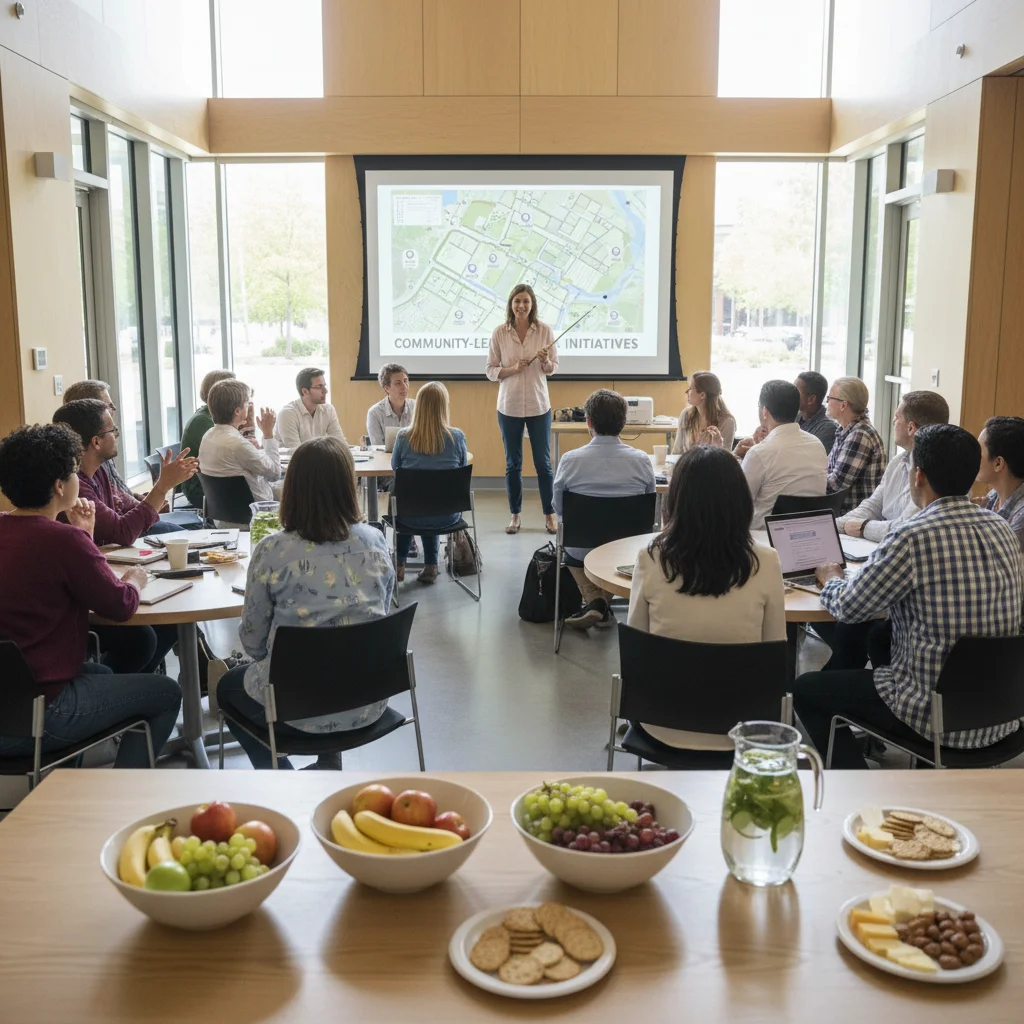
While these innovative approaches offer immense promise, their implementation is not without challenges. Funding remains a perennial obstacle, requiring consistent political will and robust financial commitments from all levels of government and the private sector. NIMBYism (‘Not In My Backyard’) attitudes often hinder new developments, especially affordable housing projects, due to concerns about property values, traffic, and neighborhood character. Overcoming these objections requires extensive community engagement, transparent communication, and demonstrating the tangible benefits of diverse housing options. Furthermore, navigating complex regulatory frameworks, securing necessary permits, and addressing labor shortages in the construction industry add layers of complexity. Supply chain disruptions, particularly for materials used in modular construction, can also impact timelines and costs.
Despite these hurdles, the momentum for innovative affordable housing solutions is growing. Advocacy groups are playing a crucial role in raising awareness and pushing for policy changes. Technological advancements continue to make construction more efficient and sustainable. The increasing recognition of housing as a fundamental human right is shifting public discourse and encouraging greater investment. The target of 50,000 new units by mid-2026 is ambitious but achievable, provided there is sustained collaboration, political leadership, and a commitment to scaling up successful models. The path forward involves a multi-pronged strategy that combines these innovative approaches with strong public policy, community buy-in, and continuous adaptation to evolving economic and social landscapes. It requires a holistic view that considers not just the physical structures but also the social and economic ecosystems that make a community thrive.
The Long-Term Impact and Vision for a Housing-Secure Future
The successful implementation of these seven innovative approaches to create 50,000 new affordable housing units by mid-2026 will have profound and lasting impacts on communities across the United States. Beyond the immediate relief of providing homes, these affordable housing solutions are foundational to building more equitable, resilient, and economically vibrant societies. When individuals and families have stable, affordable housing, they experience improved health outcomes, enhanced educational attainment for children, and greater financial stability. This stability reduces stress, fosters mental well-being, and allows people to invest in their futures and contribute more fully to their communities. Businesses benefit from a stable workforce, and local economies thrive with reduced poverty and increased consumer spending. Furthermore, by embracing sustainable construction methods and transit-oriented development, these initiatives contribute to environmental protection and climate resilience, aligning housing goals with broader ecological imperatives.
The vision for a housing-secure future extends beyond simply meeting a numerical target. It envisions communities where housing is seen as a right, not a privilege; where diverse housing options are available to people of all income levels; and where neighborhoods are inclusive, supportive, and well-integrated. It means building housing that is not only affordable but also high-quality, energy-efficient, and designed to foster community connections. The lessons learned from these innovative approaches – from the efficiencies of modular construction to the long-term affordability secured by Community Land Trusts, and the holistic support offered by supportive housing – will inform future policies and developments. The success of these initiatives will serve as a powerful testament to what can be achieved when innovation, collaboration, and political will converge to address one of the nation’s most pressing challenges. It is a commitment to ensuring that every American has access to a safe, decent, and affordable place to call home, laying the groundwork for a more just and prosperous society for generations to come.
The journey to resolve the affordable housing crisis is ongoing, but the progress made through these innovative strategies offers a clear direction and renewed hope. By focusing on smart growth, sustainable practices, and community-centric development, the U.S. is poised to make significant strides towards a future where affordable housing is a reality for all.