Understanding 6.5% Mortgage Rates: Impact on Homeownership Costs in 2026
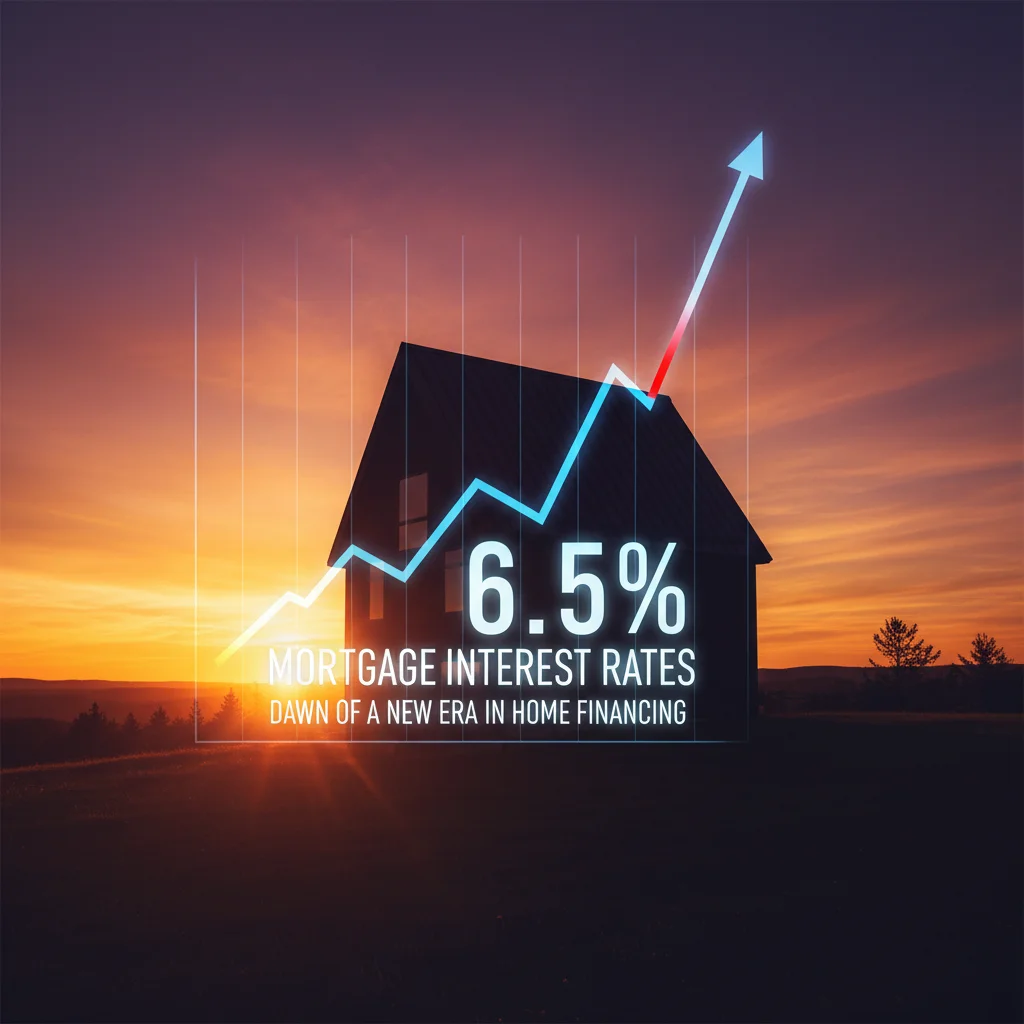
Understanding Current Mortgage Rates: How a 6.5% Interest Rate Impacts Your Homeownership Costs in 2026
The housing market is a dynamic and often unpredictable landscape, constantly influenced by a myriad of economic factors. For anyone looking to buy a home, refinance an existing mortgage, or simply understand their current financial position, understanding mortgage rates is paramount. As we look ahead to 2026, a hypothetical yet realistic scenario of a 6.5% mortgage rate presents a significant point of discussion for prospective and current homeowners alike. This comprehensive guide will delve into the intricacies of what a 6.5% mortgage rate could mean for your homeownership costs, affordability, and overall financial planning.
The journey of homeownership is often described as the American dream, a significant life milestone that combines emotional aspiration with substantial financial commitment. Central to this commitment are mortgage rates, which dictate the cost of borrowing money to purchase a home. A seemingly small percentage point change can translate into tens of thousands of dollars over the life of a loan, profoundly impacting monthly budgets and long-term wealth accumulation. Therefore, preparing for and understanding potential rate environments, such as a 6.5% mortgage rate, is not just prudent but essential for sound financial decision-making.
The Current Mortgage Rate Landscape and Future Projections
Before we dissect the impact of a 6.5% mortgage rate, it’s crucial to understand where we are coming from and the factors that influence these rates. Mortgage rates are not static; they fluctuate daily based on economic indicators like inflation, Federal Reserve policies, bond market performance, and global economic stability. In recent years, we’ve witnessed periods of historically low rates, followed by significant increases as central banks combat inflation.
Economists and financial analysts use various models to project future interest rate movements. While no one can predict the future with absolute certainty, these projections help us prepare for different scenarios. A 6.5% mortgage rate in 2026 is a plausible scenario, falling within a range that reflects a more normalized economic environment compared to the ultra-low rates of the past decade. This rate suggests a balance between controlling inflation and fostering economic growth, a tightrope walk for policymakers.
Understanding these underlying economic currents is vital. For instance, if inflation remains stubbornly high, the Federal Reserve might continue with tighter monetary policies, which typically push mortgage rates upwards. Conversely, a weakening economy could lead to a loosening of monetary policy, potentially driving rates down. The interplay of these forces makes forecasting a complex but necessary exercise for anyone considering a home purchase or refinance.
How a 6.5% Mortgage Rate Affects Your Monthly Payments
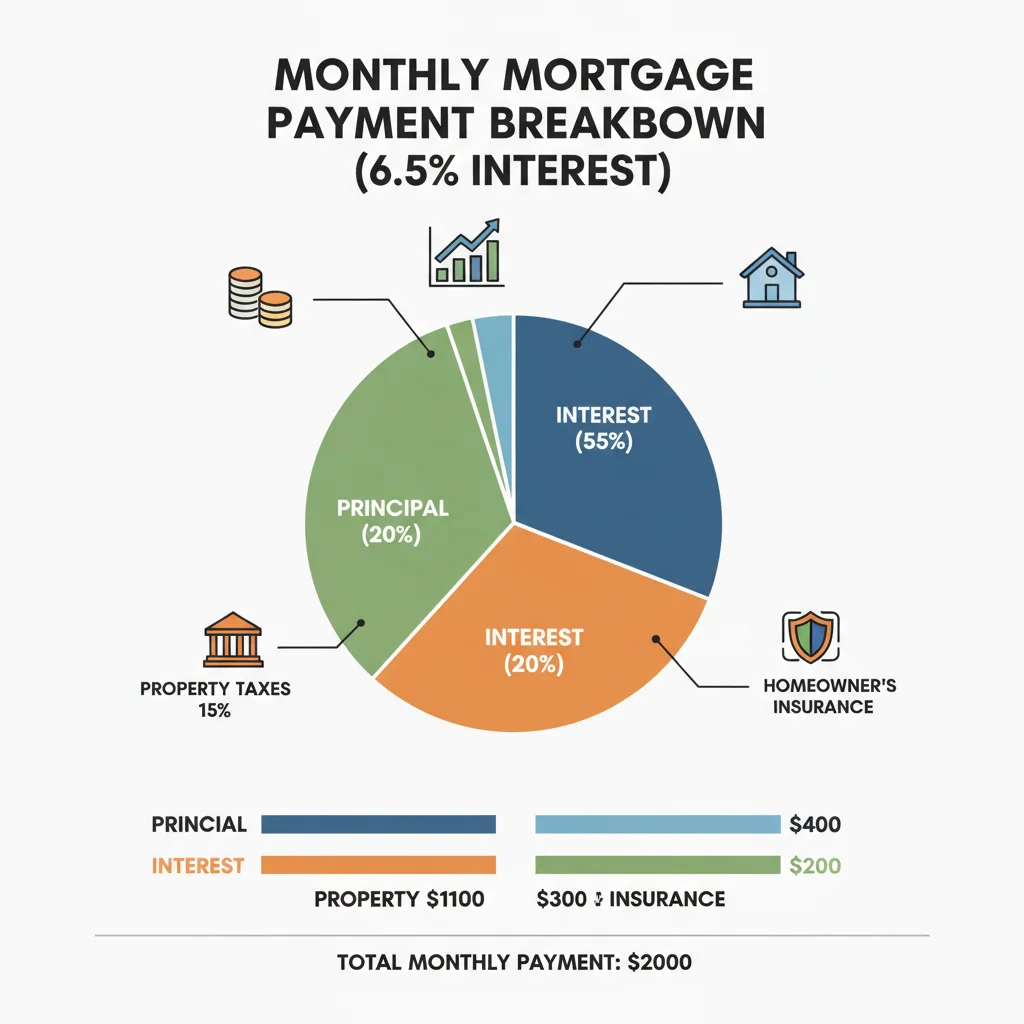
Let’s get down to the numbers. The most immediate and tangible impact of a 6.5% mortgage rate is on your monthly mortgage payment. This payment is primarily composed of principal and interest, with additional components like property taxes and homeowner’s insurance (PITI). For a given loan amount, a higher interest rate directly translates to a larger interest component, thus increasing your overall monthly outlay.
Illustrative Example: Loan Amount vs. Monthly Payment
To illustrate, let’s consider a few scenarios for a 30-year fixed-rate mortgage, which is the most common type of home loan. We will focus solely on the principal and interest portion for simplicity, acknowledging that taxes and insurance will add to the total.
- Scenario 1: $300,000 Loan at 6.5% Interest
At a 6.5% mortgage rate, the principal and interest payment for a $300,000 loan over 30 years would be approximately $1,896 per month. - Scenario 2: $400,000 Loan at 6.5% Interest
For a $400,000 loan, the monthly principal and interest payment at 6.5% mortgage rate would be around $2,528. - Scenario 3: $500,000 Loan at 6.5% Interest
A $500,000 loan would result in a monthly principal and interest payment of roughly $3,160 at 6.5% mortgage rate.
These figures highlight the significant financial commitment involved. Comparing these to payments at lower rates, say 3% or 4%, reveals a substantial difference. For instance, a $300,000 loan at 3% would have a principal and interest payment of about $1,265, a difference of over $600 per month compared to the 6.5% mortgage rate scenario. This difference accumulates significantly over the loan’s lifetime.
Understanding this direct correlation is crucial for budgeting. Prospective buyers need to factor in these higher payments when calculating what they can realistically afford. Existing homeowners considering refinancing must weigh the benefits of a new loan against potentially higher monthly payments if current rates are lower than 6.5% mortgage rate.
Affordability Challenges and Strategies in a 6.5% Rate Environment
A 6.5% mortgage rate environment undoubtedly presents affordability challenges for many aspiring homeowners. The higher monthly payments reduce the amount of home a buyer can afford for the same budget, or alternatively, require a larger income to qualify for the same home value. This can shrink the pool of eligible buyers and potentially cool down a hot housing market.
Impact on First-Time Homebuyers
First-time homebuyers are often the most affected by rising interest rates. They typically have less equity from a previous home sale, smaller down payments, and may be more sensitive to monthly payment fluctuations. A 6.5% mortgage rate can push homeownership further out of reach for some, leading to longer periods of saving or a reassessment of their home-buying goals.
Strategies to Enhance Affordability
Despite the challenges, there are strategies to navigate a 6.5% mortgage rate environment:
- Increase Your Down Payment: A larger down payment reduces the loan amount, thereby lowering your monthly principal and interest payments. It also reduces the total interest paid over the life of the loan.
- Improve Your Credit Score: A strong credit score (typically 740 or higher) can help you qualify for the best available rates, even within a higher rate environment. Lenders view borrowers with excellent credit as lower risk.
- Consider Different Loan Types: While a 30-year fixed-rate mortgage is popular, exploring options like a 15-year fixed-rate mortgage (which has higher monthly payments but significantly less interest paid over time) or even an adjustable-rate mortgage (ARM) could be beneficial. ARMs often start with lower interest rates for an initial period, which can be advantageous if you plan to move or refinance before the rate adjusts. However, ARMs come with inherent risks if rates increase significantly.
- Shop Around for Lenders: Different lenders offer varying rates and fees. It’s crucial to compare offers from multiple lenders to secure the most favorable terms. Even a small difference in the interest rate can save you thousands over the loan’s life.
- Look for Less Expensive Homes or Locations: Adjusting your home search to more affordable price points or exploring properties in slightly less competitive neighborhoods can make homeownership more attainable.
These strategies, when combined, can significantly mitigate the impact of a 6.5% mortgage rate and open doors to homeownership that might otherwise seem closed.
The Long-Term Financial Implications of a 6.5% Mortgage Rate
The impact of a 6.5% mortgage rate extends beyond just monthly payments; it has significant long-term financial implications that prospective homeowners must consider. The total interest paid over the life of a 30-year mortgage is a substantial figure, and a higher interest rate dramatically inflates this amount.
Total Interest Paid Over Loan Term
Let’s revisit our $300,000 loan example. At a 6.5% mortgage rate, the total interest paid over 30 years would be approximately $382,560. When added to the principal, the total repayment amounts to over $682,560. Compare this to a 3% rate, where the total interest would be around $159,400, and the total repayment $459,400. The difference in total interest paid is staggering, highlighting the long-term cost of borrowing at higher rates.
This means that while you are building equity in your home, a larger portion of your early payments goes towards interest rather than principal reduction. This slower equity buildup can affect your financial flexibility and wealth accumulation over time. Understanding this long-term cost is vital for making informed decisions about loan terms and potential refinancing opportunities in the future.
Considerations for Refinancing
For homeowners who secured lower rates in the past, a 6.5% mortgage rate might seem high. However, for those with even higher rates or looking to tap into their home equity, refinancing could still be an option. The decision to refinance should always be based on a thorough analysis of your current loan terms, the new loan terms, closing costs, and your financial goals.
If rates drop below 6.5% mortgage rate in the future, refinancing could offer an opportunity to reduce monthly payments and total interest paid. Conversely, if you currently have a rate significantly higher than 6.5% mortgage rate, refinancing down to this rate could provide immediate savings. It’s a strategic move that requires careful timing and a clear understanding of market conditions.
The Broader Economic and Housing Market Impact of 6.5% Rates
A sustained period of 6.5% mortgage rates would not only affect individual homeowners but also have broader implications for the housing market and the economy as a whole.
Housing Market Dynamics
Higher mortgage rates typically lead to a cooling of the housing market. Demand may soften as fewer buyers can afford homes, leading to a potential slowdown in price appreciation or even price corrections in some areas. This shift can create a more balanced market, moving away from the intense seller’s markets seen in recent years.
- Reduced Buyer Competition: Fewer qualified buyers can mean less competition for available homes, potentially giving buyers more negotiating power.
- Increased Inventory: A slowdown in sales, coupled with new construction, could lead to an increase in housing inventory, further balancing the market.
- Impact on Home Values: While home values are influenced by many factors, sustained higher rates can dampen rapid appreciation. In some overheated markets, a correction might occur.
For sellers, this could mean homes staying on the market longer and potentially selling for less than they might have during periods of lower rates. For buyers, it could represent an opportunity to purchase a home without facing bidding wars, provided they can manage the higher monthly payments associated with a 6.5% mortgage rate.
Economic Ripple Effects
The housing market is a significant component of the broader economy. A slowdown in housing sales and construction can have ripple effects on industries such as construction, real estate services, home furnishings, and lending. Reduced consumer spending on housing-related goods and services can impact economic growth. Conversely, a more stable and affordable housing market can contribute to long-term economic stability.
Navigating the Homeownership Journey with 6.5% Mortgage Rates
For those embarking on the homeownership journey in a 6.5% mortgage rate environment, preparation and education are your most valuable assets. It’s not just about finding the perfect home; it’s about finding the right financial strategy to make that home affordable and sustainable.
Financial Planning and Budgeting
Robust financial planning is non-negotiable. This involves:
- Detailed Budgeting: Understand every dollar of your income and expenses. Account for the higher monthly mortgage payments, property taxes, insurance, and potential home maintenance costs.
- Emergency Fund: Build a substantial emergency fund (typically 3-6 months of living expenses) to cover unexpected costs or periods of income disruption. This is even more crucial with higher fixed housing costs.
- Debt-to-Income Ratio (DTI): Lenders scrutinize your DTI. Aim to keep it as low as possible. High interest rates make it harder to meet DTI requirements, so reducing other debts before applying for a mortgage is highly recommended.
Working with Professionals
Engaging with experienced professionals can make a significant difference:
- Mortgage Broker: A good mortgage broker can help you navigate the complex lending landscape, compare offers from various lenders, and find the best terms available for a 6.5% mortgage rate or whatever the prevailing rate may be. They can also advise on different loan products.
- Real Estate Agent: A knowledgeable real estate agent can guide you through the local market, helping you find homes that fit your budget and preferences, and negotiate effectively.
- Financial Advisor: For a holistic view, a financial advisor can help you integrate your homeownership goals into your broader financial plan, ensuring it aligns with your long-term wealth objectives.

These professionals provide invaluable insights and support, helping you make informed decisions and avoid common pitfalls.
The Psychological Impact of Higher Rates
Beyond the financial calculations, there’s a significant psychological component to navigating a higher interest rate environment. The dream of homeownership can feel more distant or stressful when rates are high, leading to anxiety or frustration.
It’s important to manage expectations and maintain a realistic perspective. The housing market, like all markets, goes through cycles. While a 6.5% mortgage rate might feel high compared to the rates of a few years ago, it’s still within a historical range that has allowed millions to achieve homeownership. Patience, persistence, and a willingness to adapt your strategy are key.
Focus on what you can control: your financial readiness, your credit score, your down payment, and your budget. By being proactive and informed, you can overcome the psychological barriers and make progress towards your homeownership goals, even in a challenging rate environment.
Conclusion: Adapting to a 6.5% Mortgage Rate in 2026
The prospect of a 6.5% mortgage rate in 2026 presents both challenges and opportunities for the housing market and individual homeowners. While higher rates undeniably increase the cost of borrowing and impact affordability, they also contribute to a potentially more balanced market, offering less competition for buyers willing and able to adapt.
For prospective homeowners, the key lies in meticulous financial planning, aggressive saving for a down payment, improving credit scores, and exploring all available loan options. For existing homeowners, understanding the long-term implications and being prepared for potential refinancing opportunities is crucial.
The housing market is constantly evolving, and mortgage rates are a reflection of broader economic health. By staying informed, working with trusted professionals, and adopting a flexible approach, you can navigate a 6.5% mortgage rate environment successfully and achieve your homeownership aspirations. The dream of owning a home remains attainable, but it requires a strategic and well-prepared approach in this evolving financial landscape.
Remember, every percentage point matters. A 6.5% mortgage rate is a significant factor in your financial journey, and understanding its nuances is the first step towards making smart, informed decisions for your future home and financial well-being.