Medicare Part D 2026: Understanding New Prescription Drug Price Caps
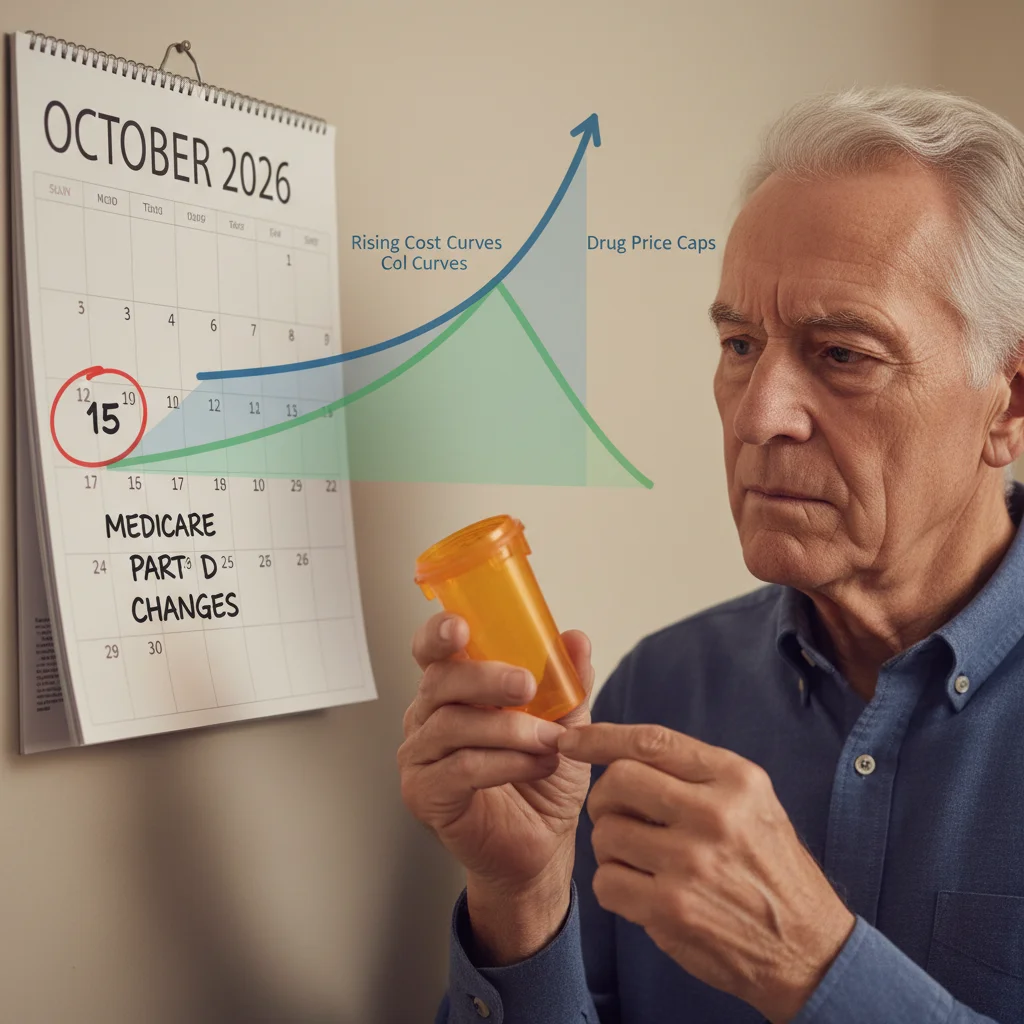
Medicare Part D 2026: Understanding New Prescription Drug Price Caps and Your Potential Savings
The landscape of prescription drug coverage for Medicare beneficiaries is on the cusp of a monumental transformation. As we approach 2026, significant changes mandated by the Inflation Reduction Act (IRA) are set to reshape how millions of Americans pay for their medications under Medicare Part D. These reforms, particularly the introduction of new prescription drug price caps, hold the promise of substantial financial relief for seniors and individuals with disabilities. Understanding these impending adjustments is not just beneficial; it’s essential for proactive financial and healthcare planning.
For years, the rising cost of prescription drugs has been a major concern for Medicare beneficiaries, often leading to difficult choices between essential medications and other living expenses. The IRA aims to address this head-on, introducing a series of reforms that will be phased in over several years. While some changes have already taken effect, 2026 marks a pivotal year with the implementation of a hard cap on out-of-pocket prescription drug costs.
This comprehensive guide will delve deep into the specifics of Medicare Part D 2026 reforms, focusing on the new prescription drug price caps. We will explore what these changes mean for your wallet, how they will impact your coverage, and what steps you can take now to prepare and maximize your potential savings. Our goal is to demystify these complex changes, providing clear, actionable insights to empower you to navigate the evolving Medicare Part D landscape with confidence.
The Genesis of Change: The Inflation Reduction Act and Medicare Part D
The Inflation Reduction Act (IRA), signed into law in August 2022, represents the most significant change to Medicare drug policy in decades. Its primary objectives include lowering prescription drug costs for seniors, allowing Medicare to negotiate drug prices, and promoting drug price transparency. While the full scope of the IRA’s impact will unfold gradually, the changes slated for Medicare Part D 2026 are particularly impactful for beneficiaries’ out-of-pocket spending.
Before the IRA, there was no annual limit on how much Medicare Part D beneficiaries could pay for their prescription drugs. Once a beneficiary reached the catastrophic coverage phase, they were still responsible for 5% of their drug costs, a percentage that could quickly accumulate to thousands of dollars for those with high-cost medications. This unlimited liability was a significant source of financial burden and stress for many.
The IRA addresses this critical gap by introducing an out-of-pocket spending cap, a reform that has been long sought by consumer advocates and healthcare organizations. This change is designed to provide predictability and protection against exorbitant drug costs, fundamentally altering the financial risk associated with chronic conditions requiring expensive treatments.
Decoding the New Prescription Drug Price Caps in Medicare Part D 2026
The most anticipated change in Medicare Part D 2026 is the implementation of an annual out-of-pocket spending cap. Specifically, beginning in 2025, the 5% coinsurance requirement in the catastrophic phase will be eliminated. Then, in 2026, a hard cap of $2,000 on out-of-pocket prescription drug costs will take effect for all Medicare Part D beneficiaries. This means that once your total out-of-pocket spending on covered Part D drugs reaches $2,000 in a calendar year, you will pay nothing for your medications for the remainder of that year.
What Counts Towards the $2,000 Cap?
It’s crucial to understand what expenditures count towards this annual cap. The following generally contribute to your out-of-pocket maximum:
- Your annual deductible.
- Your copayments and coinsurance for covered prescription drugs.
- The amount you pay in the coverage gap (the "donut hole").
It’s important to note that your monthly Part D plan premiums do NOT count towards this out-of-pocket limit. The focus is specifically on the costs you incur at the pharmacy counter for your medications.
Impact on Different Phases of Part D Coverage
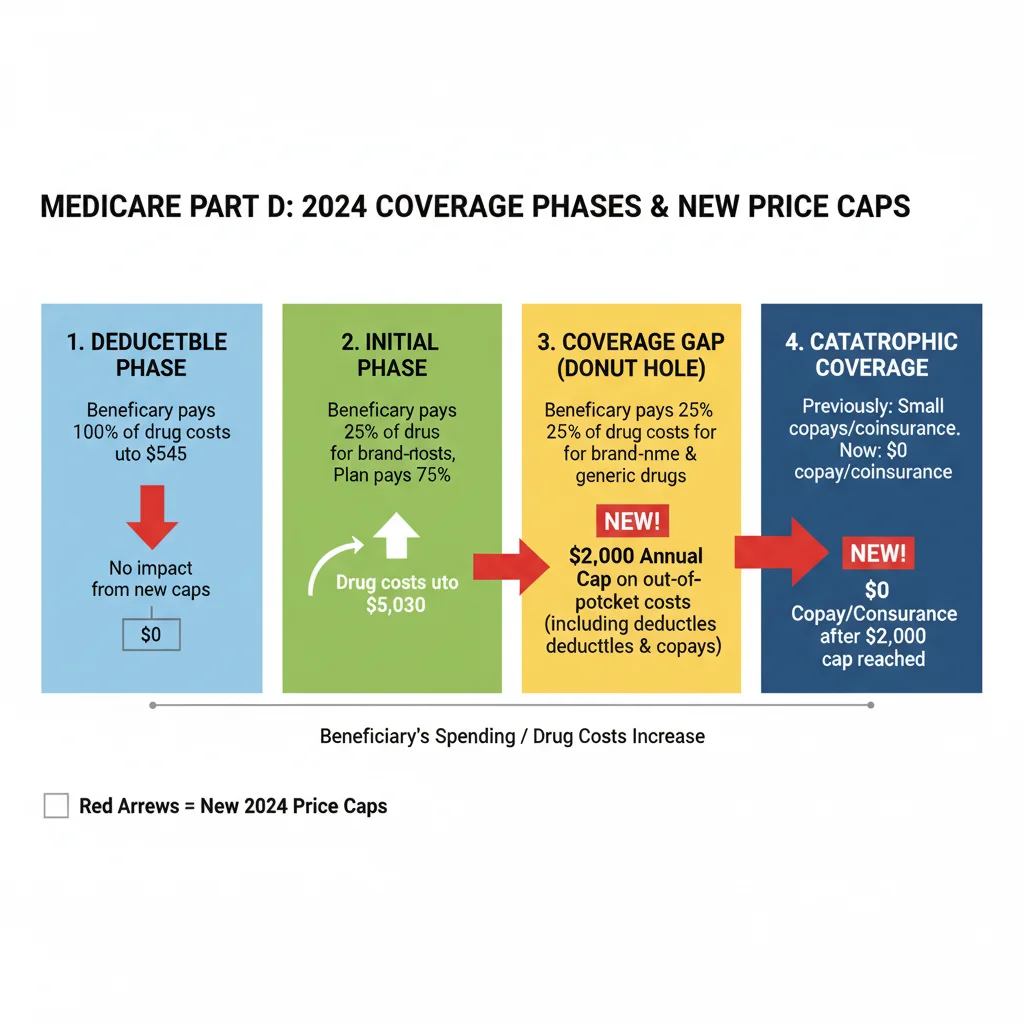
To fully grasp the significance of the $2,000 cap, let’s briefly review the standard phases of Medicare Part D coverage and how these reforms integrate:
- Deductible Phase: You pay 100% of your drug costs up to a certain amount (e.g., $545 in 2023).
- Initial Coverage Phase: After meeting your deductible, you and your plan share costs. You pay a copayment or coinsurance, and your plan pays the rest, until the total cost of your drugs reaches a certain limit (e.g., $4,660 in 2023).
- Coverage Gap (Donut Hole): Historically, this phase required beneficiaries to pay a higher percentage of their drug costs. Thanks to earlier IRA provisions and the Affordable Care Act, in 2024, you pay 25% for both brand-name and generic drugs in the coverage gap.
- Catastrophic Coverage Phase: Once your out-of-pocket costs (including deductible, copays, and what you paid in the donut hole, plus the manufacturer discounts on brand-name drugs in the donut hole) reach a certain threshold (e.g., $7,400 in 2023), you enter catastrophic coverage. Prior to 2025, beneficiaries paid 5% of drug costs in this phase.
In Medicare Part D 2026, the $2,000 cap essentially eliminates the 5% coinsurance in the catastrophic phase and sets a definitive ceiling for your annual spending. This is a game-changer, especially for those with chronic conditions requiring expensive medications, as it removes the fear of unlimited drug costs.
Who Benefits Most from the Medicare Part D 2026 Price Caps?
While all Medicare Part D beneficiaries stand to benefit from these reforms, certain groups will experience the most significant financial relief:
- Individuals with High-Cost Medications: Those taking expensive brand-name drugs for chronic conditions like cancer, multiple sclerosis, or rheumatoid arthritis will see their out-of-pocket costs capped, preventing potentially devastating financial burdens.
- Beneficiaries in the Catastrophic Phase: Historically, this group faced unlimited 5% coinsurance. The $2,000 cap provides a clear limit, offering substantial savings and peace of mind.
- People with Multiple Chronic Conditions: Managing several health issues often entails a regimen of multiple prescription drugs. The cap will consolidate these costs, ensuring predictable maximum spending.
- Low-Income Subsidy (LIS) Recipients: While LIS already provides significant assistance, the overall reduction in drug spending for all beneficiaries may indirectly benefit this group by stabilizing plan premiums and reducing the overall cost burden on the system.
It’s estimated that hundreds of thousands of beneficiaries who previously faced thousands of dollars in out-of-pocket drug costs annually will see their expenses dramatically reduced. This reform is designed to make essential medications more affordable and accessible, improving adherence and overall health outcomes.
Beyond the Cap: Other IRA Reforms Impacting Medicare Part D
While the $2,000 out-of-pocket cap in Medicare Part D 2026 is a headline reform, it’s part of a broader set of changes introduced by the IRA. Understanding these other provisions can provide a fuller picture of the evolving Part D landscape:
Medicare Drug Price Negotiation
Starting in 2026, Medicare will have the authority to negotiate prices for certain high-cost prescription drugs. This is a phased approach, beginning with 10 Part D drugs in 2026, expanding to more Part D and Part B drugs in subsequent years. The negotiated prices are expected to lower costs for both Medicare and beneficiaries, although the direct impact on individual drug prices will become clearer over time.
Insulin Price Cap
As of 2023, the cost of insulin for Medicare beneficiaries is capped at $35 per month per covered insulin product, regardless of their coverage phase. This has already provided significant relief for millions of diabetics.
Vaccine Costs
Also starting in 2023, most adult vaccines recommended by the Advisory Committee on Immunization Practices (ACIP) are covered at no cost to beneficiaries under Medicare Part D. This includes shingles and Tdap vaccines, removing a common barrier to preventative care.
Premium Stabilization
The IRA also includes provisions aimed at limiting the growth of Medicare Part D premiums. While premiums can still increase, there are mechanisms in place to curb excessive hikes, offering greater predictability for beneficiaries.
These interconnected reforms are designed to create a more equitable and affordable prescription drug program. The $2,000 cap is a cornerstone of this effort, providing a tangible benefit that will directly impact beneficiaries’ wallets.
Strategies for Maximizing Your Savings Under Medicare Part D 2026
Even with the new price caps, proactive planning remains essential to optimize your Medicare Part D 2026 benefits and minimize your out-of-pocket costs. Here are some key strategies:
1. Review Your Plan Annually During Open Enrollment
This cannot be stressed enough. Medicare Part D plans change their formularies (list of covered drugs), cost-sharing, and premiums every year. What was the best plan for you this year may not be next year. During the Annual Enrollment Period (AEP) from October 15 to December 7, carefully review your current plan against others available in your area. Use Medicare’s Plan Finder tool to compare options based on your specific medications and preferred pharmacies.
2. Understand Your Drug Costs
Even with the cap, you’ll still pay for your drugs up to $2,000. Knowing which of your medications are generic, preferred brand, or non-preferred brand can significantly impact how quickly you reach that cap. Discuss with your doctor if generic or lower-cost alternatives are suitable for your treatment plan.
3. Utilize Pharmacy Networks
Many Part D plans have preferred pharmacy networks that offer lower copayments or coinsurance. Ensure your preferred pharmacy is part of your plan’s network to avoid higher costs. Some plans also offer mail-order pharmacy options that can provide savings.
4. Check for Extra Help (Low-Income Subsidy – LIS)
If you have limited income and resources, you may qualify for Extra Help, a Medicare program that helps pay for Part D premiums, deductibles, and copayments. The IRA has expanded eligibility for LIS, so even if you didn’t qualify before, it’s worth checking again. Receiving Extra Help can dramatically reduce your annual drug costs, well below the $2,000 cap.
5. Consider Medicare Advantage Plans with Drug Coverage (MAPD)
If you’re enrolled in a Medicare Advantage Plan (Part C), it likely includes prescription drug coverage (MAPD). These plans must also adhere to the Part D reforms, including the $2,000 out-of-pocket cap. When reviewing plans, compare the total package of benefits – medical and drug – to ensure it meets all your healthcare needs.
6. Explore Patient Assistance Programs
Even with the new caps, some individuals may still struggle with the initial costs up to the $2,000 limit. Many pharmaceutical companies offer patient assistance programs (PAPs) that can help cover the cost of specific brand-name drugs. Non-profit organizations also offer assistance. These programs can be a lifeline for those facing high initial out-of-pocket expenses.
7. Maintain Accurate Medication Lists
Keep an up-to-date list of all your medications, including dosages and frequency. This will be invaluable when comparing plans during open enrollment and discussing your needs with healthcare providers or plan representatives. An accurate list ensures you get the most precise cost estimates.

Potential Challenges and Considerations for Medicare Part D 2026
While the changes in Medicare Part D 2026 are overwhelmingly positive, it’s important to be aware of potential challenges and nuances:
Plan Design Changes
In response to the IRA mandates, Part D plans may adjust their offerings. This could involve changes to formularies, preferred pharmacy networks, or even premiums as plans adapt to the new cost-sharing structure. It reinforces the importance of annual plan review.
"Sticker Shock" Before the Cap
Beneficiaries will still be responsible for their deductible and initial copayments/coinsurance until they reach the $2,000 cap. For those with very high-cost drugs, the initial months of the year could still involve significant out-of-pocket expenses before the cap provides relief. Budgeting for these initial costs is important.
Understanding Formularies and Tiers
The drugs covered by your plan and their tier placement (which determines your cost-sharing) will continue to be critical factors. A drug on a higher tier will cost you more, even with the cap, until you reach that $2,000 limit. Always check if your specific medications are covered and at what tier.
Impact on Dual-Eligible Beneficiaries
Individuals who qualify for both Medicare and Medicaid (dual-eligible) already receive extensive assistance with their prescription drug costs. The $2,000 cap will likely have less direct impact on this group, as their out-of-pocket expenses are typically minimal already. However, they will still benefit from the broader system-wide efforts to lower drug costs.
The Iterative Nature of IRA Reforms
It’s important to remember that the IRA’s drug pricing reforms are being implemented in stages. While 2026 is a major milestone, further changes, particularly regarding drug price negotiations, will continue to unfold in subsequent years. Staying informed about these ongoing developments will be key.
The Future of Prescription Drug Costs for Seniors
The reforms coming to Medicare Part D 2026 represent a fundamental shift in how prescription drug costs are managed for older Americans. The introduction of an out-of-pocket spending cap is a landmark achievement, providing a crucial safety net against crippling drug expenses that have long plagued many beneficiaries. This change is not just about cost savings; it’s about improving access to essential medications, promoting better health outcomes, and offering much-needed financial predictability.
While the immediate focus is on the $2,000 cap, it’s essential to view this within the broader context of the Inflation Reduction Act’s provisions. The ability of Medicare to negotiate drug prices, the cap on insulin costs, and free vaccines all contribute to a more affordable and sustainable healthcare system for seniors.
As we move closer to 2026, the onus will be on beneficiaries to actively engage with their Medicare Part D coverage. Annual review of plans, understanding personal drug costs, and exploring available assistance programs will remain vital strategies. The changes are designed to empower beneficiaries, but that empowerment comes with the responsibility of staying informed and making educated choices.
Healthcare is a dynamic field, and policy changes can often feel overwhelming. However, by breaking down complex reforms like those in Medicare Part D 2026 into understandable components, individuals can confidently navigate their options and secure the best possible prescription drug coverage for their needs. The future, with these new caps in place, looks brighter for millions of Americans who rely on Medicare for their medication needs.
Final Thoughts and Recommendations
The coming changes to Medicare Part D 2026 are undeniably positive for a vast majority of beneficiaries, especially those who historically faced the highest out-of-pocket drug costs. The $2,000 annual cap is a significant victory for consumer advocacy and a testament to the ongoing efforts to make healthcare more affordable.
To ensure you are fully prepared and can leverage these benefits effectively, we recommend the following:
- Stay Informed: Continuously monitor official Medicare communications and reputable healthcare news sources for any updates or additional guidance regarding these reforms.
- Consult with Experts: If you have complex medication needs or financial situations, consider consulting with a licensed insurance agent specializing in Medicare, a financial advisor, or a representative from your State Health Insurance Assistance Program (SHIP).
- Proactive Planning: Don’t wait until the last minute. Begin thinking about your prescription drug needs for 2026 and how your current plan might fit within the new framework.
- Advocate for Yourself: Understand your rights and options. If you encounter issues with coverage or costs, reach out to your plan provider or Medicare directly.
The era of unlimited prescription drug costs for Medicare Part D beneficiaries is drawing to a close. Embrace these changes, understand their implications, and take the necessary steps to ensure you continue to receive the medications you need without undue financial burden. Medicare Part D 2026 is poised to deliver substantial relief and greater peace of mind to millions of Americans.