Navigating the 2026 Federal Budget: Understanding the $1.5 Trillion Deficit and Its Implications
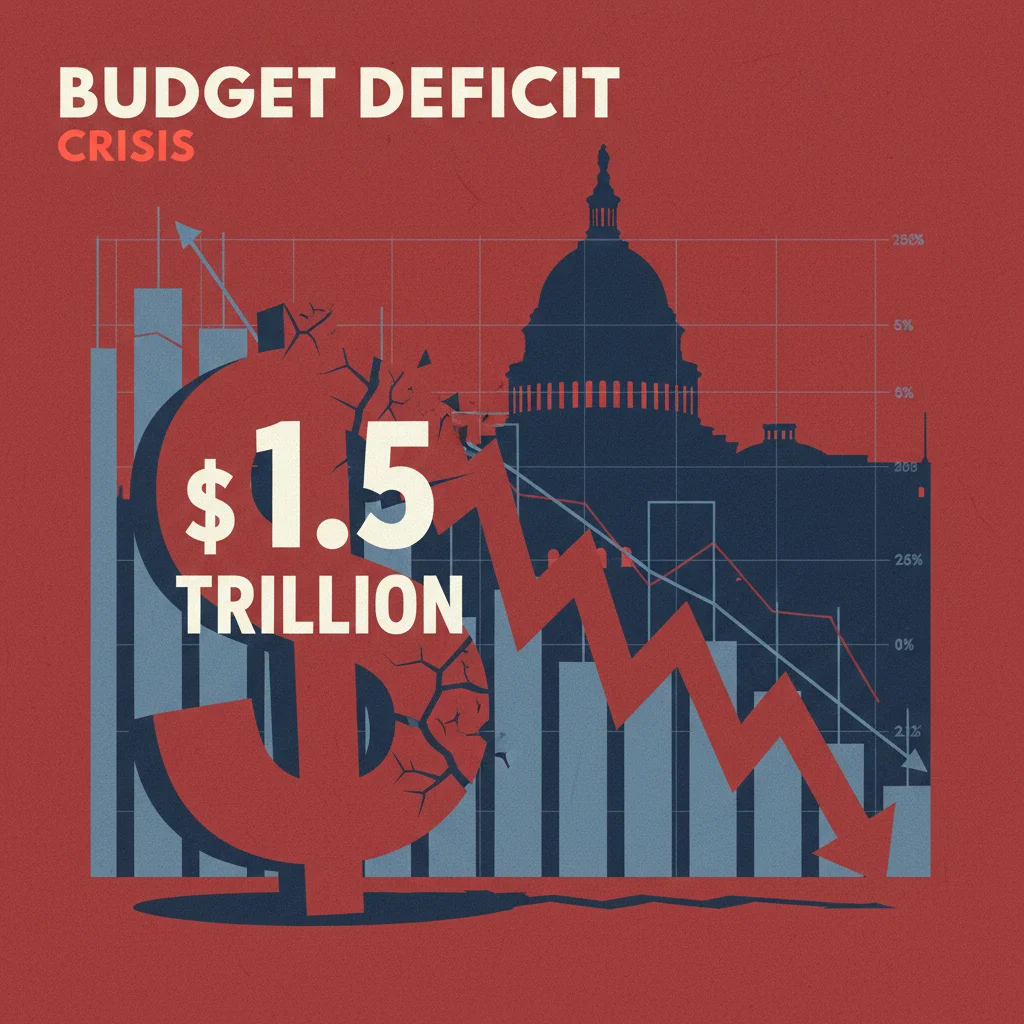
The release of the federal budget proposal is always a pivotal moment for economic observers, policymakers, and citizens alike. It offers a detailed roadmap of the nation’s financial priorities, expected revenues, and projected expenditures for the upcoming fiscal year. For 2026, the numbers paint a stark picture: a projected $1.5 Trillion Federal Deficit. This isn’t just a number; it represents a significant imbalance between what the government expects to collect in taxes and other revenues and what it plans to spend. Understanding the origins, components, and potential consequences of such a substantial deficit is crucial for anyone interested in the economic health and future trajectory of the United States. This comprehensive analysis will delve deep into the 2026 federal budget, exploring the various factors contributing to this deficit, its potential impacts on different sectors of the economy, and the long-term implications for future generations.
Deconstructing the $1.5 Trillion Federal Deficit: What Does it Mean?
A budget deficit occurs when government expenditures exceed its revenues over a specific period, typically a fiscal year. In simple terms, the government is spending more money than it’s taking in. A $1.5 trillion deficit is a substantial figure, representing a significant portion of the nation’s Gross Domestic Product (GDP). To put this into perspective, it means that for every dollar the government plans to spend, it will need to borrow a considerable amount to cover the shortfall. This borrowing adds to the national debt, which is the cumulative total of all past deficits minus any surpluses.
The sheer scale of the 2026 Federal Deficit raises immediate questions about fiscal sustainability. While deficits are not inherently bad in all economic contexts – for instance, during recessions, government spending can stimulate economic recovery – persistent, large deficits can lead to a range of challenges. These include increased national debt, higher interest payments on that debt, potential inflationary pressures, and reduced fiscal flexibility for future crises. Understanding the composition of this deficit requires a closer look at both the revenue side and the expenditure side of the federal budget.
The Revenue Side: Where Does the Money Come From (and Why Isn’t It Enough)?
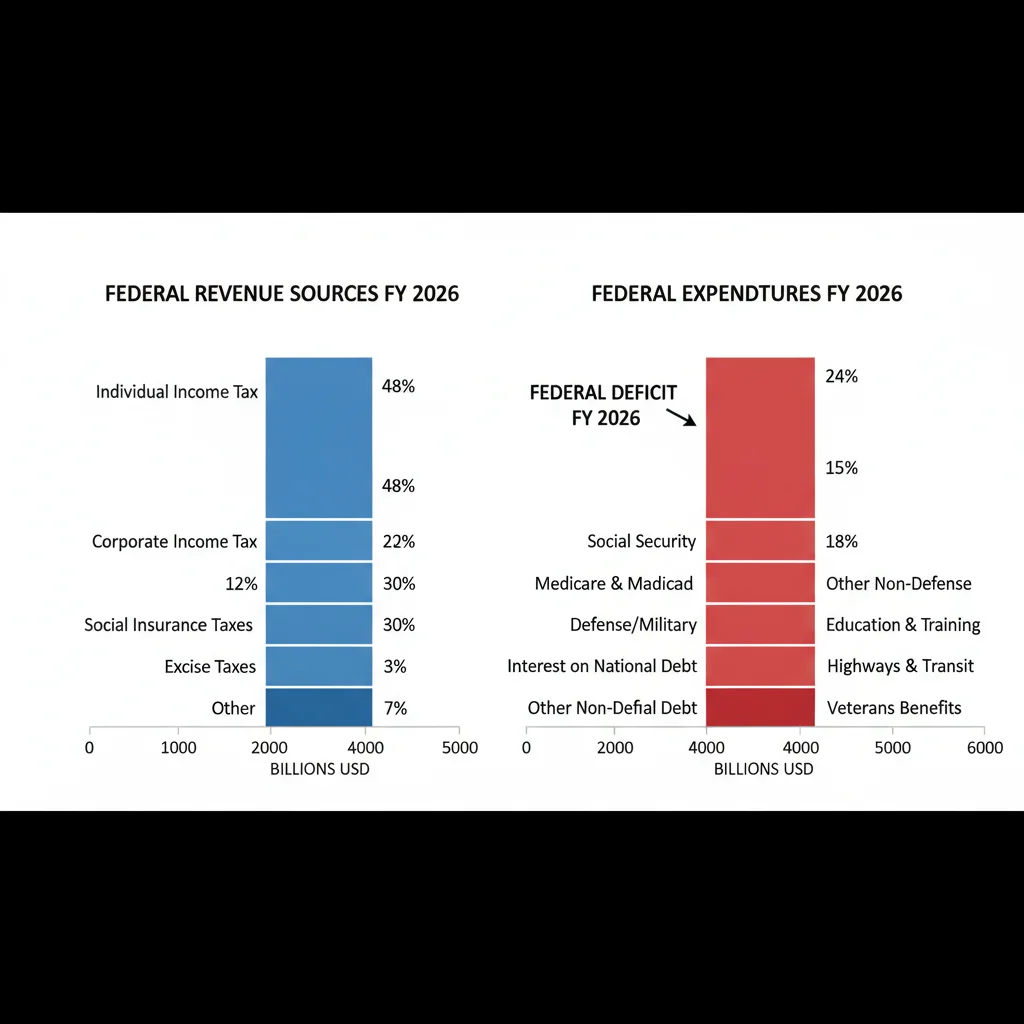
Federal government revenues primarily come from various forms of taxation. The largest sources typically include individual income taxes, corporate income taxes, and social insurance taxes (like Social Security and Medicare contributions). Other, smaller revenue streams include excise taxes, customs duties, and estate and gift taxes. For the 2026 budget, the projections for these revenue streams are based on economic forecasts, including anticipated GDP growth, employment levels, inflation, and corporate profits.
Several factors can contribute to revenues not keeping pace with expenditures. These might include:
- Slower-than-expected Economic Growth: A sluggish economy can lead to lower individual incomes and corporate profits, thus reducing tax collections.
- Tax Policy Changes: Reductions in tax rates or the introduction of new tax credits can decrease overall revenue, even if designed to stimulate other economic activity.
- Demographic Shifts: An aging population can mean a smaller proportion of the workforce contributing income and social insurance taxes relative to the number of beneficiaries.
- Global Economic Headwinds: International trade disputes, geopolitical instability, or global economic slowdowns can negatively impact domestic economic performance and, consequently, tax revenues.
Analyzing the specific revenue projections for 2026 involves scrutinizing the underlying economic assumptions. Are these assumptions optimistic or conservative? How do they compare to independent forecasts from organizations like the Congressional Budget Office (CBO)? Discrepancies in these assumptions can significantly alter the projected deficit, highlighting the inherent uncertainty in budget forecasting.
The Expenditure Side: Where Does the Money Go?
Federal expenditures are broadly categorized into mandatory spending, discretionary spending, and net interest on the national debt. Understanding these categories is key to grasping the drivers of the 2026 Federal Deficit.
- Mandatory Spending: This category includes entitlement programs like Social Security, Medicare, and Medicaid. These programs are established by permanent law, and spending levels are determined by eligibility rules rather than annual appropriations. As the population ages and healthcare costs rise, mandatory spending tends to increase automatically, making it a significant and often difficult-to-control component of the budget. Changes to mandatory spending typically require legislative action to alter the underlying program structures or eligibility criteria.
- Discretionary Spending: This includes funding for government agencies and programs that Congress approves annually through appropriations bills. Key areas include defense, education, transportation, environmental protection, scientific research, and foreign aid. Policymakers have more direct control over discretionary spending year-to-year, making it a common target for budget cuts or increases depending on political priorities and economic conditions.
- Net Interest on the National Debt: As the national debt grows, so do the interest payments the government must make to its creditors. These payments are mandatory and can become a substantial drain on the budget, especially if interest rates rise. The higher the national debt and the higher the prevailing interest rates, the larger this expenditure category becomes.
For the 2026 budget, a significant portion of the $1.5 trillion deficit likely stems from a combination of these spending categories. Continued growth in mandatory spending due to demographic trends and rising healthcare costs, coupled with potentially stable or increasing discretionary spending in areas like defense or infrastructure, and the ever-present burden of interest payments on a growing national debt, all contribute to the overall expenditure picture.
Key Drivers of the 2026 Federal Deficit
To fully comprehend the 2026 Federal Deficit, we must pinpoint the primary forces at play. While the general categories of revenue and expenditure provide a framework, specific policy decisions, economic trends, and unforeseen events can dramatically shape the budget outlook.
Aging Population and Healthcare Costs
One of the most persistent and growing drivers of federal spending is the aging of the U.S. population. As the baby boomer generation continues to age, the number of beneficiaries for Social Security and Medicare programs increases significantly. This demographic shift places immense pressure on these entitlement programs. Medicare, in particular, is subject to the escalating costs of healthcare, which consistently outpace general inflation. New medical technologies, prescription drug prices, and an increasing demand for services all contribute to this upward trend. Without significant reforms, these programs are projected to consume an ever-larger share of the federal budget, making them a central component of the 2026 Federal Deficit.
Interest on the National Debt
The national debt has been on an upward trajectory for decades, exacerbated by recent economic crises and significant fiscal responses. As the debt grows, so does the amount of money the government must pay in interest to its bondholders. Even a small increase in interest rates can translate into billions of additional dollars in annual interest payments. These payments are essentially unproductive spending; they don’t fund new programs or services but merely service past borrowing. The combination of a large debt principal and potentially rising interest rates is a critical factor influencing the size of the 2026 Federal Deficit and limits future fiscal flexibility.
Tax Policy and Revenue Projections
Recent and proposed tax policies play a crucial role in the revenue side of the equation. Tax cuts, while potentially stimulating economic activity in the short term, can reduce government revenue over the long term if not offset by spending cuts or increased economic growth. Conversely, proposed tax increases on corporations or high-income earners could boost revenues, but these are often subject to intense political debate and economic impact analyses. The accuracy of the economic assumptions underlying revenue projections—such as GDP growth, inflation, and employment rates—is paramount. If the economy performs worse than expected, tax revenues will fall short, further widening the 2026 Federal Deficit.
Discretionary Spending Priorities
While mandatory spending is largely on autopilot, discretionary spending reflects current policy priorities. Significant investments in areas like infrastructure, defense, climate initiatives, or technological research can add substantially to the expenditure side. For instance, increased defense spending in response to global geopolitical tensions or large-scale infrastructure projects designed to boost long-term economic competitiveness would contribute to the deficit. These spending decisions often involve trade-offs, as increased funding in one area may necessitate cuts elsewhere or contribute to a larger overall deficit.
Potential Economic Impacts of a $1.5 Trillion Deficit
A deficit of this magnitude is not without consequences. Its potential impacts reverberate throughout the economy, affecting everything from interest rates to the value of the dollar and the availability of funds for private investment. Understanding these ramifications is crucial for grasping the full implications of the 2026 Federal Deficit.
Increased National Debt and Debt Servicing Costs
The most direct consequence of a deficit is an increase in the national debt. Each dollar borrowed to cover the deficit adds to the cumulative debt. A larger national debt means higher interest payments, which divert an increasing portion of the federal budget away from other priorities like education, infrastructure, or research. This can create a vicious cycle where growing interest payments contribute to larger future deficits, further accelerating debt growth.
Crowding Out Private Investment
When the government borrows heavily to finance its deficit, it competes with private businesses for available capital in financial markets. This increased demand for funds can push up interest rates, making it more expensive for businesses to borrow money for investments in new equipment, expansion, or innovation. This phenomenon, known as ‘crowding out,’ can slow down economic growth and productivity in the long run, as private sector investment is a key driver of economic prosperity.
Inflationary Pressures
While not a guaranteed outcome, large deficits financed by printing money (monetization of debt) or through excessive government spending in an economy already operating at or near full capacity can contribute to inflationary pressures. If the government injects significant amounts of money into the economy without a corresponding increase in the supply of goods and services, the result can be ‘too much money chasing too few goods,’ leading to higher prices. The specific inflationary impact of the 2026 Federal Deficit will depend on the overall economic context, including the level of economic slack and the monetary policy stance of the central bank.
Impact on Future Generations
Perhaps one of the most concerning long-term implications of sustained large deficits is the burden placed on future generations. They will inherit a larger national debt, potentially higher taxes to service that debt, and possibly fewer resources for public services if a significant portion of the budget is consumed by interest payments. This intergenerational transfer of debt raises ethical questions about fiscal responsibility and sustainability. The choices made in the 2026 budget will have lasting effects on the economic opportunities and quality of life for those who follow.
Reduced Fiscal Flexibility in Crises
A high national debt and persistent deficits limit the government’s ability to respond effectively to future economic downturns, natural disasters, or national security threats. With less fiscal headroom, policymakers may have fewer options for stimulus packages, emergency spending, or other critical interventions, potentially exacerbating the severity and duration of future crises. The 2026 Federal Deficit, if indicative of a trend, suggests a narrowing window for proactive fiscal responses.

Addressing the Deficit: Policy Options and Challenges
Addressing a deficit of the magnitude projected for 2026 requires a combination of strategies, often involving difficult political choices. There are essentially two broad approaches: increasing revenues or decreasing expenditures, or a combination of both.
Increasing Revenues
Options for increasing federal revenues include:
- Tax Rate Increases: Raising individual income tax rates, corporate tax rates, or capital gains taxes could generate significant revenue. However, these moves often face strong political opposition and can be debated for their potential impact on economic growth and investment.
- Broadening the Tax Base: Eliminating certain tax deductions, credits, or loopholes could increase taxable income without necessarily raising headline tax rates. This approach aims to make the tax system fairer and more efficient.
- New Taxes: Introducing new forms of taxation, such as a value-added tax (VAT) or a carbon tax, could provide substantial new revenue streams, though these are typically highly controversial.
- Economic Growth: Policies that foster robust and sustained economic growth can organically increase tax revenues as incomes and profits rise. This is often seen as the most palatable way to increase revenue, but it relies on favorable economic conditions and effective policy implementation.
Decreasing Expenditures
Reducing federal spending is equally challenging, given the political sensitivities surrounding many government programs:
- Reforming Entitlement Programs: Modifying Social Security and Medicare is often cited as essential for long-term fiscal sustainability. Options include raising the retirement age, adjusting cost-of-living increases, increasing premium contributions, or altering benefit formulas. These changes are politically difficult due to their direct impact on millions of beneficiaries.
- Cutting Discretionary Spending: Reducing funding for defense, education, infrastructure, or other government agencies is a common approach. However, deep cuts in these areas can have adverse effects on public services, national security, or long-term economic competitiveness.
- Waste and Efficiency: Identifying and eliminating waste, fraud, and inefficiency within government programs is a perennially popular but often challenging task. While important, the savings from these efforts are often not sufficient to close a deficit of $1.5 trillion alone.
- Reviewing Subsidies and Tax Expenditures: Many government subsidies and tax expenditures (tax breaks designed to encourage certain behaviors) are effectively spending programs. Reviewing and potentially reducing these could yield savings, but they often have powerful constituencies.
The Political Landscape and the Path Forward
The political challenges in addressing a large 2026 Federal Deficit are immense. Any significant changes to tax policy or spending programs inevitably face strong opposition from various interest groups and political factions. Bipartisan cooperation is often necessary but difficult to achieve, especially on issues as fundamental as the federal budget. The debate often revolves around differing philosophies on the role of government, the fairness of the tax system, and the appropriate level of public services.
Ultimately, a sustainable fiscal path likely involves a balanced approach, combining modest revenue increases with carefully considered spending adjustments. The goal is not just to eliminate the deficit but to do so in a way that supports long-term economic growth, protects vulnerable populations, and maintains the nation’s ability to respond to future challenges. Ignoring the 2026 Federal Deficit would only exacerbate these problems, leading to a more difficult and painful reckoning in the future.
Beyond 2026: Long-Term Fiscal Outlook
While the 2026 Federal Deficit is a pressing concern, it is also a snapshot within a broader, long-term fiscal trajectory. Projections from the CBO and other independent bodies consistently show that under current law, the national debt is set to continue growing relative to GDP over the coming decades. This trend is primarily driven by the rising costs of Social Security and Medicare, coupled with increasing interest payments on the national debt.
The long-term implications of this trajectory are profound:
- Reduced Economic Growth: Persistent high debt can reduce national saving and investment, leading to slower economic growth and lower wages in the long run.
- Increased Risk of Fiscal Crisis: While not imminent, a continually rising debt-to-GDP ratio increases the risk of a fiscal crisis, where investors lose confidence in the government’s ability to repay its debt, potentially leading to sharp increases in interest rates and economic instability.
- Intergenerational Equity Concerns: As discussed, future generations bear the brunt of today’s fiscal imbalances, potentially inheriting a less prosperous nation with fewer resources for public goods.
- Loss of Global Influence: A nation with an unsustainable fiscal path may see its global economic and political influence diminish as its financial stability is questioned.
Addressing the 2026 Federal Deficit and the broader long-term fiscal challenges requires a sustained commitment from policymakers to make difficult but necessary decisions. It involves fostering a national dialogue about priorities, trade-offs, and the kind of economic future we want to build. This isn’t just an economic issue; it’s a societal one, demanding careful consideration and collaborative solutions.
Conclusion: Charting a Course for Fiscal Responsibility
The projected $1.5 Trillion Federal Deficit for 2026 serves as a critical indicator of the fiscal challenges facing the United States. It highlights the ongoing imbalance between government revenues and expenditures, driven by a complex interplay of demographic shifts, healthcare costs, existing tax policies, and spending priorities. While deficits can sometimes be economically beneficial, a persistent and large deficit of this scale raises serious concerns about increased national debt, higher interest payments, potential crowding out of private investment, and the burden placed on future generations.
Addressing this significant deficit and charting a course toward long-term fiscal responsibility will require a comprehensive and balanced approach. This includes a careful examination of both revenue-generating policies and expenditure reduction strategies, encompassing reforms to entitlement programs, judicious management of discretionary spending, and fostering robust economic growth. The choices made in the coming years will not only shape the 2026 budget but will also determine the economic resilience and prosperity of the nation for decades to come. Engaging in informed discussion and advocating for sustainable fiscal policies are paramount for ensuring a healthy economic future for all.