2026 Agricultural Outlook: Commodity Prices & Revenue Shift
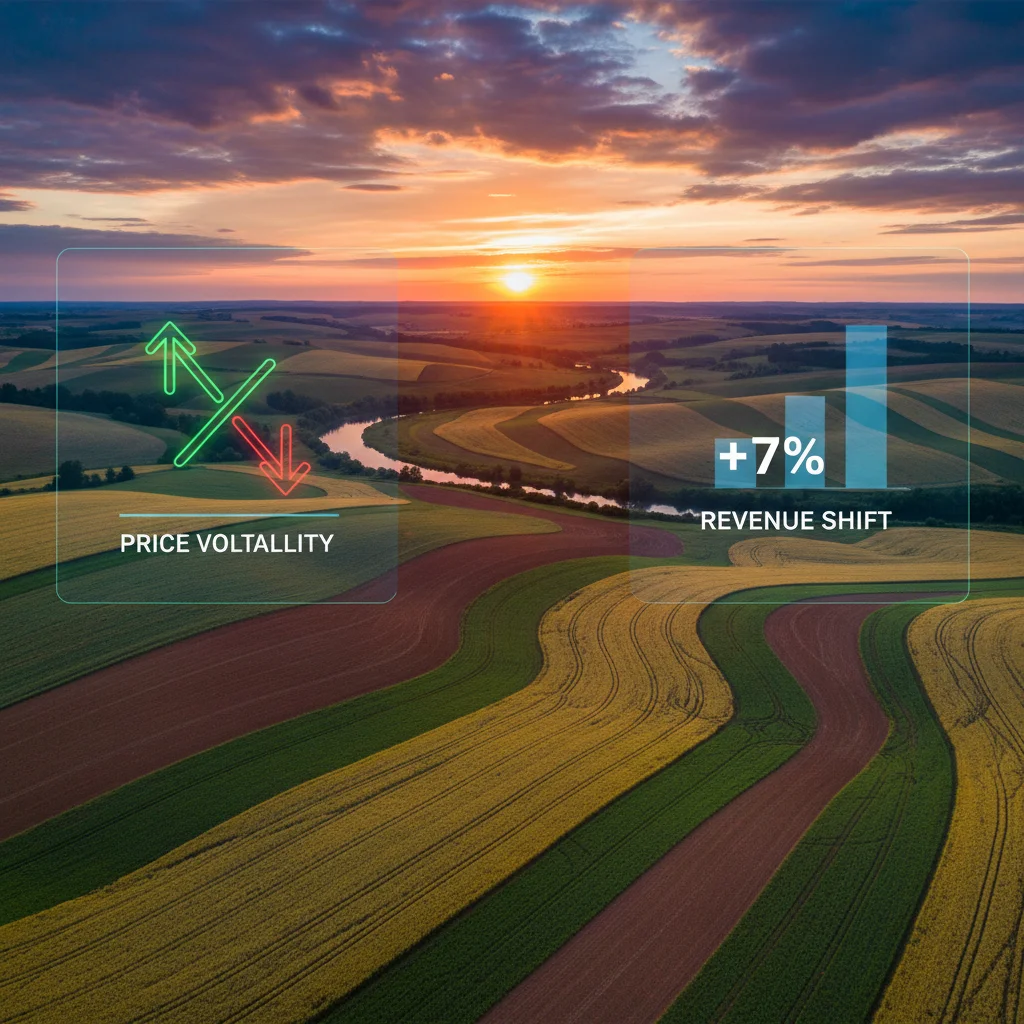
The agricultural sector is a foundational pillar of the global economy, directly impacting food security, trade balances, and rural livelihoods. As we look towards 2026, understanding the trajectory of this vital industry becomes paramount. The 2026 Agricultural Outlook suggests a period characterized by notable commodity price volatility and a projected 7% shift in farm revenue. For farmers, policymakers, investors, and consumers alike, comprehending these shifts is crucial for strategic planning and mitigating potential risks. This comprehensive analysis delves into the multifaceted factors that will shape the agricultural landscape in the coming years, offering insights into market dynamics, environmental challenges, technological advancements, and geopolitical influences.
The agricultural sector is inherently susceptible to a confluence of factors, ranging from the unpredictable whims of weather patterns to the intricate web of international trade policies. The year 2026 is anticipated to be no exception, presenting both opportunities and significant challenges. Our focus will be on dissecting the drivers behind the expected commodity price fluctuations, which can profoundly impact profitability and market stability. Furthermore, the projected 7% revenue shift is not merely a statistical anomaly; it represents a significant re-calibration of economic fortunes within the sector, demanding careful attention and proactive strategies. This shift could manifest in various ways, such as changes in the profitability of specific crops, regional disparities in income, or altered investment patterns across different agricultural segments. Understanding the underlying causes of this revenue shift is key to anticipating its effects and developing effective responses.
In this article, we will explore the methodologies used to forecast these trends, examine historical precedents for similar market behaviors, and discuss the implications for various stakeholders. We will also highlight potential strategies for resilience and adaptation that can help navigate the complexities of the evolving agricultural landscape. From technological innovations like precision agriculture and biotechnology to policy adjustments aimed at fostering sustainability and market stability, a range of interventions will be critical. The goal is to provide a holistic perspective on the 2026 Agricultural Outlook, equipping readers with the knowledge needed to make informed decisions in an increasingly dynamic global food system.
Understanding the Drivers of Commodity Price Volatility in the 2026 Agricultural Outlook
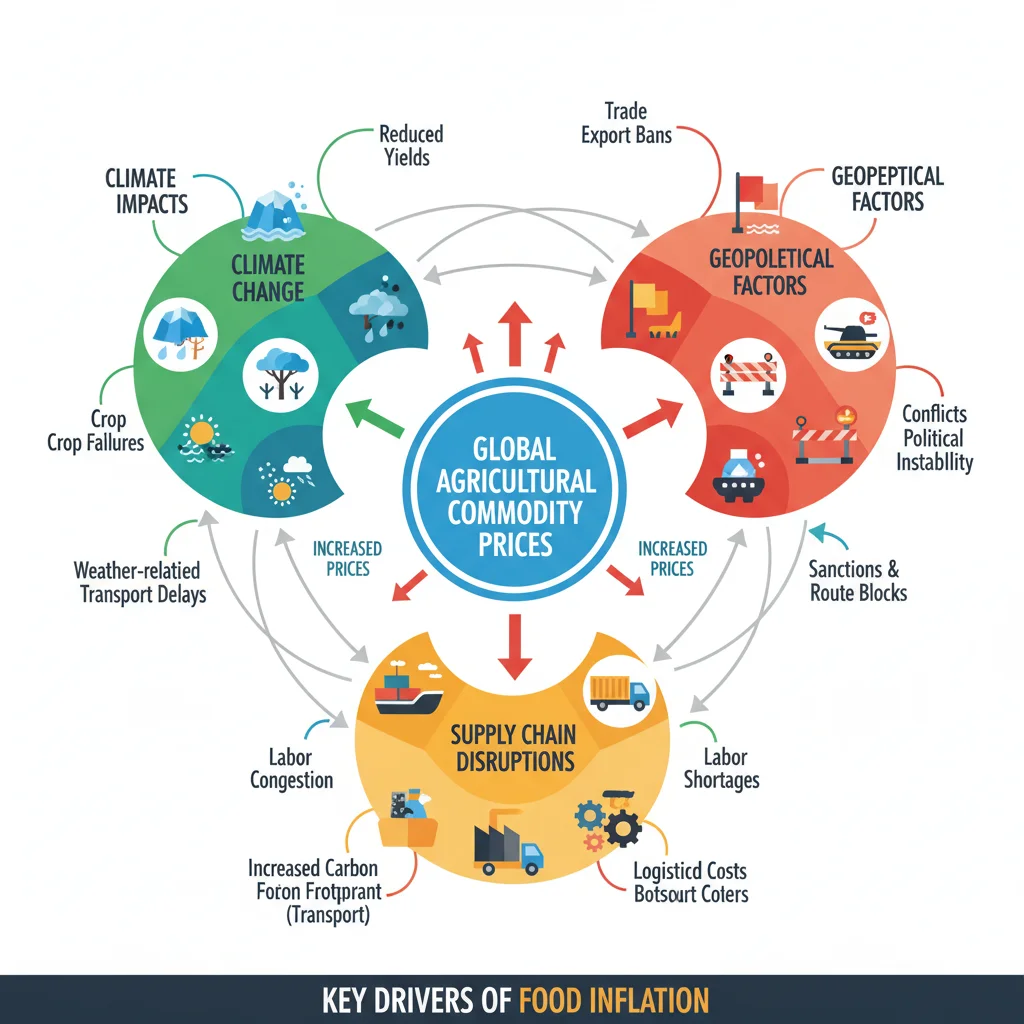
Commodity price volatility is a perpetual concern for the agricultural industry, and the 2026 Agricultural Outlook indicates that this trend is set to continue, potentially intensifying. Several interwoven factors contribute to these fluctuations, making accurate forecasting and risk management incredibly challenging. Among the most prominent drivers are climate change, geopolitical tensions, global demand shifts, and supply chain disruptions.
Climate Change and Extreme Weather Events
The escalating impact of climate change is arguably the most significant long-term threat to agricultural stability. Increasingly frequent and severe extreme weather events—such as droughts, floods, heatwaves, and unseasonal frosts—directly affect crop yields and livestock production. These events can drastically reduce supply in key producing regions, leading to sharp price spikes. Conversely, exceptionally favorable weather conditions across multiple regions can result in bumper harvests, pushing prices downwards. The 2026 Agricultural Outlook must account for these unpredictable weather patterns, which introduce a high degree of uncertainty into global food markets. For example, a major drought in a breadbasket region like the American Midwest or Ukraine could have ripple effects across the globe, impacting the price of staple grains for years to come. Farmers are increasingly investing in climate-resilient practices, but the scale of the challenge requires broader systemic solutions.
Geopolitical Tensions and Trade Policies
Geopolitical events and shifts in international trade policies wield immense influence over agricultural commodity prices. Trade disputes, tariffs, sanctions, and outright conflicts can disrupt established supply routes, restrict access to vital markets, and lead to hoarding or speculative buying, all of which contribute to price instability. For instance, disruptions in major exporting regions due to conflict or political instability can immediately affect global supply and drive up prices for specific commodities. Additionally, changes in government subsidies, environmental regulations, or import/export quotas can alter the competitive landscape and impact price discovery. The 2026 Agricultural Outlook will undoubtedly be shaped by the ongoing geopolitical landscape, with potential for sudden shifts in trade relationships impacting commodity flows and pricing. Nations are increasingly looking to diversify their agricultural imports and exports to mitigate risks associated with over-reliance on a few key partners, but this transition is slow and complex.
Global Demand Shifts and Economic Growth
The interplay of global population growth, changing dietary preferences, and economic conditions significantly influences demand for agricultural products. As developing economies grow and populations urbanize, there is often a shift towards higher-value foods, including meat, dairy, and processed goods, which in turn increases demand for feed grains and oilseeds. Conversely, economic downturns can lead to reduced purchasing power, dampening demand and putting downward pressure on prices. The 2026 Agricultural Outlook must consider these evolving consumption patterns and their implications for future commodity prices. For example, a significant rise in middle-class populations in emerging markets could drive sustained demand for protein, impacting global livestock and feed grain markets. Furthermore, health trends and sustainability concerns are increasingly influencing consumer choices, leading to shifts towards plant-based diets or organic produce, creating new market segments and affecting traditional commodity demand.
Supply Chain Disruptions and Logistics
The efficiency and resilience of global agricultural supply chains are critical to maintaining stable commodity prices. Disruptions, whether caused by natural disasters, pandemics, labor shortages, or infrastructure failures, can impede the movement of goods from farm to market, leading to localized shortages and price surges. The recent past has highlighted the fragility of these complex networks, with transportation bottlenecks, port congestion, and labor issues significantly impacting agricultural trade. The 2026 Agricultural Outlook will need to account for ongoing efforts to de-risk and diversify supply chains, but the inherent complexities mean that disruptions remain a significant source of potential price volatility. Investment in better infrastructure, cold chain logistics, and digital tracking systems are all part of the solution, but these require substantial capital and coordinated international efforts. The ‘just-in-time’ inventory management strategies, while efficient, have also exposed vulnerabilities during crises, prompting a re-evaluation towards more resilient, albeit potentially more costly, supply chain models.
Deconstructing the 7% Revenue Shift in the 2026 Agricultural Outlook
The projection of a 7% revenue shift in the 2026 Agricultural Outlook is a critical figure that warrants detailed examination. This isn’t merely about total revenue increasing or decreasing across the board; it signifies a redistribution of economic value within the sector, potentially leading to winners and losers among different agricultural segments, regions, and farm sizes. Understanding the nuances of this shift is essential for strategic planning and policy formulation.
Changing Cost Structures and Input Prices
A significant portion of the revenue shift can be attributed to evolving cost structures and the volatility of input prices. The cost of essential agricultural inputs, such as fertilizers, fuel, seeds, and labor, has been subject to considerable fluctuations. Energy prices, driven by global geopolitics and supply-demand dynamics, directly impact fuel and fertilizer costs. Similarly, labor shortages in many agricultural regions are pushing up wages, increasing operational expenses for farmers. If commodity prices do not rise proportionally to these input costs, profit margins can be squeezed, leading to a net revenue decrease for some producers, even if gross output remains stable. Conversely, those who manage to secure inputs at lower costs or achieve greater efficiency in their use might see their relative revenue position improve. The 2026 Agricultural Outlook suggests that managing these input costs will be a primary determinant of farm profitability.
Variations in Commodity Performance
The 7% revenue shift is unlikely to be evenly distributed across all commodities. Some crops or livestock products may experience stronger demand and higher prices, while others face oversupply or reduced demand, leading to depressed prices. For example, robust global demand for certain specialty crops or protein sources might lead to increased revenue for producers in those segments, while staple grain producers could face downward pressure. This differential performance can cause a significant shift in overall agricultural revenue distribution. Farmers who are agile enough to adapt their crop mix or livestock operations to capitalize on these changing market signals will be better positioned. The 2026 Agricultural Outlook encourages a dynamic approach to farm management, moving away from traditional reliance on a limited number of crops towards a more diversified and market-responsive portfolio.
Technological Adoption and Productivity Gains
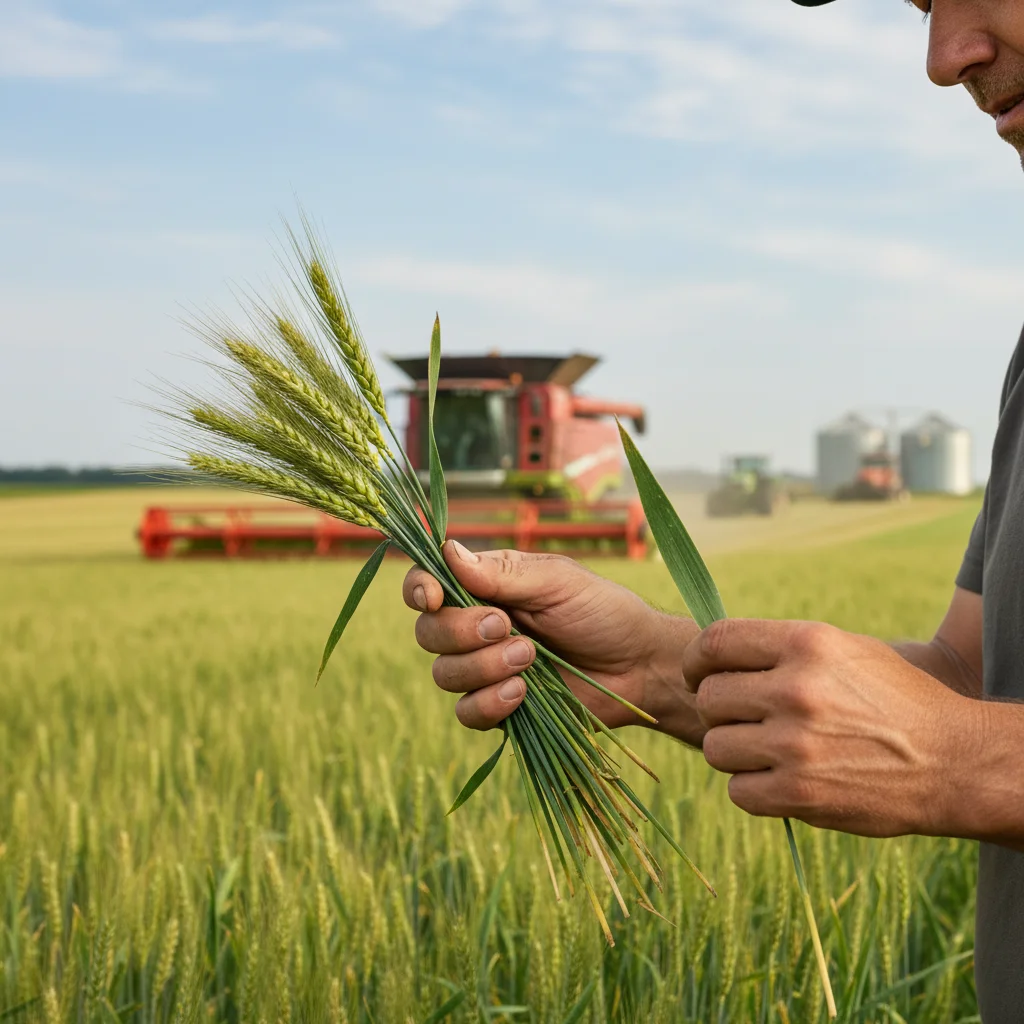
Technological advancements play a dual role in shaping agricultural revenues. On one hand, innovations like precision agriculture, advanced genetics, and automation can significantly boost productivity, reduce waste, and improve efficiency, thereby increasing revenue per acre or per animal. Farmers who invest in and successfully implement these technologies may see their revenue share increase. On the other hand, widespread adoption of productivity-enhancing technologies can also lead to increased supply, potentially depressing commodity prices if demand does not keep pace, thus impacting overall revenue. The 2026 Agricultural Outlook highlights the growing divide between early adopters of technology and those who lag, suggesting that this gap could contribute to the revenue shift, favoring more technologically advanced operations. Access to capital for these investments remains a significant barrier for many smaller farms, potentially exacerbating existing inequalities.
Government Policies and Subsidies
Government agricultural policies, including subsidies, trade agreements, and environmental regulations, can profoundly influence farm income and the distribution of revenue. Changes in direct payments, crop insurance programs, or conservation incentives can significantly alter the economic viability of different farming practices and regions. For instance, policies promoting sustainable farming might offer financial benefits to those who adopt environmentally friendly methods, thereby shifting revenue towards those segments. Conversely, reductions in traditional subsidies could negatively impact producers who heavily rely on them. The 2026 Agricultural Outlook will be sensitive to evolving policy landscapes, particularly as governments increasingly focus on climate resilience and food security, potentially redirecting support to specific agricultural sectors or practices.
Implications for Stakeholders in the 2026 Agricultural Outlook
The projected commodity price volatility and the 7% revenue shift outlined in the 2026 Agricultural Outlook carry significant implications for all participants in the agricultural ecosystem, from individual farmers to global consumers and financial institutions. Understanding these ramifications is crucial for proactive decision-making and strategic resilience.
For Farmers and Producers
For farmers, the 2026 Agricultural Outlook presents a complex environment demanding enhanced risk management strategies. Price volatility means greater uncertainty in income, necessitating robust hedging strategies, diversified crop portfolios, and strong financial reserves. The revenue shift implies that traditional farming models may need to adapt. Farmers might consider investing in value-added processing, direct-to-consumer sales, or niche markets to capture a larger share of the food dollar. Furthermore, optimizing input costs through precision agriculture, efficient resource management, and adopting resilient crop varieties will be paramount to maintaining profitability. Access to timely market information and effective financial planning tools will be more critical than ever.
For Agribusiness and Supply Chain Operators
Agribusinesses, including input suppliers, processors, distributors, and retailers, will need to navigate increased market instability. Supply chain resilience will be a top priority, requiring diversification of sourcing, investment in logistics infrastructure, and robust contingency planning. The revenue shift could impact demand for specific inputs or processing services, requiring businesses to be agile and responsive to changing agricultural trends. Companies that can offer innovative solutions for efficiency, sustainability, and risk mitigation to farmers will likely thrive. Furthermore, greater transparency and collaboration across the supply chain can help mitigate the impacts of volatility and foster more stable operating environments. Investment in data analytics and artificial intelligence can help these businesses anticipate shifts and optimize their operations.
For Policymakers and Governments
Governments and policymakers face the challenge of fostering a stable and sustainable agricultural sector in the face of these projections. Policies will need to address food security, farmer livelihoods, and environmental sustainability concurrently. This includes developing robust safety nets for farmers facing extreme price swings, investing in agricultural research and development, and promoting trade policies that ensure fair access to global markets while protecting domestic producers. Measures to mitigate climate change impacts, support water conservation, and encourage sustainable land use practices will also be critical. The 2026 Agricultural Outlook underscores the need for flexible and forward-thinking agricultural policies that can adapt to rapid changes.
For Consumers
Consumers may experience the effects of the 2026 Agricultural Outlook through fluctuating food prices and, potentially, changes in the availability of certain products. Price volatility can impact household budgets, particularly for low-income populations. Increased awareness of the factors influencing food prices can empower consumers to make more informed purchasing decisions and support resilient food systems. This might involve choosing locally sourced products, understanding seasonal availability, and being prepared for potential price adjustments in staple foods. Advocacy for sustainable and fair agricultural practices could also become more prominent among consumer groups.
For Investors and Financial Institutions
The agricultural sector will continue to be an attractive, albeit riskier, investment area. Investors will need to conduct thorough due diligence, focusing on companies and regions with strong fundamentals, diversified operations, and robust risk management strategies. Financial institutions providing loans and insurance to the agricultural sector will need to adapt their models to account for increased price volatility and revenue shifts. This may involve offering more flexible financing options, developing new insurance products tailored to climate risks, and providing expert advice to help farmers navigate economic uncertainties. Understanding the 2026 Agricultural Outlook will be key for making sound investment decisions in agribusiness and related sectors.
Strategies for Resilience and Adaptation in the Face of the 2026 Agricultural Outlook
Navigating the complexities presented by the 2026 Agricultural Outlook requires a proactive and multi-faceted approach to resilience and adaptation. Stakeholders across the agricultural value chain must implement strategies that mitigate risks, capitalize on opportunities, and foster long-term sustainability.
Diversification and Risk Management
For farmers, diversification is a cornerstone of resilience. This includes diversifying crop types, livestock operations, and even income streams (e.g., agritourism, renewable energy production on farm land). Spreading risk across multiple ventures can buffer against price drops in a single commodity or localized weather events. Implementing robust risk management tools, such as commodity futures and options, crop insurance, and forward contracts, becomes even more critical in an environment of increased price volatility. These financial instruments can help lock in prices or protect against adverse market movements, providing a greater degree of income stability. The 2026 Agricultural Outlook emphasizes that relying on a single crop or market is an increasingly precarious strategy.
Technological Innovation and Adoption
Embracing and investing in technological innovations is vital for enhancing productivity, efficiency, and sustainability. Precision agriculture technologies, including GPS-guided machinery, drones, and remote sensing, allow for optimized input use (water, fertilizer, pesticides), reducing costs and environmental impact. Biotechnology and genetic engineering can develop crop varieties that are more resilient to droughts, pests, and diseases, or that offer higher yields and nutritional value. Automation and robotics can address labor shortages and improve operational efficiency. The 2026 Agricultural Outlook predicts that farms leveraging these advancements will be better positioned to manage costs and maintain profitability amidst revenue shifts.
Sustainable and Climate-Resilient Practices
Adopting sustainable and climate-resilient farming practices is not just an environmental imperative but also an economic necessity. Practices such as conservation tillage, cover cropping, crop rotation, and integrated pest management can improve soil health, conserve water, and reduce reliance on synthetic inputs, thereby lowering costs and making farms more resilient to extreme weather. Investing in water-efficient irrigation systems and exploring alternative energy sources can further enhance sustainability and reduce operational expenses. The 2026 Agricultural Outlook highlights that farms prioritizing ecological stewardship will likely benefit from reduced long-term risks and potentially access to new markets for sustainably produced goods.
Enhanced Market Intelligence and Data Analytics
In a volatile market, access to timely and accurate market intelligence is invaluable. Farmers and agribusinesses need sophisticated data analytics to understand market trends, forecast prices, and make informed decisions about planting, harvesting, and selling. This includes leveraging big data from various sources – weather forecasts, global trade data, consumer demand patterns, and geopolitical analyses – to gain a competitive edge. Platforms that aggregate and interpret this data can provide actionable insights, helping stakeholders react swiftly to changing conditions. The 2026 Agricultural Outlook underscores that data-driven decision-making will be a hallmark of successful agricultural enterprises.
Collaboration and Value Chain Integration
Strengthening collaboration across the agricultural value chain can foster greater stability and efficiency. This includes producer cooperatives, partnerships with processors and retailers, and engagement with research institutions. By working together, stakeholders can share risks, pool resources, negotiate better prices, and develop new markets. Vertical integration, where different stages of production and distribution are brought under common ownership or close coordination, can also enhance control over the supply chain and reduce exposure to external shocks. The 2026 Agricultural Outlook suggests that a more interconnected and collaborative agricultural sector will be better equipped to withstand future challenges.
Policy Advocacy and Government Support
Engaging with policymakers to advocate for supportive agricultural policies is crucial. This includes advocating for robust farm safety nets, investments in rural infrastructure, research funding, and trade policies that promote fair competition and market access. Governments play a critical role in creating an enabling environment for agriculture to thrive, especially in periods of volatility. Policies that encourage sustainable practices, support technology adoption, and provide training and education for farmers will be essential for shaping a positive 2026 Agricultural Outlook. International cooperation on food security and climate change initiatives will also be vital in creating a more stable global agricultural landscape.
Conclusion: Navigating the Future of Agriculture
The 2026 Agricultural Outlook paints a picture of an industry at a critical juncture, characterized by significant commodity price volatility and a projected 7% revenue shift. These forecasts are not merely abstract numbers; they represent tangible challenges and opportunities that will shape the livelihoods of millions and the food security of billions. The intricate interplay of climate change, geopolitical dynamics, global demand shifts, and technological advancements will continue to define the agricultural landscape.
Successfully navigating this complex environment requires a concerted effort from all stakeholders. Farmers must embrace diversification, adopt cutting-edge technologies, and implement sustainable practices to build resilience and optimize profitability. Agribusinesses need to strengthen supply chain robustness and innovate to meet evolving market demands. Policymakers have a critical role in crafting supportive frameworks that foster stability, encourage sustainability, and ensure equitable outcomes for producers. Consumers, too, can contribute by making informed choices and supporting resilient food systems.
The projected 7% revenue shift is a powerful indicator that the agricultural sector is undergoing a fundamental recalibration. This shift will likely reward adaptability, efficiency, and strategic foresight, while potentially challenging those who cling to outdated models. By understanding the underlying drivers and proactively implementing comprehensive strategies for risk management, technological adoption, and sustainable development, the agricultural community can not only mitigate the challenges but also harness the opportunities that lie within the 2026 Agricultural Outlook. The future of food production hinges on our collective ability to adapt, innovate, and collaborate in the face of unprecedented change.