Consumer Spending Habits 2026: Retail Shifts & 4% Growth Forecast

Consumer Spending Habits 2026: A 3-Month Analysis of Retail Sector Shifts and a 4% Projected Growth
The global economy is a complex, ever-evolving organism, with consumer spending acting as its pulsating heart. As we cast our gaze towards 2026, the landscape of retail and consumer behavior is poised for significant transformation. A comprehensive 3-month analysis indicates not just shifts in where and how people spend their money, but also a robust projected growth of 4% in overall consumer spending. This forecast is not merely a number; it represents a confluence of technological advancements, evolving societal values, and persistent economic pressures that are reshaping the very fabric of our purchasing decisions. Understanding these consumer spending trends is paramount for businesses, policymakers, and consumers alike to navigate the opportunities and challenges that lie ahead.
The post-pandemic era has accelerated many nascent trends, pushing them into the mainstream. Digital adoption, a heightened awareness of sustainability, and a re-evaluation of value for money are no longer niche concerns but central tenets influencing how individuals and households allocate their resources. Inflationary pressures, while showing signs of moderation, continue to impact purchasing power, leading to more discerning and strategic buying behaviors. This detailed exploration will dissect the key drivers behind these shifts, offering insights into the sectors most affected and the strategies businesses can employ to thrive in this dynamic environment. We will delve into the nuances of online versus in-store experiences, the growing influence of ethical consumption, and the enduring quest for convenience and personalization. By examining these multifaceted factors, we aim to provide a clear picture of the consumer landscape in 2026, highlighting the critical consumer spending trends that will define the coming years.
This analysis is built upon a foundation of recent market data, expert economic projections, and surveys of consumer sentiment. It aims to offer a holistic perspective, moving beyond superficial observations to uncover the underlying psychological and economic forces at play. For instance, the projected 4% growth in consumer spending is not uniformly distributed across all sectors; rather, it reflects a reallocation of budgets, with some areas experiencing accelerated expansion while others face stagnation or contraction. Businesses that can accurately predict and adapt to these shifts will be best positioned for success. Therefore, a deep dive into these intricate consumer spending trends is not just informative but essential for strategic planning and competitive advantage.
The Digital Dominance Continues: E-commerce Evolution
The exponential growth of e-commerce is arguably the most significant of all consumer spending trends impacting the retail sector. While physical stores are certainly not obsolete, the convenience, variety, and competitive pricing offered by online platforms continue to draw a substantial portion of consumer expenditure. In 2026, we anticipate a further maturation of the e-commerce landscape, characterized by advanced personalization, seamless omnichannel experiences, and the integration of emerging technologies like augmented reality (AR) and artificial intelligence (AI).
Consumers are increasingly accustomed to highly personalized shopping journeys. AI-powered recommendation engines, which analyze past purchases, browsing history, and even social media activity, will become more sophisticated, offering tailored product suggestions that anticipate needs rather than just reacting to them. This level of personalization not only enhances the shopping experience but also drives sales by reducing decision fatigue and increasing relevance. Businesses that invest in robust data analytics and AI capabilities will gain a significant edge in capturing a larger share of the digital wallet, directly influencing positive consumer spending trends.
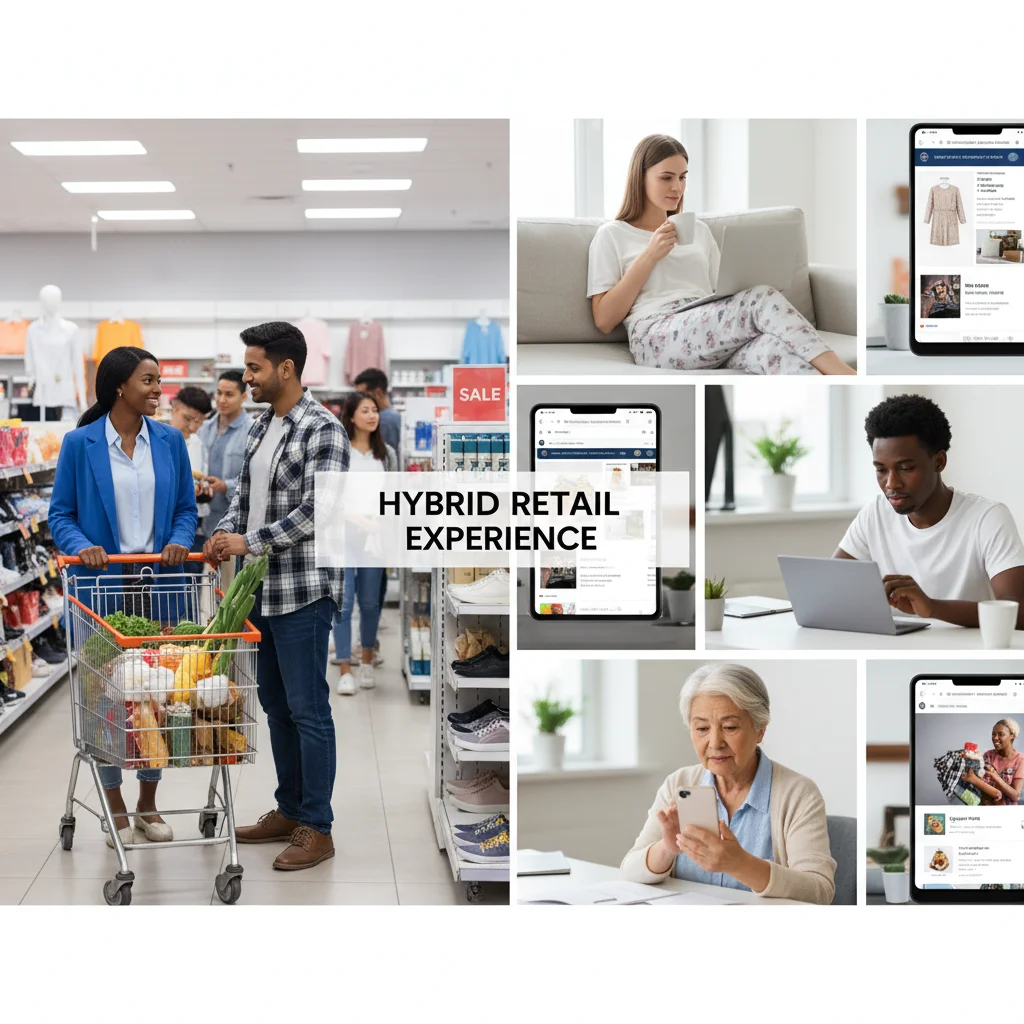
Furthermore, the line between online and offline retail will continue to blur. Omnichannel strategies, where customers can seamlessly transition between digital and physical touchpoints – ordering online for in-store pickup, browsing in-store to then purchase online, or using in-app features while physically present in a store – will be the norm. Retailers offering integrated experiences that prioritize customer convenience and flexibility will outperform those with fragmented channels. This integrated approach is crucial for understanding and capitalizing on evolving consumer spending trends.
Emerging technologies will also play a pivotal role. Augmented reality (AR) allows consumers to virtually try on clothes, place furniture in their homes, or test makeup products before making a purchase, significantly reducing return rates and enhancing confidence. Livestream shopping, popular in Asian markets, is gaining traction globally, merging entertainment with instant purchasing opportunities. These innovations are not just novelties; they are becoming integral components of the modern retail experience, shaping how consumers interact with brands and ultimately influencing their spending patterns. Staying ahead of these technological shifts is vital for any business looking to understand future consumer spending trends.
The rise of social commerce, where purchases are made directly through social media platforms, is another area of significant growth. Influencers continue to wield considerable power, and platforms are making it easier than ever for users to discover and buy products without ever leaving the app. This direct path from discovery to purchase streamlines the consumer journey and taps into impulse buying, contributing to the overall increase in online expenditure. As such, brands must develop comprehensive social media strategies that go beyond mere marketing to include direct sales capabilities, aligning with current consumer spending trends.
However, the convenience of e-commerce also comes with expectations. Fast, reliable, and often free shipping has become a baseline requirement. Consumers are increasingly intolerant of delays or hidden costs. Retailers must optimize their supply chains and logistics to meet these demands, as delivery experience can be as crucial as the product itself in fostering customer loyalty and repeat business. A negative delivery experience can quickly erode trust and push consumers towards competitors, highlighting the importance of every touchpoint in shaping consumer spending trends.
Payment solutions are also evolving, with an increasing preference for digital wallets, buy-now-pay-later (BNPL) options, and even cryptocurrencies in some niche markets. Offering a variety of secure and convenient payment methods is essential for minimizing cart abandonment and catering to diverse consumer preferences. The ease of transaction directly impacts conversion rates and overall sales volume, making it a critical factor in understanding and influencing consumer spending trends.
In essence, the digital dominance in 2026 is not just about having an online store; it’s about creating a sophisticated, personalized, and seamless digital ecosystem that caters to the evolving expectations of the modern consumer. Businesses that fail to adapt to these technological and behavioral shifts risk being left behind in a rapidly accelerating market. Understanding these intricate elements is key to unlocking the potential of future consumer spending trends.
Conscious Consumption: The Rise of Ethical and Sustainable Spending
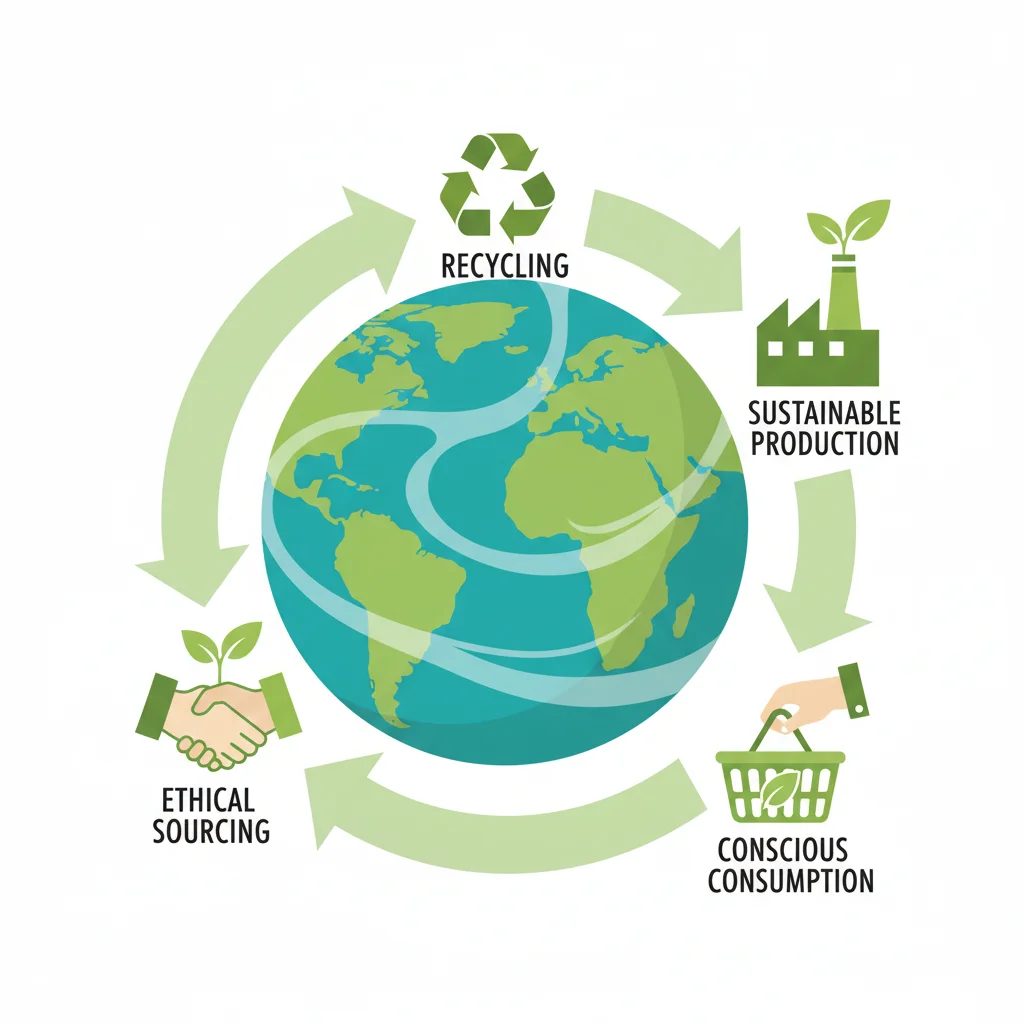
Beyond the digital realm, a profound shift in values is driving significant consumer spending trends: the move towards conscious consumption. Consumers are becoming increasingly aware of the environmental and social impact of their purchases, leading to a greater demand for ethical, sustainable, and transparent brands. This isn’t just a niche market segment; it’s a mainstream movement influencing purchasing decisions across demographics.
Sustainability is no longer a buzzword but a critical factor in brand choice. Consumers are actively seeking out products that are environmentally friendly, from their raw materials and production processes to packaging and end-of-life disposal. This includes everything from organic food and recycled apparel to energy-efficient appliances and carbon-neutral services. Brands that can demonstrate a genuine commitment to sustainability, backed by verifiable certifications and transparent practices, will gain a significant competitive advantage. This growing preference directly impacts consumer spending trends, favoring businesses that align with these values.
Ethical considerations extend beyond environmental impact to include fair labor practices, responsible sourcing, and corporate social responsibility. Consumers want to know that the products they buy are not produced at the expense of human rights or animal welfare. This means a greater demand for fair trade products, cruelty-free cosmetics, and brands that actively contribute to social good. Companies that engage in genuine philanthropic efforts or community development initiatives can build stronger emotional connections with their customers, fostering loyalty that goes beyond price or convenience. These ethical considerations are becoming integral to consumer spending trends.
Transparency is another cornerstone of conscious consumption. Consumers are increasingly skeptical of greenwashing and demand clear, verifiable information about a product’s origin, ingredients, and production journey. Blockchain technology, for example, is being explored to provide immutable records of supply chains, offering consumers unprecedented levels of transparency. Brands that are open and honest about their practices, even when they are not perfect, will build greater trust than those that obscure information. This demand for transparency is a powerful force shaping consumer spending trends.
The circular economy model is also gaining traction. Instead of a linear ‘take-make-dispose’ approach, consumers are interested in products designed for longevity, repairability, and recyclability. This includes subscription models for goods that can be returned and refurbished, rental services for high-value items, and buy-back programs for used products. These models not only reduce waste but also offer consumers access to goods and services in a more affordable and flexible manner, influencing consumer spending trends towards more sustainable options.
This shift towards conscious consumption is being driven by a combination of factors: increased access to information, a growing awareness of global challenges, and the influence of younger generations (Millennials and Gen Z) who prioritize purpose over pure consumption. These generations are not just buying products; they are buying into values and identities. Brands that can authentically align with these values will resonate more deeply with this powerful demographic, securing their share of future consumer spending trends.
For businesses, this means more than just a marketing campaign; it requires a fundamental rethinking of their operations, supply chains, and corporate ethos. Integrating sustainability and ethical practices into the core of their business model is no longer optional but a strategic imperative. Those that fail to adapt risk alienating a significant and growing portion of the consumer base, missing out on crucial consumer spending trends.
Navigating the Inflationary Landscape: Value-Driven Decisions
Despite the projected 4% growth in overall consumer spending, the lingering effects of inflation continue to heavily influence consumer spending trends. While inflation rates may stabilize or even decline in some regions, the cumulative impact on purchasing power has made consumers more discerning and value-conscious than ever before. This translates into a strategic approach to budgeting and a heightened scrutiny of pricing and product benefits.
Consumers are actively seeking ways to maximize the value of every dollar spent. This doesn’t necessarily mean always opting for the cheapest option, but rather looking for the best quality-to-price ratio, durability, and multi-functional products. The ‘cost-per-use’ metric is becoming more relevant than the upfront price for many items. For example, investing in a slightly more expensive, durable appliance that lasts longer and is more energy-efficient might be preferred over a cheaper, less robust alternative. This focus on long-term value is a key aspect of current consumer spending trends.
The grocery sector, in particular, has seen significant shifts. Consumers are trading down to private label brands, utilizing loyalty programs more frequently, and planning their shopping trips with greater precision to avoid impulse buys. Bulk purchasing, where feasible, is also making a comeback as a strategy to lock in lower prices. The rise of discount retailers and a greater emphasis on promotions and sales events are direct responses to this value-driven mindset, profoundly impacting consumer spending trends in everyday essentials.
Subscription services, which offer predictable costs and often perceived convenience or savings, continue to be popular, but consumers are also becoming more selective. The ‘subscription fatigue’ phenomenon means individuals are reviewing their monthly outgoings more carefully, cancelling redundant services, and only retaining those that offer clear, undeniable value. This scrutiny means businesses offering subscription models must continuously demonstrate their worth to retain subscribers, reflecting dynamic consumer spending trends.
In the discretionary spending categories, consumers are often prioritizing experiences over material goods. Travel, dining out (though often with an eye on deals and promotions), and entertainment continue to attract significant spending, but often with a focus on creating memorable moments rather than accumulating possessions. This shift reflects a broader re-evaluation of what truly brings happiness and fulfillment, influencing consumer spending trends in leisure and lifestyle.
For businesses, this inflationary environment demands agility and a clear value proposition. Pricing strategies need to be carefully considered, balancing profitability with consumer affordability. Communicating the value of products and services—whether through quality, durability, efficiency, or unique benefits—is more important than ever. Brands that can help consumers save money in the long run, or provide exceptional experiences for their investment, will likely fare better. Understanding how inflation shapes these consumer spending trends is crucial for strategic pricing and marketing.
Furthermore, businesses should explore innovative ways to offer flexibility, such as smaller package sizes for lower price points, or tiered product offerings that cater to different budget levels. Loyalty programs that offer tangible savings and personalized rewards can also be highly effective in retaining customers in a competitive, price-sensitive market. The ability to adapt to consumers’ increased focus on value will be a defining characteristic of successful retail strategies in 2026, directly addressing significant consumer spending trends.
Demographic Shifts and Lifestyle Impacts on Spending
Underlying all these economic and technological changes are significant demographic shifts and evolving lifestyle preferences that profoundly shape consumer spending trends. The aging global population, the rising economic power of Generation Z, and changes in household structures all contribute to a diverse and complex consumer landscape in 2026.
The Baby Boomer generation, while entering retirement, still holds substantial wealth and purchasing power. Their spending patterns tend to focus on health and wellness, travel, experiences, and home improvements. Products and services catering to active seniors, preventative health, and comfortable living will continue to see strong demand. However, their digital literacy is also increasing, meaning e-commerce is not solely the domain of younger generations. Businesses should not overlook this demographic’s specific needs and spending capacity, as it forms a significant part of overall consumer spending trends.
Generation Z, now fully entering the workforce and increasing their earning potential, represents a powerful new force. This generation is digitally native, highly socially conscious, and values authenticity and personalization. Their spending is heavily influenced by social media, peer recommendations, and a strong preference for brands that align with their values (as discussed in conscious consumption). They are early adopters of new technologies and eager for novel experiences. Understanding their unique preferences and communication styles is critical for businesses aiming to capture this growing market segment and influence future consumer spending trends.
Millennials, now often in their prime earning years, continue to drive spending in areas like family-oriented products, homeownership (or rental), technology, and sustainable goods. They are also highly adept at online shopping and expect seamless digital experiences. Their emphasis on work-life balance and mental well-being also influences spending on self-care, wellness products, and convenient services that free up time. Catering to the diverse needs of this large and influential group is vital for any business tracking consumer spending trends.
Beyond generational differences, changes in household structures also play a role. The rise of single-person households, smaller family units, and multi-generational living arrangements all impact housing, food, and consumption patterns. For example, smaller households may favor convenience foods or smaller portion sizes, while multi-generational homes might prioritize bulk purchases or products that cater to a wide age range. Understanding these nuances allows businesses to tailor their offerings more effectively, thereby impacting consumer spending trends.
Furthermore, the increasing urbanization of global populations influences demand for services over goods, particularly in densely populated areas where space is at a premium. Public transportation, shared economy services (like ride-sharing or co-working spaces), and local experiences often take precedence over individual ownership of certain assets. This shift towards a ‘sharing economy’ also represents a significant alteration in consumer spending trends.
The focus on health and wellness remains a powerful motivator across all demographics. Spending on healthy food, fitness activities, mental health services, and preventative care continues to grow. This includes not just traditional health products but also wearable technology, personalized nutrition plans, and mindfulness apps. Businesses in the health and wellness sector are well-positioned for growth, provided they can offer credible and effective solutions that resonate with consumer needs, thus capitalizing on significant consumer spending trends.
In summary, successful businesses in 2026 will need to adopt a nuanced approach, recognizing that there is no single ‘consumer.’ Instead, they must understand the diverse needs, values, and economic realities of different demographic segments and tailor their products, services, and marketing strategies accordingly. This demographic sensitivity is crucial for navigating and leveraging future consumer spending trends.
The Future of Retail: Agility and Adaptation
The retail sector in 2026 will be defined by agility and adaptation. The projected 4% growth in consumer spending is not a guarantee of success for all; rather, it signifies a reshuffling of the deck, where innovative, customer-centric businesses will thrive, and those resistant to change will struggle. The key takeaway from analyzing consumer spending trends is the imperative for continuous evolution.
Personalization, driven by data analytics and AI, will move beyond simple recommendations to hyper-customized product offerings, marketing messages, and even pricing. The ability to anticipate consumer needs before they are explicitly stated will be a significant differentiator. This requires robust data infrastructure and a commitment to understanding the individual customer journey in depth, which is vital for influencing consumer spending trends.
The physical store will transform from a mere point of sale into an experiential hub. Retailers are investing in creating engaging environments that offer unique brand experiences, product demonstrations, and community events. These stores serve as powerful marketing tools and complements to online channels, rather than competitors. The goal is to create emotional connections and provide reasons for consumers to visit, enhancing the overall brand relationship and positively affecting consumer spending trends.
Supply chain resilience and transparency will become paramount. Geopolitical events, climate change impacts, and labor shortages have highlighted the vulnerabilities of global supply chains. Consumers are also demanding greater visibility into how products are made and transported. Businesses that can demonstrate robust, ethical, and sustainable supply chain practices will build greater trust and loyalty, reinforcing positive consumer spending trends.
The gig economy and freelance work continue to expand, impacting income stability and discretionary spending. Businesses need to understand how these employment shifts influence financial planning and consumption patterns, potentially offering more flexible payment options or product bundles that cater to varying income streams. This understanding is key to adapting to evolving consumer spending trends.
Finally, social responsibility will no longer be a ‘nice-to-have’ but a fundamental expectation. Brands are increasingly being judged not just on their products but on their broader impact on society and the environment. Companies that genuinely embed social and environmental values into their core operations, and communicate these efforts authentically, will resonate more deeply with the conscious consumer base driving many of the positive consumer spending trends.
Conclusion: A Dynamic Future for Consumer Spending
The 2026 outlook for consumer spending is one of dynamic growth, projected at a healthy 4%, but also one of profound transformation. The three-month analysis underscores that while consumers are willing to spend, they are doing so with greater intentionality, guided by a complex interplay of digital convenience, ethical considerations, and a persistent focus on value. The retail sector is not merely reacting to these shifts but actively evolving, embracing technology and redefining the shopping experience.
Key consumer spending trends to watch include the continued dominance and evolution of e-commerce, with personalization and omnichannel integration at its core. The rise of conscious consumption demands that businesses prioritize sustainability, transparency, and ethical practices. Furthermore, the inflationary landscape necessitates a sharp focus on delivering demonstrable value, whether through quality, durability, or exceptional experiences.
Demographic shifts, particularly the rising influence of Gen Z and the sustained spending power of older generations, require tailored approaches. Businesses that can adapt to these varied needs and preferences will unlock significant growth opportunities. The future belongs to agile, customer-centric organizations that understand these nuanced consumer spending trends and are willing to innovate constantly.
For businesses, the roadmap to success in 2026 involves investing in digital capabilities, embedding sustainability into their core operations, refining their value propositions, and deeply understanding their diverse customer base. By embracing these challenges and opportunities, companies can not only capture a share of the projected 4% growth but also build resilient, future-ready enterprises that thrive in an ever-changing consumer landscape. The evolution of consumer spending trends is an ongoing journey, and staying informed and adaptable will be the ultimate competitive advantage.