
Navigating Housing Assistance Programs in 2026: Section 8 Voucher Updates and Rental Aid Opportunities
As we step into 2026, the landscape of housing assistance programs continues to evolve, reflecting the dynamic needs of communities across the nation. For millions of Americans, securing stable and affordable housing remains a paramount concern. Understanding the latest updates to programs like Section 8 vouchers and other critical rental aid opportunities is not just beneficial; it’s essential for maintaining housing security and improving quality of life. This comprehensive guide aims to demystify the changes, highlight new initiatives, and provide actionable advice for individuals and families seeking support. Whether you are a current recipient, a prospective applicant, or simply looking to understand the system better, this article will serve as your go-to resource for housing assistance 2026.
The federal government, alongside state and local entities, consistently reviews and revises housing policies to address affordability crises, homelessness, and housing insecurity. These revisions often involve adjustments to funding allocations, eligibility criteria, application processes, and the scope of services provided. Staying informed about these changes is crucial for anyone relying on or planning to apply for housing support. Our focus will be on the most significant programs, particularly the Housing Choice Voucher Program (Section 8), which is a cornerstone of federal housing assistance, and other emerging rental aid initiatives designed to support vulnerable populations.
The economic climate, housing market fluctuations, and legislative priorities all play a role in shaping the future of housing assistance. In 2026, we anticipate continued efforts to streamline application processes, enhance accessibility for diverse populations, and potentially introduce new programs to fill existing gaps. This article will delve into these anticipated changes, offering insights into what applicants can expect and how they can best prepare to secure the housing support they need. We will also explore the challenges and opportunities presented by these updates, equipping you with the knowledge to navigate the system effectively. The goal is to ensure that those in need can access the resources available to them, contributing to a more stable and equitable housing environment for all.
Understanding the Housing Choice Voucher Program (Section 8) in 2026
The Housing Choice Voucher Program, commonly known as Section 8, is the federal government’s largest program for assisting very low-income families, the elderly, and the disabled to afford decent, safe, and sanitary housing in the private market. In 2026, Section 8 remains a vital lifeline for countless households, but it is also subject to ongoing adjustments and policy refinements. These changes are often driven by congressional appropriations, economic indicators, and the evolving needs of the housing market. Understanding these nuances is critical for both current voucher holders and prospective applicants.
Key Updates to Section 8 Eligibility and Application Processes
One of the primary areas of focus for housing assistance 2026 will be the refinement of eligibility criteria and the application process for Section 8 vouchers. While the fundamental income limits (typically 50% of the median income for the area) are expected to remain, there may be adjustments to how income is calculated, particularly concerning fluctuating employment or non-traditional income sources. Public Housing Agencies (PHAs) are continuously working to make the application process more efficient and accessible. This could include further digitization of applications, improved online portals, and enhanced support services for applicants who may face technological barriers.
Applicants should anticipate a continued emphasis on thorough documentation. This includes proof of income, household composition, citizenship or eligible immigration status, and any disability status. PHAs may also implement new screening protocols to ensure fair and equitable distribution of vouchers. It is always advisable to contact your local PHA well in advance to understand their specific requirements and any localized changes for 2026. Waiting lists for Section 8 can be extensive, so early application and consistent follow-up are crucial. Some PHAs may also open their waiting lists for limited periods, making it imperative to stay informed through official PHA channels.
Navigating Voucher Portability and Landlord Participation
Voucher portability, which allows families to move with their Section 8 assistance to another jurisdiction, is a critical feature of the program. In 2026, efforts are expected to continue to streamline the portability process, making it easier for families to relocate without losing their housing assistance. This is particularly important for those seeking better employment opportunities, educational resources, or to be closer to family support networks. However, the receiving PHA must have a voucher available and be willing to absorb the family into their program, which can sometimes present challenges.
Landlord participation is another vital component of the Section 8 program. Without willing landlords, vouchers cannot be utilized. To encourage greater landlord engagement, PHAs may introduce new incentives, such as streamlined inspection processes, direct deposit for rent payments, and educational resources for landlords on the benefits of participating in the program. Some jurisdictions might also explore measures to combat source-of-income discrimination, which can be a barrier for voucher holders. Understanding the rights and responsibilities of both tenants and landlords under the Section 8 program in 2026 will be essential for successful placements.
Emerging Rental Aid Opportunities and Other Housing Programs in 2026
Beyond the established Section 8 program, 2026 is expected to see a continuation and potential expansion of various other rental aid opportunities and housing programs. These initiatives often target specific populations or address particular housing challenges, complementing the broader federal programs. Staying aware of these diverse options is key to comprehensively navigating housing assistance 2026.
Emergency Rental Assistance Programs (ERAP)
While many of the pandemic-era Emergency Rental Assistance Programs (ERAP) have concluded, some states and localities may continue to offer similar, albeit smaller-scale, programs in 2026. These programs are typically designed to provide short-term financial assistance for rent and utility payments to households experiencing temporary financial hardship. Eligibility often depends on income levels, demonstration of a financial crisis, and the ability to maintain housing after the assistance period. It is crucial to check with local housing authorities, community action agencies, and non-profit organizations for the availability of such programs in your area.

State and Local Housing Initiatives
Many states and local municipalities operate their own housing assistance programs, which can vary widely in scope and focus. These programs might include rental subsidies, security deposit assistance, first-month’s rent assistance, or even programs aimed at preventing homelessness. For example, some cities offer programs specifically for veterans, individuals experiencing homelessness, or those fleeing domestic violence. In 2026, it is anticipated that there will be continued investment in these localized programs, often funded through a combination of state budgets, federal grants (like HOME Investment Partnerships Program), and local tax revenues. Researching specific programs available in your state, county, or city is a vital step in securing comprehensive housing support.
Support for Specific Populations: Elderly, Disabled, and Veterans
Specialized housing assistance programs continue to be a priority for vulnerable populations. For the elderly, programs like Section 202 Supportive Housing for the Elderly provide affordable housing options with supportive services. Similarly, Section 811 Supportive Housing for Persons with Disabilities offers rental assistance and support for individuals with severe disabilities. Veterans also have dedicated resources, such as the HUD-VASH program, which combines HUD’s housing vouchers with VA supportive services to help homeless veterans and their families. In 2026, these programs are expected to continue to play a crucial role, with potential enhancements to service delivery and increased outreach efforts to ensure those who qualify are aware of and can access these vital resources.
Preparing Your Application for Housing Assistance in 2026
The application process for housing assistance programs, especially Section 8, can be complex and requires meticulous preparation. Being organized and proactive can significantly improve your chances of successfully securing support. This section provides a practical guide on how to prepare your application for housing assistance 2026.
Gathering Essential Documentation
The foundation of a strong application is comprehensive documentation. Before you even begin filling out forms, compile all necessary papers. This typically includes:
- Proof of Identity: Government-issued ID for all adult household members (driver’s license, state ID, passport). Birth certificates for all household members.
- Proof of Income: Pay stubs (recent 3-6 months), tax returns, Social Security benefit letters, disability benefit letters, unemployment statements, child support documentation, and any other sources of income for all household members.
- Proof of Assets: Bank statements (checking, savings), statements for any investments, real estate holdings.
- Proof of Household Composition: Marriage certificates (if applicable), divorce decrees, custody agreements.
- Proof of Residency: Current lease agreement, utility bills, mail with your current address.
- Other Relevant Documents: Medical expenses (if applicable for deductions), childcare expenses, student status documentation (if applicable), criminal background checks (some PHAs require this).
It is advisable to create a dedicated folder, either physical or digital, for all these documents. Make copies of everything and never submit original documents unless explicitly requested and you have a copy for your records.
Understanding Income Limits and Deductions
Eligibility for most housing assistance programs, including Section 8, is primarily based on income. PHAs determine income limits based on the median income for their specific area, adjusted for family size. These limits are updated annually by HUD. In 2026, you will need to ensure your household’s gross annual income falls within the ‘very low-income’ (50% of median) or ‘extremely low-income’ (30% of median) categories for Section 8. Be aware of allowable deductions, such as for elderly or disabled family members, medical expenses, and childcare costs, as these can reduce your ‘adjusted income’ and potentially make you eligible when your gross income might not initially appear to qualify.
The Importance of Communication and Follow-Up
Once your application is submitted, the waiting game begins. Waiting lists for Section 8 vouchers can be long, often spanning several years. During this time, it is crucial to maintain open communication with the PHA. Inform them immediately of any changes to your contact information, household composition, or income. Failure to do so could result in your application being removed from the waiting list. Periodically check in on the status of your application, but be respectful of PHA staff’s time. Many PHAs have online portals or dedicated phone lines for status inquiries. Patience and persistence are key when navigating the application process for housing assistance 2026.
Overcoming Challenges and Maximizing Your Chances for Housing Assistance
While housing assistance programs offer vital support, applying for and receiving aid can come with challenges. Understanding common hurdles and developing strategies to overcome them can significantly enhance your prospects for securing housing in 2026.
Addressing Long Waiting Lists and Limited Funding
One of the most significant challenges for housing assistance 2026 applicants is the extensive waiting lists for programs like Section 8. Due to high demand and often limited funding, it can take years to receive a voucher. To mitigate this, consider applying to multiple PHAs if you are willing to relocate, as waiting lists vary by jurisdiction. Also, explore local and state-specific programs that might have shorter waiting periods or different eligibility criteria. Don’t put all your hopes on a single program; diversify your applications where possible. Regularly checking PHA websites for announcements about waiting list openings is also crucial, as some lists only open for brief periods.
Understanding and Meeting Program Requirements
Each housing assistance program has specific requirements, and failure to meet them can lead to delays or rejection. This includes strict income limits, family composition rules, and sometimes even background checks. Be honest and accurate in all your application materials. Any misrepresentation can result in disqualification. If you have a criminal record, understand how it might impact your eligibility and be prepared to provide any required documentation or explanations. Some programs have specific provisions for individuals with certain past offenses, while others may be more stringent. Seek legal aid or housing counseling if you are unsure about how your specific circumstances align with program requirements.
Leveraging Community Resources and Support Networks
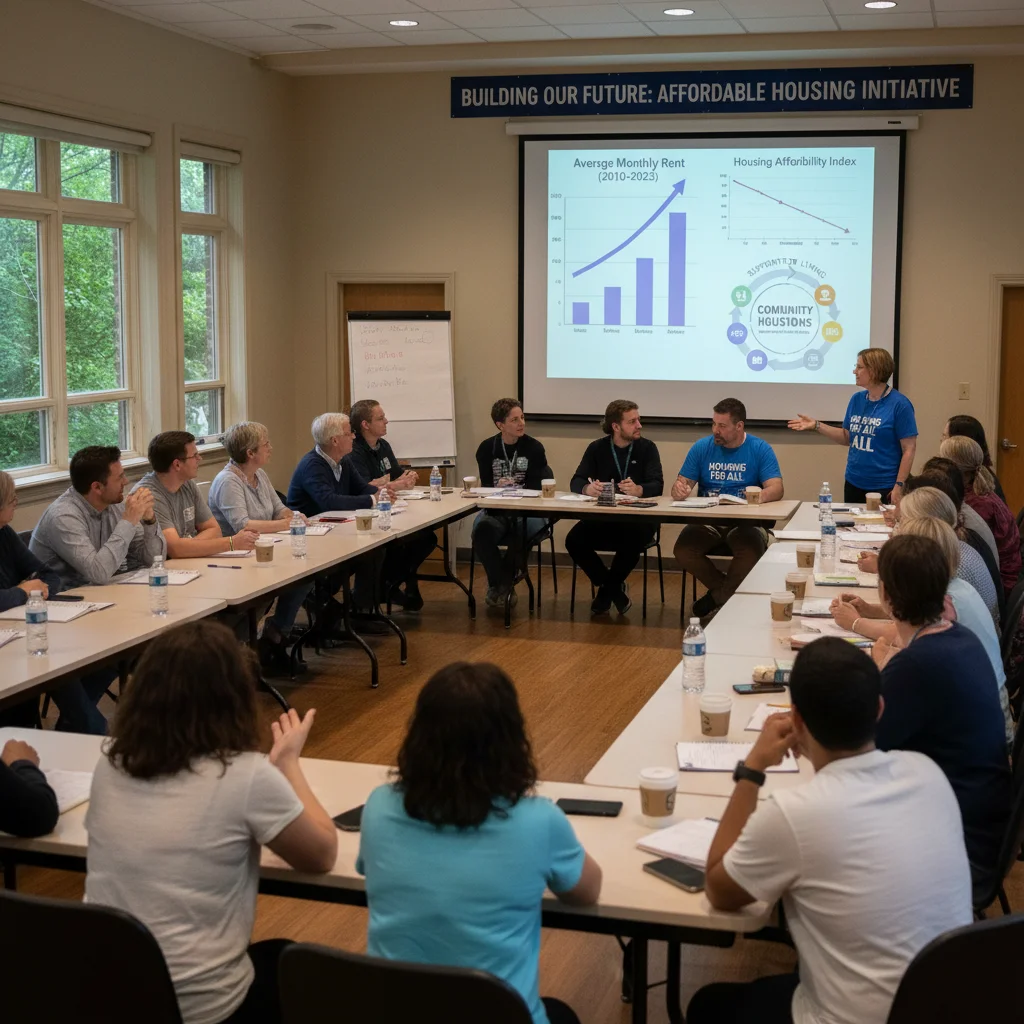
Navigating the complexities of housing assistance doesn’t have to be a solo endeavor. Community resources can be invaluable. Non-profit organizations, housing counseling agencies, and legal aid services often provide free or low-cost assistance with applications, understanding eligibility, and advocating on your behalf. These organizations are well-versed in the intricacies of housing assistance 2026 and can offer personalized guidance. Furthermore, connecting with local support networks can provide emotional support and practical advice from others who have successfully navigated the system. Don’t hesitate to reach out for help; there are many dedicated individuals and groups committed to assisting those seeking affordable housing.
The Future of Housing Assistance: Anticipated Trends for 2026 and Beyond
Looking ahead, the trajectory of housing assistance programs in 2026 and beyond is likely to be shaped by several key trends. These trends reflect a growing understanding of housing as a fundamental human right and the economic and social benefits of stable housing.
Increased Focus on Housing Stability and Homelessness Prevention
There is a growing national emphasis on not just providing housing, but ensuring housing stability and preventing homelessness. This means that housing assistance 2026 programs may increasingly incorporate services designed to help tenants maintain their housing, such as financial literacy training, job placement assistance, and mediation services for landlord-tenant disputes. Early intervention programs aimed at supporting individuals and families before they experience homelessness are also likely to receive increased funding and attention. The goal is to create a more robust safety net that addresses the root causes of housing insecurity, rather than just reacting to crises.
Technological Integration and Data-Driven Policy Making
The digitization of application processes and the use of data analytics are trends expected to continue influencing housing assistance. In 2026, we may see more sophisticated online portals, streamlined document submission, and even AI-powered tools to help applicants navigate complex forms. For policymakers, robust data collection on housing needs, program effectiveness, and demographic trends will be crucial for making informed decisions about funding allocations and program design. This data-driven approach aims to make programs more efficient, equitable, and responsive to the actual needs of communities, ensuring that resources for housing assistance 2026 are utilized optimally.
Addressing Affordability in High-Cost Areas
The challenge of housing affordability in high-cost urban and suburban areas remains significant. In 2026, there may be further exploration of innovative solutions to address this, such as increased payment standards for Section 8 vouchers in certain markets, incentives for developers to build affordable housing, and potentially new regional housing strategies. The aim is to ensure that housing assistance truly allows individuals to live in areas with better job opportunities and schools, rather than being confined to neighborhoods with limited resources. This may involve closer collaboration between federal, state, and local governments to create comprehensive strategies that tackle the systemic issues contributing to housing unaffordability.
Conclusion: Securing Your Housing Future in 2026
Navigating the world of housing assistance can be daunting, but with the right information and preparation, securing stable and affordable housing in 2026 is an achievable goal. The Housing Choice Voucher Program (Section 8) continues to be a cornerstone of support, alongside a myriad of state, local, and specialized rental aid initiatives. Understanding the eligibility criteria, meticulously preparing your application, and proactively engaging with PHAs and community resources are all vital steps in this journey.
As programs evolve, staying informed about policy updates, funding changes, and application processes will be paramount. The anticipated trends for 2026 suggest a future where housing assistance is more integrated, technologically advanced, and focused on long-term housing stability and homelessness prevention. By leveraging the insights provided in this guide, you can confidently approach the application process, overcome potential challenges, and ultimately secure the housing support you and your family need. Remember, stable housing is a foundation for personal well-being and economic opportunity, and the resources for housing assistance 2026 are designed to help you build that foundation.