Section 8 Vouchers 2026: Updates, Eligibility & Application Guide

Anúncios
Section 8 Vouchers 2026: Updates, Eligibility & Application Guide
Navigating the landscape of housing assistance can be challenging, especially with ongoing changes and updates to federal programs. For millions of Americans, the Housing Choice Voucher Program, commonly known as Section 8 Vouchers 2026, represents a lifeline, offering crucial support to secure safe, decent, and affordable housing. As we look ahead to 2026, understanding the latest developments, eligibility requirements, and the application process becomes paramount for those seeking assistance and for housing advocates alike.
This comprehensive guide aims to demystify Section 8 Vouchers 2026, providing an in-depth look at what applicants can expect, potential changes, and how to best prepare for the process. We’ll cover everything from the fundamental principles of the program to detailed eligibility criteria, the often-complex application stages, and strategies for success. Whether you are a first-time applicant, a current recipient, or simply seeking information, this article will serve as your essential resource for all things related to Section 8 Vouchers 2026.
Anúncios
Understanding the Housing Choice Voucher Program (Section 8)
The Housing Choice Voucher Program, or Section 8, is the federal government’s largest program for assisting very low-income families, the elderly, and the disabled to afford decent, safe, and sanitary housing in the private market. Since its inception, the program has played a critical role in alleviating housing insecurity across the United States. Under Section 8, housing assistance is provided on behalf of the family or individual, allowing participants to find their own housing, including single-family homes, townhouses, and apartments. The program is administered by local public housing agencies (PHAs).
How Section 8 Vouchers Work
When a family receives a housing voucher, they are responsible for finding a suitable housing unit where the owner agrees to rent under the program. The rental unit must meet specific health and safety standards as determined by the PHA. Once a unit is approved, the PHA pays a housing subsidy directly to the landlord on behalf of the participating family. The family then pays the difference between the actual rent charged by the landlord and the amount subsidized by the program, typically 30% of their adjusted gross income. This structure ensures that housing remains affordable for low-income individuals and families, allowing them to allocate more of their income to other essential needs like food, healthcare, and transportation.
Anúncios
Key Objectives of Section 8
- Promoting Housing Affordability: The primary goal is to ensure that low-income families can access quality housing without spending an excessive portion of their income on rent.
- Deconcentration of Poverty: The program aims to enable families to live in neighborhoods of their choice, including those with better schools and job opportunities, rather than being concentrated in high-poverty areas.
- Tenant Choice: Unlike traditional public housing projects, Section 8 empowers tenants to choose their own housing in the private market, fostering greater independence and satisfaction.
- Economic Stability: By reducing housing costs, the program helps families achieve greater financial stability, which can lead to improved outcomes in education, employment, and health.
What to Expect for Section 8 Vouchers 2026: Potential Updates and Trends
While specific legislative changes for Section 8 Vouchers 2026 are yet to be fully defined, several trends and ongoing discussions within housing policy circles offer insights into what applicants and recipients might anticipate. The federal budget, economic conditions, and evolving housing needs across the nation typically influence program adjustments.
Funding Levels and Availability
The availability of Section 8 vouchers is directly tied to federal funding. Historically, demand for these vouchers far outstrips supply, leading to long waiting lists in many areas. For 2026, it’s crucial to monitor congressional appropriations for the Department of Housing and Urban Development (HUD). Increased funding could lead to the issuance of more vouchers or a reduction in waiting list times, while flat or reduced funding might exacerbate existing challenges. Advocates continue to push for robust funding to address the national housing crisis.
Policy Revisions and Program Modernization
HUD frequently reviews and updates its programs to improve efficiency, address emerging challenges, and better serve beneficiaries. Potential policy revisions for Section 8 Vouchers 2026 could include:
- Streamlining Application Processes: Efforts to simplify and digitize application procedures could make it easier for eligible individuals to apply and for PHAs to process applications more quickly.
- Addressing Homelessness: There might be an increased focus on utilizing Section 8 vouchers as a tool to combat homelessness, potentially through targeted allocations or expedited processes for homeless individuals and families.
- Encouraging Mobility: Policies that facilitate tenants’ ability to move to areas with greater opportunities (often referred to as ‘mobility initiatives’) could see further emphasis. This might involve additional support for finding housing in new communities or adjustments to voucher portability rules.
- Fair Market Rent (FMR) Adjustments: HUD annually adjusts FMRs, which determine the maximum rent a voucher can cover. These adjustments are critical as they reflect local housing market conditions and directly impact where voucher holders can afford to live. Expect these adjustments to continue, potentially with increased granularity to better reflect diverse neighborhood costs.
- Increased Focus on Supportive Services: There could be a push to integrate more supportive services with housing vouchers, especially for vulnerable populations such as the elderly, people with disabilities, and those experiencing chronic homelessness. This could include partnerships with social service agencies to provide case management, job training, and healthcare access.
Impact of Economic Conditions
Economic factors, such as inflation, interest rates, and the overall job market, significantly influence housing affordability. In a high-inflation environment, rental costs tend to rise, placing greater strain on low-income families and potentially reducing the purchasing power of existing vouchers. Policymakers will likely consider these economic realities when making decisions about program funding and structure for Section 8 Vouchers 2026.
Eligibility Requirements for Section 8 Vouchers 2026
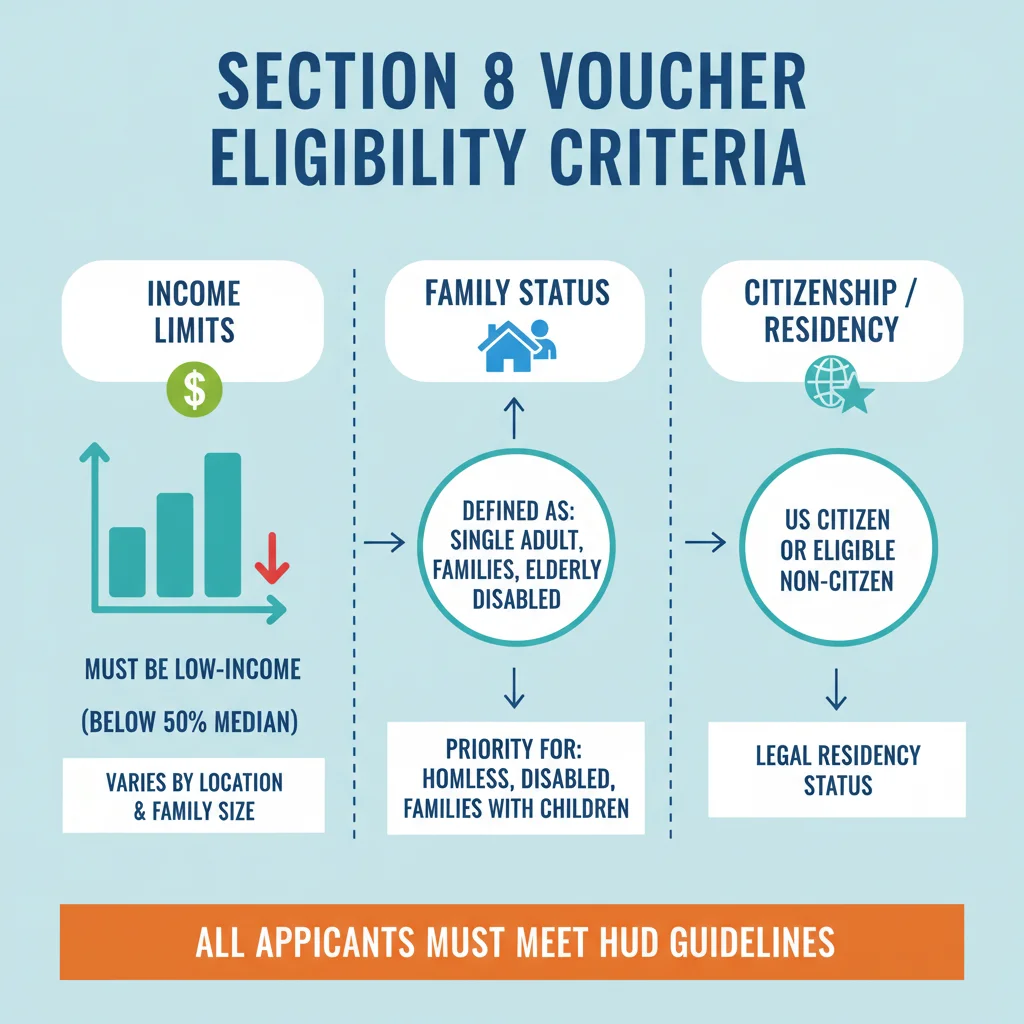
Eligibility for Section 8 Vouchers 2026 will largely remain consistent with current guidelines, focusing on income limits, family status, and citizenship. However, it’s always wise to confirm the most up-to-date criteria with your local PHA.
Income Limits
The most critical eligibility factor is income. Applicants must meet the definition of a ‘very low-income’ or ‘extremely low-income’ family as defined by HUD. These limits are set annually and vary by location and family size. Generally:
- Very Low-Income: Families whose income does not exceed 50% of the median income for the county or metropolitan area in which the family chooses to live.
- Extremely Low-Income: Families whose income does not exceed 30% of the median income for the county or metropolitan area.
It’s important to note that 75% of all new vouchers issued must go to extremely low-income families. You can check the specific income limits for your area on the HUD website or by contacting your local PHA.
Family Definition and Status
The program defines a ‘family’ broadly, including:
- A single person.
- A group of persons residing together, whether or not related by blood, marriage, or adoption.
- Elderly families (head, spouse, or sole member is age 62 or older).
- Disabled families (head, spouse, or sole member is a person with disabilities).
- Displaced families (displaced by government action or a declared disaster).
PHAs will verify family composition during the application process.
Citizenship and Immigration Status
To be eligible for Section 8, applicants must be U.S. citizens or have eligible immigration status. Mixed families (where some members are eligible and others are not) may receive prorated assistance, meaning the housing subsidy is adjusted based on the number of eligible family members.
Other Eligibility Considerations
- Criminal Background Checks: PHAs typically conduct criminal background checks. Certain types of criminal activity, especially those related to drug-related offenses or violent crimes, can disqualify an applicant.
- Eviction History: A history of eviction from public housing or Section 8 housing for drug-related criminal activity may result in a denial of assistance.
- Debt to PHAs: Applicants who owe money to a PHA for previous housing assistance may be denied until the debt is resolved.
It is crucial to be honest and transparent during the application process, as any misrepresentation can lead to disqualification or termination of assistance.
The Application Process for Section 8 Vouchers 2026
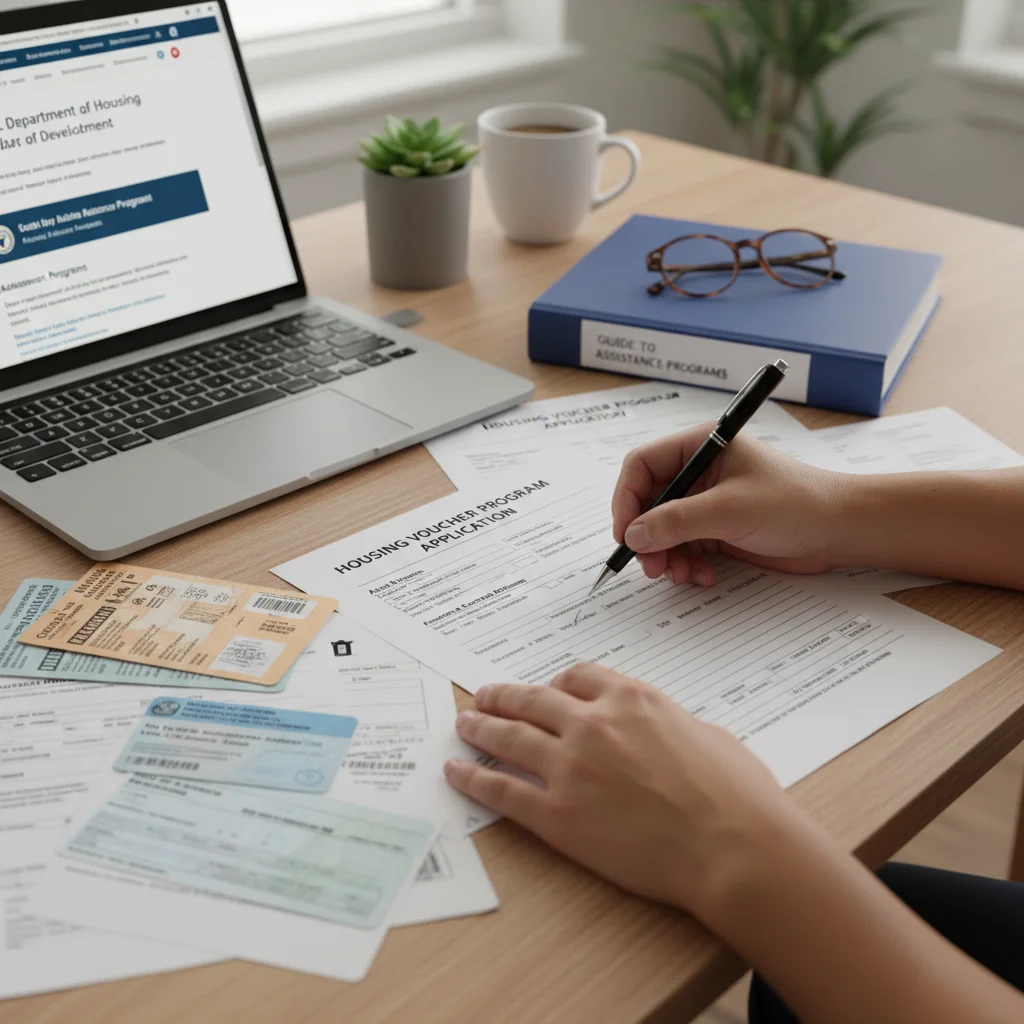
Applying for Section 8 Vouchers 2026 can be a lengthy process due to high demand. Understanding each step is vital for a successful application.
Step 1: Locate Your Local Public Housing Agency (PHA)
The first step is to identify and contact the PHA in the area where you wish to live. You can find a list of PHAs on the HUD website. Each PHA has its own application procedures and waiting lists.
Step 2: Submit an Application
Once you locate your PHA, you will need to submit an application. This typically involves providing detailed information about your household, income, assets, and any special circumstances (e.g., disability, elderly status). Be prepared to provide documentation such as:
- Proof of identity (birth certificates, social security cards for all household members).
- Proof of income (pay stubs, tax returns, benefit statements).
- Proof of assets (bank statements).
- Proof of citizenship or eligible immigration status.
- Any relevant disability documentation.
Some PHAs allow online applications, while others require in-person submission or mail. Ensure all information is accurate and complete to avoid delays.
Step 3: The Waiting List
Due to the overwhelming demand for Section 8 vouchers, most PHAs maintain a waiting list. This list can be very long, sometimes spanning several years. Some PHAs open their waiting lists only periodically, often for short windows, so it is essential to stay informed about their announcements. Prioritization on the waiting list may be given to certain groups, such as:
- Families experiencing homelessness.
- Victims of domestic violence.
- Elderly or disabled individuals.
- Families with children.
- Local residents or those working in the jurisdiction.
It is crucial to keep your contact information updated with the PHA while on the waiting list, as they will contact you when your name comes up.
Step 4: Interview and Verification
When your name reaches the top of the waiting list, the PHA will typically conduct an interview to verify the information provided in your application. They will perform background checks, including criminal history and previous tenancy records. This is also an opportunity for you to ask any questions you may have about the program.
Step 5: Voucher Issuance
If deemed eligible after the verification process, you will be issued a housing voucher. This voucher certifies your eligibility and specifies the amount of housing assistance you qualify for. It also comes with a specific timeframe (usually 60-120 days) during which you must find a suitable housing unit.
Step 6: Finding a Suitable Unit
With your voucher in hand, you will search for a rental unit in the private market. The unit must meet two main criteria:
- The landlord must agree to participate in the Section 8 program.
- The unit must pass a housing quality standards (HQS) inspection conducted by the PHA. This inspection ensures the unit is safe, sanitary, and in good condition.
The rent for the unit must also be reasonable compared to similar unassisted units in the area and must fall within the PHA’s payment standard.
Step 7: Lease Agreement and Assistance Payments
Once a suitable unit is found and passes inspection, you will sign a lease agreement with the landlord. Concurrently, the PHA will enter into a Housing Assistance Payments (HAP) contract with the landlord. The PHA will then begin making monthly subsidy payments directly to the landlord, and you will pay your portion of the rent to the landlord.
Challenges and Tips for Applicants in 2026
Applying for Section 8 Vouchers 2026 comes with its share of challenges, but proactive strategies can significantly improve your chances of success.
Long Waiting Lists
The most significant hurdle is often the long waiting lists. Some strategies to navigate this include:
- Apply to Multiple PHAs: If possible, apply to PHAs in different jurisdictions where you are willing to live, as waiting list lengths vary significantly.
- Stay Updated: Regularly check PHA websites or call them for updates on waiting list openings and your application status.
- Maintain Current Information: Ensure your contact information and household details are always current with the PHA to avoid missing critical communications.
Finding Participating Landlords
Some landlords may be hesitant to participate in the Section 8 program due to perceived bureaucratic hurdles or negative stereotypes. Tips for finding participating landlords:
- PHA Resources: Your PHA may provide a list of landlords who have previously participated in the program.
- Online Search: Websites specializing in affordable housing or Section 8 often have listings.
- Be Prepared and Professional: Present yourself as a responsible tenant. Have all your documentation ready and be communicative with potential landlords.
- Understand Landlord Incentives: Landlords receive guaranteed rent payments from the PHA, which can be a significant benefit. Highlight this aspect.
Navigating Inspections
Housing Quality Standards (HQS) inspections are a critical part of the process. If a unit fails inspection, the landlord must make necessary repairs before the voucher can be used. Tips:
- Communicate with Landlord: Ensure the landlord understands the HQS requirements and is willing to make any necessary repairs promptly.
- Pre-Inspection Check: If possible, do a walk-through with the landlord to identify and address any obvious deficiencies before the official inspection.
Beyond the Voucher: Responsibilities of Section 8 Participants
Receiving a Section 8 voucher is not the end of the journey; it marks the beginning of a new set of responsibilities for participants. Adhering to these responsibilities is crucial for maintaining housing assistance.
Tenant Responsibilities
As a Section 8 participant, you have several key responsibilities:
- Comply with Lease Terms: Abide by all terms and conditions of your lease agreement with the landlord.
- Pay Your Share of Rent on Time: Promptly pay your portion of the rent directly to the landlord.
- Maintain the Unit: Keep the dwelling clean and in good condition, avoiding damage beyond normal wear and tear.
- Report Changes: Immediately report any changes in income, family composition, or employment status to the PHA. Failing to report changes can lead to overpayment or underpayment of subsidy, resulting in penalties or termination.
- Allow Inspections: Grant the PHA and landlord access to the unit for inspections and necessary repairs.
- Avoid Criminal Activity: Do not engage in any drug-related or violent criminal activity.
- Do Not Sublease: You cannot sublease or assign the unit.
PHA Responsibilities
The PHA also has responsibilities to both the tenant and the landlord:
- Administer the Program: Manage the Section 8 program in accordance with HUD regulations.
- Determine Eligibility: Accurately assess applicant eligibility and income.
- Process Payments: Make timely housing assistance payments to landlords.
- Conduct Inspections: Perform annual HQS inspections to ensure units remain decent, safe, and sanitary.
- Provide Information: Inform tenants and landlords of their rights and responsibilities.
- Recalculate Subsidy: Adjust the housing subsidy when there are changes in family income or composition.
Future Outlook for Affordable Housing and Section 8 Vouchers 2026
The demand for affordable housing continues to outpace supply across the United States, making programs like Section 8 more critical than ever. As we look towards Section 8 Vouchers 2026 and beyond, several factors will shape the future of housing assistance.
Advocacy for Increased Funding
Housing advocates will continue to lobby Congress for increased funding for the Housing Choice Voucher Program. The goal is to expand the program to serve more eligible families and reduce the burden of housing costs on low-income households. The aspiration is often to make Section 8 an entitlement program, meaning all eligible families would receive assistance, rather than the current system where funding limitations restrict access.
Integration with Other Support Systems
There’s a growing recognition that housing stability is intertwined with other aspects of well-being, such as health, employment, and education. Future iterations of the Section 8 program may see greater integration with supportive services to provide a more holistic approach to poverty alleviation. This could involve enhanced partnerships between PHAs, healthcare providers, workforce development agencies, and educational institutions.
Technological Advancements
Technology will likely play an increasing role in the administration of Section 8. Digital application portals, online landlord registries, and data analytics to optimize program efficiency could become more commonplace. These advancements aim to streamline processes, reduce administrative burdens, and improve the overall experience for applicants and participants.
Addressing Regional Housing Crises
Housing affordability is a national issue, but its manifestations vary significantly by region. Policymakers may explore more localized solutions or flexible program parameters that allow PHAs to better address the unique housing challenges of their specific communities. This could involve pilot programs or special allocations for areas with particularly severe housing shortages or high rental costs.
Conclusion: Securing Your Future with Section 8 Vouchers 2026
The Housing Choice Voucher Program, or Section 8, remains a cornerstone of federal efforts to provide affordable housing to vulnerable populations. As we prepare for Section 8 Vouchers 2026, understanding the program’s intricacies, potential updates, and the application process is essential. While challenges such as long waiting lists and the need to find participating landlords persist, the benefits of securing stable, affordable housing are immeasurable.
By staying informed, meticulously preparing your application, and proactively engaging with your local Public Housing Agency, you can navigate the path to housing assistance more effectively. Remember that persistence, accuracy, and clear communication are your best allies in this process. The journey to securing a Section 8 voucher may require patience, but the outcome – the ability to live in a safe and affordable home – is a profound step towards greater stability and an improved quality of life for you and your family. Keep this guide handy as you embark on or continue your journey with Section 8 Vouchers 2026.