Navigating Inflation: How Recent Federal Reserve Policies Impact Consumer Spending in 2026
The economic landscape is a constantly shifting terrain, influenced by a myriad of factors, with central bank policies often acting as the most significant shapers. As we look ahead to 2026, the reverberations of recent Federal Reserve policies, particularly concerning inflation, are expected to profoundly impact consumer spending. Understanding these dynamics is not merely an academic exercise; it’s crucial for individuals and businesses alike to make informed financial decisions. This comprehensive analysis will explore the intricate relationship between Fed policies inflation, and the subsequent effects on the average consumer’s wallet.
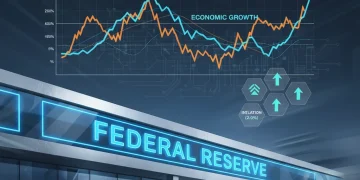
The Federal Reserve, often referred to as the ‘Fed,’ serves as the central banking system of the United States. Its primary mandates are to maximize employment, stabilize prices (control inflation), and moderate long-term interest rates. To achieve these goals, the Fed employs a range of monetary policy tools, each with its own ripple effect throughout the economy. In recent years, the Fed has navigated unprecedented economic challenges, from global pandemics to supply chain disruptions, leading to a series of aggressive policy adjustments. These adjustments have, in turn, set the stage for the economic conditions we anticipate in 2026, particularly regarding how Fed policies inflation will dictate consumer behavior.
Understanding the Federal Reserve’s Toolkit and Recent Actions
Before delving into the future, it’s essential to grasp the mechanisms the Fed uses to influence the economy. The primary tools include:
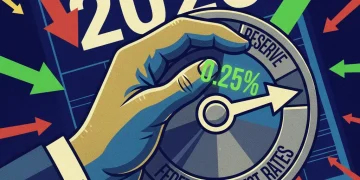
- Interest Rate Adjustments: The federal funds rate is the benchmark for all other interest rates in the economy. When the Fed raises this rate, borrowing becomes more expensive for banks, which then pass on these higher costs to consumers and businesses in the form of higher rates on loans, mortgages, and credit cards. Conversely, lowering the rate makes borrowing cheaper, stimulating economic activity.
- Quantitative Easing (QE) and Quantitative Tightening (QT): QE involves the Fed buying large quantities of government bonds and other financial assets from the open market. This injects money into the financial system, lowers long-term interest rates, and encourages lending and investment. QT is the reverse process, where the Fed reduces its balance sheet, effectively removing money from the system, which can push interest rates up.
- Reserve Requirements: These are the amounts of funds that banks must hold in reserve against deposits. While less frequently used as an active policy tool today, changes here can impact the amount of money banks have available to lend.
In the wake of the COVID-19 pandemic, the Fed implemented highly accommodative monetary policies, including near-zero interest rates and massive quantitative easing, to support the economy. While these measures prevented a deeper recession, they also contributed to a surge in inflation as supply struggled to meet booming demand, fueled by ample liquidity and consumer savings. Consequently, the Fed initiated a series of aggressive interest rate hikes starting in 2022, alongside a program of quantitative tightening, to combat persistent inflation. These actions have been pivotal in shaping the current economic environment and will continue to influence how Fed policies inflation impacts consumer spending in 2026.
The Direct Impact of Fed Policies on Inflation
Inflation, simply put, is the rate at which the general level of prices for goods and services is rising, and subsequently, the purchasing power of currency is falling. The Fed’s primary weapon against inflation is its ability to influence interest rates. When the Fed raises interest rates, it aims to cool down an overheating economy by making borrowing more expensive, thereby reducing demand. This reduction in demand, in theory, helps to bring prices down.
However, the journey from policy implementation to observable price changes is not always straightforward. There are significant lags in monetary policy, meaning the full effects of today’s decisions may not be felt for months or even years. As we approach 2026, we will likely be experiencing the delayed but profound effects of the rate hikes and QT implemented in previous years. The goal of these Fed policies inflation strategies was to bring inflation back down to the Fed’s target of 2%.
If these policies are successful in curbing inflation, consumers in 2026 might see a stabilization or even a slight decrease in the prices of everyday goods and services. This would mean that their money goes further, increasing their real purchasing power. Conversely, if inflation remains stubbornly high despite the Fed’s efforts, consumers will continue to face eroded purchasing power, forcing them to make difficult choices about their spending.
How Inflationary Pressures Reshape Consumer Spending in 2026
The interplay between Fed policies inflation and consumer spending is multifaceted. Inflation directly affects how much consumers can buy with their money, but it also influences their psychological outlook and financial decisions.
Erosion of Purchasing Power
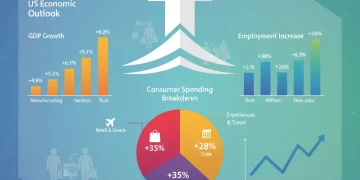
The most immediate and obvious effect of inflation is the erosion of purchasing power. When prices rise, every dollar buys less. For consumers, this translates into higher costs for necessities like food, housing, transportation, and energy. In 2026, if inflation persists, households will continue to allocate a larger portion of their income to these essential goods, leaving less disposable income for discretionary spending.
Changes in Savings and Investment Behavior
High inflation can incentivize consumers to spend now rather than save, as their money will be worth less in the future. However, rising interest rates, a direct consequence of Fed anti-inflation policies, can also make saving more attractive. The balance between these two forces will be crucial in 2026. If real interest rates (nominal interest rates minus inflation) are positive, saving becomes more appealing. If they remain negative, consumers might seek to invest in assets that are perceived to be inflation hedges, such as real estate or certain commodities, potentially diverting funds from other consumer goods.
Impact on Borrowing and Debt
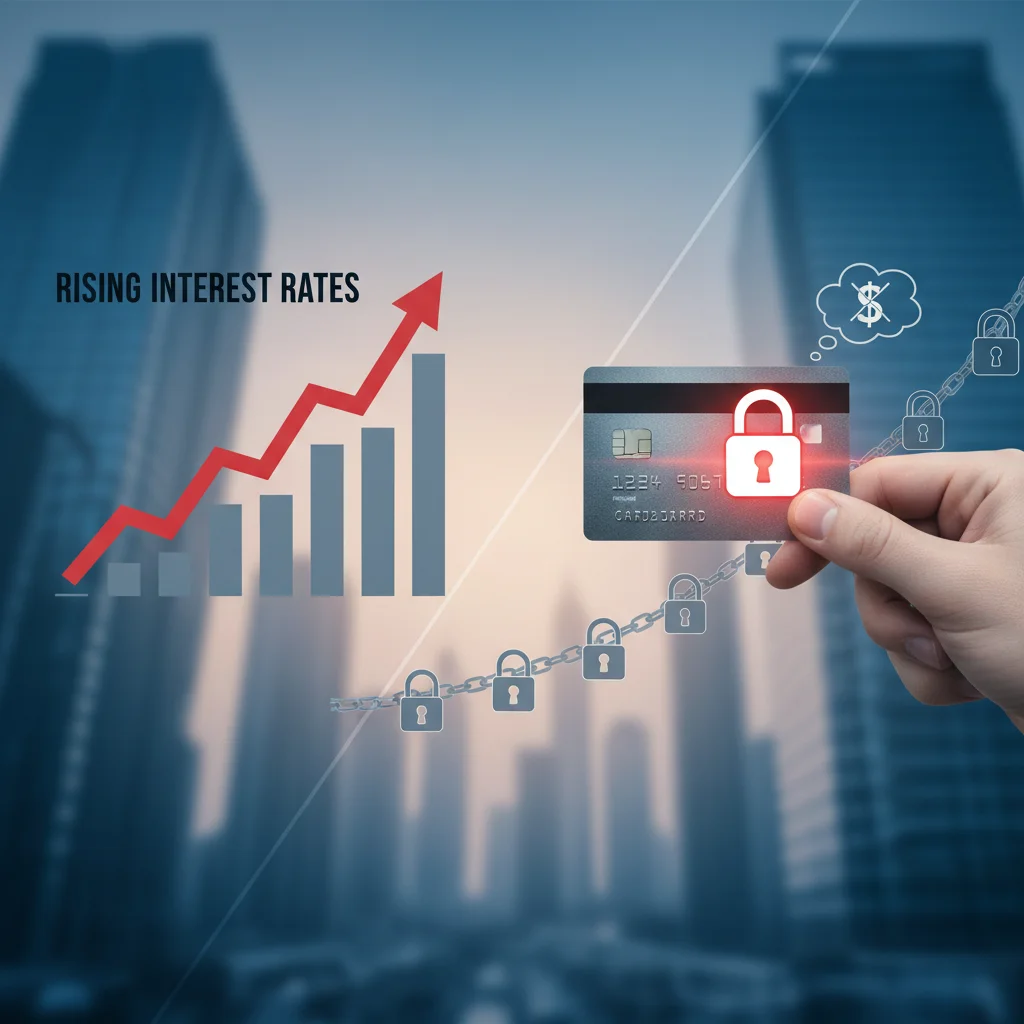
Higher interest rates, a key component of Fed policies inflation control, make borrowing more expensive. This directly impacts consumers seeking mortgages, car loans, or using credit cards. In 2026, we can expect to see:
- Reduced Mortgage Demand: Higher mortgage rates will make homeownership less affordable for many, potentially cooling the housing market. Existing homeowners with variable-rate mortgages may also face higher monthly payments.
- Slower Auto Sales: Increased auto loan rates can deter consumers from purchasing new vehicles, leading to a shift towards used cars or delaying purchases.
- Credit Card Debt Management: Consumers carrying credit card balances will face higher interest charges, making it more challenging to pay down debt and potentially reducing their capacity for future spending.
Consumer Confidence and Behavior
Inflation can significantly impact consumer confidence. Persistent price increases can lead to anxiety about financial stability and future economic prospects. This can cause consumers to become more cautious with their spending, prioritizing needs over wants and delaying major purchases. Conversely, if Fed policies inflation efforts succeed in bringing prices under control, consumer confidence could rebound, leading to a resurgence in spending. In 2026, the psychological aspect of inflation will be a critical determinant of overall consumer spending trends.
Sector-Specific Impacts of Fed Policies and Inflation in 2026
The impact of Fed policies inflation will not be uniform across all sectors of the economy. Some industries are more sensitive to changes in interest rates and consumer purchasing power than others.
Housing and Real Estate
This sector is highly sensitive to interest rates. Higher mortgage rates, a direct outcome of the Fed’s tightening policies, will likely continue to dampen demand for new homes and existing properties in 2026. Affordability will remain a significant challenge, especially for first-time buyers. This could lead to a slowdown in construction, impacting related industries like building materials and home furnishings.
Automotive Industry
Similar to housing, the automotive sector relies heavily on consumer financing. Elevated interest rates will make car loans more expensive, potentially leading to lower sales volumes. Consumers might opt for more fuel-efficient or less expensive models, or extend the lifespan of their current vehicles. The availability of inventory and ongoing supply chain issues will also continue to play a role.
Retail and E-commerce
Discretionary retail spending is often the first casualty of inflationary pressures and reduced purchasing power. Consumers will likely prioritize essential goods, leading to a potential slowdown in non-essential retail categories. E-commerce, while offering convenience, will still be subject to consumers’ overall budget constraints. Retailers will need to adapt by offering competitive pricing, promotions, and value-oriented products to attract cautious spenders.
Travel and Leisure
The travel and leisure industry, which saw a strong rebound post-pandemic, could face headwinds if inflation remains high and disposable incomes are squeezed. Consumers might opt for shorter, less expensive trips or reduce the frequency of their travel. However, pent-up demand and a desire for experiences could still provide some resilience, especially if inflation moderates.
Technology and Durable Goods
Purchases of durable goods, such as electronics and appliances, are often financed or represent significant household investments. Higher interest rates and reduced consumer confidence could lead to delayed upgrades or purchases in this sector. However, innovation and the necessity of certain technologies could provide a baseline level of demand.
The Global Context: External Factors Influencing Fed Policies and Inflation
It’s important to remember that the U.S. economy does not operate in a vacuum. Global economic conditions, geopolitical events, and supply chain dynamics will continue to influence both Fed policies inflation and consumer spending in 2026.
- Global Inflationary Pressures: Inflation is a global phenomenon. If other major economies continue to grapple with high inflation, it can feed back into the U.S. economy through import prices and commodity markets.
- Supply Chain Resilience: The fragility of global supply chains was exposed during the pandemic. Ongoing disruptions, whether due to geopolitical tensions, natural disasters, or labor shortages, can contribute to higher production costs and, consequently, consumer prices.
- Energy Prices: Fluctuations in global oil and gas prices have a direct and significant impact on inflation. Geopolitical events in major oil-producing regions can quickly send energy costs soaring, affecting transportation and manufacturing costs across the board.
- Exchange Rates: The strength of the U.S. dollar, influenced by interest rate differentials and global economic sentiment, affects import and export prices. A stronger dollar makes imports cheaper, potentially helping to curb inflation, while a weaker dollar has the opposite effect.
The Fed must constantly monitor these external factors when formulating its monetary policy. The success of its efforts to control inflation and stabilize the economy in 2026 will depend not only on domestic conditions but also on its ability to anticipate and respond to global developments.
Strategies for Consumers to Navigate the 2026 Economic Climate
Given the anticipated impact of Fed policies inflation on consumer spending in 2026, individuals can adopt several strategies to safeguard their financial well-being:
- Budgeting and Financial Planning: A meticulous budget is more critical than ever. Understanding where money is going and identifying areas for potential savings can help mitigate the effects of rising prices.
- Debt Management: With higher interest rates, prioritizing the repayment of high-interest debt, such as credit card balances, becomes paramount. Consolidating debt or exploring lower-interest options could be beneficial.
- Building Emergency Savings: A robust emergency fund provides a buffer against unexpected expenses and economic uncertainties, reducing the need to rely on high-interest borrowing.
- Smart Investing: While inflation can erode savings, strategic investments can help preserve and grow wealth. Consulting with a financial advisor to explore inflation-hedging assets or diversified portfolios can be a wise step.
- Seeking Value: Consumers will likely become more discerning in their purchases, seeking out value, discounts, and promotions. Comparing prices and being flexible with brands can lead to significant savings.
- Income Diversification: Exploring additional income streams or skill development can provide greater financial resilience in a challenging economic environment.

The Role of Government Fiscal Policy
While the Federal Reserve handles monetary policy, government fiscal policy (taxation and spending) also plays a crucial role in shaping the economic landscape. In 2026, the interplay between Fed monetary policy and government fiscal policy will be critical. Large government spending programs, if not carefully managed, could counteract the Fed’s efforts to cool inflation by injecting more demand into the economy. Conversely, fiscal policies that support supply-side improvements or targeted relief for vulnerable populations could help alleviate inflationary pressures without hindering economic growth. Coordination between these two branches of economic management is essential for a stable and prosperous outlook.
Looking Ahead: Potential Scenarios for 2026
As 2026 approaches, several scenarios regarding Fed policies inflation and consumer spending could unfold:
- Soft Landing: This is the ideal scenario where the Fed successfully tames inflation without triggering a significant recession. Inflation cools to target levels, and economic growth remains positive, leading to stable consumer spending.
- Hard Landing/Recession: If the Fed’s policies are too aggressive, or if other economic shocks occur, the economy could tip into a recession. This would likely bring inflation down but at the cost of higher unemployment and a significant contraction in consumer spending.
- Stagflation: A less desirable scenario where high inflation persists alongside stagnant economic growth and high unemployment. This is particularly challenging for consumers as their purchasing power is eroded while job prospects are dim.
- Inflation Resurgence: Despite the Fed’s efforts, new inflationary pressures (e.g., from global supply shocks or geopolitical events) could emerge, forcing the Fed to maintain or even re-intensify its tightening policies, leading to continued uncertainty for consumers.
The Fed’s decisions in the coming months will be critical in determining which of these paths the economy takes. Their commitment to price stability, balanced with a consideration for employment, will be under constant scrutiny. Consumers, in turn, must remain adaptable and financially prudent to navigate whichever scenario materializes.
Conclusion
The year 2026 promises to be a pivotal period for the U.S. economy, with the effects of recent Federal Reserve policies on inflation and consumer spending taking center stage. The Fed’s aggressive stance against inflation, characterized by interest rate hikes and quantitative tightening, aims to restore price stability. However, these actions come with trade-offs, potentially impacting borrowing costs, investment decisions, and overall consumer confidence. Understanding how Fed policies inflation dynamics will unfold is essential for every individual and business. By staying informed, adapting financial strategies, and exercising prudence, consumers can better position themselves to navigate the economic currents of 2026 and beyond, ensuring their financial resilience in an ever-evolving economic landscape.