Effective Philanthropy: Maximizing Charitable Giving for Social Change in 2026

Effective Philanthropy: Maximizing Charitable Giving for Social Change in 2026
In an increasingly complex world, the desire to make a difference through charitable giving is stronger than ever. However, simply donating money is no longer enough. The concept of effective charitable giving has emerged as a critical framework for donors who wish to ensure their contributions create the most significant, measurable, and sustainable social change. As we look towards 2026, understanding and implementing strategies for effective philanthropy will be paramount for individuals, foundations, and corporations alike.
This comprehensive guide delves into the principles of effective charitable giving, offering actionable insights and forward-thinking approaches to maximize your philanthropic impact. We will explore how to identify high-impact organizations, assess their effectiveness, engage meaningfully with causes, and leverage innovative models to drive real-world solutions. Whether you are a seasoned philanthropist or just beginning your giving journey, this article will equip you with the knowledge and tools to make your generosity count.
The Evolution of Philanthropy: Beyond Traditional Giving
For decades, philanthropy often operated on a model of reactive giving, responding to immediate needs or supporting established institutions without always scrutinizing the long-term impact. While such giving is undoubtedly valuable, the modern philanthropic landscape demands a more strategic and results-oriented approach. Donors are increasingly asking fundamental questions: Is my donation truly making a difference? How can I measure the impact of my giving? Am I supporting solutions that address root causes rather than just symptoms?
This shift represents a maturation of the philanthropic sector, moving towards what is often termed ‘strategic philanthropy’ or ‘impact-driven giving.’ The focus is no longer solely on the amount given, but on the outcomes achieved. This involves rigorous research, due diligence, and a willingness to engage with organizations on a deeper level. The goal of effective charitable giving is to optimize every dollar, ensuring it generates the greatest possible social return.
The year 2026 will likely see further advancements in data analytics, transparency, and collaborative models, making it both easier and more imperative for donors to adopt these effective practices. Understanding these trends is the first step towards becoming a more impactful donor.
Defining Effective Charitable Giving: What Does It Mean?
At its core, effective charitable giving is about achieving the greatest possible positive impact with your donations. It’s not about giving more money, but about giving smarter. This involves several key principles:
- Evidence-Based Decision Making: Relying on data, research, and proven methodologies to identify interventions that are known to work.
- Impact Measurement: Prioritizing organizations that clearly define their goals, track their progress, and report on their outcomes.
- Cost-Effectiveness: Seeking out interventions that achieve significant results at a reasonable cost, maximizing the ‘bang for your buck.’
- Focus on Root Causes: Supporting initiatives that address systemic issues rather than simply providing short-term relief.
- Scalability and Sustainability: Investing in solutions that have the potential to grow and create lasting change beyond the initial funding period.
- Transparency and Accountability: Partnering with organizations that are open about their operations, finances, and impact.
These principles guide donors in making informed choices, moving beyond emotional appeals to a more rational and strategic approach. While passion for a cause is a powerful motivator, combining it with rigorous analysis is the hallmark of effective charitable giving.
Identifying High-Impact Organizations: The Due Diligence Process
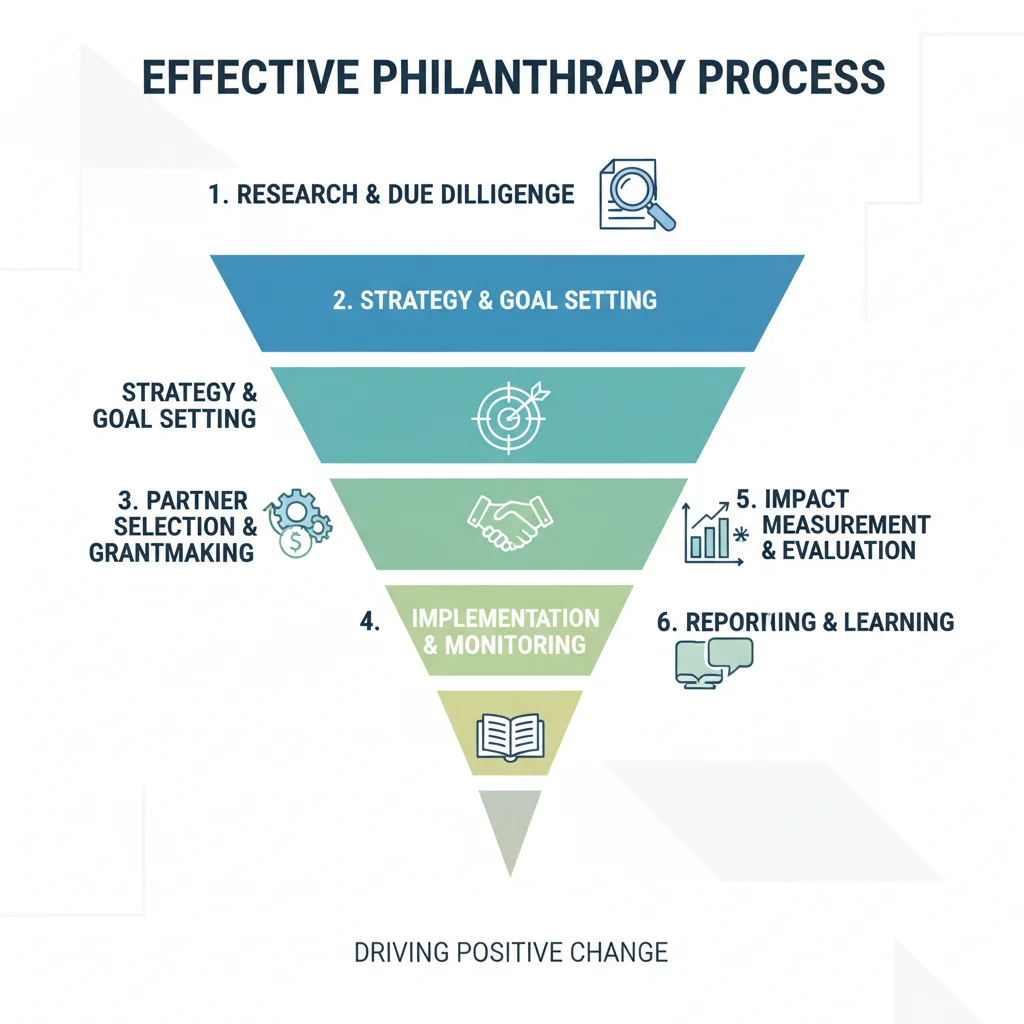
One of the biggest challenges in effective charitable giving is identifying which organizations are truly making a difference. With millions of non-profits globally, navigating the landscape can be daunting. A robust due diligence process is essential:
1. Research and Vetting Platforms
Leverage independent charity evaluators such as Charity Navigator, GuideStar (now Candid), GiveWell, and the Better Business Bureau Wise Giving Alliance. These platforms provide financial data, program efficiency metrics, transparency ratings, and often in-depth analyses of an organization’s impact. GiveWell, in particular, focuses heavily on evidence-based interventions and cost-effectiveness, recommending a small number of charities with proven track records.
2. Understanding Program Models and Theories of Change
A high-impact organization will have a clear ‘theory of change’ – a logical explanation of how their activities lead to their desired outcomes. Ask: What problem are they trying to solve? How do their programs address this problem? What evidence do they have that their approach works? Are they addressing symptoms or root causes? Organizations focused on systemic change often have a greater long-term impact.
3. Financial Health and Efficiency
While low overhead isn’t the only indicator of effectiveness, understanding how an organization manages its finances is crucial. Look at their financial statements (Form 990 in the US), assess their spending on programs versus administrative costs and fundraising, and ensure they have adequate reserves. A healthy balance indicates stability and responsible stewardship of donor funds. However, be wary of overly simplistic metrics; some essential administrative costs are necessary for effective program delivery.
4. Leadership and Governance
Strong leadership and a well-governed board are vital. Investigate the qualifications and experience of the leadership team and board members. A diverse and engaged board provides essential oversight and strategic direction. Transparency in governance practices is a positive sign.
5. Impact Measurement and Reporting
The most critical aspect of effective charitable giving is an organization’s ability to measure and report its impact. Do they collect data on their beneficiaries and outcomes? Do they use this data to refine their programs? Are their impact reports clear, credible, and accessible? Look for organizations that are transparent about both their successes and their challenges, demonstrating a commitment to continuous learning and improvement.
Strategies for Maximizing Your Impact in 2026
Beyond selecting the right organizations, several strategies can further enhance your effective charitable giving:
1. Focus Your Giving
Instead of spreading small donations across many causes, consider concentrating your giving on a few high-impact organizations or specific issue areas. This allows you to develop deeper knowledge, engage more meaningfully, and potentially have a greater influence as a significant donor. Focused giving can also reduce your own research burden while increasing the potential for a substantial impact.
2. Provide Unrestricted Funding
While it’s natural to want to designate your funds for a specific program, unrestricted operating support is often the most valuable type of donation for non-profits. It allows them the flexibility to allocate resources where they are most needed, respond to emerging challenges, invest in infrastructure, and retain talented staff – all crucial elements for long-term effectiveness. Trusting an organization with unrestricted funds is a hallmark of truly effective charitable giving.
3. Consider Multi-Year Pledges
One-off donations are helpful, but multi-year commitments provide organizations with greater financial stability and predictability. This allows them to plan for the long term, undertake more ambitious projects, and build capacity without constantly worrying about their next funding cycle. Such commitments demonstrate a deep partnership and belief in the organization’s mission.
4. Engage Beyond Financial Contributions
Your time, skills, and networks can be as valuable as your money. Volunteer, join a board, offer pro bono consulting, or connect organizations with potential partners. This hands-on involvement can provide invaluable support and deepen your understanding of the challenges and opportunities within the sector, further informing your effective charitable giving decisions.
5. Advocate for Your Causes
Use your voice and influence to raise awareness about the issues you care about and the organizations you support. Share their stories, educate your network, and encourage others to engage in effective charitable giving. Policy advocacy can also lead to systemic changes that amplify the impact of individual programs.
6. Explore Innovative Giving Vehicles
Beyond direct donations, consider donor-advised funds (DAFs), which offer flexibility and tax advantages while allowing you to recommend grants over time. Impact investing, where you seek both financial returns and social or environmental impact, is another growing area for those looking to align their investments with their values. These vehicles provide new avenues for effective charitable giving.
Measuring What Matters: Impact Assessment and Reporting
How do you know if your effective charitable giving is truly effective? The answer lies in robust impact assessment. This is not just about counting outputs (e.g., number of meals served, people trained) but about measuring outcomes (e.g., improved health, sustained employment, increased literacy).
Key Elements of Impact Assessment:
- Clear Objectives: Organizations should have specific, measurable, achievable, relevant, and time-bound (SMART) goals.
- Data Collection: Systematic collection of relevant data on beneficiaries, program activities, and results. This can include surveys, interviews, administrative data, and observational studies.
- Evaluation Methodologies: Employing appropriate evaluation methods, from basic monitoring to more rigorous randomized controlled trials (RCTs) for specific interventions.
- Learning and Adaptation: Using evaluation findings to learn what works, what doesn’t, and why, then adapting programs accordingly.
- Transparent Reporting: Communicating results clearly and honestly to donors, beneficiaries, and the public.
As a donor, ask organizations about their impact measurement practices. Look for those that are transparent about their challenges and committed to continuous improvement. Support organizations that invest in their own evaluation capacity, as this is a sign of their dedication to effective charitable giving.

The Role of Technology and Data in 2026 Philanthropy
The year 2026 will undoubtedly see technology playing an even more significant role in facilitating effective charitable giving. Big data, artificial intelligence (AI), and blockchain are already beginning to transform how donors interact with causes and how non-profits operate.
- AI for Due Diligence: AI tools can rapidly analyze vast amounts of data from charity reports, news articles, and social media to help donors identify high-performing organizations and potential risks, streamlining the due diligence process.
- Blockchain for Transparency: Blockchain technology offers the potential for unprecedented transparency in tracking donations from donor to beneficiary, ensuring funds are used as intended and reducing fraud. This could build immense trust in the philanthropic sector.
- Data Analytics for Impact: Advanced data analytics will enable non-profits to better understand the effectiveness of their programs, identify trends, and predict future needs. Donors can then use this enhanced data to make more informed decisions about where to direct their effective charitable giving.
- Personalized Giving Experiences: Technology can create more personalized giving experiences, connecting donors with causes that align deeply with their values and providing real-time updates on the impact of their contributions.
- Crowdfunding and Peer-to-Peer Giving: Platforms will continue to evolve, making it easier for individuals to support causes directly and for communities to organize collective giving efforts.
Embracing these technological advancements will be crucial for both donors and non-profits seeking to maximize the impact of effective charitable giving in the coming years.
Overcoming Challenges in Effective Giving
While the principles of effective charitable giving are clear, implementing them can present challenges:
- Information Overload: The sheer volume of information (and misinformation) about charities can be overwhelming. Relying on reputable evaluators and developing a focused giving strategy can help.
- Emotional vs. Rational Giving: It’s natural to be moved by compelling stories, but balancing emotional appeals with data-driven evaluation is key.
- Attribution Difficulties: Measuring the precise impact of a single donation, especially in complex social issues, can be difficult. Focus on contributing to a larger, well-designed intervention.
- Short-Term vs. Long-Term Impact: Balancing immediate needs with investments in long-term systemic change requires careful consideration. Often, the most effective strategies address both.
- Finding the ‘Perfect’ Charity: Perfection is elusive. The goal is to find organizations that are genuinely committed to effectiveness, transparency, and continuous improvement, even if they aren’t flawless.
Addressing these challenges requires patience, a commitment to learning, and a willingness to adapt your giving strategy over time. The journey towards truly effective charitable giving is an ongoing one.
The Future of Effective Charitable Giving: A Call to Action
As we move into 2026 and beyond, the imperative for effective charitable giving will only grow. Global challenges such as climate change, inequality, and public health crises demand thoughtful, strategic, and impactful philanthropic responses. Donors have an unprecedented opportunity to contribute to meaningful social change, but this requires moving beyond traditional models and embracing a more analytical, evidence-based approach.
By engaging in rigorous due diligence, focusing on impact measurement, providing flexible and sustained funding, and leveraging technological advancements, you can transform your giving from merely goodwill into a powerful force for good. Your contributions, when strategically deployed, have the potential to create ripple effects that extend far beyond the initial donation, fostering sustainable solutions and building a better future for all.
Start your journey towards more effective charitable giving today. Research, question, engage, and most importantly, commit to understanding and maximizing the true impact of your generosity. The world needs your thoughtful contributions more than ever.