Disaster Preparedness 2026: Community Resilience Strategies for 20% Improvement
In an increasingly unpredictable world, the imperative for robust community disaster resilience has never been more critical. As we look towards 2026, the goal is clear: to significantly enhance our nation’s capacity to withstand, adapt to, and recover from various hazards. This article delves into essential community-level strategies designed to improve disaster preparedness and resilience by a remarkable 20% across the nation. It’s not merely about reacting to crises but proactively building stronger, more adaptable communities.
The landscape of potential disasters is continually evolving. From the escalating impacts of climate change, manifesting in more frequent and intense weather events, to technological failures, pandemics, and even socioeconomic disruptions, communities face a multifaceted threat environment. Traditional approaches to disaster management, often characterized by a top-down, reactive posture, are proving insufficient. The paradigm must shift towards fostering genuine community disaster resilience – a holistic, inclusive, and adaptive framework that empowers local populations to be at the forefront of their own safety and recovery.
Achieving a 20% improvement in national resilience by 2026 is an ambitious yet attainable target. It requires a concerted effort from all stakeholders: local governments, emergency services, non-profit organizations, businesses, and, most importantly, individual citizens. This article will outline practical, actionable strategies focusing on several key pillars: enhanced risk assessment, comprehensive planning, robust communication systems, equitable resource distribution, community engagement, and continuous training and education. By embracing these strategies, communities can move beyond mere survival to thriving in the face of adversity, creating a safer and more secure future for everyone.
Understanding the Foundation of Community Disaster Resilience
Before diving into specific strategies, it’s crucial to define what community disaster resilience truly entails. It’s more than just having an emergency kit or a shelter plan. Resilience encompasses the ability of a community to anticipate, prepare for, respond to, and recover from hazardous events while maintaining its essential functions and identity. This involves a complex interplay of social, economic, institutional, and infrastructure elements. A truly resilient community is one that can absorb the shock of a disaster, reorganize, and adapt to new realities, often emerging stronger than before.
The concept of resilience is dynamic, not static. It requires ongoing assessment, adaptation, and investment. For 2026, our focus is on building adaptive capacity – the ability of systems, institutions, and individuals to adjust to potential damage, to take advantage of opportunities, or to cope with the consequences of a hazard. This means moving away from a purely hazard-specific approach to one that builds general capacities that are useful across a range of potential threats. For instance, strong social networks, effective communication channels, and adaptable infrastructure are beneficial regardless of whether the disaster is a flood, an earthquake, or a pandemic.
Key components of strong community disaster resilience include:
- Awareness and Education: A well-informed populace is the first line of defense.
- Robust Infrastructure: Buildings, roads, and utilities designed to withstand anticipated threats.
- Economic Stability: Diverse local economies that can recover quickly.
- Social Cohesion: Strong community ties and support networks.
- Effective Governance: Clear leadership, coordinated response, and sound policies.
- Environmental Stewardship: Healthy ecosystems can provide natural protection.
By strengthening these foundational elements, communities lay the groundwork for achieving the ambitious 20% improvement target in disaster preparedness and resilience by 2026.
Strategy 1: Enhanced Risk Assessment and Vulnerability Mapping
A cornerstone of effective community disaster resilience is a thorough understanding of potential threats and vulnerabilities. Many communities still rely on outdated risk assessments or focus too narrowly on historical hazards. For 2026, communities must adopt forward-looking, comprehensive risk assessment methodologies that incorporate climate change projections, evolving technological risks, and socio-economic vulnerabilities.
This involves:
- Dynamic Hazard Identification: Moving beyond historical data to model future scenarios, including the increased frequency and intensity of extreme weather events, cybersecurity threats, and public health emergencies.
- Vulnerability Mapping: Identifying populations and assets most at risk. This includes mapping areas with high concentrations of elderly residents, low-income households, individuals with disabilities, and critical infrastructure. Geographic Information Systems (GIS) play a crucial role here, allowing for detailed spatial analysis of risk.
- Cascading Effects Analysis: Understanding how the failure of one system (e.g., power grid) can trigger failures in others (e.g., communication, water supply). This holistic view is vital for comprehensive planning.
- Community-Led Assessments: Engaging local residents in the risk assessment process. Their lived experiences and local knowledge can provide invaluable insights that top-down analyses might miss. This participatory approach fosters a sense of ownership and strengthens community disaster resilience from the ground up.
By regularly updating and refining these assessments, communities can allocate resources more effectively, prioritize interventions, and develop targeted strategies that address their specific risk profiles. This proactive approach is fundamental to achieving a measurable improvement in resilience.
Strategy 2: Comprehensive and Inclusive Planning
Once risks are understood, the next step is to develop comprehensive, actionable, and inclusive disaster plans. These plans must extend beyond emergency response to encompass mitigation, preparedness, and long-term recovery. A key aspect for 2026 is ensuring that these plans are not just documents but living frameworks that are regularly reviewed, updated, and tested.
Elements of comprehensive planning for enhanced community disaster resilience include:
- Multi-Hazard Planning: Developing plans that can address a range of hazards, rather than creating separate plans for each type of disaster. This promotes efficiency and adaptability.
- Integration with Land Use and Development: Incorporating disaster risk reduction principles into zoning ordinances, building codes, and urban planning. For example, restricting development in floodplains or requiring resilient building materials in earthquake-prone areas.
- Equitable Planning: Actively involving and addressing the specific needs of vulnerable populations in all stages of planning. This includes providing accessible information, culturally appropriate resources, and ensuring representation in decision-making processes. Plans must consider language barriers, mobility challenges, and economic disparities.
- Business Continuity Planning: Encouraging and supporting local businesses to develop their own continuity plans. A resilient local economy is vital for rapid recovery and sustained community disaster resilience.
- Regional Coordination: Recognizing that disasters often transcend jurisdictional boundaries. Plans must include robust mechanisms for inter-agency and inter-community coordination, resource sharing, and mutual aid agreements.
Effective planning is not a one-time event but an ongoing process that adapts to new information, challenges, and community needs, continuously reinforcing community disaster resilience.
Strategy 3: Robust Communication Systems and Public Information
In any disaster, timely, accurate, and accessible communication is paramount. For 2026, communities must invest in and enhance multi-channel communication systems to ensure that critical information reaches all residents, especially during emergencies. This goes beyond traditional alerts to foster a culture of informed readiness.
Key initiatives include:
- Diverse Alert Systems: Implementing redundant communication channels, including reverse 911, emergency broadcast systems (EBS), social media, community sirens, and even door-to-door notifications for areas with limited connectivity.
- Accessible Information: Ensuring all public information is available in multiple languages and formats (e.g., large print, audio, simplified language) to cater to diverse community needs and enhance community disaster resilience for everyone.
- Two-Way Communication: Establishing mechanisms for residents to report information and ask questions during an emergency, fostering a sense of participation and trust. This can include dedicated hotlines, social media monitoring, and community feedback platforms.
- Combating Misinformation: Developing strategies to quickly address and correct false information during a crisis, which can undermine public trust and hinder response efforts.
- Pre-Disaster Public Education Campaigns: Regularly conducting campaigns to educate residents on potential hazards, what to do before, during, and after a disaster, and how to access emergency services. This proactive education builds a more informed and prepared populace, central to community disaster resilience.
A well-informed community is an empowered community, capable of making better decisions under pressure and contributing significantly to overall resilience.
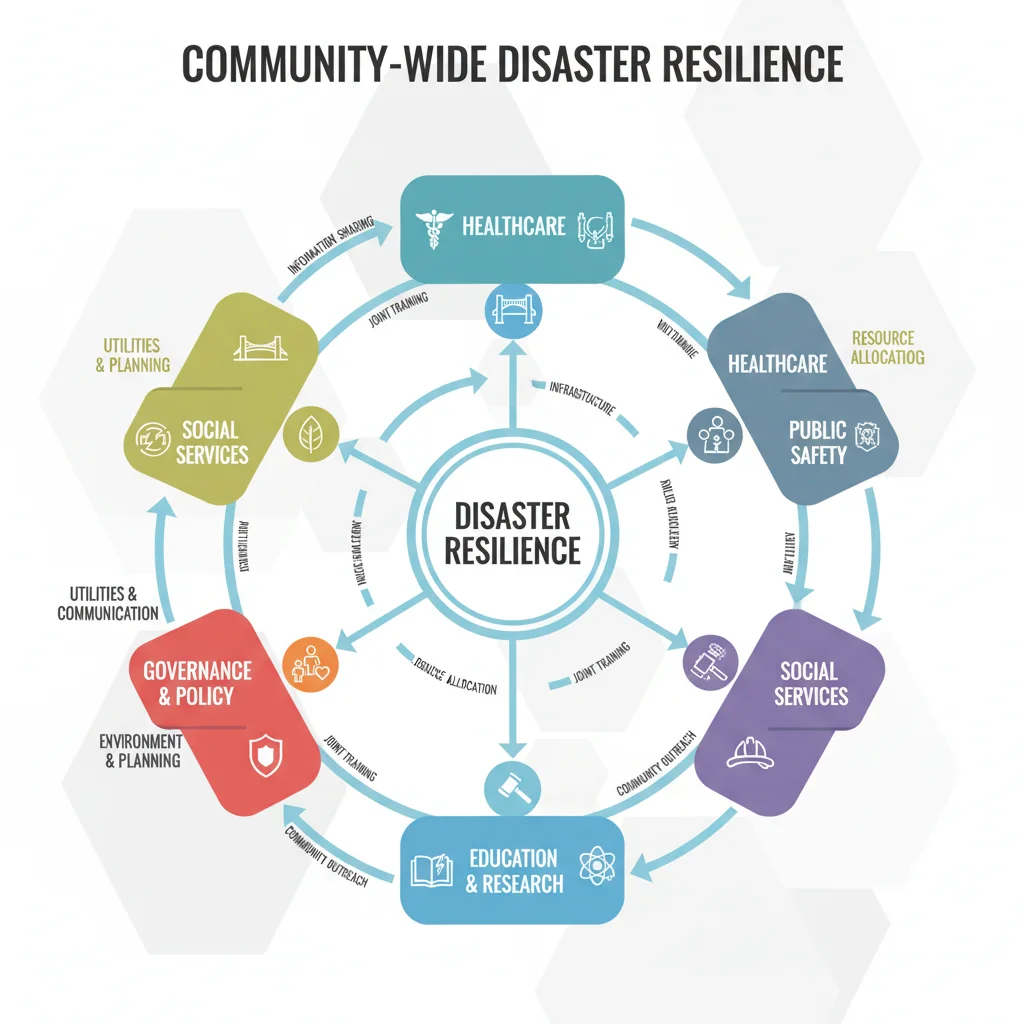
Strategy 4: Equitable Resource Distribution and Access
Disasters disproportionately affect vulnerable populations. A crucial aspect of improving community disaster resilience by 20% by 2026 is ensuring equitable access to resources before, during, and after a disaster. This means actively addressing existing disparities and building systems that prioritize those most in need.
This strategy involves:
- Pre-positioning Resources: Stockpiling essential supplies (food, water, medical supplies, shelter materials) in accessible locations within vulnerable neighborhoods.
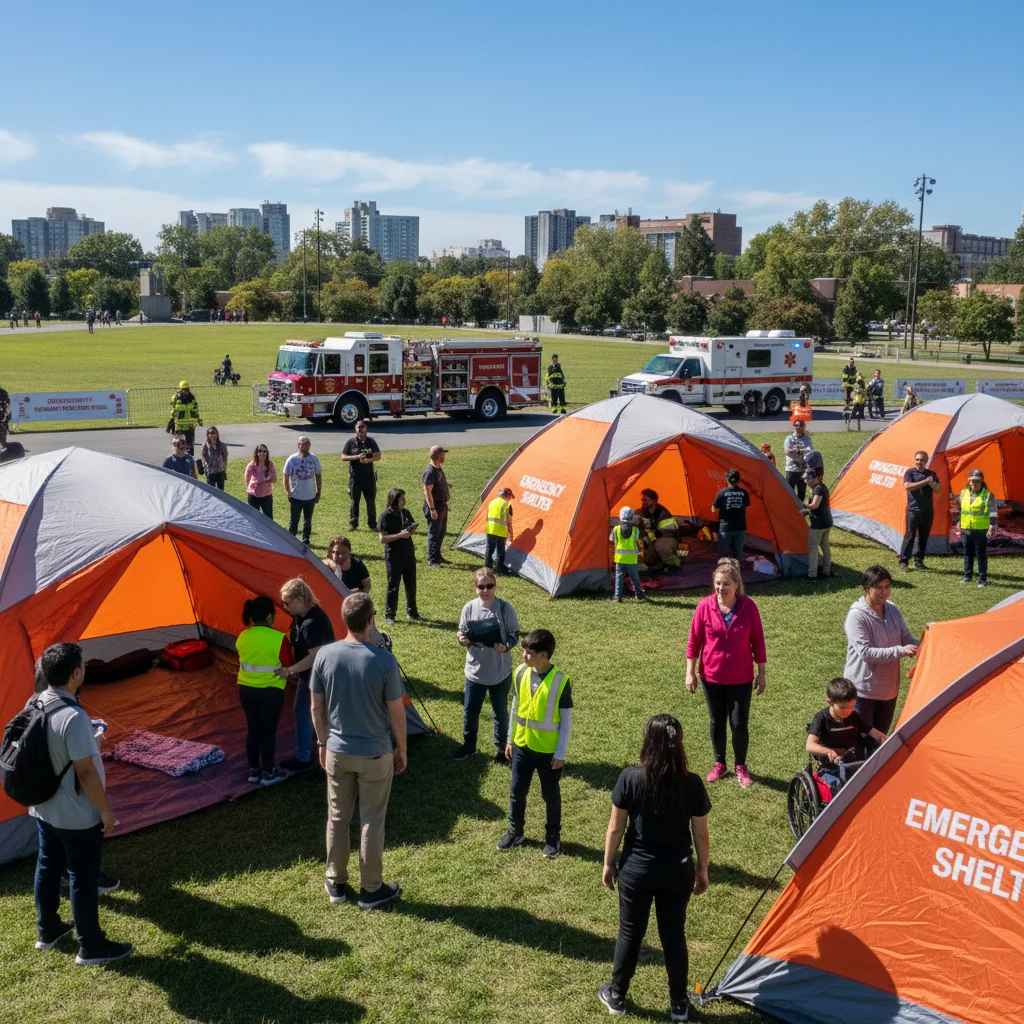
- Accessible Shelters and Services: Ensuring that emergency shelters are physically accessible to individuals with disabilities, provide culturally appropriate services, and accommodate diverse family structures and pets.
- Targeted Outreach Programs: Developing specific programs to reach and support marginalized groups, including homeless individuals, undocumented immigrants, and those with chronic health conditions.
- Volunteer Mobilization and Training: Creating robust volunteer networks (e.g., Community Emergency Response Teams – CERT) that can assist with distribution, support, and communication, especially in areas where official resources may be slow to arrive.
- Financial Preparedness Initiatives: Promoting financial literacy and encouraging savings, insurance, and emergency funds for individuals and small businesses to aid in rapid recovery.
- Partnerships with Community-Based Organizations (CBOs): Leveraging the deep trust and local knowledge of CBOs to reach and serve vulnerable populations effectively. These partnerships are invaluable for building strong community disaster resilience.
Equity is not just a moral imperative; it is a strategic one. A chain is only as strong as its weakest link, and ensuring everyone has access to necessary resources strengthens the entire community’s ability to recover.
Strategy 5: Fostering Community Engagement and Participation
Ultimately, community disaster resilience is built by the community itself. Top-down mandates can only go so far. For a 20% improvement by 2026, communities must foster genuine engagement and empower residents to play active roles in preparedness and recovery efforts.
Key approaches include:
- Citizen Preparedness Programs: Expanding and promoting programs like CERT, first aid training, and disaster simulation exercises that equip individuals with practical skills.
- Youth Engagement: Involving schools and youth organizations in preparedness activities, teaching children about safety, and engaging them in community projects.
- Neighborhood-Level Organizing: Encouraging the formation of neighborhood watch groups or disaster preparedness committees that can develop localized plans and support networks.
- Public-Private Partnerships: Building strong alliances between local government, businesses, and non-profits to pool resources, share expertise, and coordinate efforts.
- Post-Disaster Community Forums: Holding open forums after events to gather feedback, learn lessons, and involve residents in the recovery planning process, reinforcing the iterative nature of community disaster resilience.
- Celebrating Successes: Recognizing and celebrating community efforts and achievements in preparedness to foster a positive and proactive culture.
When residents feel a sense of ownership and agency, they are far more likely to invest their time and effort into building a resilient community.
Strategy 6: Continuous Training, Education, and Drills
Knowledge and skills atrophy without practice. To achieve and sustain a 20% improvement in community disaster resilience, continuous training, education, and realistic drills are essential for both emergency personnel and the general public.
This includes:
- Inter-Agency Training: Regular joint exercises involving police, fire, EMS, public works, and other critical agencies to practice coordinated response efforts. These drills should simulate complex, multi-hazard scenarios.
- Leadership and Decision-Making Training: Equipping local leaders with the skills to make effective decisions under pressure and manage complex operations during a crisis.
- Public Awareness Campaigns: Ongoing campaigns that reinforce preparedness messages, provide updated information, and encourage personal and household readiness.
- School and Workplace Drills: Regular drills in educational institutions and workplaces to ensure everyone knows evacuation routes, shelter-in-place procedures, and communication protocols.
- Post-Exercise Evaluation and Learning: Critically evaluating all drills and real-world responses to identify weaknesses, implement corrective actions, and continuously improve plans and procedures. This feedback loop is vital for strengthening community disaster resilience.
- Technology Training: Training on new technologies and tools that can enhance communication, situational awareness, and resource management during emergencies.
A well-trained community is a confident community, better equipped to mitigate risks and respond effectively when disaster strikes.

Measuring Progress: The 20% Improvement Target
Achieving a 20% improvement in community disaster resilience by 2026 requires clear metrics and consistent measurement. How can communities track their progress?
Potential metrics include:
- Reduction in Damage and Losses: Quantifying the decrease in economic losses, infrastructure damage, and fatalities/injuries from similar types of disasters over time.
- Faster Recovery Times: Measuring the speed at which critical services (e.g., power, water, transportation) are restored and businesses reopen after an event.
- Increased Public Preparedness: Surveys tracking the percentage of households with emergency kits, communication plans, and knowledge of local hazards.
- Enhanced Institutional Capacity: Assessing the number of trained emergency personnel, the robustness of communication systems, and the integration of disaster plans into local governance.
- Social Capital Indicators: Measuring increases in volunteer participation, community network density, and trust levels within the community.
- Adoption of Resilient Building Codes: Tracking the implementation and enforcement of updated building codes and land-use regulations.
Regular reporting and transparency are crucial. Communities should establish baseline measurements in early 2026 and set clear milestones for improvement. This data-driven approach will not only demonstrate progress but also highlight areas needing further attention, ensuring that efforts to build community disaster resilience are continuously optimized.
The Role of Technology in Enhancing Resilience
Technology offers unprecedented opportunities to bolster community disaster resilience. From predictive analytics to advanced communication tools, leveraging innovation can significantly contribute to the 20% improvement goal.
Key technological integrations include:
- Early Warning Systems: Utilizing AI and IoT sensors for more accurate and timely predictions of weather events, seismic activity, and other hazards.
- GIS and Mapping Tools: Advanced GIS for real-time situational awareness, damage assessment, and resource allocation during and after a disaster.
- Social Media Monitoring: Tools to track public sentiment, identify emerging needs, and combat misinformation during a crisis.
- Digital Public Safety Platforms: Integrated platforms that allow seamless communication and data sharing between emergency services, local government, and even citizens.
- Resilient Infrastructure Technologies: Investing in smart grids, decentralized energy systems, and modular building components that can withstand shocks and recover quickly.
- Telehealth and Remote Learning: Technologies that ensure continuity of essential services like healthcare and education even when physical access is compromised.
While technology is a powerful enabler, it must be implemented thoughtfully, ensuring equitable access and training, so that it genuinely enhances, rather than creates new barriers to, community disaster resilience.
Overcoming Challenges and Ensuring Sustainability
Achieving a 20% improvement in community disaster resilience is not without its challenges. Limited funding, political will, public apathy, and competing priorities can hinder progress. However, these obstacles can be overcome through strategic approaches.
Strategies for overcoming challenges:
- Advocacy and Education: Continuously educating policymakers and the public on the long-term economic and social benefits of investing in preparedness. Highlighting the cost-effectiveness of mitigation over recovery.
- Securing Diverse Funding Streams: Exploring federal grants, private sector partnerships, philanthropic contributions, and innovative financing mechanisms (e.g., green bonds for resilient infrastructure).
- Building Coalitions: Creating broad-based coalitions of stakeholders who share a common vision for resilience and can collectively advocate for policies and resources.
- Championing Local Success Stories: Showcasing communities that have successfully implemented resilience strategies to inspire others and demonstrate tangible benefits.
- Integrating Resilience into Everyday Governance: Making resilience a core consideration in all aspects of local government, from budgeting to urban planning, rather than an isolated initiative. This institutionalization is key to sustainable community disaster resilience.
Sustainability also means ensuring that resilience efforts are adaptable to new threats and changing conditions. This requires a commitment to continuous learning, innovation, and community involvement.
Conclusion: A Resilient Future for All
The journey towards achieving a 20% improvement in national community disaster resilience by 2026 is a collective endeavor. It demands foresight, collaboration, equitable action, and unwavering commitment from every level of society. By embracing enhanced risk assessment, comprehensive planning, robust communication, equitable resource distribution, genuine community engagement, and continuous learning, communities can transform their vulnerabilities into strengths.
The benefits extend far beyond simply surviving a disaster. A resilient community is one where residents feel safer, businesses thrive, and social cohesion is strengthened. It is a community better equipped to face not only the immediate impacts of hazards but also the long-term challenges of a changing world. Let us seize this opportunity to build a future where every community is prepared, responsive, and ultimately, resilient. The time for proactive investment in community disaster resilience is now.