Building Resilient Communities 2026: Grassroots Initiatives & Funding
Building Resilient Communities 2026: A Guide to Grassroots Initiatives and Funding Opportunities
In an increasingly unpredictable world, the concept of resilient communities funding has never been more critical. As we navigate through 2026, the need for robust, self-sustaining communities capable of weathering economic, environmental, and social shocks is paramount. This comprehensive guide explores the essence of building resilient communities, focusing on the power of grassroots initiatives and the vital funding opportunities available to fuel these transformative efforts.
The journey towards resilience is not a top-down mandate; it’s a collective endeavor, deeply rooted in local action and community empowerment. Grassroots initiatives, born from the direct needs and aspirations of residents, are the bedrock of true community resilience. They foster ownership, encourage innovation, and ensure that solutions are tailored to the unique contexts they serve. But even the most passionate grassroots efforts require resources. Understanding where to find and how to secure resilient communities funding is the key to turning vision into reality.
The Imperative of Community Resilience in 2026
The landscape of 2026 presents a unique set of challenges and opportunities for communities worldwide. From the escalating impacts of climate change and the persistent threat of public health crises to economic volatility and social inequalities, the pressures on communities are multifaceted. Resilience, in this context, is not merely about bouncing back from adversity; it’s about adapting, evolving, and thriving in the face of ongoing change. It encompasses social cohesion, economic stability, environmental sustainability, and effective governance.
Building resilient communities means investing in infrastructure that can withstand extreme weather, developing local food systems that ensure food security, establishing robust emergency response networks, fostering inclusive economies, and nurturing social bonds that strengthen collective action. These are not isolated goals but interconnected pillars that collectively support a community’s ability to endure and flourish. The urgency for proactive measures is underscored by recent global events, making the pursuit of resilient communities funding a priority for many local governments, non-profits, and community groups.
Without adequate funding, even the most innovative grassroots ideas can falter. Therefore, understanding the various avenues for securing financial support is as important as identifying the needs themselves. This guide aims to bridge that gap, offering practical insights into navigating the complex world of grants, partnerships, and alternative financing models for community resilience projects.
Defining Grassroots Initiatives: The Engine of Local Change
Grassroots initiatives are characterized by their organic emergence from the community itself. They are typically driven by volunteers, local leaders, and residents who are deeply invested in addressing specific local issues. Unlike large-scale, top-down projects, grassroots efforts are often agile, adaptable, and highly responsive to immediate community needs. They foster a sense of collective ownership and empower individuals to become agents of change within their own neighborhoods.
Examples of successful grassroots initiatives include:
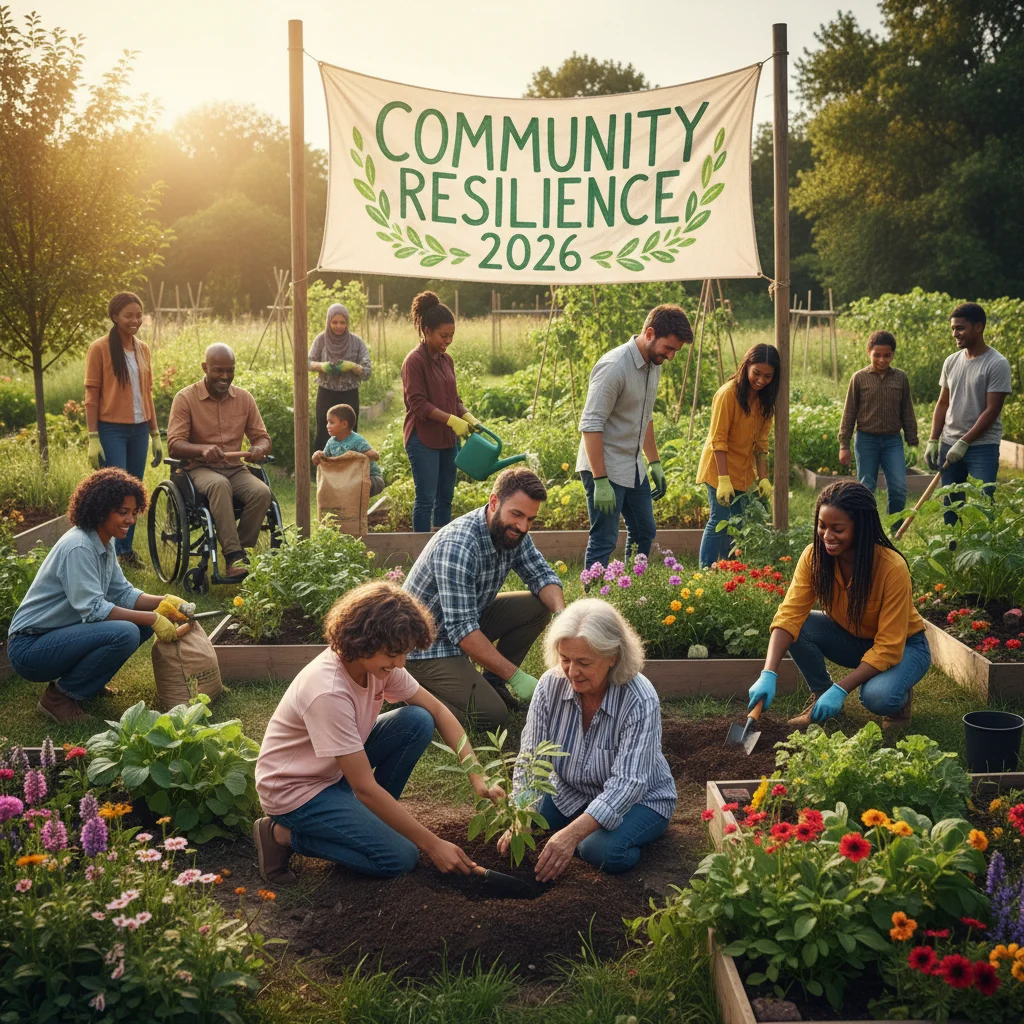
- Community Gardens: Promoting food security, healthy eating, and social interaction.
- Neighborhood Watch Programs: Enhancing safety and fostering community vigilance.
- Local Skill-Share Networks: Building human capital and promoting economic self-sufficiency.
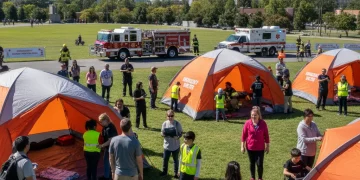
- Disaster Preparedness Groups: Training residents for emergency response and mutual aid.
- Local Clean-Up Drives: Improving environmental quality and civic pride.
- Community-Owned Renewable Energy Projects: Increasing energy independence and reducing carbon footprints.
- Digital Inclusion Programs: Bridging the digital divide and enhancing access to information and services.
The strength of these initiatives lies in their ability to mobilize local resources, engage diverse stakeholders, and create sustainable solutions that resonate with the community’s values and priorities. However, even with immense volunteer power and local expertise, financial resources are often a limiting factor. This is where strategic pursuit of resilient communities funding becomes indispensable.
The Landscape of Resilient Communities Funding in 2026
Securing funding for resilient communities requires a strategic approach. In 2026, the funding landscape is diverse, offering opportunities from governmental bodies, private foundations, corporate social responsibility programs, and innovative community-based financing models. Understanding the nuances of each source is crucial for successful grant applications and partnership development.
Government Grants and Programs
Governments at federal, state, and local levels are increasingly recognizing the importance of community resilience. Numerous grant programs are specifically designed to support projects that enhance disaster preparedness, climate adaptation, economic recovery, and social equity. Key areas to explore include:
- Federal Emergency Management Agency (FEMA) Grants: Programs like the Building Resilient Infrastructure and Communities (BRIC) grant offer substantial funding for hazard mitigation activities.
- Department of Housing and Urban Development (HUD) Grants: Community Development Block Grants (CDBG) and other programs can support infrastructure improvements, housing initiatives, and economic development in low-income communities.
- Environmental Protection Agency (EPA) Grants: Funding is often available for projects related to environmental justice, sustainable infrastructure, and climate resilience.
- State and Local Government Initiatives: Many states and municipalities have their own grant programs or dedicated resilience offices that provide financial and technical assistance.
Navigating government grants can be complex, often requiring detailed proposals, compliance with specific regulations, and a clear understanding of eligibility criteria. Early engagement with grant officers and participation in informational webinars can significantly improve the chances of success for resilient communities funding applications.
Private Foundations and Philanthropic Organizations
Private foundations play a significant role in funding community resilience efforts. Many foundations have specific focus areas, such as environmental protection, social justice, economic empowerment, or disaster relief, which align perfectly with resilience goals. Researching foundations whose missions resonate with your project is key.
- Identifying Suitable Foundations: Utilize online databases (e.g., Foundation Directory Online, GrantStation) to identify foundations that fund projects in your geographic area or thematic focus.
- Building Relationships: Attend webinars, networking events, and conferences to connect with program officers and learn about their priorities.
- Crafting Tailored Proposals: Each foundation has unique application requirements. Customize your proposal to highlight how your project aligns with their specific funding objectives.
Private foundations often value innovative approaches, collaborative partnerships, and projects with clear, measurable impacts. Demonstrating community engagement and long-term sustainability will strengthen your case for resilient communities funding.

Corporate Social Responsibility (CSR) Programs
Many corporations have dedicated CSR programs that allocate funds to community development and resilience initiatives. These programs often focus on areas related to their core business, such as environmental sustainability, education, or technology. Engaging with local businesses and exploring their CSR initiatives can open up new funding avenues.
- Local Business Partnerships: Approach local companies that have a vested interest in the well-being of the community.
- Sponsorships and Donations: Seek direct financial contributions or in-kind support for specific projects or events.
- Employee Volunteer Programs: Engage corporate employees as volunteers, which can sometimes lead to corporate grants.
Successful engagement with corporate partners often involves demonstrating the mutual benefits of the partnership, including positive public relations for the company and tangible community impact. This can be a valuable source of resilient communities funding, especially for projects with visible local benefits.
Innovative Funding Models for Grassroots Resilience
Beyond traditional grants, several innovative funding models are gaining traction for supporting grassroots resilience efforts. These models often leverage community assets, technology, and collective action to generate resources.
Crowdfunding and Community Philanthropy
Platforms like Kickstarter, GoFundMe, and local community foundations enable grassroots groups to solicit small donations from a large number of individuals. This not only raises funds but also builds community support and awareness for the project.
- Compelling Storytelling: Create engaging narratives and visuals that clearly articulate the project’s goals and impact.
- Community Engagement: Mobilize local networks and encourage widespread participation.
- Transparency: Be open about how funds will be used and report back to donors on progress.
Community philanthropy, through local giving circles or community foundations, empowers residents to pool resources and make collective decisions about local investments, directly supporting resilient communities funding at a hyper-local level.
Impact Investing and Social Bonds
Impact investing involves investments made with the intention to generate positive, measurable social and environmental impact alongside a financial return. While often geared towards larger projects, smaller-scale impact investments can be structured for community-owned enterprises or sustainable infrastructure projects.
Social impact bonds (SIBs) are outcome-based contracts where private investors provide upfront capital for social programs, and governments or other payers repay investors if predefined social outcomes are achieved. While complex, SIBs can be a powerful tool for scaling proven resilience interventions.
Local Currency and Time Banks
While not direct financial funding, local currencies and time banks foster economic resilience by encouraging local spending and exchange of services. Local currencies keep money circulating within the community, supporting local businesses and reducing reliance on external economic systems. Time banks allow individuals to exchange skills and services without monetary transactions, building social capital and mutual aid networks. These models, though indirect, contribute significantly to the overall goal of resilient communities funding by strengthening local economies and social safety nets.
Crafting a Winning Funding Proposal for Resilience Projects
Regardless of the funding source, a well-crafted proposal is essential. Here are key elements to consider:
- Executive Summary: A concise overview of your project, its goals, and requested funding. This should be compelling and capture the essence of your initiative.
- Problem Statement/Needs Assessment: Clearly articulate the community’s challenge your project addresses, supported by data and community input.
- Project Goals and Objectives: Define specific, measurable, achievable, relevant, and time-bound (SMART) goals and objectives.
- Project Activities and Methodology: Detail the steps you will take to achieve your objectives.
- Expected Outcomes and Impact: Describe the tangible changes and benefits your project will bring to the community, emphasizing how it builds resilience.
- Evaluation Plan: Explain how you will measure success and track progress against your objectives.
- Organizational Capacity: Highlight your team’s experience, expertise, and track record in community work.
- Budget and Justification: Provide a detailed, realistic budget that clearly justifies each expense. Explain how the requested resilient communities funding will be utilized efficiently.
- Sustainability Plan: Outline how the project will continue to operate and deliver benefits after the initial funding period ends.
- Letters of Support: Include endorsements from community leaders, partner organizations, and beneficiaries.
Emphasize collaboration, community engagement, and the long-term benefits your project offers. Funders are increasingly looking for projects that demonstrate a clear path to sustainability and scalability, ensuring that their investment in resilient communities funding has a lasting impact.
Success Stories: Grassroots Resilience in Action
Learning from successful models can inspire and guide future initiatives. Here are a few hypothetical examples illustrating the impact of well-funded grassroots resilience projects:
The ‘Green Oasis’ Project, Springfield
Facing frequent urban heat island effects and limited access to fresh produce, the residents of Springfield’s lower-income district launched the ‘Green Oasis’ project. This grassroots initiative transformed several derelict lots into vibrant community gardens and small urban farms. Initial seed funding came from a local philanthropic foundation focused on environmental justice, supplemented by a state grant for urban agriculture. Volunteers provided labor and expertise, and a partnership with a local culinary school created a market for surplus produce, generating revenue for project maintenance. The project not only addressed food security and environmental cooling but also fostered a strong sense of community ownership and economic empowerment, showcasing effective resilient communities funding in action.
The ‘Digital Connectors’ Network, Riverside
In the wake of a major regional power outage that exposed significant digital divides, Riverside residents formed the ‘Digital Connectors’ network. This initiative focused on establishing community-owned Wi-Fi hotspots, providing digital literacy training, and distributing refurbished devices to vulnerable populations. Funding was secured through a federal grant aimed at broadband expansion in underserved areas, combined with corporate sponsorships from tech companies and a successful local crowdfunding campaign. The network now serves as a critical communication backbone during emergencies and a daily resource for education and economic opportunity, demonstrating how targeted resilient communities funding can bridge critical gaps.
The ‘Mutual Aid Hub’ of Coastline Town
Coastline Town, prone to coastal flooding, developed a ‘Mutual Aid Hub’ after a series of devastating storms. This grassroots effort established a community-managed resource center for emergency supplies, a volunteer coordination system, and a skill-sharing network for post-disaster recovery. Initial funding came from a FEMA mitigation grant, allowing for the purchase of a modular building and essential equipment. Ongoing operational costs are covered by local government support, small grants from disaster relief organizations, and community fundraising events. The Hub has significantly reduced recovery times and strengthened social cohesion, proving the value of sustained resilient communities funding for disaster preparedness.
Challenges and Considerations for 2026 and Beyond
While the opportunities for resilient communities funding are growing, challenges remain. Grant landscapes can be competitive, application processes complex, and reporting requirements stringent. Furthermore, ensuring the long-term sustainability of grassroots projects beyond initial funding cycles is a continuous challenge. Communities must also contend with evolving regulatory environments, technological advancements, and the dynamic nature of global challenges.
Key considerations for 2026 and beyond include:
- Adaptability: Projects must be designed with flexibility to adapt to new challenges and opportunities.
- Equity and Inclusion: Resilience efforts must prioritize the needs of marginalized and vulnerable populations to ensure equitable outcomes.
- Data-Driven Decisions: Utilizing data to identify needs, measure impact, and demonstrate success will be crucial for securing and retaining funding.
- Collaboration and Partnerships: Building strong alliances with local government, non-profits, businesses, and academic institutions amplifies impact and attracts diverse funding sources.
- Capacity Building: Investing in the skills and knowledge of community leaders and volunteers is essential for effective project implementation and long-term sustainability.
- Advocacy: Advocating for policies that support community resilience at all levels of government can create a more favorable funding and operational environment.
The role of technology in enhancing resilience is also rapidly expanding. From early warning systems and climate modeling to digital platforms for community organizing and resource sharing, leveraging appropriate technologies can significantly bolster grassroots efforts. Securing resilient communities funding for technological integration will be an increasingly important aspect of future resilience strategies.
Conclusion: Investing in a Resilient Future
Building resilient communities is not a luxury; it is a necessity for a sustainable and equitable future. Grassroots initiatives, fueled by the passion and commitment of local residents, are at the heart of this transformation. However, their success hinges on access to adequate and sustained funding.
In 2026, the opportunities for securing resilient communities funding are more diverse than ever, ranging from traditional government grants and philanthropic support to innovative crowdfunding and impact investing models. By understanding the funding landscape, crafting compelling proposals, and fostering strong partnerships, communities can unlock the resources needed to implement impactful resilience projects.
The investment in community resilience is an investment in human well-being, economic stability, and environmental health. It empowers communities to not only withstand the shocks of an uncertain future but to thrive and flourish, creating a legacy of strength and adaptability for generations to come. Let us continue to champion and support these vital grassroots efforts, recognizing that the future of our world is built, one resilient community at a time.