Mastering Your Money: Building a 6-Month Emergency Fund by December 2026
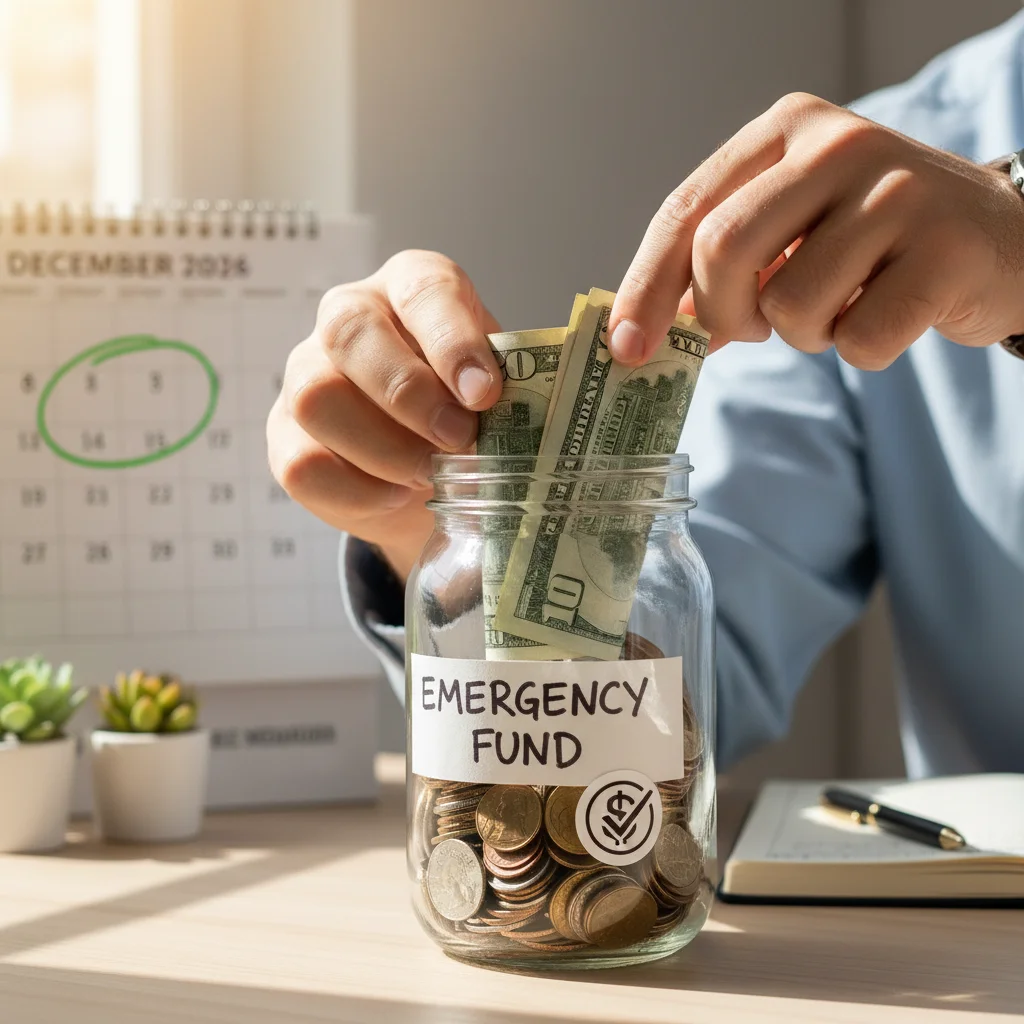
In an unpredictable world, financial stability is not just a luxury; it’s a necessity. Life has a way of throwing unexpected curveballs – a sudden job loss, an unforeseen medical emergency, or a major car repair. Without a safety net, these events can quickly spiral into financial catastrophe, leading to debt, stress, and long-term setbacks. This is where the concept of an emergency fund becomes paramount. An emergency fund is a stash of readily available cash, typically held in a separate, easily accessible account, designed to cover essential living expenses for a predetermined period.
Our ambitious, yet entirely achievable, goal is to help you build a robust emergency fund 2026 capable of covering six months of your living expenses by December 2026. This isn’t just about saving money; it’s about cultivating peace of mind, fostering financial resilience, and empowering you to navigate life’s inevitable challenges with confidence. This comprehensive guide will break down the process into manageable steps, offering practical strategies, budgeting tips, and motivational insights to keep you on track. By the end of this article, you will have a clear roadmap to financial security, ensuring that come December 2026, you are well-prepared for whatever the future holds.
Understanding the ‘Why’: The Importance of an Emergency Fund
Before diving into the ‘how,’ it’s crucial to fully grasp the ‘why.’ Why is an emergency fund so vital? Consider the following scenarios:
- Job Loss: The average duration of unemployment can range from a few weeks to several months. An emergency fund provides a crucial buffer, allowing you to cover your bills while you search for new employment, without resorting to high-interest debt.
- Medical Emergencies: Even with health insurance, out-of-pocket expenses, deductibles, and co-pays can quickly add up. An emergency fund ensures you can focus on recovery, not on how to pay the bills.
- Unexpected Home or Car Repairs: A burst pipe, a failing furnace, or a sudden car breakdown can cost thousands. Without an emergency fund, these essential repairs can be a significant financial strain, potentially leading to further damage or unsafe living conditions.
- Economic Downturns: Recessions and economic instability can impact job markets and investment portfolios. An emergency fund acts as a personal economic stabilizer, protecting your household from the broader financial climate.
- Avoiding Debt: Without an emergency fund, many individuals are forced to rely on credit cards, personal loans, or even payday loans to cover unexpected expenses. These options often come with high interest rates, trapping you in a cycle of debt that can be incredibly difficult to escape.
The peace of mind that comes with knowing you have a financial safety net is invaluable. It reduces stress, improves decision-making during crises, and ultimately contributes to a higher quality of life. Our target of building a emergency fund 2026 is not just a number; it’s a commitment to your future self.
Setting Your Target: How Much Do You Need?
The recommendation for an emergency fund typically ranges from three to six months of living expenses. For our goal of building a robust emergency fund 2026, we are aiming for the higher end: six months. This provides a more substantial buffer and greater peace of mind. To calculate your target amount, you first need to understand your monthly essential expenses. This includes:
- Housing: Rent or mortgage payments, property taxes, homeowner’s insurance.
- Utilities: Electricity, gas, water, internet.
- Food: Groceries, essential household supplies.
- Transportation: Car payments, insurance, gas, public transport fares.
- Healthcare: Insurance premiums, essential medications.
- Minimum Debt Payments: Student loans, credit card minimums (though ideally, you’d tackle high-interest debt first).
What to exclude: Discretionary spending like dining out, entertainment, subscriptions you can cancel, and non-essential shopping. The goal is to cover your bare-bones survival costs in an emergency, not your lifestyle expenses.
Step-by-step calculation:
- Track Your Spending: For at least one month, meticulously track every dollar you spend. Use a budgeting app, a spreadsheet, or even a pen and paper. This will give you an accurate picture of where your money is going.
- Identify Essential Expenses: Go through your tracked spending and categorize each expense as essential or non-essential.
- Calculate Monthly Essentials: Sum up all your essential expenses for the month.
- Multiply by Six: Multiply your total monthly essential expenses by six. This is your target emergency fund 2026 amount.
For example, if your essential monthly expenses total $2,500, your target emergency fund would be $2,500 x 6 = $15,000. This might seem like a daunting number, but remember, you have until December 2026, which gives you ample time to reach this goal.
Phase 1: The Foundation (Now to Mid-2024) – Getting Started and Budgeting
The first phase of building your emergency fund 2026 is all about laying a solid foundation. This involves creating a detailed budget, finding areas to cut back, and automating your savings.
1. Create a Realistic and Detailed Budget
Budgeting is the cornerstone of financial success. It’s not about restricting yourself but about gaining control over your money. There are several budgeting methods you can explore:
- 50/30/20 Rule: 50% of your income for needs, 30% for wants, and 20% for savings and debt repayment. This is a great starting point for many.
- Zero-Based Budgeting: Every dollar has a job. You allocate every portion of your income to an expense or savings goal, leaving nothing ‘unassigned.’
- Envelope System: For cash-based spenders, this involves allocating physical cash into envelopes for different spending categories.
Whichever method you choose, consistency is key. Review your budget regularly and adjust it as your income or expenses change. Tools like Mint, YNAB (You Need A Budget), or simple spreadsheets can greatly assist in this process.
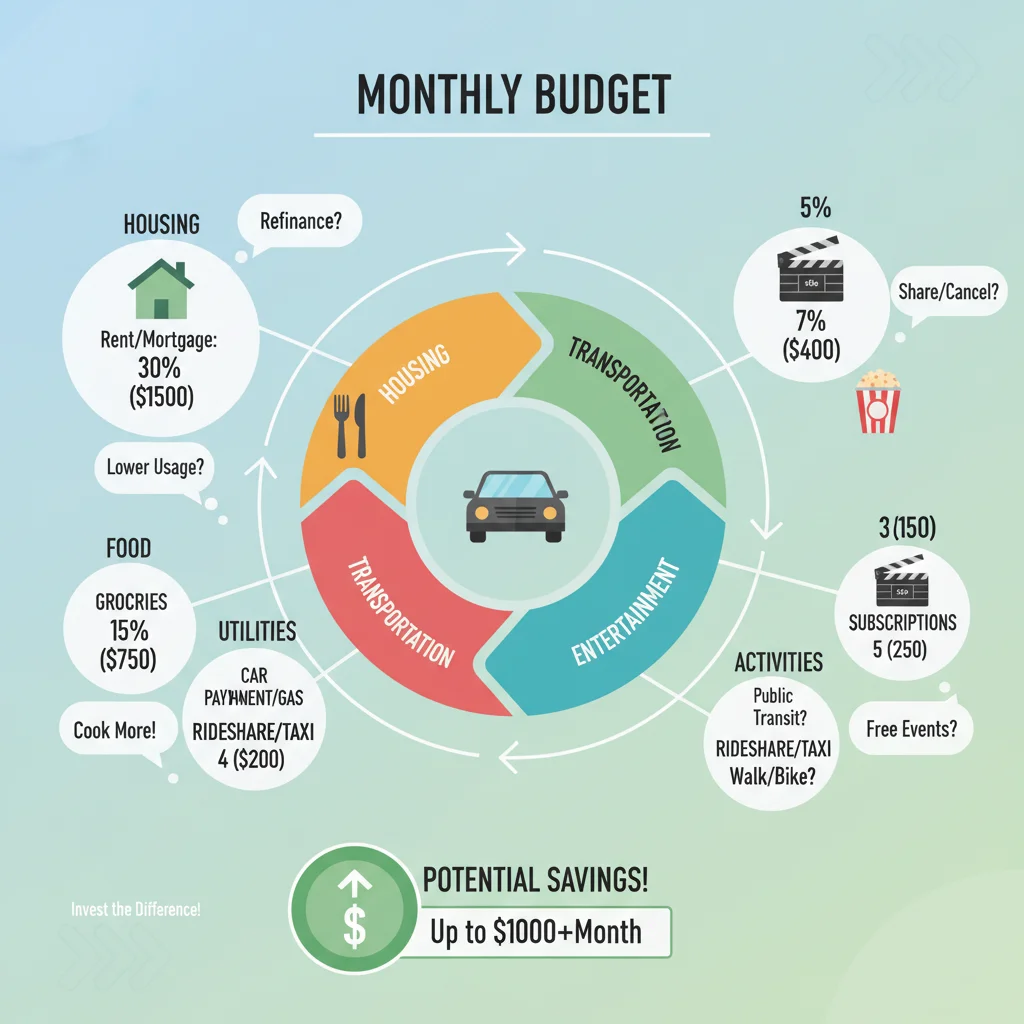
2. Identify and Cut Unnecessary Expenses
This is where the real savings begin. Go through your budget with a fine-tooth comb and look for areas where you can reduce spending without significantly impacting your quality of life. Think about:
- Subscriptions: Do you really use all your streaming services, gym memberships, or app subscriptions? Cancel those you don’t.
- Dining Out/Takeout: This is often a significant money drain. Plan meals, cook at home more often, and pack lunches.
- Impulse Purchases: Implement a ’24-hour rule’ for non-essential items – if you still want it after 24 hours, then consider buying it.
- Transportation Costs: Can you walk, bike, or use public transport more often? Carpool?
- Negotiate Bills: Call your internet, cable, and insurance providers to see if you can get a better rate. Loyalty often doesn’t pay; asking for discounts does.
Every dollar saved is a dollar closer to your emergency fund 2026 goal.
3. Automate Your Savings
The easiest way to save is to make it automatic. Set up an automatic transfer from your checking account to your dedicated emergency fund savings account each payday. Treat this transfer like a non-negotiable bill. Start with a small, manageable amount and gradually increase it as you find more areas to save. Even $25 or $50 a week adds up significantly over time.
Phase 2: Acceleration (Mid-2024 to Mid-2025) – Boosting Your Income and Savings Rate
Once you have a solid budgeting foundation, the next phase focuses on accelerating your progress towards your emergency fund 2026. This involves increasing your income and optimizing your savings rate.
1. Increase Your Income
Saving more isn’t always about cutting expenses; sometimes it’s about earning more. Explore these options:
- Side Hustles: Freelancing, ride-sharing, food delivery, pet-sitting, online tutoring, selling crafts – there are countless ways to earn extra income in your spare time. Even a few hundred extra dollars a month can make a huge difference.
- Overtime: If your job offers overtime, consider taking it on, at least temporarily, to boost your savings.
- Sell Unused Items: Declutter your home and sell items you no longer need on platforms like eBay, Facebook Marketplace, or local consignment shops.
- Ask for a Raise: If you’re performing well at your job, prepare a case for a raise. Document your achievements and contributions to the company.
- Job Change: Sometimes, the fastest way to increase income is to seek a higher-paying job.
Every extra dollar earned should ideally go directly into your emergency fund 2026.
2. Redirect Windfalls and Bonuses
Tax refunds, work bonuses, unexpected gifts, or inheritances are perfect opportunities to supercharge your emergency fund. Instead of spending these windfalls, commit to putting a significant portion, if not all, directly into your savings. This can dramatically shorten the time it takes to reach your goal.
3. Optimize Your Savings Account
While an emergency fund needs to be liquid, it doesn’t mean it should sit in a checking account earning zero interest. Look for high-yield savings accounts (HYSA) offered by online banks. These accounts typically offer significantly higher interest rates than traditional brick-and-mortar banks, allowing your money to grow, even if slowly. Ensure the account is FDIC-insured.
Phase 3: Fine-Tuning and Maintaining (Mid-2025 to December 2026) – Final Push and Long-Term Habits
As you approach December 2026, this final phase is about making the last push to reach your target and establishing habits that will maintain your emergency fund 2026 for the long term.
1. Debt Reduction (High-Interest First)
While saving for an emergency fund, it’s also wise to address high-interest debt (like credit card debt). Some financial experts advocate for paying off high-interest debt before fully funding an emergency fund beyond a small starter fund ($1,000 – $2,000). The logic is that the interest you save by paying off debt can often be higher than the interest you earn in a savings account. Once your high-interest debt is gone, you’ll have more disposable income to direct towards your emergency fund 2026 and other financial goals.
2. Regular Reviews and Adjustments
Your financial situation isn’t static. Life changes, and so should your budget and savings plan. Quarterly, or at least bi-annually, review your progress:
- Are you still on track to reach your emergency fund 2026 goal?
- Have your essential expenses changed? (e.g., new baby, increased rent, new car payment)
- Are there new opportunities to save or earn more?
- Is your savings account still offering competitive interest rates?
Being proactive with these reviews will ensure you stay aligned with your objective.
3. Avoid Lifestyle Creep
As your income potentially increases, it’s easy to fall into the trap of lifestyle creep – where your spending increases along with your earnings. Be mindful of this. Continue to live below your means and direct any extra income towards your emergency fund 2026 or other financial goals, rather than immediately upgrading your lifestyle.
Beyond December 2026: Maintaining Your Emergency Fund
Reaching your goal of a fully funded emergency fund 2026 is a significant achievement, but the journey doesn’t end there. Maintaining it is just as important as building it.
1. Replenish When Used
If you have to dip into your emergency fund for a legitimate emergency, make it an immediate priority to replenish it. Treat it like a loan you’ve taken from yourself that needs to be paid back as quickly as possible. Re-establish your automatic transfers and temporarily cut back on discretionary spending until the fund is back to its full amount.
2. Reassess Your Needs Periodically
Life circumstances change. You might get married, have children, buy a house, or experience a significant increase in your cost of living. Annually, re-evaluate your essential monthly expenses and adjust your emergency fund target if necessary. What was six months of expenses in 2026 might need to be more in 2028.
3. Consider Inflation
Over time, inflation erodes the purchasing power of money. While a high-yield savings account helps, it’s unlikely to fully outpace inflation. Periodically, you might need to slightly increase your emergency fund balance to account for rising costs of living.

Common Pitfalls to Avoid
Building an emergency fund is a marathon, not a sprint. Be aware of these common obstacles:
- Lack of Clarity: Not having a clear target amount or a specific timeline (like our emergency fund 2026 goal) can lead to aimless saving.
- Treating it as a ‘Savings Account’: An emergency fund is not for a down payment on a house, a vacation, or a new car. It’s strictly for emergencies. Mixing these goals can lead to depletion when a true emergency arises.
- Keeping it Too Accessible: While it needs to be liquid, keeping it in the same account as your checking can make it too easy to spend. A separate HYSA is ideal.
- Discouragement: There will be times when progress feels slow. Stay focused on your long-term goal and celebrate small wins along the way.
- Ignoring High-Interest Debt: As mentioned, high-interest debt can undermine your savings efforts. Address it strategically.
Motivation and Mindset for Your Emergency Fund 2026
Financial success is as much about mindset as it is about mechanics. Cultivating the right attitude can be the difference between reaching your emergency fund 2026 goal and falling short.
- Visualize Your Goal: Imagine the peace of mind you’ll have in December 2026 with a fully funded emergency account. What does that feel like? What opportunities does it open up?
- Celebrate Milestones: Breaking down your large goal into smaller milestones (e.g., saving the first $1,000, reaching one month’s expenses) and celebrating each one can keep you motivated.
- Find an Accountability Partner: Share your goal with a trusted friend or family member. Having someone to check in with can provide extra motivation.
- Educate Yourself: Continuously learn about personal finance. The more knowledgeable you become, the more confident you’ll feel about your decisions.
- Be Patient and Persistent: Building a substantial emergency fund takes time and consistent effort. There will be setbacks, but the key is to get back on track quickly.
Conclusion: Your Path to Financial Freedom by December 2026
Building a 6-month emergency fund 2026 is one of the most crucial steps you can take towards achieving financial security and peace of mind. It’s a journey that requires discipline, strategic planning, and a commitment to your future self. By understanding your expenses, creating a robust budget, actively seeking ways to increase your income, and automating your savings, you are well on your way to reaching this vital financial milestone.
Remember, December 2026 is not just a date on the calendar; it’s a deadline for a significant personal achievement. Embrace the process, stay focused on your goal, and be proud of every step you take. The financial resilience you build now will serve you well for years to come, allowing you to face life’s uncertainties with confidence and a strong sense of control over your financial destiny. Start today, and by December 2026, you’ll be celebrating a major victory on your path to true financial freedom.