Mastering 2026 Personal Cash Flow: Your 4-Step Guide to Financial Health
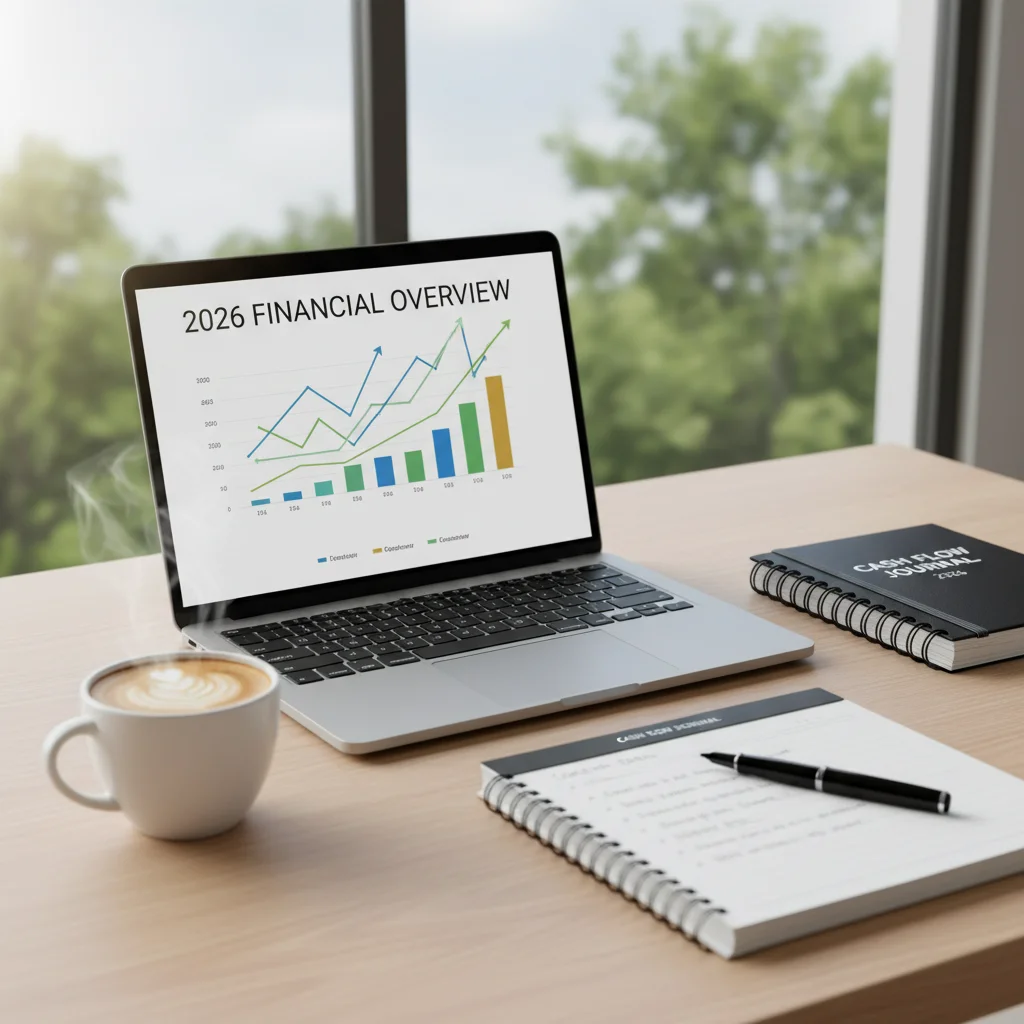
Mastering Your Personal Cash Flow in 2026: A 4-Step Process to Improve Your Monthly Financial Health
As we step into 2026, the landscape of personal finance continues to evolve, bringing new challenges and opportunities. Whether you’re aiming to save for a down payment, pay off debt, build an emergency fund, or simply gain a clearer picture of where your money goes, effective personal cash flow 2026 management is your ultimate tool. It’s not just about knowing how much you earn and spend; it’s about strategically directing your money to achieve your financial aspirations. This comprehensive guide will walk you through a powerful 4-step process designed to optimize your monthly financial health and set you on a path to lasting financial success.
Many people find the idea of managing their finances daunting, often feeling overwhelmed by spreadsheets, budgets, and financial jargon. However, managing your personal cash flow 2026 doesn’t have to be complicated. By breaking it down into manageable steps, you can transform your financial habits and take control of your monetary destiny. This isn’t a one-time fix; it’s a continuous process that, when diligently followed, yields profound benefits. Let’s dive into the core principles and actionable strategies that will empower you to master your finances this year.
Step 1: Understand and Track Your Cash Inflows and Outflows
The first and most fundamental step to mastering your personal cash flow 2026 is to gain a crystal-clear understanding of where your money comes from and where it goes. This involves meticulous tracking of all your inflows (income) and outflows (expenses). Without this foundational knowledge, any attempt at budgeting or financial planning will be like navigating a ship without a compass.
Identifying All Income Sources
Start by listing every single source of income you have. This isn’t just your primary salary or hourly wage. Consider:
- Primary Employment Income: Your net pay (after taxes, deductions, and contributions).
- Side Hustle Income: Earnings from freelancing, consulting, gig work, or a second job.
- Investment Income: Dividends, interest from savings accounts, rental income, or capital gains.
- Benefits: Any government benefits, child support, or alimony received.
- Other Irregular Income: Gifts, bonuses, or one-off payments.
It’s crucial to track both regular and irregular income. For irregular income, it’s often best to average it over a few months or be conservative in your estimates to avoid overestimating your available funds.
Categorizing and Tracking Expenses
This is where many people falter, but it’s arguably the most critical part of understanding your personal cash flow 2026. You need to know exactly where your money is going. Expenses can be broadly categorized into:
- Fixed Expenses: These are costs that generally stay the same each month. Examples include rent/mortgage payments, loan repayments (car, student), insurance premiums, and subscription services.
- Variable Expenses: These costs fluctuate from month to month. Groceries, utilities (which can vary with usage), entertainment, dining out, and clothing fall into this category.
- Discretionary Expenses: These are non-essential expenses that you have control over. Think about that daily coffee, impulse purchases, or expensive hobbies. Identifying these is crucial for optimization.
Tools for Tracking:
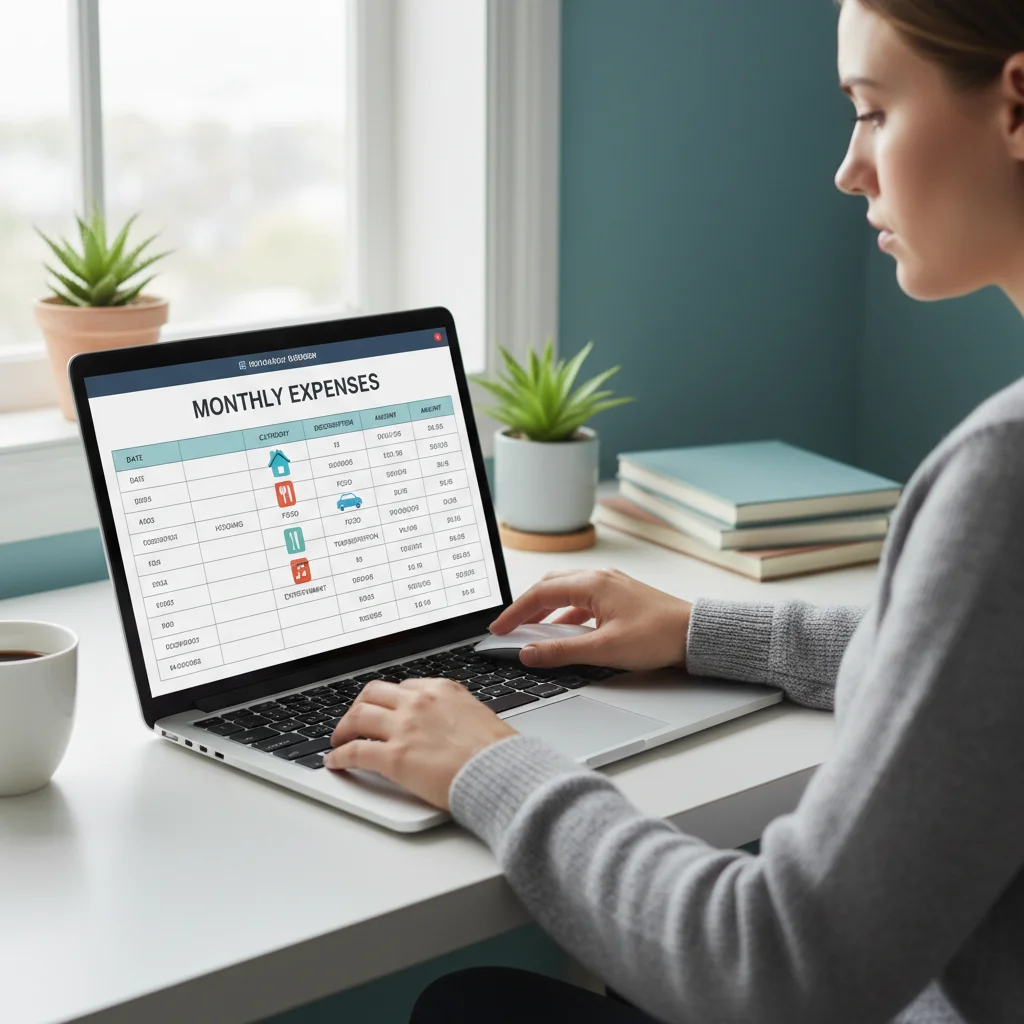
- Spreadsheets (Excel, Google Sheets): Highly customizable and free. You can create detailed categories and visualize your spending patterns.
- Budgeting Apps (Mint, YNAB, Personal Capital): These apps often link directly to your bank accounts and credit cards, automatically categorizing transactions. They provide real-time insights and can be incredibly powerful for managing your personal cash flow 2026.
- Pen and Paper: For those who prefer a tactile approach, a simple notebook can be effective, though it requires more manual data entry.
Aim to track your income and expenses for at least one to three months to get a realistic picture. The more data you collect, the more accurate your understanding of your financial habits will be. This initial phase is about observation, not judgment. Just gather the facts.
Step 2: Analyze Your Cash Flow for Patterns and Problem Areas
Once you’ve diligently tracked your income and expenses, the next crucial step in managing your personal cash flow 2026 is to analyze the data. This is where you transform raw numbers into actionable insights. Look for patterns, identify areas of overspending, and pinpoint opportunities for improvement.
Calculate Your Net Cash Flow
The simplest calculation is: Total Income – Total Expenses = Net Cash Flow.
- Positive Net Cash Flow: Congratulations! You’re earning more than you’re spending. This surplus can be directed towards savings, investments, or debt reduction.
- Negative Net Cash Flow: This means you’re spending more than you earn, which is unsustainable in the long run. This is a clear indicator that changes are needed to improve your personal cash flow 2026.
- Zero Net Cash Flow: You’re breaking even. While not negative, it leaves no room for emergencies, savings, or future goals.
Identify Spending Patterns and Habits
Review your expense categories. Ask yourself:
- Where is most of my money going? Is it housing, food, transportation, or something else?
- Are there any ‘leakage’ points? Small, frequent expenses that add up significantly over time (e.g., daily coffees, impulse online purchases).
- Are my fixed expenses too high? Could I refinance a loan, negotiate insurance, or consider a more affordable housing option?
- Are my variable expenses reasonable? Can I reduce my grocery bill, find cheaper entertainment, or cut down on dining out?
- What are my ‘money scripts’? Do I spend when stressed, bored, or to keep up with others? Understanding the emotional drivers behind your spending can be powerful.
Compare Actual Spending to Ideal Spending
Many financial experts recommend guidelines like the 50/30/20 rule: 50% of income for needs, 30% for wants, and 20% for savings and debt repayment. While not a strict rule for everyone, it provides a useful benchmark. Compare your actual spending percentages in each category to these or other established benchmarks. This comparison can highlight significant discrepancies and areas needing attention in your personal cash flow 2026 strategy.
For example, if you find that 60% of your income is going towards ‘wants,’ and only 10% towards savings, you’ve identified a clear area for adjustment. The analysis phase is about understanding the ‘why’ behind your numbers and preparing to make informed decisions.
Step 3: Optimize and Create a Budget for Positive Cash Flow
With a clear understanding of your financial landscape, the third step is to take action: optimize your spending and create a budget that ensures a positive personal cash flow 2026. This is where you consciously decide how to allocate your money to align with your financial goals.
The Art of Budgeting
A budget isn’t about restriction; it’s about empowerment. It’s a proactive plan for your money. There are several budgeting methods, and the best one is the one you’ll stick to:
- Zero-Based Budgeting: Every dollar is assigned a job. Income minus expenses (including savings and debt payments) should equal zero. This method ensures you’re intentional with every dollar.
- 50/30/20 Rule: As mentioned, 50% for needs, 30% for wants, 20% for savings and debt. Simple and effective for many.
- Envelope System: For cash users, allocating physical cash into envelopes for different categories (e.g., ‘Groceries,’ ‘Entertainment’). When an envelope is empty, spending in that category stops.
- Pay Yourself First: Prioritize savings and debt repayment by automatically transferring funds to these accounts as soon as you get paid, before any other expenses.
Strategies for Optimization (Reducing Outflows)
This is where the analysis from Step 2 really pays off. Look at your identified problem areas and implement strategies to reduce spending:
- Cut Discretionary Spending: This is often the easiest place to start. Can you reduce dining out, cancel unused subscriptions, or find free entertainment options?
- Negotiate Bills: Call your internet, cable, or insurance providers to see if you can get a better deal. Loyalty often goes unrewarded unless you ask.
- Reduce Fixed Costs: While harder, consider if you can refinance high-interest debt, car loans, or even explore options for lower housing costs in the long term.
- Smart Grocery Shopping: Meal planning, buying in bulk, using coupons, and avoiding impulse buys can significantly cut food costs.
- Minimize Transportation Costs: Carpooling, using public transport, cycling, or walking can save on fuel, maintenance, and parking.
Strategies for Optimization (Increasing Inflows)
While reducing expenses is crucial, don’t overlook the power of increasing your income to boost your personal cash flow 2026:
- Negotiate a Raise: If you’ve been performing well, prepare a strong case for a salary increase.
- Start a Side Hustle: Utilize your skills or hobbies to generate extra income.
- Sell Unused Items: Decluttering your home can also put cash in your pocket.
- Optimize Investments: Review your investment portfolio to ensure it’s performing optimally, though this often involves longer-term strategies rather than immediate cash flow boosts.
The goal is to create a budget that is realistic, sustainable, and supports your financial goals. It should be a living document, adjustable as your circumstances change.
Step 4: Monitor, Adjust, and Forecast for Long-Term Financial Health
The final step in mastering your personal cash flow 2026 is not an end point, but a continuous cycle: monitoring your progress, making necessary adjustments, and forecasting for the future. Financial planning is dynamic, and your budget should reflect that.
Regular Monitoring and Review
A budget is only effective if you stick to it and review it regularly. Set aside time each week or month to:
- Compare Actual vs. Budgeted: See how your actual spending in each category lines up with your budget.
- Identify Deviations: Where did you overspend? Where did you underspend? Understanding these deviations is key.
- Reconcile Accounts: Ensure your tracking aligns with your bank and credit card statements.
Consistency in monitoring will help you catch issues early and prevent small overspends from becoming significant problems for your personal cash flow 2026.
Making Adjustments
Life happens, and your financial situation will change. Your budget needs to be flexible. You might experience:
- Income Changes: A raise, a job loss, or a new side hustle will impact your cash flow.
- Expense Changes: A new baby, a car repair, or an unexpected medical bill will alter your spending.
- Goal Changes: Your financial priorities might shift (e.g., from saving for a car to saving for a house).
Don’t be afraid to tweak your budget. If a category is consistently too restrictive, adjust it. If you find extra money, reallocate it towards your goals. The goal is to make your budget work for you, not the other way around.
Forecasting Future Cash Flow
Beyond current monitoring, begin to forecast your personal cash flow 2026 into the future. This involves:
- Short-Term Forecasting (3-6 months): Anticipate upcoming bills, seasonal expenses (holidays, vacations), and irregular income. This helps you prepare for known fluctuations.
- Long-Term Forecasting (1-5+ years): Consider major life events like buying a home, retirement, or funding education. How will these impact your income and expenses? What savings rate do you need to achieve these goals?
- Scenario Planning: What if you lose your job? What if interest rates rise? Thinking through different scenarios can help you build resilience into your financial plan.
Forecasting helps you move from reactive to proactive financial management, ensuring your personal cash flow 2026 supports your long-term aspirations.
Advanced Strategies for Optimizing Personal Cash Flow in 2026
Once you’ve mastered the foundational 4-step process, you can explore more advanced strategies to further enhance your personal cash flow 2026 and accelerate your financial goals.
Automate Your Savings and Bill Payments
One of the most powerful tools for consistent financial progress is automation. Set up automatic transfers from your checking account to your savings, investment, and debt repayment accounts immediately after you get paid. This ‘set it and forget it’ approach ensures you’re consistently working towards your goals before you even have a chance to spend the money. Automate bill payments to avoid late fees and maintain a good credit score.
Debt Management Strategies
High-interest debt (like credit cards) can significantly drain your personal cash flow 2026. Focus on strategies to tackle it:
- Debt Avalanche: Pay off the debt with the highest interest rate first, while making minimum payments on others. This saves you the most money on interest.
- Debt Snowball: Pay off the smallest debt first to gain psychological momentum, then move to the next smallest.
- Consolidation: Consider consolidating high-interest debts into a lower-interest personal loan or balance transfer card if your credit score allows.
Reducing debt frees up more of your income for savings and investments.
Building a Robust Emergency Fund
An emergency fund is critical for maintaining positive personal cash flow 2026 during unexpected events. Aim for 3-6 months’ worth of essential living expenses in a separate, easily accessible savings account. This fund prevents you from going into debt when faced with job loss, medical emergencies, or significant home/car repairs.
Strategic Investing
Beyond saving, investing allows your money to work for you, potentially increasing your inflows over time. Even small, consistent investments can compound significantly. Understand different investment vehicles (stocks, bonds, mutual funds, ETFs, real estate) and choose strategies that align with your risk tolerance and financial goals for personal cash flow 2026 and beyond. Consider consulting a financial advisor for personalized guidance.
Tax Optimization
Taxes are a significant outflow. Explore ways to legally reduce your tax burden, such as contributing to tax-advantaged retirement accounts (401k, IRA), utilizing tax credits and deductions, or investing in tax-efficient ways. A good understanding of tax implications can significantly improve your net personal cash flow 2026.
Regular Financial Check-ups
Just as you have medical check-ups, schedule annual or semi-annual financial check-ups. Review your overall financial plan, assess your progress towards goals, and make any major adjustments needed due to life changes or market shifts. This holistic approach ensures your personal cash flow 2026 management remains aligned with your evolving life.
The Psychological Aspect of Personal Cash Flow Management
Understanding and managing your personal cash flow 2026 isn’t just about numbers; it’s also deeply psychological. Our relationship with money is often shaped by our upbringing, societal influences, and personal experiences. Recognizing these psychological factors can be just as crucial as the mathematical ones.
Overcoming Financial Procrastination
Many people delay addressing their finances due to fear, a feeling of being overwhelmed, or simply not knowing where to start. Break down the 4-step process into smaller, more manageable tasks. Instead of ‘create a budget,’ try ‘track expenses for one week.’ Small wins build confidence and momentum.
Dealing with Emotional Spending
Are you an emotional spender? Do you shop when you’re stressed, sad, or celebrating? Identifying these triggers is the first step. Develop healthier coping mechanisms or alternative ways to achieve the emotional satisfaction you seek from spending. This self-awareness significantly impacts your personal cash flow 2026.
The Power of Delayed Gratification
Mastering personal cash flow 2026 often requires delaying immediate gratification for greater future rewards. This means choosing to save for a down payment instead of buying the latest gadget. Practice mindfulness around your spending decisions and visualize your long-term goals to reinforce this discipline.
Celebrating Milestones
Don’t forget to celebrate your financial wins, no matter how small. Paid off a credit card? Reached a savings goal? Acknowledge your progress. This positive reinforcement makes the journey of managing your personal cash flow 2026 more enjoyable and sustainable.
Conclusion: Your Path to Financial Empowerment in 2026
Managing your personal cash flow 2026 is not a chore; it’s a journey towards financial empowerment and peace of mind. By consistently applying this 4-step process—understanding and tracking, analyzing, optimizing and budgeting, and finally, monitoring and adjusting—you gain unparalleled control over your financial destiny. This isn’t just about accumulating wealth; it’s about making conscious choices that align your money with your values and goals, leading to a more secure and fulfilling life.
The financial world of 2026 may present its unique set of challenges, but with a robust cash flow management system in place, you’ll be well-equipped to navigate them. Remember, consistency is key. Start small, be patient, and celebrate your progress. Your financial health is a marathon, not a sprint, and by taking these deliberate steps, you are building a foundation for lasting prosperity. Take control of your personal cash flow 2026 today and unlock a future of financial stability and freedom.