Bridging America’s Digital Divide: 20 Million Connected by 2026
Bridging America’s Digital Divide: Connecting 20 Million by 2026
The promise of the digital age is universal access to information, opportunities, and connection. Yet, for millions of Americans, this promise remains unfulfilled. The digital divide, a stark disparity in access to high-speed internet and the skills to use it, continues to isolate communities and hinder economic growth. As we look towards 2026, the ambitious goal is clear: to connect 20 million more Americans to reliable, affordable broadband. This isn’t merely a technological challenge; it’s a societal imperative that demands a multi-faceted approach encompassing policy, infrastructure development, affordability, and digital literacy. This article will explore the depth of the digital divide, outline critical strategies to bridge digital divide gaps, and discuss the collaborative efforts needed to achieve this ambitious goal within the next 18 months.
Understanding the Scope of the Digital Divide in 2026
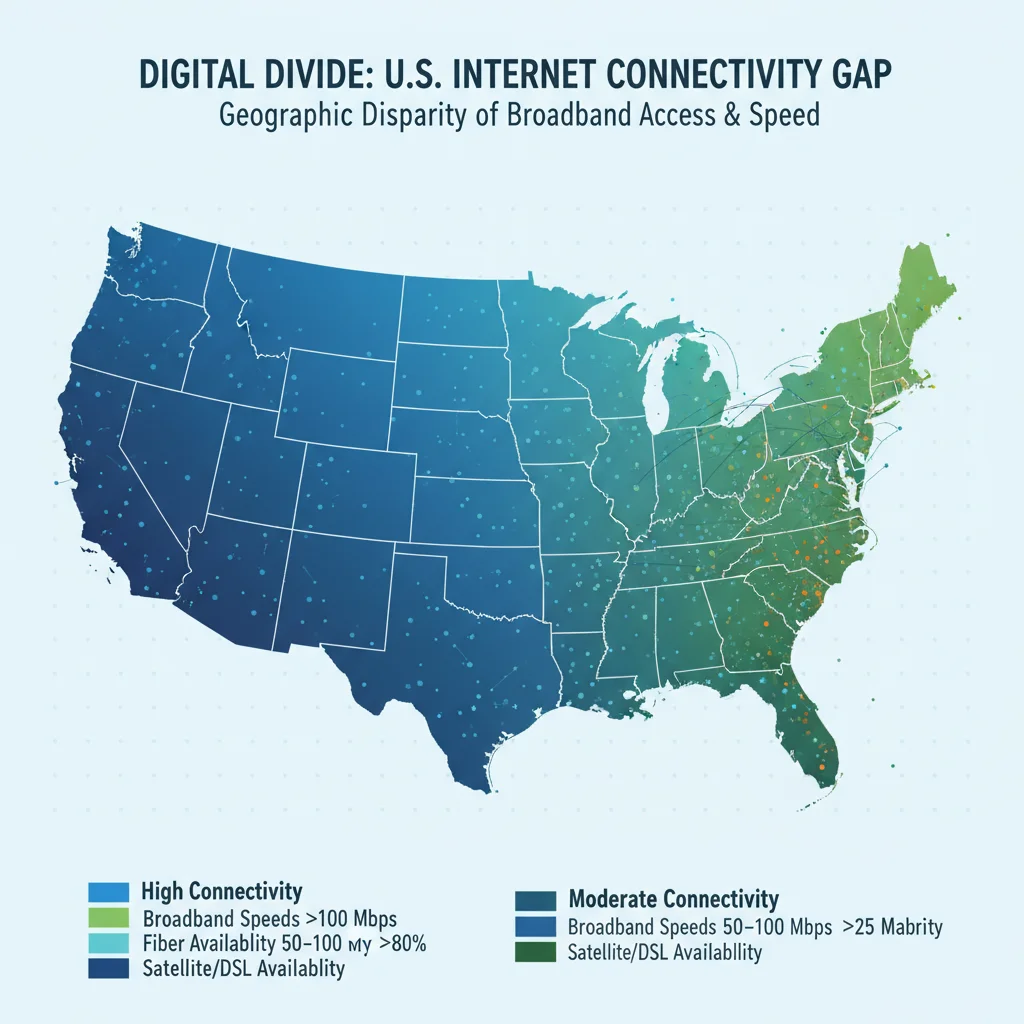
Before we can effectively bridge digital divide, we must fully grasp its current landscape. The digital divide isn’t a monolithic issue; it manifests in various forms across different demographics and geographies. While urban centers generally boast robust internet infrastructure, rural and tribal lands often struggle with nonexistent or glacially slow connections. The Federal Communications Commission (FCC) estimates that tens of millions of Americans lack access to broadband, with some independent analyses suggesting even higher figures. This lack of access isn’t just an inconvenience; it’s a barrier to education, healthcare, economic opportunity, and civic participation. Students in unserved areas fall behind, telehealth appointments are impossible, and businesses struggle to compete in a globalized economy. Understanding these nuances is crucial for developing targeted and effective interventions to bridge digital divide.
Geographic Disparities: Rural vs. Urban Connectivity
The most visible aspect of the digital divide is its geographic unevenness. Rural America, characterized by sparse populations and challenging terrain, presents significant hurdles for traditional broadband deployment. The cost-per-subscriber for laying fiber optic cables or deploying fixed wireless infrastructure can be astronomically high, making it economically unviable for many private providers without government subsidies. This leads to vast swaths of the country being either unserved or underserved, where residents rely on outdated, slow, or expensive internet options. In contrast, urban areas, while generally well-connected, can still have pockets of digital exclusion, often tied to socioeconomic factors and infrastructure age. Addressing these geographic disparities is paramount to truly bridge digital divide.
Socioeconomic Factors: Affordability and Equity
Beyond physical access, affordability remains a significant barrier for many low-income households, even where infrastructure exists. High monthly subscription costs, coupled with the expense of devices and necessary software, can make internet access an unattainable luxury. This socioeconomic aspect of the digital divide disproportionately affects marginalized communities, including minority groups, seniors, and individuals with disabilities. Digital equity means ensuring that everyone, regardless of their income or background, has the opportunity to participate fully in the digital economy and society. Policies aimed at subsidizing internet costs and providing affordable devices are critical components of any strategy to bridge digital divide.
Digital Literacy and Skills Gap
Having internet access is only half the battle; knowing how to use it effectively is the other. A significant portion of the population lacks the fundamental digital literacy skills required to navigate the internet, use online tools, or protect themselves from cyber threats. This skills gap further exacerbates the digital divide, rendering even available broadband useless for those unable to leverage its potential. Educational initiatives, community training programs, and accessible resources are vital for empowering individuals to confidently engage with the digital world. These programs are essential to truly bridge digital divide comprehensively.
Strategic Pillars to Bridge Digital Divide by 2026
Achieving the goal of connecting 20 million additional Americans by 2026 requires a concerted effort across several strategic pillars. These pillars are interconnected and must be pursued simultaneously to create a robust and inclusive digital future. The key to success lies in a coordinated national strategy, leveraging federal, state, and local resources, alongside private sector innovation and community engagement.
1. Infrastructure Expansion and Modernization
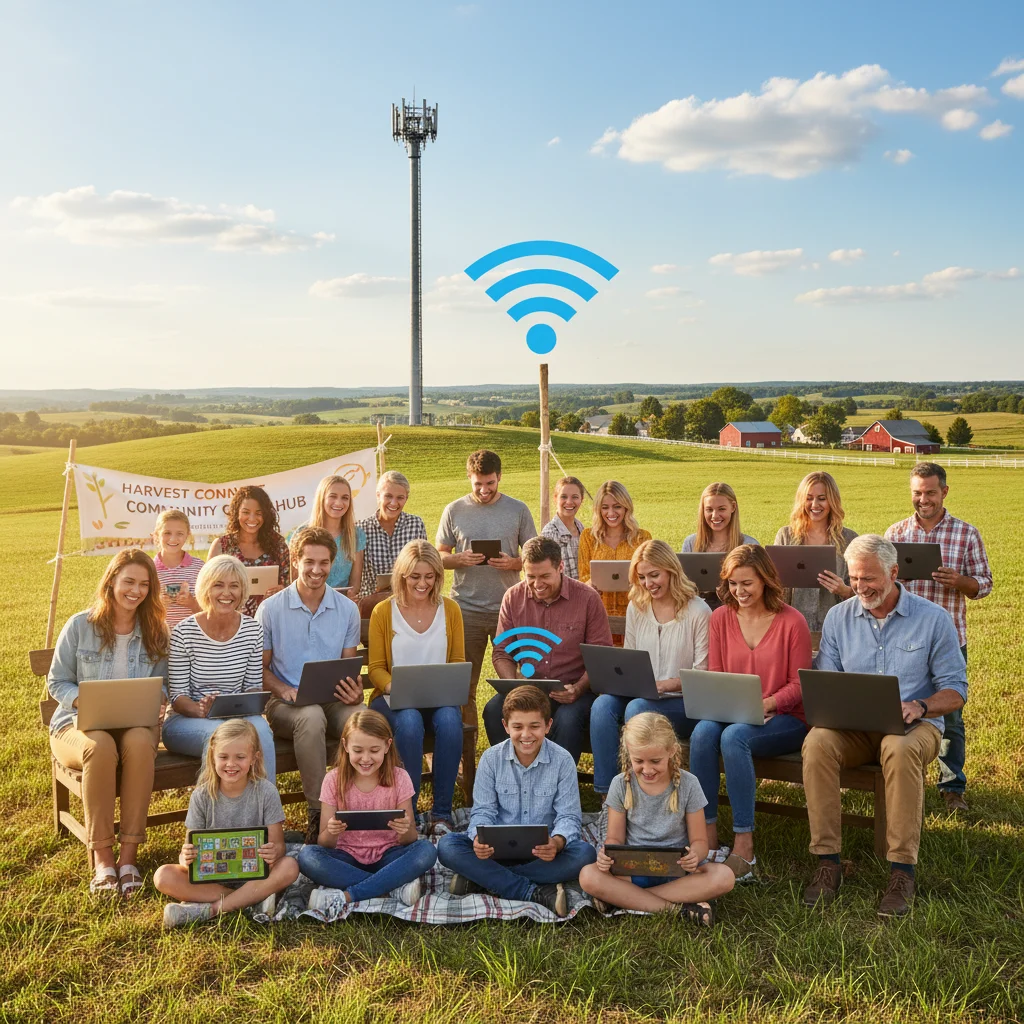
The bedrock of bridging the digital divide is robust infrastructure. This means accelerating the deployment of high-speed broadband in unserved and underserved areas. Fiber optic remains the gold standard for speed and reliability, but other technologies like fixed wireless, satellite internet (including low-earth orbit constellations), and 5G cellular networks also play crucial roles, especially in challenging terrains. Government investment programs, such as the Broadband Equity, Access, and Deployment (BEAD) Program and the ReConnect Program, are vital for incentivizing providers to build out networks where market forces alone are insufficient. Streamlining permitting processes, reducing regulatory burdens, and promoting public-private partnerships can further expedite deployment. Focusing on these areas will significantly help to bridge digital divide.
Leveraging Advanced Technologies
- Fiber Optic Expansion: Prioritizing fiber-to-the-home (FTTH) where feasible due to its superior capacity and longevity.
- Fixed Wireless Access (FWA): Utilizing FWA for quicker deployment in rural areas, especially where line-of-sight is achievable.
- Low-Earth Orbit (LEO) Satellites: Exploring LEO satellite internet as a viable option for the most remote and geographically challenging locations.
- 5G Networks: Expanding 5G coverage, which can offer high-speed internet to both mobile and fixed devices, serving as a complementary solution.
2. Enhancing Affordability and Access Programs
Even with widespread infrastructure, internet access remains out of reach for many due to cost. Federal programs designed to subsidize internet service for low-income households are crucial. The Affordable Connectivity Program (ACP) has been a cornerstone in this effort, providing discounts on internet service and connected devices. Sustaining and expanding such programs is essential. Furthermore, encouraging internet service providers (ISPs) to offer low-cost plans independently, perhaps through regulatory incentives or public-private agreements, can also significantly contribute to making broadband more accessible. It’s not just about getting the wires to the home; it’s about making sure everyone can afford the service. This is a critical step to bridge digital divide effectively.
Key Affordability Initiatives:
- Affordable Connectivity Program (ACP) Support: Advocating for continued funding and public awareness campaigns for programs like the ACP.
- ISP Low-Cost Plans: Encouraging ISPs to offer more affordable, basic internet plans specifically designed for low-income families.
- Device Subsidies: Programs that help individuals and families acquire affordable or free computing devices.
- Community Broadband Networks: Supporting the development of municipal or cooperative broadband networks that can offer more competitive and affordable rates.
3. Promoting Digital Literacy and Skills Training
Digital inclusion goes beyond connectivity; it encompasses the ability to effectively use digital tools. Comprehensive digital literacy programs are needed across all age groups, from K-12 education to adult learning centers. These programs should cover basic computer skills, internet navigation, online safety, and critical thinking in the digital realm. Public libraries, community centers, and non-profit organizations are pivotal in delivering these essential training initiatives. Partnerships with educational institutions and employers can also help tailor training to meet workforce demands, ensuring that digital skills translate into economic opportunities. Investing in digital literacy is an investment in human capital, directly helping to bridge digital divide.
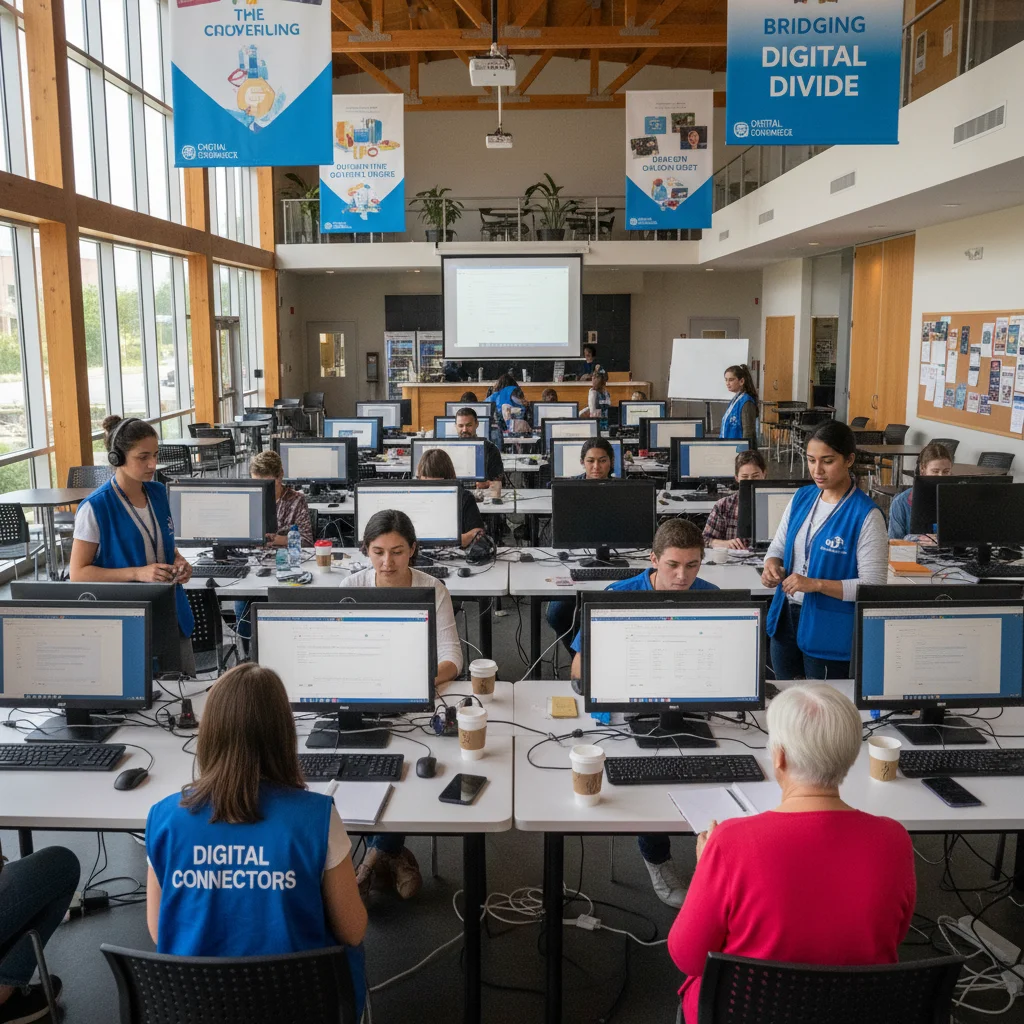
Components of Effective Digital Literacy Programs:
- Basic Computer Skills: Training on operating systems, word processing, spreadsheets, and email.
- Internet Navigation: Teaching effective search strategies, understanding websites, and using online services.
- Online Safety and Privacy: Educating users on cybersecurity, identifying scams, and protecting personal information.
- Workforce Development: Providing skills relevant to modern jobs, including remote work tools and industry-specific software.
- Accessible Resources: Ensuring training materials and tools are available in multiple languages and formats for individuals with disabilities.
4. Fostering Collaboration and Partnerships
No single entity can solve the digital divide alone. Bridging this gap requires unprecedented collaboration among federal, state, and local governments, private sector companies (ISPs, technology developers), non-profit organizations, educational institutions, and community leaders. Coordinated efforts can leverage diverse expertise and resources, avoid duplication, and ensure that solutions are tailored to specific community needs. Public-private partnerships are particularly powerful, combining government funding and regulatory support with private sector innovation and efficiency. These collaborative models are fundamental to successfully bridge digital divide.
Examples of Collaborative Approaches:
- Federal-State Coordination: Aligning federal funding with state-specific broadband plans and initiatives.
- ISP Partnerships: Collaborating with internet service providers on infrastructure deployment and affordable service offerings.
- Community-Led Initiatives: Empowering local communities to identify their needs and participate in solution development.
- Non-Profit Engagement: Partnering with organizations focused on digital equity, device distribution, and digital literacy training.
Challenges and Solutions in Reaching 20 Million by 2026
While the goal is clear, the path to connecting 20 million Americans by 2026 is fraught with challenges. Understanding these obstacles and proactively developing solutions is vital for success in our mission to bridge digital divide.
Regulatory and Permitting Hurdles
One significant challenge is the complex web of regulations and permitting requirements that can delay broadband infrastructure projects. Streamlining these processes at all levels of government, while ensuring environmental and public safety standards are met, is crucial. Developing standardized permitting procedures and offering technical assistance to local governments can accelerate deployment timelines.
Workforce Shortages
The ambitious goal of expanding broadband infrastructure will require a skilled workforce for installation, maintenance, and support. There is currently a shortage of trained technicians and engineers. Investing in workforce development programs, vocational training, and apprenticeships specifically for broadband deployment can address this gap. Partnerships with community colleges and trade schools are essential.
Accurate Data and Mapping
Identifying exactly where the unserved and underserved populations are remains a challenge due to incomplete or inaccurate broadband mapping data. The FCC is continually improving its mapping efforts, but ongoing data collection and validation are critical to ensure that funding and resources are directed to the areas most in need. Accurate data is the foundation for effective strategies to bridge digital divide.
Sustaining Funding and Political Will
Broadband expansion is a long-term endeavor that requires sustained financial commitment and political will. Ensuring that federal and state funding mechanisms are robust and continue beyond current allocations is paramount. Building bipartisan consensus around digital inclusion as a national priority is essential for long-term success in our efforts to bridge digital divide.
Measuring Progress and Ensuring Accountability
To ensure that the goal of connecting 20 million Americans by 2026 is met, robust mechanisms for measuring progress and ensuring accountability must be in place. This involves transparent reporting, regular assessments of program effectiveness, and adaptive strategies based on real-world data.
Key Performance Indicators (KPIs)
Establishing clear KPIs is essential. These might include:
- Number of new households connected to broadband.
- Percentage increase in broadband adoption rates in target areas.
- Average broadband speeds in previously underserved regions.
- Number of individuals completing digital literacy training programs.
- Reduction in the cost of internet service for low-income households.
Transparent Reporting and Public Dashboards
Creating publicly accessible dashboards and regular reports can provide transparency on progress, highlight successes, and identify areas needing further attention. This allows stakeholders and the public to track the impact of initiatives aimed at helping to bridge digital divide.
Adaptive Strategy and Continuous Improvement
The digital landscape is constantly evolving. Strategies to bridge digital divide must be flexible and adaptable. Regular evaluation of programs, feedback from communities, and responsiveness to new technological developments are crucial for continuous improvement and ensuring that efforts remain effective and relevant.
The Future of a Connected America
Achieving the goal of connecting 20 million more Americans by 2026 is not just about installing cables or activating modems; it’s about unlocking human potential, fostering economic growth, and strengthening communities. A truly connected America will see improved educational outcomes, better access to healthcare, increased civic engagement, and new opportunities for innovation and entrepreneurship across all demographics. The digital divide is a complex problem, but with a strategic, collaborative, and sustained effort, it is one that we can and must overcome. The next 18 months will be critical in shaping a more inclusive and equitable digital future for all Americans, a future where the promise of connectivity is a reality for every citizen. By focusing on infrastructure, affordability, digital literacy, and collaboration, we can effectively bridge digital divide and build a stronger, more connected nation.