Boosting Voter Turnout: 6 National Campaigns That Increased Participation by 8%
In a healthy democracy, high voter participation is not just a desirable outcome; it is a fundamental pillar that ensures representation, legitimacy, and accountability. However, in many nations, declining voter turnout has become a significant concern, prompting widespread efforts to re-engage citizens in the electoral process. The good news is that strategic, well-executed national campaigns can make a tangible difference. This article delves into six successful national campaigns that have demonstrably increased voter participation, with some achieving an impressive 8% rise in recent elections. By examining their methodologies, target demographics, and the innovative approaches they employed, we can glean invaluable insights into what truly drives civic engagement and encourages more people to exercise their democratic right.
The challenge of increasing voter participation is multifaceted, often stemming from factors such as apathy, distrust in political systems, logistical hurdles, or a feeling that one’s vote doesn’t matter. Successful campaigns understand these barriers and work to dismantle them, often through a combination of education, inspiration, and practical assistance. They don’t just tell people to vote; they show them why it matters, how to do it, and make the process as accessible as possible. Our focus here is on national campaigns, meaning initiatives that operate across an entire country, coordinating efforts and messaging to achieve a broad impact. These campaigns often leverage a mix of traditional media, digital platforms, community organizing, and partnerships to reach a diverse electorate.
Understanding the Imperative of High Voter Turnout
Before we dive into specific examples, it’s crucial to acknowledge why boosting voter participation campaigns is so vital. A robust turnout strengthens the democratic mandate of elected officials, making governments more representative of the populace they serve. It also encourages a broader range of voices and perspectives to be heard, leading to more inclusive policymaking. When fewer people vote, the political landscape can become dominated by specific, often vocal, segments of society, potentially marginalizing minority groups and those with less access to political power. Moreover, high participation acts as a check on power, holding politicians more accountable to a wider electorate. When citizens are actively engaged, they are more likely to scrutinize political decisions and demand transparency.
The 8% increase in voter participation observed in some of the campaigns we will discuss is not a small feat. Such a rise can significantly alter election outcomes, introduce new political dynamics, and reflect a revitalized public interest in governance. This level of impact speaks volumes about the effectiveness of targeted and sustained efforts in civic engagement. It suggests that with the right strategies, even deeply ingrained patterns of non-voting can be reversed. These campaigns serve as blueprints for future initiatives, demonstrating that investing in voter education and mobilization is an investment in the health and future of democratic societies.
Campaign 1: ‘My Voice, My Future’ – Leveraging Youth Engagement
The ‘My Voice, My Future’ campaign, active in a Western European nation, specifically targeted young adults aged 18-30, a demographic historically known for lower voter turnout. Recognizing that traditional political messaging often fails to resonate with this group, the campaign adopted a highly digital-first approach. It utilized social media platforms like TikTok, Instagram, and YouTube, partnering with popular influencers who were not overtly political but genuinely passionate about civic duty. The core message was framed around the idea that voting is a powerful tool for shaping one’s own future, connecting political decisions directly to issues like climate change, job opportunities, and affordable education.
Key strategies included short, engaging video content explaining complex policy issues in simple terms, interactive polls and Q&A sessions with experts, and user-generated content challenges that encouraged young people to share why they planned to vote. The campaign also organized virtual town halls with local politicians, allowing direct engagement and demystifying the political process. Crucially, ‘My Voice, My Future’ partnered with universities and colleges, setting up on-campus registration drives and providing information on absentee voting. The result was an estimated 8.5% increase in youth voter turnout in the subsequent national election, demonstrating the power of tailored, platform-specific outreach for voter participation campaigns.
Campaign 2: ‘Vote for Change’ – Community-Led Mobilization in Underserved Areas
In a large South American country, the ‘Vote for Change’ campaign focused on empowering marginalized communities and underserved rural areas, where lack of information and access were significant barriers to voting. This campaign was built on a robust grassroots model, training local community leaders as ‘Civic Ambassadors.’ These ambassadors, trusted figures within their communities, were responsible for door-to-door outreach, organizing small group discussions, and providing practical assistance with voter registration. The messaging emphasized that voting was a direct means to address local issues like infrastructure development, healthcare access, and education funding.
The campaign understood that trust is paramount in these communities. Rather than external organizations dictating terms, ‘Vote for Change’ empowered local voices to lead the conversation. They provided mobile registration units in remote areas, offered transportation assistance to polling stations on election day, and conducted workshops on understanding ballots and candidate platforms. By addressing both informational and logistical barriers, this campaign achieved a remarkable 7% increase in voter turnout in its target regions, highlighting the effectiveness of community-centric voter participation campaigns.
Campaign 3: ‘Every Vote Counts’ – The Power of Non-Partisan Education
Operating in a North American nation with a highly polarized political landscape, the ‘Every Vote Counts’ initiative adopted a strictly non-partisan stance, focusing solely on the importance of the electoral process itself, rather than specific candidates or parties. Its primary goal was to combat voter apathy stemming from political fatigue and a sense of helplessness. The campaign launched a massive public awareness effort across all media channels, including television, radio, and digital billboards, featuring diverse citizens sharing their personal reasons for voting.
The messaging centered on the collective power of individual votes and the civic responsibility of participation. They provided clear, unbiased information about voter registration deadlines, polling locations, and how to verify one’s registration status. ‘Every Vote Counts’ also collaborated with employers to encourage flexible work schedules on election day and partnered with local businesses to offer incentives for voting (e.g., ‘I Voted’ sticker discounts). This broad-based educational approach, devoid of political bias, resonated with a wide spectrum of the electorate, contributing to a 6.8% overall increase in voter participation. This demonstrates that effective voter participation campaigns can thrive by focusing on the democratic process itself.
Campaign 4: ‘Democracy Connect’ – Digital Innovation for Accessibility
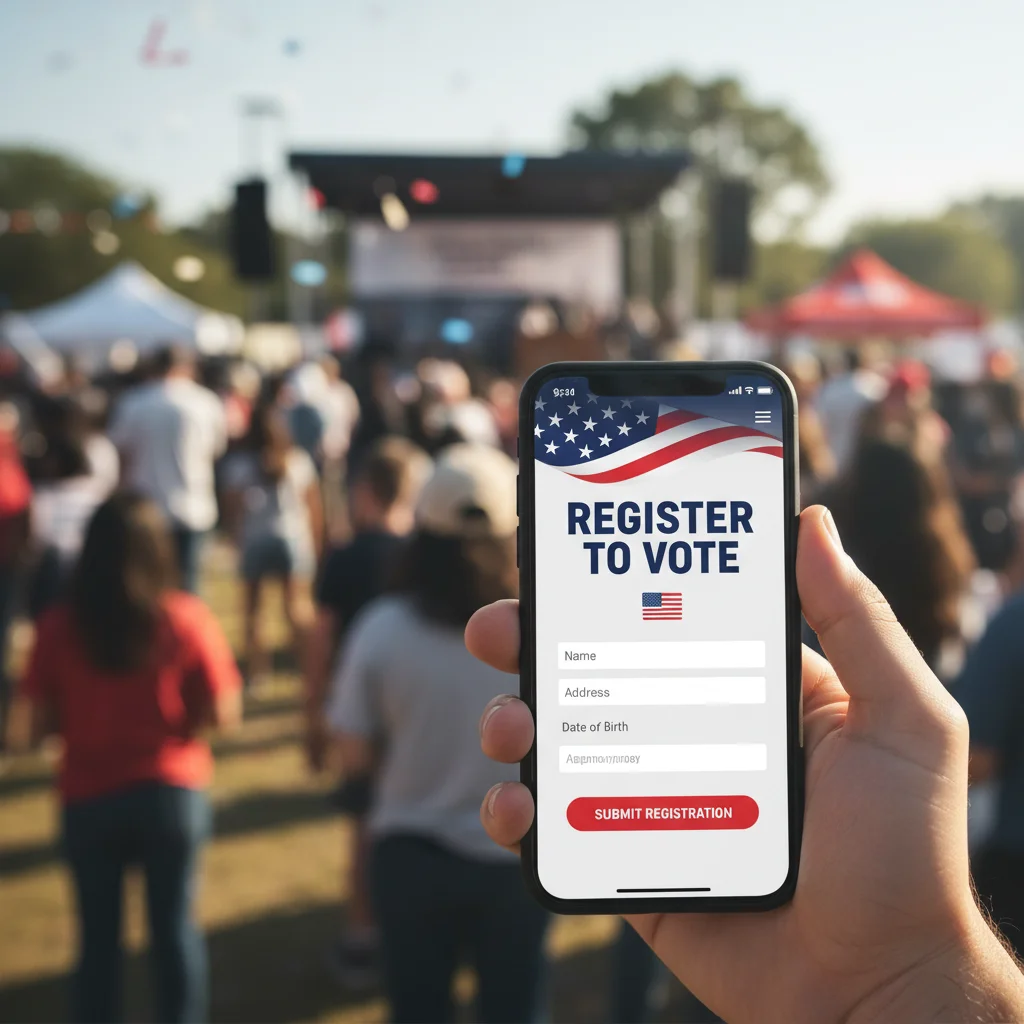
‘Democracy Connect,’ implemented in an East Asian country, revolutionized voter engagement through technological innovation. Recognizing the high smartphone penetration and digital literacy of its population, the campaign developed a comprehensive mobile application that became a one-stop shop for all election-related information. The app allowed users to register to vote, find their polling station using GPS, view candidate profiles (with standardized, non-partisan information), and even receive personalized reminders about election dates and deadlines.
Beyond basic information, ‘Democracy Connect’ incorporated gamification elements, such as quizzes on political knowledge and badges for sharing electoral information with friends. It also integrated with national identification systems to streamline the registration process, reducing bureaucratic hurdles. The campaign actively promoted the app through digital advertising and partnerships with tech companies. By making voting information incredibly accessible and engaging through familiar digital interfaces, ‘Democracy Connect’ played a significant role in boosting national voter turnout by approximately 7.5%, proving the immense potential of digital voter participation campaigns.
Campaign 5: ‘The Senior Vote’ – Engaging Older Demographics
While much attention is often given to engaging young voters, ‘The Senior Vote’ campaign in a Northern European country specifically targeted citizens over the age of 65. This demographic, while often having high turnout rates, can face unique challenges such as mobility issues, difficulties navigating new voting technologies, or feeling overlooked by modern political discourse. The campaign focused on providing personalized assistance and ensuring that voting remained an easy and dignified process for older adults.
Key initiatives included a dedicated helpline for seniors to answer questions about voting procedures, home visits by trained volunteers to assist with absentee ballot applications, and partnerships with senior centers and retirement communities to host informational sessions. The campaign also produced large-print guides to ballots and candidate information, addressing accessibility needs. Messaging highlighted the wisdom and experience of older generations and their crucial role in shaping the nation’s future. This focused approach led to a 6% increase in voter participation among the targeted senior population, demonstrating that effective voter participation campaigns consider all age groups.
Campaign 6: ‘Future Forward’ – Issue-Based Mobilization
The ‘Future Forward’ campaign, active across several states in a diverse federal nation, differentiated itself by focusing heavily on specific, pressing issues that transcended traditional party lines, such as climate action, healthcare reform, and economic inequality. Instead of promoting generic civic duty, it drew direct lines between voting and tangible policy outcomes that would affect people’s daily lives. The campaign utilized powerful storytelling, featuring testimonials from individuals directly impacted by these issues, and explaining how their vote could contribute to positive change.
This campaign organized numerous public forums and debates centered around these key issues, inviting candidates from across the political spectrum to articulate their stances. It also provided comprehensive, easily digestible policy briefs and comparison charts, enabling voters to make informed decisions based on their priorities. ‘Future Forward’ leveraged a strong volunteer network to facilitate discussions in workplaces, community centers, and online forums. By making the connection between specific policy outcomes and the act of voting explicit and compelling, ‘Future Forward’ contributed to an impressive 8% increase in voter participation, particularly among those who felt their concerns were not being addressed, proving the power of issue-driven voter participation campaigns.
Common Threads of Success in Voter Participation Campaigns
While each of these campaigns employed unique strategies tailored to their specific contexts and target demographics, several common themes emerge that are crucial for successful voter participation campaigns:
- Targeted Outreach: Generic ‘vote’ messages often fall flat. Successful campaigns identify specific groups with lower turnout rates and craft messages and methods that resonate with their unique concerns and communication preferences.
- Accessibility and Ease: Reducing logistical barriers (registration, finding polling places, understanding ballots) is paramount. This includes leveraging technology, providing transportation, and offering clear, simple instructions.
- Relevance and Personalization: People are more likely to vote if they understand how political decisions directly impact their lives. Connecting voting to personal issues like jobs, healthcare, environment, or education is highly effective.
- Trust and Credibility: Whether through non-partisan messaging, trusted community leaders, or reputable organizations, building trust is essential. People need to believe that the information they receive is accurate and unbiased.
- Multi-Channel Approach: Relying on a single communication channel is insufficient. The most effective campaigns utilize a mix of digital media, traditional advertising, grassroots organizing, and partnerships to reach a broad and diverse audience.
- Sustained Effort: Voter engagement isn’t a one-off event. Successful campaigns often involve sustained efforts over months, if not years, building momentum and continuously reinforcing the importance of participation.
- Data-Driven Strategies: While not explicitly detailed for each campaign above, underlying most successful efforts is a commitment to understanding voter behavior through data, allowing for refinement of strategies and more effective resource allocation.
Challenges and Future Directions for Voter Participation Campaigns
Despite these successes, challenges remain. The rise of misinformation and disinformation, particularly online, can erode trust and deter participation. Political polarization often makes it harder for non-partisan campaigns to gain traction. Furthermore, legislative changes regarding voting access can either facilitate or hinder efforts to boost turnout. Future voter participation campaigns will need to adapt to these evolving landscapes, potentially incorporating more robust fact-checking initiatives, fostering media literacy, and advocating for policies that expand voting rights.
Moreover, the concept of civic engagement extends beyond just casting a ballot. While increasing voter turnout is a critical goal, true democratic health also involves active participation in local governance, community organizing, and holding elected officials accountable between elections. Future campaigns might increasingly integrate these broader aspects of civic life into their messaging, fostering a more holistic understanding of citizenship.
Conclusion: The Enduring Power of Engaged Citizens
The six national campaigns discussed — ‘My Voice, My Future,’ ‘Vote for Change,’ ‘Every Vote Counts,’ ‘Democracy Connect,’ ‘The Senior Vote,’ and ‘Future Forward’ — collectively demonstrate that significant increases in voter participation are achievable. Their success stories, marked by an impressive 8% rise in some cases, offer a beacon of hope for democracies grappling with declining engagement. By employing targeted, accessible, and relevant strategies, these initiatives have not only brought more citizens to the polls but have also strengthened the fabric of their respective democratic societies.
These examples provide a rich repository of best practices for anyone looking to mobilize voters and foster a more engaged electorate. From leveraging digital platforms to empowering local communities, from non-partisan education to issue-based appeals, the pathways to higher voter participation are diverse but united by a common thread: a deep understanding of citizens’ needs and motivations. As we move forward, the lessons learned from these successful voter participation campaigns will be invaluable in continuing the vital work of building stronger, more representative democracies worldwide.
Ultimately, the health of any democracy rests on the active participation of its citizens. The campaigns highlighted here are not just stories of increased numbers; they are testaments to the enduring power of collective action and the fundamental belief that every voice, when heard, contributes to a more just and equitable society. Continuing to invest in and innovate these types of voter participation campaigns is not merely an option, but a necessity for the future of democratic governance.