Child Care Assistance Programs 2026: Key Updates & Impact on Families

Child Care Assistance Programs in 2026: Recent Updates Affecting Over 1.5 Million Children and Their Families
Understanding the evolving landscape of Child Care Assistance 2026 is crucial for millions of families across the nation. As we step further into the mid-2020s, the importance of accessible, affordable, and high-quality child care has never been more evident. The year 2026 brings with it significant adjustments and enhancements to various child care assistance programs, poised to impact over 1.5 million children and their families directly. These changes are not merely administrative tweaks; they represent a concerted effort to address long-standing challenges in the child care sector, aiming to provide greater stability for working parents, foster early childhood development, and strengthen local economies.
The cost of child care remains a formidable barrier for many households, often rivaling or even exceeding housing expenses in numerous states. This financial strain disproportionately affects low-income families and single-parent households, limiting their ability to participate fully in the workforce and pursue educational opportunities. Recognizing these systemic issues, policymakers and advocacy groups have pushed for comprehensive reforms, culminating in the updates we see taking shape for Child Care Assistance 2026.
This comprehensive guide delves into the specifics of these updates, exploring who is eligible, what new benefits are available, and how families can navigate the application process. We will also examine the broader implications of these changes, from their potential to reduce child poverty to their role in promoting gender equity in the workplace. Our goal is to equip you with the knowledge needed to understand and leverage these vital resources, ensuring that every eligible child has the opportunity to thrive in a supportive and stimulating environment.
The Evolving Landscape of Child Care Funding: Why 2026 Matters
The year 2026 marks a pivotal moment for child care policy. Several factors have converged to necessitate these significant updates. Firstly, the lingering economic effects of recent global events have highlighted the fragility of household budgets, making affordable child care an even more pressing concern. Secondly, an increased understanding of early childhood development underscores the critical importance of high-quality care during a child’s formative years. Investment in early learning is now widely recognized as an investment in future societal well-being and economic productivity.
Key Drivers Behind the 2026 Updates:
- Economic Recovery and Stability: Governments recognize that accessible child care is a cornerstone of economic recovery, allowing parents to return to work or pursue higher education without the constant burden of child care costs.
- Early Childhood Development Research: New research continually reinforces the profound impact of early learning environments on cognitive, social, and emotional development. The 2026 updates aim to integrate these findings into program design, emphasizing quality over mere availability.
- Addressing Workforce Shortages: The child care sector itself has faced significant challenges, including workforce shortages and low wages for providers. Some updates aim to stabilize this workforce, ensuring a sustainable supply of qualified caregivers.
- Equity and Access: A core principle guiding these changes is to enhance equity, ensuring that families from diverse socio-economic backgrounds have equal access to quality Child Care Assistance 2026, regardless of their zip code or income level.
These drivers collectively inform the legislative and programmatic adjustments for Child Care Assistance 2026, aiming for a more robust and equitable system. The changes are not just about providing financial aid; they are about building a resilient ecosystem that supports children, families, and child care providers alike.
Who Qualifies for Child Care Assistance in 2026? Eligibility Criteria Explained
Understanding the eligibility requirements is the first step for families seeking to benefit from the updated Child Care Assistance 2026 programs. While specific criteria can vary by state and locality, the federal guidelines often set a baseline. The 2026 updates aim to expand access, meaning more families might now qualify or receive increased benefits.
General Eligibility Requirements:
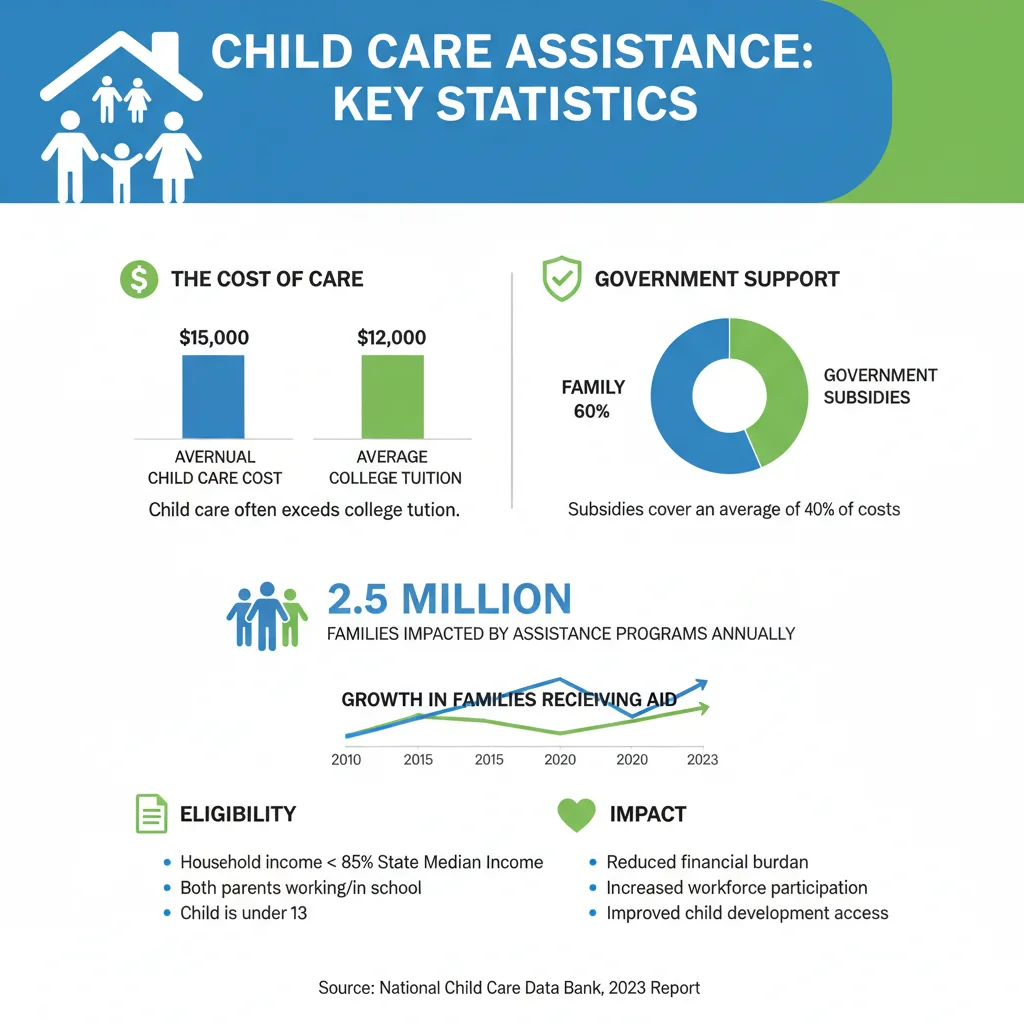
- Income Thresholds: The primary determinant for eligibility is typically household income relative to the federal poverty level (FPL) or state median income (SMI). For 2026, many states are expected to raise these income thresholds, making assistance available to a broader range of middle-income families who previously earned too much to qualify but still struggled with child care costs.
- Work or Education Requirements: Most programs require parents or guardians to be working, seeking employment, or enrolled in an educational or vocational training program. There might be new flexibility or expanded definitions for these requirements to accommodate diverse family structures and circumstances.
- Child’s Age: Eligibility is generally for children from birth through age 12, or up to age 18 for children with special needs. The 2026 updates may include specific provisions for infants and toddlers, recognizing the higher costs associated with their care.
- Residency: Applicants must typically be residents of the state or jurisdiction where they are applying for assistance.
- Citizenship/Immigration Status: While federal programs often have citizenship or eligible immigration status requirements, some state and local programs may offer assistance regardless of status, particularly for the child.
It’s crucial for families to check the specific requirements of their state and local child care agencies, as these can differ significantly. Many states now offer online portals or simplified application processes to make it easier for families to determine their eligibility and apply for Child Care Assistance 2026.

New Benefits and Enhanced Support for Families in 2026
The updates for Child Care Assistance 2026 are designed to offer more than just financial relief; they aim to enhance the quality and accessibility of care. Families can anticipate a range of new benefits and improvements to existing support structures.
Key Enhancements Include:
- Increased Subsidy Amounts: Many states are slated to increase the per-child subsidy rates, which helps cover a larger portion of child care costs. This means families will pay less out-of-pocket, or providers will receive more compensation, potentially leading to higher quality care.
- Expanded Provider Options: Efforts are underway to broaden the types of child care providers that can accept subsidies. This might include more home-based care options, summer camps, or after-school programs, giving families greater flexibility and choice.
- Focus on Quality Improvements: A significant portion of the new funding is earmarked for initiatives that improve the quality of child care. This includes professional development for caregivers, curriculum enhancements, and facility upgrades. Families using Child Care Assistance 2026 can expect access to higher-rated programs.
- Simplified Application Processes: Recognizing the administrative burden on families, many systems are being streamlined. This could involve unified online applications, reduced paperwork, and faster processing times, making it easier for families to access the support they need.
- Support for Children with Special Needs: Specific provisions are being strengthened to ensure that children with disabilities or special needs receive appropriate and inclusive care, with funding allocated for specialized training and adaptive resources.
- Mental Health Support: A growing understanding of the importance of mental health has led to the inclusion of provisions for mental health support services within child care settings, benefiting both children and caregivers.
These enhancements collectively represent a more holistic approach to child care, recognizing that effective support extends beyond mere financial aid. The goal is to create an environment where children can thrive, and parents can pursue their goals with peace of mind.
Navigating the Application Process for Child Care Assistance 2026
Applying for child care assistance can sometimes feel daunting, but with the 2026 updates, many jurisdictions are working to simplify the process. Being prepared with the right information and understanding the steps involved can significantly ease the experience.
Steps to Apply for Child Care Assistance 2026:
- Identify Your Local Agency: Start by contacting your state’s Child Care and Development Fund (CCDF) agency or your local county social services department. These agencies are typically responsible for administering child care assistance programs. Their websites will provide detailed information specific to your area.
- Review Eligibility Requirements: Before gathering documents, carefully review the updated eligibility criteria for 2026. Pay close attention to income thresholds, work/education requirements, and any specific rules for your family’s situation.
- Gather Required Documentation: You will likely need to provide proof of income (pay stubs, tax returns), proof of residency (utility bills), proof of identity for all household members (driver’s licenses, birth certificates), and documentation related to your work or education status (employer verification, school enrollment). For children, immunization records and birth certificates are often required.
- Complete the Application: Many states now offer online applications, which are often faster and more convenient. Some may still require paper applications. Fill out all sections accurately and completely to avoid delays.
- Attend Any Required Interviews: Some programs may require an interview with a case worker to review your application and discuss your family’s needs. Be prepared to answer questions and provide additional information if requested.
- Choose a Child Care Provider: Once approved, you will typically receive a voucher or subsidy that can be used at an eligible child care provider. Your local agency can provide a list of approved providers in your area. It’s important to choose a provider that meets your family’s needs and preferences.
- Maintain Eligibility: Remember that eligibility is often reviewed periodically. Be sure to report any changes in income, employment, or family size to your local agency to ensure continued assistance.
Don’t hesitate to reach out to your local child care resource and referral agency (CCR&R) for personalized guidance and support throughout this process. They are invaluable resources for families seeking Child Care Assistance 2026.
The Broader Impact: How Child Care Assistance 2026 Strengthens Communities
The ripple effects of robust child care assistance programs extend far beyond individual families. The updates for Child Care Assistance 2026 are designed with a broader societal impact in mind, aiming to strengthen communities on multiple fronts.
Societal Benefits Include:
- Economic Growth: By enabling parents to work, child care assistance boosts workforce participation and productivity. This leads to increased tax revenues, reduced reliance on other social safety nets, and a more vibrant local economy.
- Reduced Poverty: Affordable child care is a powerful tool in breaking the cycle of poverty. It allows low-income families to stabilize their finances, invest in their children’s future, and achieve greater economic mobility.
- Improved Educational Outcomes: Children who attend high-quality early learning programs are more likely to succeed in school, graduate, and pursue higher education. This foundational support provided by Child Care Assistance 2026 contributes to a more educated and skilled future workforce.
- Enhanced Parental Well-being: Knowing their children are in a safe and nurturing environment reduces parental stress and improves overall mental health. This, in turn, can lead to more stable family environments.
- Gender Equity: Child care responsibilities often fall disproportionately on women. By making child care more accessible and affordable, these programs help level the playing field, allowing more women to pursue careers and leadership roles.
- Stronger Child Care Sector: Increased funding and stability for child care providers can lead to better wages for caregivers, reduced turnover, and higher quality care environments, creating a virtuous cycle of improvement.
These benefits highlight that investment in Child Care Assistance 2026 is not merely an expenditure but a strategic investment in human capital and community prosperity. The long-term returns on such investments are substantial, fostering a healthier, more equitable, and economically vibrant society.
Challenges and Future Outlook for Child Care Assistance in 2026 and Beyond
While the updates to Child Care Assistance 2026 are overwhelmingly positive, it’s important to acknowledge that challenges persist. The child care system is complex, and achieving universal access to high-quality, affordable care remains a long-term goal.
Ongoing Challenges:
- Funding Sustainability: Ensuring consistent and sufficient funding for these expanded programs will be an ongoing challenge, requiring sustained political will and economic stability.
- Workforce Development: Attracting and retaining qualified child care professionals remains critical. While some updates address this, more comprehensive solutions for fair wages and benefits are needed.
- Equitable Distribution: Ensuring that assistance reaches all eligible families, particularly those in rural or underserved areas, requires careful planning and outreach.
- Measuring Impact: Continuously evaluating the effectiveness of these programs and making data-driven adjustments is essential for long-term success.
- Navigating State-Specific Variations: While federal guidelines exist, the significant variations in state-level implementation can create confusion and disparities in access and benefits.
Despite these challenges, the outlook for Child Care Assistance 2026 and beyond is optimistic. The increased awareness of child care’s importance, coupled with bipartisan efforts in many areas, suggests a continued trajectory towards a more supportive and accessible system. Technological advancements may also play a role in streamlining administration and connecting families with providers more efficiently.
Advocacy groups, policymakers, and communities must continue to collaborate to build on the momentum of the 2026 updates. This includes advocating for predictable, long-term funding, supporting innovative solutions for provider training and retention, and ensuring that the voices of families and caregivers are central to policy discussions.
Conclusion: A Brighter Future for Families with Child Care Assistance 2026
The updates to Child Care Assistance 2026 represent a significant step forward in supporting over 1.5 million children and their families. By expanding eligibility, increasing benefits, simplifying application processes, and focusing on quality improvements, these programs are poised to make a profound difference in the lives of countless households. They address not only the immediate financial burdens of child care but also contribute to the long-term educational, economic, and social well-being of individuals and communities.
For families grappling with child care costs, understanding these changes and actively seeking out available assistance is more important than ever. The resources are there, and the system is evolving to be more responsive to your needs. This is an opportune moment to explore the support available and ensure your children receive the high-quality care they deserve, allowing you to pursue your own professional and personal aspirations.
As we move forward, the commitment to strengthening child care remains a critical priority. The collaborative efforts of government agencies, community organizations, child care providers, and families themselves will continue to shape a future where every child has the best possible start in life, and every parent has the support they need to thrive. The journey towards a truly universal and equitable child care system is ongoing, but the strides made with Child Care Assistance 2026 bring us considerably closer to that vision.
Key Takeaways for Families:
- Check Eligibility: Even if you didn’t qualify before, new income thresholds for Child Care Assistance 2026 might make you eligible.
- Explore New Benefits: Be aware of increased subsidy amounts and expanded provider options.
- Utilize Resources: Your local Child Care Resource and Referral agency is a valuable partner in navigating the system.
- Advocate: Your voice matters in shaping future child care policies.
By leveraging these updated programs, families can achieve greater stability, children can access enriching early learning experiences, and communities can reap the benefits of a stronger, more supported populace. The future of child care is looking brighter, and Child Care Assistance 2026 is a testament to that progress.