Citizen Science US 2026: Engaging Public for Social Impact
Citizen Science US 2026: Engaging Public for Social Impact
The landscape of scientific research in the United States is undergoing a profound transformation, driven by an increasingly engaged and empowered public. By 2026, the concept of Citizen Science US will not merely be a niche academic pursuit but a cornerstone of national innovation and social progress. This movement, where ordinary citizens contribute to scientific data collection, analysis, and discovery, is democratizing science, fostering scientific literacy, and yielding invaluable insights into complex global challenges.
From monitoring climate change impacts to tracking biodiversity, and from advancing medical research to mapping urban acoustics, citizen scientists are becoming indispensable partners in the scientific endeavor. This article delves into the burgeoning role of Citizen Science US by 2026, exploring its multifaceted benefits, the technological advancements fueling its growth, the challenges it faces, and its immense potential for driving social impact across the nation.
The Evolution of Citizen Science in the US: A Historical Perspective
While the term ‘citizen science’ might seem contemporary, its roots run deep in the history of scientific discovery. Early naturalists, astronomers, and meteorologists often relied on observations from a wide network of amateur enthusiasts. Think of the Audubon Society’s bird counts dating back over a century, or weather observations compiled by volunteers during the early days of meteorology. These foundational efforts laid the groundwork for what we now recognize as organized Citizen Science US initiatives.
However, the modern explosion of citizen science is inextricably linked to technological advancements. The advent of the internet, smartphones, and sophisticated data collection platforms has dramatically lowered the barriers to participation. What once required specialized equipment and extensive training can now often be accomplished with a readily available smartphone and a few simple instructions. This accessibility has broadened the appeal and reach of citizen science, transforming it from a niche activity into a mainstream phenomenon.
In the US, government agencies like NASA, NOAA, and the EPA, alongside numerous universities and non-profit organizations, have increasingly embraced citizen science as a vital tool for data collection and public engagement. This institutional support has provided legitimacy, funding, and infrastructure, propelling Citizen Science US into a new era of growth and influence. As we approach 2026, this trend is only set to accelerate, with more sophisticated projects and broader public involvement.
Driving Social Impact: How Citizen Science is Making a Difference
The core promise of Citizen Science US lies in its capacity to generate tangible social impact. By engaging the public directly in research, these initiatives address critical societal issues, empower communities, and foster a more informed citizenry. Here’s how:
Environmental Stewardship and Conservation
Perhaps one of the most visible areas of impact is environmental monitoring and conservation. Citizen scientists across the US are contributing to vital datasets on air quality, water pollution, biodiversity, and climate change. Projects like eBird, iNaturalist, and various water quality monitoring programs rely heavily on public participation to gather data at scales that would be impossible for professional scientists alone. This data informs policy decisions, identifies environmental threats, and helps in the protection of endangered species and habitats. For instance, communities concerned about local water quality can actively participate in collecting samples, providing immediate, localized data that can spur action from local authorities. This direct involvement not only collects data but also builds a sense of ownership and responsibility among participants, strengthening local environmental stewardship.
Public Health and Well-being
The health sector is another burgeoning area for Citizen Science US. From tracking disease outbreaks to monitoring environmental health hazards, citizens are playing a crucial role. Projects that gather data on pollen counts, mosquito populations, or even personal health metrics (with appropriate privacy safeguards) can provide epidemiologists and public health officials with valuable insights. During public health crises, citizen science can mobilize rapid data collection, helping to understand disease spread and impact. Furthermore, engaging communities in health research can lead to more culturally relevant interventions and a greater understanding of health disparities, ultimately contributing to a healthier nation.
Disaster Preparedness and Response
In the face of increasing natural disasters, citizen science offers a powerful tool for preparedness and response. Volunteers can collect real-time data on flood levels, storm damage, or earthquake impacts, providing critical information to emergency responders and decision-makers. Projects like those mapping damage after hurricanes or tracking wildfire spread leverage distributed networks of observers to provide comprehensive situational awareness. This rapid, localized data can save lives and improve the efficiency of relief efforts, showcasing the immediate and profound social impact of engaged citizens.
Education and Scientific Literacy
Beyond data collection, one of the most significant long-term impacts of Citizen Science US is its role in promoting STEM education and scientific literacy. When individuals participate in scientific research, they develop critical thinking skills, learn about the scientific method, and gain a deeper appreciation for the complexities of scientific inquiry. This hands-on learning experience is particularly powerful for students, inspiring the next generation of scientists and innovators. For adults, it demystifies science, making it more accessible and relevant to their daily lives, thereby fostering a more scientifically literate populace capable of making informed decisions about complex issues.
Technological Advancements Fueling Growth in Citizen Science US
The rapid expansion and increasing sophistication of Citizen Science US are intrinsically linked to advancements in technology. These tools have democratized access to scientific investigation, making participation easier, more accurate, and more engaging than ever before.
Mobile Applications and Smartphones
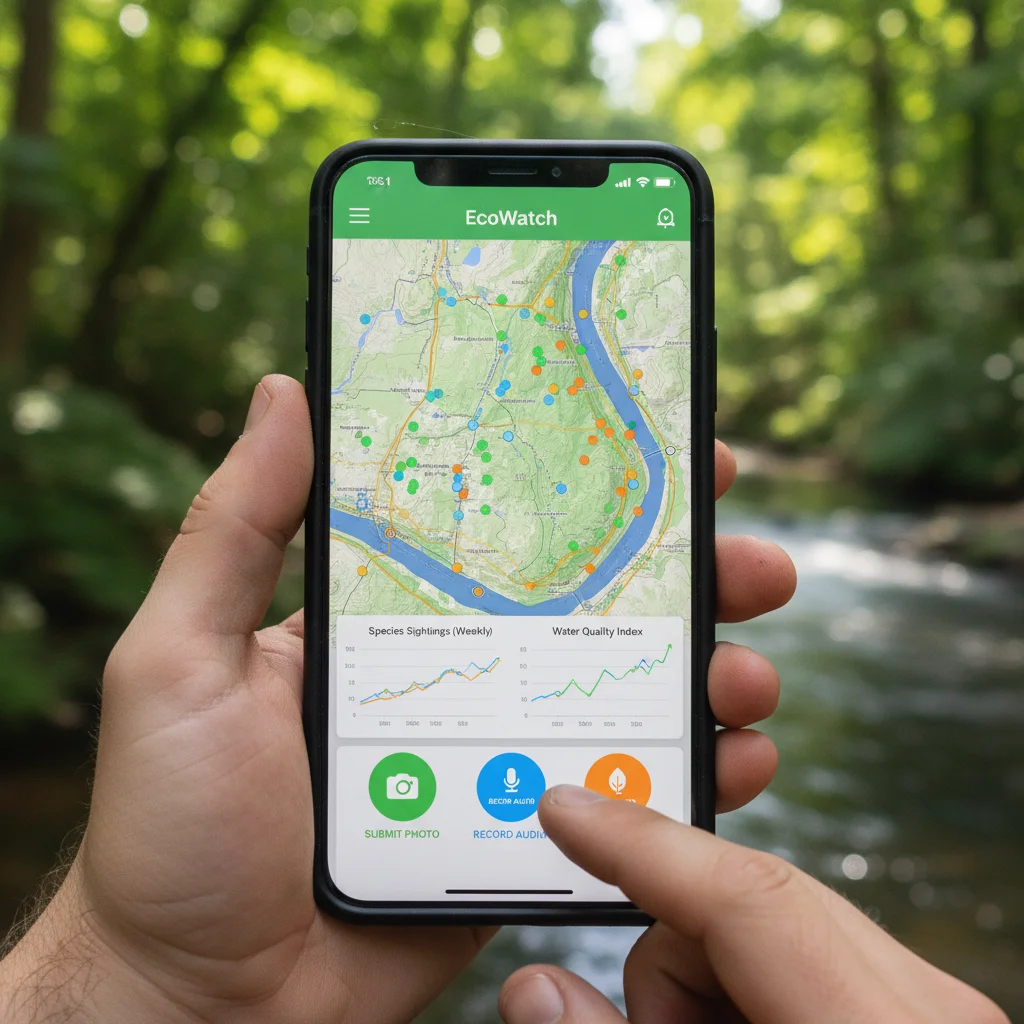
The ubiquitous smartphone has become the quintessential tool for citizen scientists. Mobile applications allow users to record observations, capture images, GPS tag locations, and upload data directly to central databases with unprecedented ease. These apps often include built-in guides, identification tools, and educational content, simplifying the process for new participants. The continuous development of user-friendly interfaces and robust backend systems ensures that data collected via smartphones is reliable and valuable for scientific analysis. This accessibility means that virtually anyone with a smartphone can become a contributor to scientific research, expanding the reach of projects exponentially.
Open-Source Platforms and Cloud Computing
The rise of open-source software and cloud computing has provided citizen science projects with scalable and cost-effective infrastructure. Researchers can leverage open platforms to build custom data collection tools, manage large datasets, and collaborate with volunteers globally. Cloud computing offers the storage and processing power necessary to handle the vast amounts of data generated by thousands, or even millions, of citizen scientists. This infrastructure supports complex analyses and allows for real-time data visualization, making the results of citizen science efforts more immediate and impactful.
Artificial Intelligence and Machine Learning
AI and machine learning are revolutionizing how citizen science data is processed and analyzed. These technologies can help in validating data, identifying patterns, and even automating certain aspects of data interpretation. For example, AI can assist in identifying species from images or sounds submitted by volunteers, significantly speeding up the validation process and reducing the burden on expert scientists. Machine learning algorithms can also be used to identify anomalies or interesting trends in large datasets, guiding further research. This integration of AI not only enhances the scientific rigor of citizen science but also makes it possible to tackle even more ambitious projects.
Geographic Information Systems (GIS) and Mapping Tools
GIS technology plays a critical role in visualizing, analyzing, and interpreting spatially referenced citizen science data. Interactive maps allow participants to see their contributions in context and understand the broader patterns emerging from collective efforts. Researchers use GIS to identify hotspots of environmental concern, track species migration, or map the spread of diseases. The ability to overlay citizen-collected data with other geographic information provides powerful insights and facilitates informed decision-making for conservation, urban planning, and public health initiatives. The visual nature of GIS also serves as a powerful engagement tool, making scientific data more accessible and compelling to the public.
Challenges and Opportunities for Citizen Science US by 2026
While the trajectory for Citizen Science US is overwhelmingly positive, its continued growth and impact hinge on addressing several key challenges and capitalizing on emerging opportunities.
Data Quality and Validation
One of the persistent concerns in citizen science is data quality. While volunteers are enthusiastic, they may lack the specialized training of professional scientists. Ensuring the accuracy and reliability of citizen-collected data is paramount for its scientific validity. Projects employ various strategies to mitigate this, including robust training modules, user-friendly interfaces with built-in checks, peer review systems, and the use of AI for anomaly detection. Ongoing research into best practices for data validation will be crucial to maintaining the scientific integrity of citizen science initiatives.
Participant Engagement and Retention
Sustaining participant engagement over the long term can be challenging. Initial enthusiasm might wane without continued motivation, feedback, and a clear understanding of the project’s impact. Successful projects often incorporate gamification, social interaction features, and clear communication channels to keep volunteers invested. Recognizing and celebrating contributions, providing regular updates on findings, and demonstrating the real-world impact of their efforts are key to fostering a dedicated community of citizen scientists.
Inclusivity and Equity
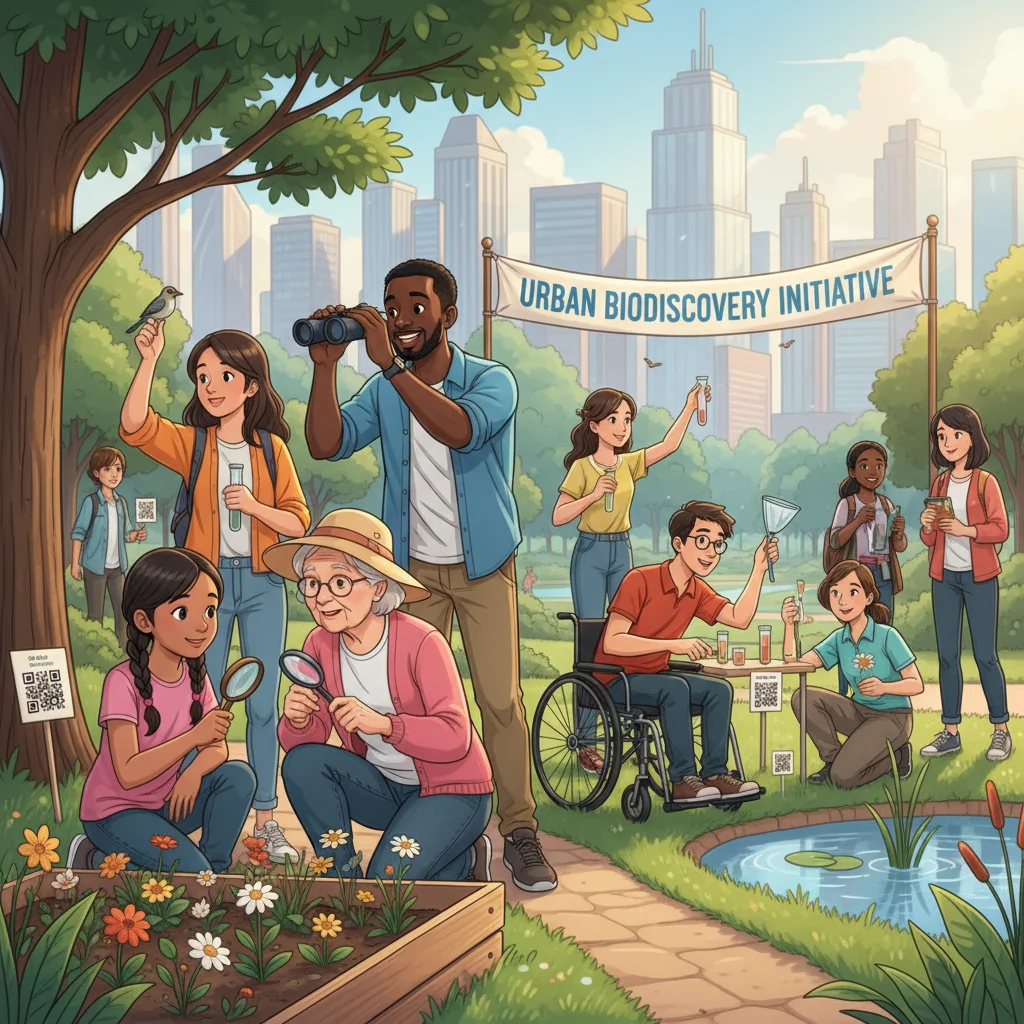
To truly maximize its social impact, Citizen Science US must strive for greater inclusivity and equity. Ensuring that projects are accessible to diverse populations, including underserved communities, individuals with disabilities, and non-English speakers, is essential. This involves designing culturally sensitive projects, providing multilingual resources, and addressing potential digital divides. By actively engaging a broader spectrum of society, citizen science can ensure that its benefits are widely distributed and that the research reflects a wider range of perspectives and needs.
Funding and Institutional Support
The growth of citizen science requires sustained funding for project development, infrastructure, training, and outreach. While volunteer labor is a core component, professional coordination, data management, and scientific analysis still require financial resources. Increased recognition of citizen science by funding agencies, philanthropic organizations, and government bodies will be vital for its continued expansion and the establishment of long-term, impactful programs. Institutional support from universities and research institutions, including integrating citizen science into research curricula, will also be critical.

Case Studies: Exemplary Citizen Science US Projects
To illustrate the power and versatility of Citizen Science US, let’s look at a few notable examples that highlight its diverse applications and significant contributions.
Project BudBurst: Tracking Climate Change Impacts
Project BudBurst engages volunteers across the US to observe and record the timing of leafing, flowering, and fruiting of plants throughout the year. This phenological data helps scientists understand how plant life cycles are responding to changes in climate. By collecting data over a wide geographic area and extended periods, citizen scientists provide crucial information that informs climate change models and conservation strategies. The simplicity of the observations makes it accessible to all ages, from schoolchildren to retirees, fostering a broad understanding of ecological processes and climate change.
Zooniverse: A Universe of Opportunities
Zooniverse is one of the world’s largest and most popular platforms for citizen science, hosting a vast array of projects across multiple disciplines, from astronomy to humanities. Volunteers classify galaxies, transcribe historical documents, identify animals in camera trap images, and much more. The platform’s intuitive design and diverse project offerings attract millions of participants globally, demonstrating the power of collective intelligence to analyze massive datasets that would be impossible for small teams of researchers to process alone. Its success highlights the scalability of digital citizen science.
The Great Backyard Bird Count: A Snapshot of Bird Populations
Organized by the Cornell Lab of Ornithology and the National Audubon Society, the Great Backyard Bird Count (GBBC) is an annual event that mobilizes bird enthusiasts to count birds in their local areas. This four-day event provides a snapshot of bird populations across the continent, helping scientists track changes in bird distribution and abundance. The cumulative data from decades of GBBC counts is invaluable for understanding avian ecology, identifying conservation priorities, and assessing the health of ecosystems. It’s a testament to how simple, coordinated actions by many individuals can yield significant scientific insights.
Foldit: Crowd-Sourcing Protein Folding
Moving into more complex scientific challenges, Foldit is an online puzzle video game that allows players to contribute to real scientific research on protein folding. Proteins are fundamental to life, and understanding their three-dimensional structures is crucial for drug discovery and disease research. Players manipulate virtual protein structures, and their collective problem-solving abilities have successfully predicted structures that baffled supercomputers, leading to actual scientific publications and advances in medicine. This project showcases how citizen science can tap into human intuition and spatial reasoning to solve problems that are computationally intensive.
The Future of Citizen Science US: Vision 2026 and Beyond
Looking ahead to 2026, the trajectory for Citizen Science US is one of continued growth, integration, and increasing sophistication. Several key trends are expected to shape its future:
Further Integration with Formal Research
Citizen science will become even more deeply integrated into formal scientific research paradigms. Universities and research institutions will increasingly embed citizen science components into grant proposals and research programs, recognizing its value for data collection, public engagement, and broader societal impact. This integration will lead to more robust methodologies, better data management, and greater recognition of citizen scientists’ contributions in peer-reviewed publications.
Emphasis on Community-Led Initiatives
While many projects are still initiated by professional scientists, there will be a growing emphasis on community-led citizen science. Empowering local communities to identify their own research questions, design projects, and collect data relevant to their specific needs will foster greater ownership and ensure that research directly addresses local concerns. This bottom-up approach will strengthen community resilience and drive hyper-local social impact.
Advanced Training and Skill Development
As projects become more complex, there will be a greater need for advanced training and skill development for citizen scientists. This could involve online courses, workshops, and certification programs that equip volunteers with more specialized knowledge and technical skills, enabling them to contribute to higher-level scientific tasks. This will also create pathways for citizen scientists to transition into professional scientific roles or further their education.
Ethical Considerations and Data Governance
With the increasing volume and sensitivity of data collected by citizen scientists, ethical considerations and robust data governance frameworks will become paramount. This includes ensuring data privacy, intellectual property rights, and responsible data sharing. Clear guidelines and transparent practices will build trust and ensure that citizen science remains a force for good. Discussions around fair compensation or recognition for significant contributions by citizen scientists may also emerge.
Policy Influence and Advocacy
The insights generated by Citizen Science US will increasingly inform public policy and advocacy efforts. As policymakers recognize the credibility and scope of citizen-collected data, it will become a more influential tool for driving evidence-based decision-making in areas such as environmental regulation, urban planning, and public health. Citizen scientists, empowered by their contributions, may also become more vocal advocates for scientific issues, bridging the gap between science and policy.
Conclusion
By 2026, Citizen Science US will have firmly established itself as an indispensable pillar of the nation’s scientific enterprise and a powerful engine for social change. It represents a fundamental shift in how science is conducted, moving from an exclusive domain of experts to a collaborative endeavor involving millions of engaged citizens. Through its capacity to generate vast amounts of data, foster scientific literacy, address pressing societal challenges, and empower communities, citizen science is not just augmenting traditional research; it is transforming it.
The synergistic relationship between technological innovation, growing public awareness, and institutional support will continue to propel this movement forward. As we navigate the complex challenges of the 21st century, from climate change to public health crises, the collective intelligence and dedication of citizen scientists will be more vital than ever. The future of science in the US is undeniably collaborative, inclusive, and deeply intertwined with the active participation of its citizens, forging a path toward a more informed, resilient, and scientifically engaged society.