
TANF Benefits 2026: A Comprehensive Guide to New State Flexibility and How It Impacts Your Family Support
The Temporary Assistance for Needy Families (TANF) program has been a cornerstone of federal assistance for vulnerable families since its inception. As we approach 2026, significant discussions and potential reforms are on the horizon, promising a new era of state flexibility and tailored family support. Understanding these impending changes to TANF Benefits 2026 is crucial for families, policymakers, and service providers alike. This comprehensive guide will delve into the anticipated shifts, exploring how increased state autonomy might reshape the landscape of welfare programs and what this means for the support systems available to those in need.
For decades, TANF has provided block grants to states to design and operate programs that accomplish one of four goals: providing assistance to needy families so that children can be cared for in their own homes or in the homes of relatives; ending the dependence of needy parents on government benefits by promoting job preparation, work, and marriage; preventing and reducing the incidence of out-of-wedlock pregnancies; and encouraging the formation and maintenance of two-parent families. While the core objectives remain steadfast, the mechanisms through which these goals are achieved are constantly evolving. The year 2026 is poised to bring about a pivotal moment, with a renewed emphasis on empowering states to innovate and adapt their programs to better suit the unique needs of their populations.
The concept of ‘state flexibility’ isn’t new to TANF, but the degree to which it might be expanded in 2026 could be transformative. This article will explore the potential policy shifts, the rationale behind them, and the expected outcomes for families navigating economic hardship. We’ll examine how these changes could influence everything from eligibility criteria and benefit levels to the types of services offered, such as job training, childcare assistance, and housing support. Our aim is to provide a clear, detailed, and forward-looking perspective on TANF Benefits 2026, ensuring you are well-informed about what to expect and how to prepare for these significant developments.
The Evolution of TANF: A Brief History and Current Landscape
To fully grasp the implications of TANF Benefits 2026, it’s essential to understand the program’s origins and its journey. TANF was created by the Personal Responsibility and Work Opportunity Act of 1996, replacing the Aid to Families with Dependent Children (AFDC) program. This shift marked a fundamental change in welfare policy, moving from an entitlement program to a block grant system with work requirements and time limits. The primary goal was to promote self-sufficiency and reduce long-term dependence on government assistance.
Since its inception, TANF has undergone various reauthorizations and adjustments, each reflecting the evolving economic and social landscape of the United States. States receive a fixed block grant of approximately $16.5 billion annually, along with supplemental grants for specific purposes. This funding structure provides states with considerable discretion in how they allocate funds, but also comes with federal requirements, such as work participation rates and limitations on how funds can be used. The current landscape is characterized by a wide variation in TANF programs across states, with differing benefit levels, eligibility rules, and service offerings.
However, critics often point to the declining value of the TANF block grant due to inflation, the decreasing proportion of eligible families receiving assistance, and the diversion of funds to non-cash assistance programs that may not directly benefit the poorest families. These concerns have fueled calls for reform, leading to the discussions surrounding TANF Benefits 2026. The push for greater state flexibility is often framed as a way to address these challenges, allowing states to innovate and create more effective, targeted programs that respond to local needs.
Understanding this historical context is vital because the anticipated changes in 2026 are not occurring in a vacuum. They are a response to decades of experience with TANF, both its successes and its shortcomings. The goal is to build upon the program’s strengths while addressing its weaknesses, ultimately aiming to create a more responsive and impactful system of family support.
The Core Concept: What Does “New State Flexibility” Mean for TANF in 2026?
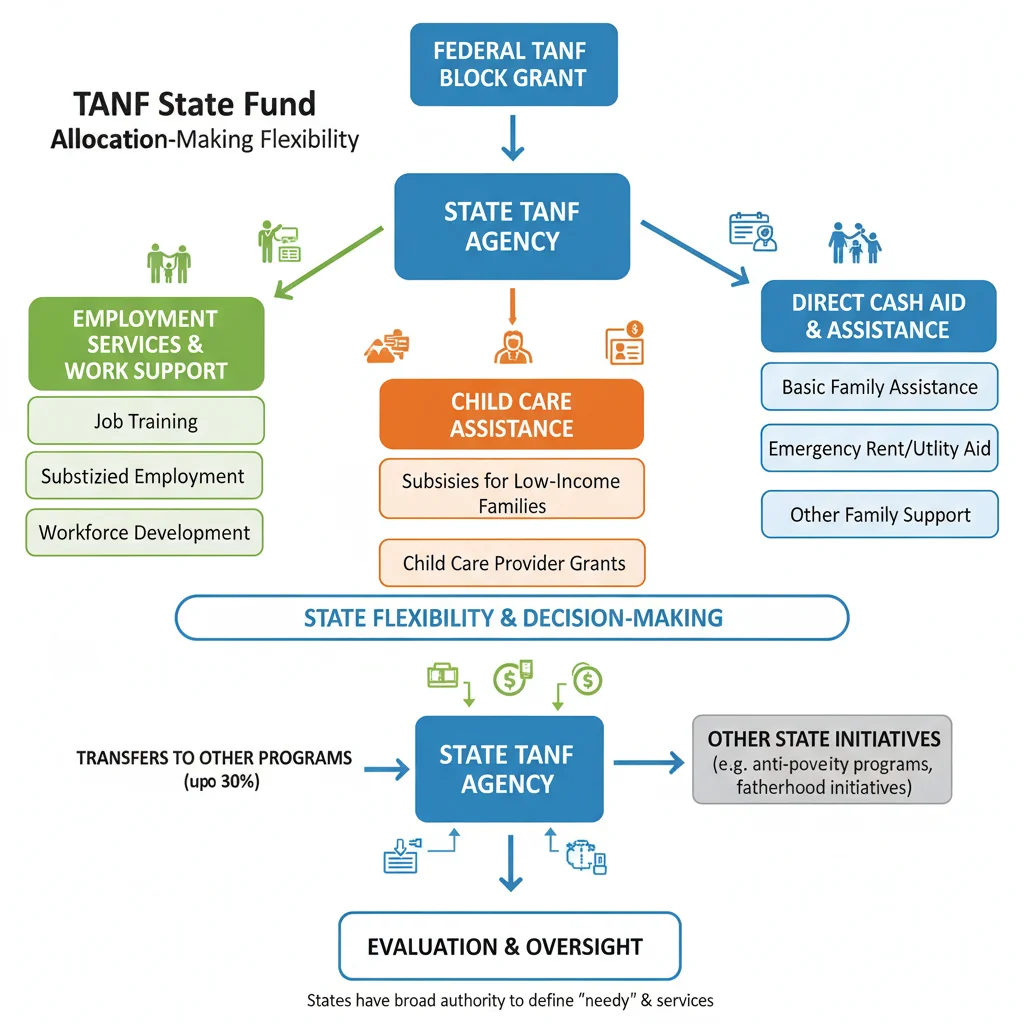
The phrase “new state flexibility” is at the heart of the proposed changes for TANF Benefits 2026. But what does this truly entail? In essence, it refers to a potential loosening of federal restrictions and an expansion of state authority in designing and implementing their TANF programs. This could manifest in several key areas:
1. Broader Use of Funds:
Currently, states must adhere to specific categories for spending TANF funds. Increased flexibility might allow states to allocate funds to a wider range of services and initiatives that they deem most effective for their populations. This could include more robust investments in mental health services, substance abuse treatment, early childhood education, or even innovative programs addressing the root causes of poverty unique to their communities, beyond the traditional work-first approach. For example, a state with a high prevalence of opioid addiction might be able to direct more TANF funds towards comprehensive recovery programs that integrate job training and family counseling.
2. Tailored Work Requirements:
Federal law mandates specific work participation rates for TANF recipients. While these requirements are designed to promote self-sufficiency, they can sometimes be rigid and not always aligned with individual circumstances. New flexibility could allow states to design more nuanced work requirements that better accommodate individuals facing barriers to employment, such as disabilities, caregiving responsibilities, or lack of access to transportation and childcare. This might involve expanding the types of activities that count towards work requirements or allowing for greater exemptions based on individual needs assessments. The aim is to make work requirements more effective and less punitive, focusing on sustainable employment rather than simply meeting a quota.
3. Customized Time Limits:
Federal law imposes a 60-month (five-year) lifetime limit on the receipt of federal TANF funds. States have some ability to exempt a portion of their caseload from this limit, but increased flexibility could grant them more autonomy in setting and managing time limits. This might involve allowing states to extend benefits for individuals actively pursuing education or training, or for those facing extraordinary circumstances. The goal would be to ensure that time limits serve as an incentive for self-sufficiency without creating undue hardship for families genuinely striving to improve their situations.
4. Streamlined Administrative Processes:
Federal reporting and administrative requirements can be burdensome for states. New flexibility could lead to simplified reporting structures and reduced administrative overhead, allowing states to dedicate more resources directly to program services rather than paperwork. This would free up valuable personnel and financial resources that could be reinvested into direct aid or support services for families.
The rationale behind this push for greater state flexibility is often rooted in the belief that states are better positioned to understand the unique challenges and opportunities within their borders. A one-size-fits-all federal approach, proponents argue, can be inefficient and ineffective. By empowering states, the hope is to foster innovation, encourage evidence-based practices, and ultimately create more impactful and responsive programs that better serve the diverse needs of families across the nation. This shift represents a significant philosophical underpinning for the future of TANF Benefits 2026.
Impact on Eligibility and Benefit Levels for TANF Benefits 2026
One of the most critical aspects of any welfare reform is its impact on who qualifies for assistance and how much support they receive. With increased state flexibility, TANF Benefits 2026 could see significant variations in eligibility criteria and benefit levels across different states. While federal guidelines will still provide a baseline, states may have greater leeway to define what constitutes a ‘needy family’ and how best to distribute available funds.
Potential Changes to Eligibility:
- Income Thresholds: States might gain more power to adjust income eligibility thresholds, potentially allowing more working-poor families to qualify for some level of assistance, or conversely, tightening restrictions in states facing budget constraints.
- Asset Limits: Current asset limits can sometimes be a barrier for families trying to save for emergencies or education. Increased flexibility could allow states to raise these limits, encouraging savings without disqualifying families from essential aid.
- Family Composition Rules: States might be able to adapt rules regarding who constitutes a ‘family unit’ for TANF purposes, potentially expanding support to broader kinship care arrangements or non-traditional family structures.
- Specific Program Requirements: Beyond general income and asset tests, states could implement more specific requirements tied to participation in certain educational programs, job training, or parental engagement activities, tailored to their local economic and social goals.
Potential Changes to Benefit Levels:
TANF cash benefit levels have historically been low and have not kept pace with inflation in many states. With new flexibility, states might:
- Adjust Cash Assistance: Some states might choose to increase cash assistance levels to provide more meaningful support, especially if they can justify it through innovative program designs that demonstrate improved outcomes. Other states might reallocate funds to non-cash benefits or services, leading to stagnant or even reduced cash aid.
- Focus on Non-Cash Benefits: States could prioritize investments in non-cash benefits such as housing assistance, transportation vouchers, or direct payments for childcare, believing these forms of support are more effective in addressing specific barriers to self-sufficiency. This could mean a shift away from direct cash payments in some areas.
- Incentive-Based Programs: Flexibility might allow states to experiment with incentive-based models, where families receive higher benefits or additional support for achieving specific milestones, such as completing a training program or maintaining stable employment.
It’s important to note that increased state flexibility can be a double-edged sword. While it offers the potential for tailored, effective programs, it also carries the risk of widening disparities in support across states. Families moving between states might find themselves subject to vastly different rules and benefit structures. Advocacy groups will likely play a crucial role in monitoring these changes to ensure that flexibility does not inadvertently lead to a race to the bottom in terms of welfare provisions.
How New Flexibility Impacts Family Support Programs and Services
The ripple effects of increased state flexibility under TANF Benefits 2026 will extend far beyond just eligibility and benefit amounts. They will fundamentally reshape the types of family support programs and services available to communities. This presents both opportunities for innovation and challenges in ensuring equitable access.
Opportunities for Innovation:
- Integrated Service Delivery: States could develop more integrated service models, combining TANF with other programs like SNAP, Medicaid, and housing assistance under a single point of entry. This would simplify the application process for families and ensure more holistic support. For instance, a family seeking TANF might also automatically be screened for housing vouchers and nutritional assistance, streamlining their access to multiple forms of aid.
- Targeted Interventions: With greater control over funding, states can design highly targeted interventions for specific populations, such as single mothers returning to the workforce, youth aging out of foster care, or families affected by the opioid crisis. This allows for specialized programs that address unique barriers.
- Community-Based Partnerships: Flexibility could encourage states to forge stronger partnerships with local non-profits, community organizations, and faith-based groups. These organizations often have deep roots in the community and can deliver culturally competent services more effectively than large government bureaucracies. TANF funds could be more easily directed to support these local initiatives.
- Data-Driven Program Development: States might be empowered to invest more in data collection and analysis to identify what programs truly work within their specific contexts. This evidence-based approach could lead to more efficient and effective use of TANF funds, continuously refining programs based on measured outcomes rather than prescribed federal mandates.
- Expanded Child Care and Early Education: Recognizing the critical role of child care in enabling parents to work, states might use their flexibility to expand access to affordable, high-quality childcare and early education programs, which are often significant barriers for low-income families.
- Enhanced Employment and Training Programs: While work requirements are central to TANF, states could use flexibility to create more diverse and effective employment and training programs. This could include vocational training in high-demand fields, apprenticeships, and supportive services like transportation and mental health counseling to help individuals maintain employment.
Challenges and Considerations:
- Funding Disparities: If states have more autonomy, those with stronger economies or greater political will might invest more heavily in comprehensive family support, while others might struggle to maintain even basic services. This could exacerbate regional inequalities in welfare provision.
- Program Complexity: While flexibility can lead to innovation, it can also create a more complex patchwork of programs across the country, making it harder for families who move between states to understand and access benefits.
- Accountability Concerns: With less federal oversight, there might be concerns about ensuring accountability for how TANF funds are used and whether they are genuinely benefiting needy families. Robust state-level oversight and transparency will be crucial.
- Political Vulnerability: State-level programs can be more susceptible to political shifts and budget cuts within individual states, potentially leading to instability in funding and services over time.
The success of TANF Benefits 2026 in enhancing family support will largely depend on how states choose to exercise their newfound flexibility. It will require careful planning, robust evaluation, and a commitment to prioritizing the well-being of vulnerable families. Advocacy organizations and community stakeholders will have a vital role to play in holding state governments accountable and ensuring that the reforms lead to tangible improvements in people’s lives.
Preparing for TANF Benefits 2026: A Guide for Families and Advocates
As the potential changes to TANF Benefits 2026 draw closer, both families currently receiving assistance and advocates working on their behalf need to be proactive in preparing for the new landscape. Understanding the shifts and taking appropriate steps can help mitigate potential disruptions and maximize access to available support.
For Families:
- Stay Informed Locally: The most crucial step is to pay close attention to news and updates from your state’s welfare agencies. Since flexibility means changes will vary by state, what happens in one state may not happen in another. Check official state government websites, local social service offices, and community centers for specific announcements regarding TANF Benefits 2026.
- Review Your Current Benefits and Eligibility: Understand your current eligibility criteria, benefit levels, and any work requirements or time limits that apply to you. This baseline knowledge will help you identify how potential state-level changes might affect your situation.
- Seek Guidance from Caseworkers: Your TANF caseworker is a vital resource. Maintain open communication with them and ask how anticipated state flexibility might alter your benefits, required activities, or available support services. They can provide personalized advice and direct you to relevant information.
- Explore Other Available Resources: Don’t rely solely on TANF. Research other federal, state, and local programs that might offer complementary support, such as SNAP (food stamps), Medicaid, housing assistance, childcare subsidies, and utility assistance. Diversifying your support network can provide a safety net during transitional periods.
- Focus on Skill Development and Employment: If work requirements are a part of your state’s TANF program, actively engage in job training, educational programs, or employment services. Even if requirements change, having marketable skills will always be beneficial for long-term self-sufficiency. Look for opportunities that your state might prioritize under new flexibility, such as vocational training in growing industries.
- Understand Your Rights: Be aware of your rights as a recipient of government assistance. If you believe you are being unfairly denied benefits or subjected to unreasonable requirements, seek assistance from legal aid organizations or advocacy groups.
For Advocates and Service Providers:
- Monitor State Legislative and Policy Debates: Actively track proposed legislation and policy changes related to TANF within your state. Engage with policymakers to voice concerns and offer recommendations that prioritize the needs of vulnerable families.
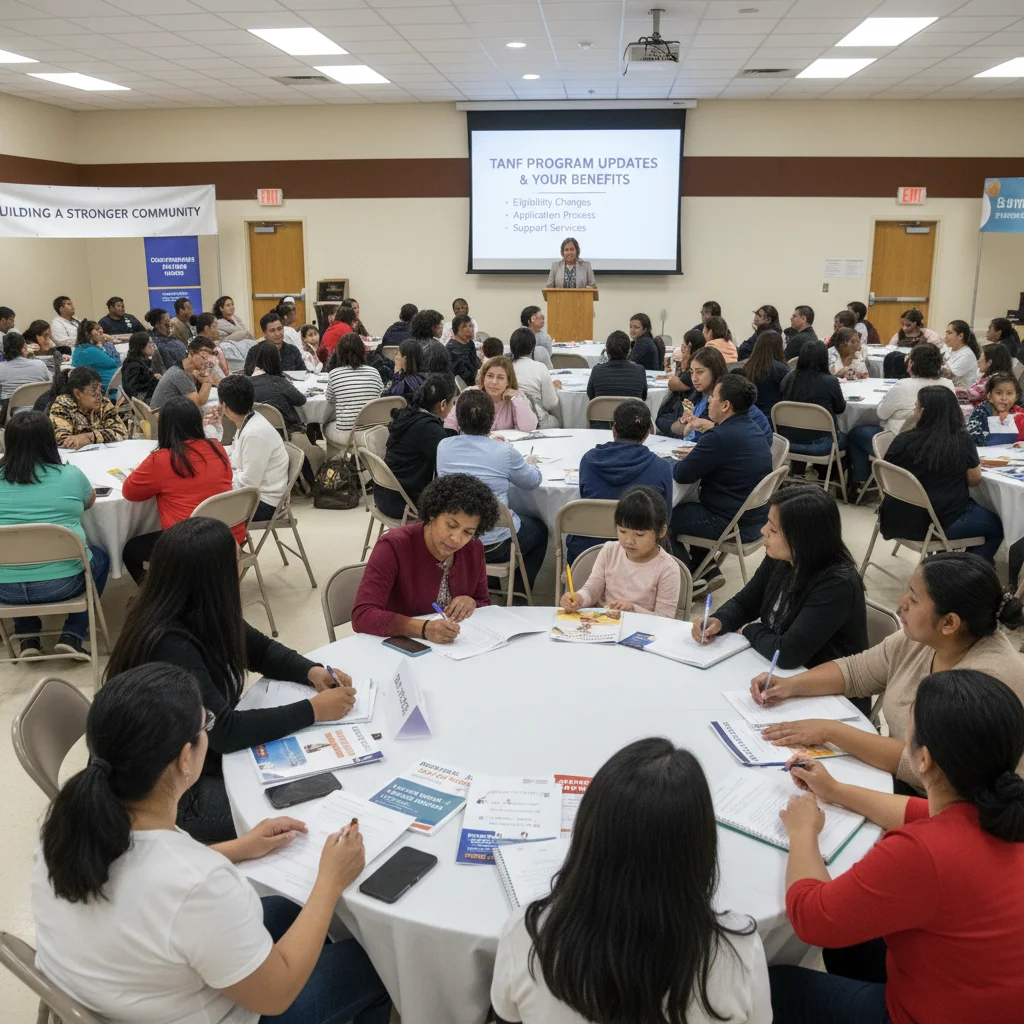
- Educate Communities: Develop and disseminate clear, accessible information about the upcoming changes to TANF Benefits 2026. Host workshops, create informational materials, and utilize various communication channels to reach affected families.
- Collect and Share Data: Advocate for robust data collection and transparency at the state level. Use data to illustrate the impact of policy decisions on families and to highlight effective strategies that should be replicated. This evidence will be crucial in shaping future program design.
- Build Coalitions: Collaborate with other advocacy groups, non-profits, and community organizations to form strong coalitions. A united front can amplify voices and exert greater influence on state policy decisions.
- Provide Technical Assistance: For service providers, prepare to adapt your programs and services to align with new state guidelines. Offer technical assistance to families in navigating updated application processes, understanding new requirements, and accessing a broader range of support services.
- Champion Equity: Advocate for policies that ensure increased flexibility does not lead to greater disparities or reinforce systemic inequalities. Push for equitable access to resources and support for all families, regardless of their background or location within the state.
The period leading up to and following 2026 will be dynamic. Proactive engagement and informed decision-making will be key to navigating these changes successfully and ensuring that TANF continues to serve its fundamental purpose of supporting needy families and promoting their well-being.
The Future Landscape: Long-Term Implications of TANF Benefits 2026
The reforms envisioned for TANF Benefits 2026 carry significant long-term implications for both individual families and the broader social safety net. While the immediate focus will be on adapting to new state-specific rules, the enduring effects of increased flexibility could reshape how poverty is addressed and how government assistance is delivered in the United States for years to come.
Potential Positive Long-Term Outcomes:
- More Responsive Programs: If states leverage their flexibility effectively, we could see the emergence of highly innovative and responsive programs that are better tailored to local economic conditions and social challenges. This could lead to more effective poverty reduction strategies that are sustainable and replicable.
- Improved Outcomes for Families: By allowing states to invest in a wider array of services – such as robust mental health support, comprehensive housing initiatives, or specialized education programs – there is the potential for improved long-term outcomes for families, including greater economic stability, better educational attainment for children, and improved health.
- Increased Efficiency: Streamlined administrative processes and data-driven decision-making, enabled by greater flexibility, could lead to more efficient use of taxpayer dollars, ensuring that funds are directed to programs that yield the best results.
- Reduced Welfare Dependence: If state-designed work requirements and support services are more effective at preparing individuals for sustainable employment, the long-term goal of reducing welfare dependence could be more effectively realized, leading to greater self-sufficiency for families.
Potential Challenges and Risks:
- Widening State Disparities: A significant risk is the further exacerbation of disparities between states. Some states may choose to defund or significantly reduce their TANF programs, leaving vulnerable families with even less support, while others invest heavily. This could lead to a ‘race to the bottom’ in terms of welfare provisions in some regions.
- Erosion of Federal Standards: While flexibility is desired, an excessive loosening of federal oversight could lead to a lack of consistent standards and protections for recipients across the nation. This could complicate efforts to track national progress in poverty reduction and ensure equitable treatment.
- Political Volatility: State-level programs can be more vulnerable to shifts in political leadership and budget priorities. This could lead to less stable funding and program availability over time, creating uncertainty for families who rely on these vital services.
- Focus on Non-Cash vs. Cash Aid: A long-term trend might be a further shift away from direct cash assistance towards non-cash benefits or services. While these can be valuable, direct cash aid often provides families with the flexibility to address their most immediate and diverse needs, and a significant reduction could negatively impact their autonomy.
- Data Gaps and Accountability: If federal reporting requirements are significantly reduced, it could become harder to gather comprehensive national data on TANF program effectiveness and outcomes, making it difficult to assess the overall impact of the reforms.
Ultimately, the long-term success of TANF Benefits 2026 will hinge on a delicate balance between state autonomy and federal oversight. It will require ongoing evaluation, a commitment to equity, and a willingness to adapt policies based on real-world outcomes. The hope is that this new era of flexibility will empower states to build stronger, more effective safety nets that genuinely support families in their journey towards economic independence and well-being, rather than creating new hurdles or deepening existing inequalities. The coming years will be crucial in observing how these changes unfold and what their lasting legacy will be for American families.
Conclusion: Navigating the Future of Family Support with TANF Benefits 2026
The anticipated changes to TANF Benefits 2026 represent a significant juncture in the history of federal assistance programs. The emphasis on new state flexibility promises a landscape where individual states have greater autonomy to design and implement programs that they believe best address the unique needs of their populations. This paradigm shift offers immense potential for innovation, allowing for more targeted interventions, integrated service delivery, and potentially more effective pathways to self-sufficiency for families experiencing hardship.
However, this increased flexibility also brings with it a set of challenges. The risk of widening disparities between states, the potential for reduced accountability, and the need to ensure that fundamental protections for vulnerable families remain intact are all critical considerations. The success of these reforms will not only depend on the policy decisions made at the state level but also on the active engagement of families, advocates, and service providers in shaping and monitoring their implementation.
For families, staying informed, understanding local program specifics, and proactively engaging with available resources will be paramount. For advocates, the period leading up to and following 2026 will be a crucial time to champion equity, transparency, and data-driven decision-making, ensuring that the spirit of family support remains at the core of TANF. As we move forward, the evolution of TANF Benefits 2026 will serve as a powerful testament to the ongoing national conversation about how best to support needy families, reduce poverty, and foster economic opportunity across the United States.