New Social Impact Metrics 2026: A US Reporting Guide

Measuring What Matters: New Metrics for Social Impact Reporting in the US for 2026
The landscape of corporate responsibility is undergoing a profound transformation. As stakeholders – from investors and employees to consumers and regulators – increasingly demand transparency and accountability, the way organizations measure and report their social impact is evolving rapidly. For businesses operating in the United States, 2026 marks a pivotal year, bringing with it a wave of new social impact metrics and reporting standards that will fundamentally reshape how social responsibility is understood, evaluated, and communicated. This comprehensive guide delves into these impending changes, offering a roadmap for organizations to not only comply with new regulations but also to leverage enhanced social impact reporting as a strategic advantage.
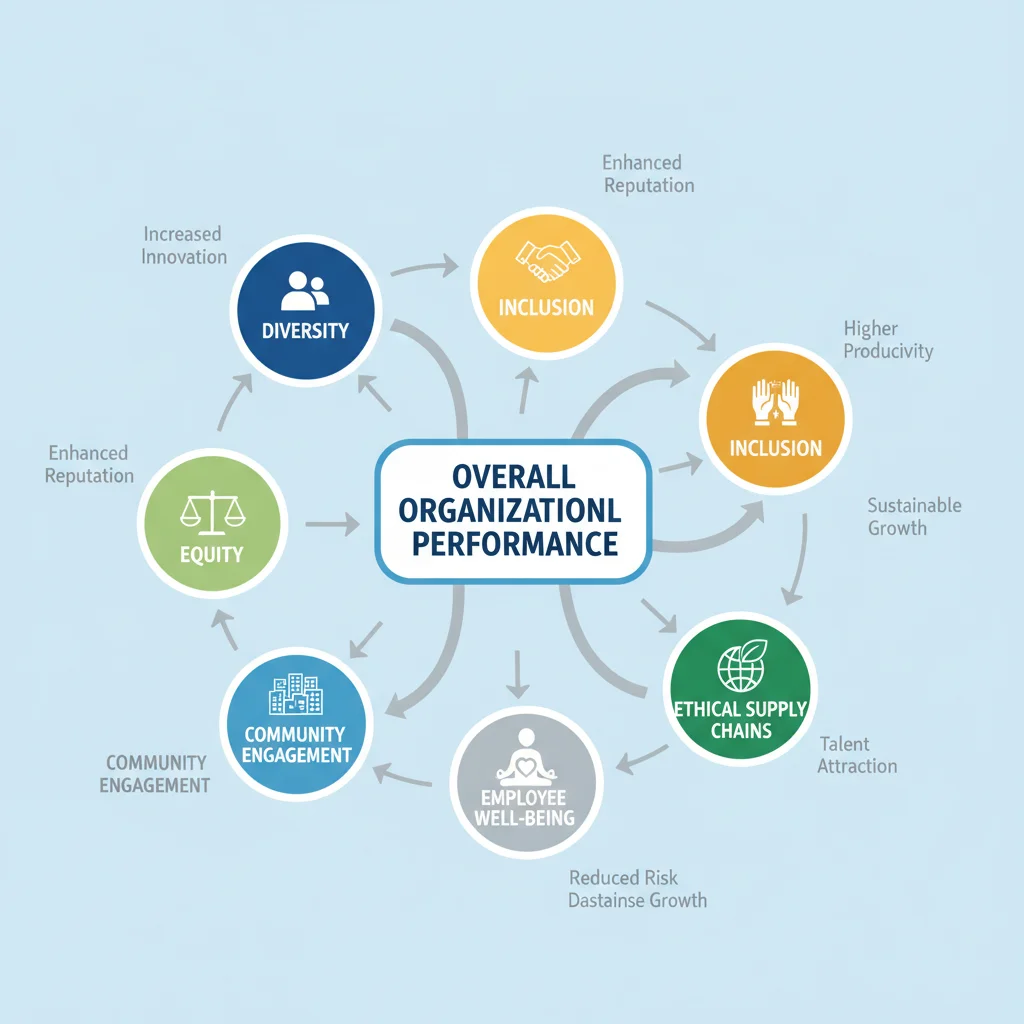
Understanding the nuances of these new social impact metrics is no longer optional; it’s a strategic imperative. The shift is driven by a growing recognition that financial performance alone does not paint a complete picture of an organization’s value or its long-term viability. Social impact, encompassing everything from employee welfare and diversity to community engagement and ethical supply chains, is now seen as an integral component of sustainable business success. As we approach 2026, US companies must prepare to embrace a more rigorous and standardized approach to measuring and disclosing their societal contributions.
The Evolution of Social Impact Reporting: Why 2026 is a Game Changer
For years, social impact reporting has been somewhat fragmented, often relying on voluntary frameworks and varying levels of disclosure. While many companies have embraced Corporate Social Responsibility (CSR) and Environmental, Social, and Governance (ESG) initiatives, the lack of universal standards has made it challenging to compare performance across organizations and industries. The upcoming changes for 2026 aim to address this inconsistency, ushering in an era of greater standardization and comparability in social impact metrics.
Several factors are converging to drive this evolution. Firstly, investor demand for robust ESG data has skyrocketed. Increasingly, investment decisions are being influenced by a company’s social and environmental performance, as investors recognize the link between sustainability and financial resilience. Secondly, regulatory bodies, both at the federal and state levels, are responding to public pressure and international trends by developing more prescriptive reporting requirements. Lastly, a new generation of consumers and employees are actively seeking out organizations that demonstrate genuine commitment to social good, making strong social impact credentials a critical factor in talent acquisition and brand loyalty.
The move towards standardized social impact metrics in 2026 is not merely about compliance; it’s about creating a more transparent, accountable, and ultimately, a more equitable business ecosystem. Organizations that proactively adapt to these changes will be better positioned to attract capital, recruit top talent, mitigate risks, and build stronger relationships with their communities. Those that lag behind risk falling out of favor with critical stakeholders and facing potential regulatory penalties.
Key Drivers Behind the New Social Impact Metrics
The impetus for these new social impact metrics stems from a confluence of global and domestic pressures. Understanding these drivers is crucial for appreciating the depth and breadth of the forthcoming changes:
- Investor Demand: Institutional investors, pension funds, and asset managers are increasingly integrating ESG factors into their investment strategies. They view strong social performance as an indicator of sound management, reduced risk, and long-term value creation. The lack of comparable, reliable social data has been a significant hurdle, which the 2026 metrics aim to overcome.
- Regulatory Scrutiny: While the US has historically lagged behind Europe in ESG regulation, there’s a clear trend towards increased oversight. Agencies like the SEC are focusing on disclosure requirements, and state-level initiatives are also emerging. The 2026 timeframe suggests a potential harmonization or strengthening of existing and new regulations concerning social impact reporting.
- Consumer and Employee Expectations: Modern consumers are more conscious of the ethical footprint of the products and services they buy. Similarly, employees, especially younger generations, prioritize working for companies that align with their values and demonstrate a commitment to social good. Companies with transparent and positive social impact metrics gain a significant competitive edge in both markets.
- Global Harmonization Efforts: International frameworks such as the Global Reporting Initiative (GRI) and the UN Sustainable Development Goals (SDGs) have set a precedent for comprehensive social impact reporting. The US is increasingly aligning with these global standards to ensure its businesses remain competitive and responsible on an international stage.
- Risk Management: Poor social performance can lead to significant reputational damage, legal liabilities, and operational disruptions. Issues like labor exploitation, discrimination, or community neglect can severely impact a company’s bottom line. Robust social impact metrics help identify and mitigate these risks proactively.
Anticipated Areas of Focus for 2026 Social Impact Metrics
While the exact details of all new social impact metrics are still being finalized, patterns and emerging themes suggest several key areas will receive heightened attention. Organizations should begin preparing their data collection and reporting infrastructure around these anticipated focus points:
Diversity, Equity, and Inclusion (DEI)
DEI will undoubtedly remain a cornerstone of social impact reporting. Future metrics are expected to move beyond simple demographic reporting to include more granular data on:
- Workforce Representation: Detailed breakdowns by race, gender, ethnicity, disability status, and other protected characteristics across all organizational levels, including leadership and board positions.
- Pay Equity: Transparent reporting on pay gaps based on gender, race, and other factors, along with actionable plans to address disparities.
- Inclusive Practices: Metrics related to employee resource groups, anti-discrimination training, accessibility initiatives, and supplier diversity programs.
- Retention and Promotion Rates: Data disaggregated by demographic groups to identify potential systemic barriers to advancement.
Employee Well-being and Labor Practices
The focus here will be on creating safe, fair, and supportive work environments. Expected social impact metrics include:
- Health and Safety: Detailed reporting on incident rates, preventative measures, and access to physical and mental health resources.
- Fair Wages and Benefits: Disclosure of living wage commitments, benefits packages, and adherence to labor laws.
- Training and Development: Metrics on employee training hours, career development opportunities, and upskilling initiatives.
- Employee Engagement and Satisfaction: Data from surveys and feedback mechanisms, demonstrating efforts to foster a positive workplace culture.
- Forced Labor and Human Rights: Stronger due diligence and reporting on efforts to prevent forced labor and human rights abuses in supply chains.
Community Engagement and Development
Organizations are increasingly expected to demonstrate their positive contributions to the communities in which they operate. New social impact metrics in this area may cover:
- Philanthropic Contributions: Monetary and in-kind donations, employee volunteering hours, and strategic partnerships with non-profits.
- Local Economic Impact: Job creation, local procurement spending, and support for small and minority-owned businesses.
- Community Needs Assessment: Evidence of understanding and addressing specific community challenges through business operations or outreach programs.
- Impact on Indigenous Communities: Specific reporting on engagement, consent, and benefit-sharing with Indigenous populations where relevant.
Ethical Supply Chain and Responsible Sourcing
The spotlight on supply chain ethics continues to intensify, requiring greater transparency and accountability from businesses regarding their upstream partners. Anticipated social impact metrics include:
- Supply Chain Mapping: Increased visibility into multi-tier supply chains to identify high-risk areas.
- Supplier Audits and Assessments: Reporting on the frequency and results of audits for labor practices, human rights, and environmental standards.
- Responsible Sourcing Policies: Disclosure of policies related to conflict minerals, deforestation, child labor, and fair trade.
- Grievance Mechanisms: Availability and effectiveness of channels for workers in the supply chain to report abuses without fear of retaliation.
Customer Privacy and Data Security
In an increasingly data-driven world, how companies handle customer data is a critical social impact concern. Metrics here may involve:
- Data Governance Policies: Transparency around data collection, usage, and retention policies.
- Cybersecurity Measures: Reporting on data breaches, security protocols, and investments in protecting customer information.
- Customer Consent and Control: Metrics related to user control over personal data and privacy settings.
Preparing for the 2026 Social Impact Metrics: A Strategic Roadmap
The transition to new social impact metrics in 2026 will require a proactive and integrated approach. Organizations should begin laying the groundwork now to ensure a smooth and successful adaptation:
1. Conduct a Materiality Assessment
Start by identifying the most significant social issues for your business and its stakeholders. A materiality assessment helps prioritize which social impact metrics are most relevant to your operations, industry, and strategic goals. This ensures your reporting is focused and meaningful.
2. Enhance Data Collection and Management Systems
Robust data is the backbone of credible social impact reporting. Many organizations currently lack the granular data required by future standards. Invest in systems and processes to systematically collect, verify, and manage social data across all relevant departments – HR, supply chain, operations, legal, and community relations. This might involve new software, training for staff, or partnerships with data analytics providers.
3. Develop Internal Expertise and Cross-Functional Collaboration
Social impact is not solely the responsibility of a single department. Foster cross-functional teams comprising representatives from HR, legal, operations, finance, and marketing. Provide training on the new social impact metrics and reporting requirements to build internal capacity and ensure a shared understanding of objectives.
4. Review and Update Policies and Procedures
Align your internal policies and procedures with the anticipated social impact metrics. This includes reviewing and updating codes of conduct, supplier codes, diversity policies, employee handbooks, and data privacy policies to reflect the new standards. Proactive policy adjustments can streamline compliance efforts.
5. Engage with Stakeholders
Open dialogue with key stakeholders – investors, employees, customers, suppliers, and community leaders – is vital. Understand their expectations regarding social impact and transparency. Their input can inform your strategy and help you identify areas for improvement, ultimately leading to more impactful and credible reporting.
6. Leverage Technology and Automation
The sheer volume of data required for comprehensive social impact reporting can be overwhelming. Explore technology solutions, such as ESG software platforms, that can automate data collection, streamline reporting processes, and provide analytics to track progress against your social impact metrics. Automation can significantly reduce manual effort and improve data accuracy.
7. Benchmark Against Peers and Best Practices
Understand what leading organizations in your industry are doing in terms of social impact reporting. Benchmark your current performance and practices against peers and recognized best practices. This can help identify gaps and opportunities for improvement, providing valuable insights into effective strategies for addressing new social impact metrics.
8. Plan for Assurance and Verification
To enhance the credibility of your social impact reporting, consider independent assurance or third-party verification of your data and processes. As standards become more rigorous, external validation will likely become an expectation, providing greater assurance to stakeholders about the accuracy and reliability of your disclosed social impact metrics.

The Benefits Beyond Compliance: Why Strong Social Impact Metrics Matter
While compliance with new social impact metrics in 2026 is a primary concern, the benefits of robust social impact reporting extend far beyond simply meeting regulatory requirements. Organizations that genuinely embrace these changes can unlock significant strategic advantages:
Enhanced Reputation and Brand Value
A strong commitment to social impact, backed by transparent and verifiable metrics, can significantly enhance an organization’s reputation and brand value. Consumers and business partners are increasingly drawn to companies that demonstrate ethical practices and contribute positively to society. This can translate into increased customer loyalty and a stronger market position.
Improved Investor Relations and Access to Capital
Investors are actively seeking companies with strong ESG performance. By effectively reporting on your social impact metrics, you can attract socially responsible investors, potentially lower your cost of capital, and gain access to new pools of investment that prioritize sustainable and ethical businesses. Robust reporting signals sound governance and reduced risk.
Attracting and Retaining Top Talent
Today’s workforce, particularly younger generations, places a high value on working for organizations that align with their personal values. Companies with a clear and positive social impact story, supported by comprehensive social impact metrics, are better positioned to attract, engage, and retain top talent, reducing recruitment costs and boosting employee morale and productivity.
Better Risk Management
Proactive measurement and reporting of social impact metrics can help identify and mitigate potential risks before they escalate. By monitoring areas like labor practices, supply chain ethics, and community relations, organizations can address vulnerabilities, prevent reputational damage, and avoid legal or regulatory penalties.
Innovation and Operational Efficiency
The process of analyzing and improving social impact often leads to operational efficiencies and innovation. For example, optimizing supply chains for ethical sourcing can also lead to more resilient and efficient operations. Investing in employee well-being can result in reduced absenteeism and higher productivity. Focusing on community needs can open doors to new markets and partnerships.
Stronger Stakeholder Relationships
Transparent social impact reporting fosters trust and strengthens relationships with all stakeholders, including employees, customers, suppliers, regulators, and local communities. This trust is invaluable for long-term business sustainability and resilience, especially during challenging times.
Challenges and Considerations for Implementation
While the benefits are clear, implementing new social impact metrics will not be without its challenges. Organizations should be prepared to address:
- Data Granularity and Standardization: Ensuring consistency in data collection across diverse operations and geographies can be complex.
- Resource Allocation: Investing in new systems, personnel, and training will require significant resources.
- Integration with Existing Systems: Integrating social impact data into existing financial and operational reporting systems can be technically challenging.
- Avoiding Greenwashing/Social Washing: The pressure to report positively can lead to superficial reporting. Authenticity and verifiable data will be crucial to avoid accusations of misleading stakeholders.
- Evolving Regulatory Landscape: Staying abreast of continually evolving regulations and best practices will require ongoing effort and adaptation.
Conclusion: Embracing the Future of Social Impact with New Metrics
The arrival of new social impact metrics for US organizations in 2026 represents a significant milestone in the journey towards a more responsible and sustainable economy. Far from being a mere compliance exercise, this shift offers a profound opportunity for businesses to redefine their purpose, deepen their stakeholder relationships, and build long-term value that transcends financial statements. By proactively preparing for these changes – investing in data infrastructure, fostering cross-functional collaboration, and integrating social impact into core business strategy – companies can position themselves as leaders in the new era of corporate responsibility.
The future favors organizations that not only understand the importance of measuring what matters but also act decisively on that understanding. The 2026 social impact metrics are not just about reporting; they are about driving meaningful change and creating a positive legacy for generations to come. Embrace this evolution, and your organization will not only meet the requirements but thrive in a world that increasingly values purpose alongside profit.