WIC Program Revisions 2026: New Food Package Options & Nutritional Support

The Special Supplemental Nutrition Program for Women, Infants, and Children (WIC) has been a cornerstone of nutritional support for vulnerable families across the United States for decades. Its mission is clear: to safeguard the health of low-income women, infants, and children up to age five who are at nutritional risk by providing nutritious foods to supplement diets, information on healthy eating, and referrals to health care. As society evolves and our understanding of nutrition deepens, so too must the programs designed to support it. This leads us to the significant WIC program revisions slated for 2026, bringing with them crucial updates to the WIC food package 2026.
These upcoming changes are not merely minor adjustments; they represent a thoughtful and comprehensive effort to align the WIC food package 2026 with the latest dietary guidelines and scientific evidence, ensuring that participants receive the most beneficial nutritional support possible. The revisions aim to address modern dietary needs, promote healthier eating habits, and ultimately improve health outcomes for pregnant and postpartum women, infants, and young children. Understanding these revisions is paramount for current and prospective WIC participants, healthcare providers, and community organizations.
The WIC program has always been dynamic, adapting to new research and public health priorities. The 2026 revisions are a continuation of this commitment, promising a more flexible, diverse, and nutritionally rich food package. Families relying on WIC will find new opportunities to access a wider array of healthy foods, potentially leading to improved dietary quality and better health for the youngest members of our communities. This article will delve deep into what these WIC program revisions entail, exploring the specific changes to the WIC food package 2026, their rationale, and the anticipated impact on families. We will also discuss how these updates reflect broader trends in public health and nutrition, and what steps participants can take to prepare for and maximize the benefits of these enhancements.
The Foundation of WIC: A Brief Overview
Before we dissect the specifics of the WIC food package 2026 revisions, it’s essential to appreciate the program’s enduring legacy. Established in 1972, WIC has grown into one of the most effective federal nutrition programs. It serves millions of Americans annually, providing not just food but also vital nutrition education, breastfeeding support, and referrals to essential health and social services. The program’s success is rooted in its holistic approach to maternal and child health, recognizing that adequate nutrition during critical developmental periods can have lifelong positive impacts.
Eligibility for WIC is based on income, nutritional risk, and categorical requirements (pregnant, breastfeeding, or postpartum women; infants; and children under five). Once deemed eligible, participants receive a monthly food package tailored to their specific category and nutritional needs. These food packages are designed to supplement, not replace, a family’s grocery budget, focusing on nutrient-dense foods often lacking in the diets of low-income individuals. Historically, WIC food packages have included items like milk, cheese, eggs, juice, cereal, and infant formula.
Over the years, the WIC food package has undergone several significant transformations. A major overhaul occurred in 2009, which introduced fruits, vegetables, and whole grains into the standard package, reflecting updated dietary recommendations. These changes were revolutionary, aiming to align WIC benefits more closely with the Dietary Guidelines for Americans. The upcoming WIC program revisions for 2026 build upon this foundation, further refining the food offerings to ensure they remain relevant, impactful, and maximally beneficial for all participants. The continuous evolution of the WIC food package 2026 demonstrates the program’s commitment to adapting to the latest nutritional science and public health needs.
Why the WIC Food Package 2026 Revisions Are Happening Now
The decision to implement significant WIC program revisions for 2026 is driven by several critical factors, primarily rooted in scientific advancements and evolving understanding of optimal nutrition. The Dietary Guidelines for Americans (DGAs) are updated every five years, providing evidence-based recommendations for healthy eating. These guidelines serve as the scientific foundation for federal food and nutrition programs, including WIC. The current revisions are a direct response to the most recent DGAs, ensuring that the WIC food package 2026 reflects the best available science.
Alignment with Current Dietary Guidelines
One of the primary drivers for the WIC food package 2026 changes is to ensure closer alignment with the latest Dietary Guidelines for Americans. These guidelines emphasize increased consumption of fruits, vegetables, and whole grains, and recommend limiting added sugars, saturated fat, and sodium. The previous WIC food packages, while beneficial, did not fully reflect these nuanced recommendations. The 2026 revisions aim to bridge this gap, providing participants with food options that more effectively support a healthy dietary pattern from infancy through early childhood and during pregnancy and postpartum periods.
Addressing Nutritional Deficiencies and Health Disparities
Despite progress, nutritional deficiencies and diet-related health disparities persist, particularly among low-income populations. WIC serves a crucial role in mitigating these issues. The new WIC food package 2026 is designed to further reduce these disparities by offering a broader range of nutrient-dense foods. For example, by increasing the cash value benefit (CVB) for fruits and vegetables, the program directly encourages greater consumption of these essential food groups, which are often under-consumed. This proactive approach helps to combat conditions like anemia, obesity, and other diet-related chronic diseases that disproportionately affect WIC-eligible families.
Promoting Breastfeeding and Healthy Infant Feeding
Breastfeeding is a cornerstone of infant health, and WIC has long been a staunch advocate and supporter. The 2026 revisions reinforce this commitment by further optimizing food packages for breastfeeding mothers and their infants. This includes providing more generous food allowances for fully breastfeeding women and ensuring infant food packages align with recommendations for introducing complementary foods. The goal is to support mothers in their breastfeeding journey and ensure infants receive appropriate nutrition during their critical first year of life, laying the groundwork for long-term health.
Enhancing Participant Choice and Cultural Relevance
Another significant aspect of the WIC program revisions for 2026 is the emphasis on increasing participant choice and cultural relevance. Recognizing the diverse backgrounds of WIC families, the updated food packages offer greater flexibility in selecting foods that align with cultural preferences and dietary needs. This not only makes the program more accessible and appealing but also empowers participants to make healthier choices that fit their family’s unique circumstances. Expanded options for milk alternatives, various forms of fruits and vegetables, and different whole grain products are examples of this enhanced flexibility. The WIC food package 2026 aims to be inclusive and adaptable.
Key Changes to the WIC Food Package 2026: What to Expect
The WIC program revisions for 2026 introduce several pivotal changes across various food categories and participant groups. These updates are designed to enhance nutritional adequacy, promote healthier eating habits, and offer greater flexibility. Let’s break down the most significant modifications to the WIC food package 2026.
Increased Cash Value Benefit (CVB) for Fruits and Vegetables
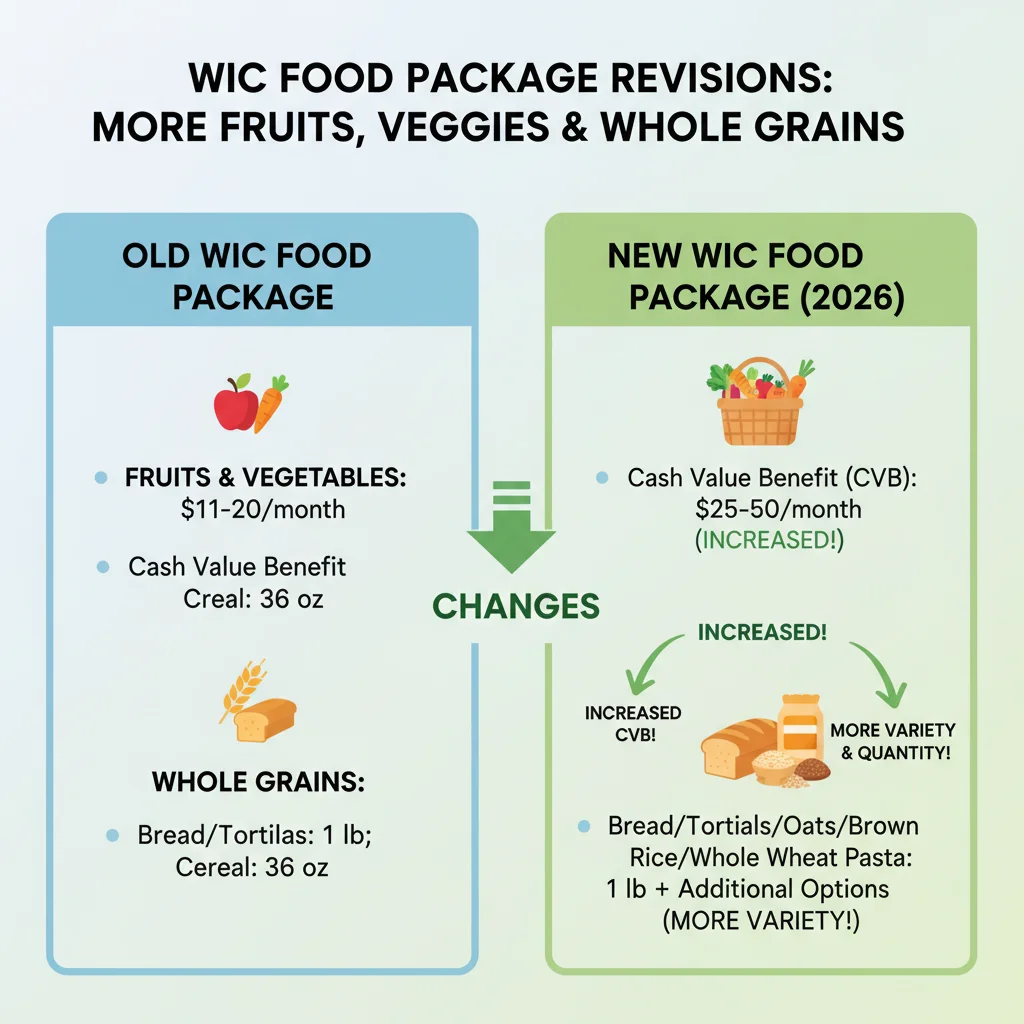
Perhaps one of the most impactful changes is the substantial increase in the Cash Value Benefit (CVB) for fruits and vegetables. This benefit, which allows participants to purchase fresh, frozen, or canned fruits and vegetables, will see a significant boost. For example, the monthly CVB for children and pregnant/postpartum women is expected to increase significantly, providing families with greater purchasing power for these essential foods. This change directly addresses the under-consumption of fruits and vegetables, which are vital for preventing chronic diseases and promoting overall health. The increased CVB is a direct investment in the health of WIC families and a key component of the WIC food package 2026.
Expanded Whole Grain Options
The WIC food package 2026 will offer a broader array of whole grain options. Currently, WIC provides limited choices, primarily whole wheat bread. The revisions will expand this to include more diverse whole grain products such as whole wheat pasta, brown rice, quinoa, and other whole grain cereals. This diversification not only caters to varying tastes and cultural preferences but also ensures participants receive a wider spectrum of nutrients found in different whole grains. This move aligns with dietary recommendations to consume a variety of whole grains for optimal health.
More Flexible Milk and Milk Alternatives
Recognizing the increasing prevalence of lactose intolerance, dairy allergies, and dietary preferences, the WIC program revisions for 2026 will introduce greater flexibility in milk and milk alternatives. While cow’s milk remains a staple, participants will have more options for plant-based milk alternatives (e.g., soy milk) that are nutritionally equivalent and WIC-approved. This change ensures that all participants, regardless of their dietary restrictions or choices, can access essential nutrients like calcium and vitamin D through appropriate beverages. This enhanced flexibility in the WIC food package 2026 is a welcome update for many families.
Refined Infant Food Packages
Infant food packages will also see important refinements. For breastfed infants, the changes aim to better support continued breastfeeding while providing appropriate complementary foods when babies are ready. This might include adjustments to the quantities and types of infant cereals and pureed fruits and vegetables. For formula-fed infants, the revisions ensure that formula prescriptions align with the latest recommendations for infant growth and development, with a continued emphasis on supporting medically necessary formulas when required. The WIC food package 2026 for infants is meticulously designed to support healthy development.
Changes to Juice and Cereal Offerings
In line with recommendations to reduce added sugars, the WIC program revisions for 2026 will likely include adjustments to juice and cereal offerings. Expect a reduction in the quantity of juice provided and a greater emphasis on cereals with lower sugar content. The focus will shift towards encouraging consumption of whole fruits and vegetables as primary sources of vitamins and fiber, rather than relying on juice. This change reflects a broader public health effort to combat childhood obesity and promote healthier beverage choices. These adjustments to the WIC food package 2026 are critical for fostering good eating habits early on.
Impact on Families: Benefits and Potential Challenges of the WIC Food Package 2026
The WIC program revisions for 2026 are poised to bring a wealth of benefits to participating families, but as with any significant change, there may also be some initial adjustments and potential challenges. Understanding both sides of the coin is crucial for a smooth transition and for maximizing the positive impact of the WIC food package 2026.
Enhanced Nutritional Intake
The most direct and significant benefit of the WIC food package 2026 changes will be an enhanced nutritional intake for participants. With increased access to fruits, vegetables, and diverse whole grains, families will be better equipped to meet dietary recommendations, leading to improved vitamin and mineral intake. This can reduce the risk of nutrient deficiencies, support healthy growth and development in children, and promote better health outcomes for pregnant and postpartum women. A more nutritious diet can also contribute to improved energy levels, better concentration, and overall well-being.
Greater Food Variety and Choice
The expanded options for whole grains, milk alternatives, and the increased CVB for fruits and vegetables mean families will have greater variety and choice in their WIC-approved foods. This flexibility is invaluable, allowing participants to select foods that align with their cultural preferences, family recipes, and individual tastes. Increased choice fosters greater satisfaction with the program and encourages consistent participation, as families are more likely to utilize benefits when the options are appealing and relevant to their lives. The WIC food package 2026 is designed to be more inclusive and user-friendly.
Promotion of Healthy Eating Habits
By emphasizing nutrient-dense foods and reducing items with added sugars, the WIC food package 2026 actively promotes healthier eating habits from an early age. Children exposed to a wider variety of fruits, vegetables, and whole grains are more likely to develop a preference for these foods, setting the stage for lifelong healthy eating patterns. This preventative approach can have long-term benefits, reducing the risk of diet-related chronic diseases later in life. WIC’s nutrition education, coupled with the revised food packages, creates a powerful synergy for health promotion.
Potential Challenges and Adjustments
While the benefits are substantial, some families may experience initial challenges. Adjusting to new food options and potentially fewer quantities of familiar items (like juice) can require a shift in shopping habits and meal planning. WIC clinics will play a crucial role in providing updated nutrition education and guidance to help families navigate these changes. Participants may also need time to locate stores that stock the expanded range of WIC-approved items, especially in rural areas. However, these challenges are typically temporary and can be overcome with proper support and education, ensuring the positive impact of the WIC food package 2026 is realized.
Preparing for the WIC Program Revisions for 2026
For current and prospective WIC participants, understanding how to prepare for the WIC program revisions for 2026 is key to seamlessly transitioning and fully benefiting from the enhanced food packages. Proactive engagement with WIC resources and a willingness to adapt will ensure a positive experience.
Stay Informed Through WIC Clinics and State Agencies
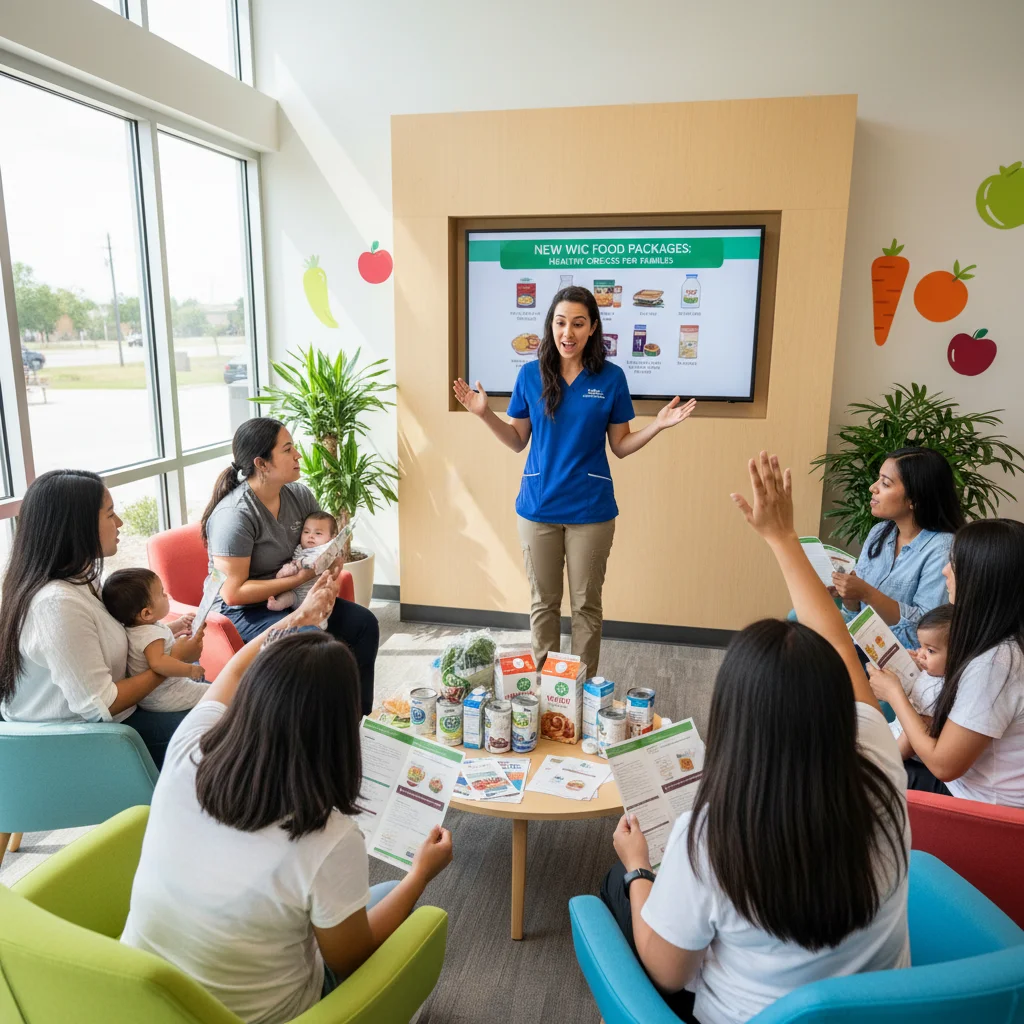
The most reliable source of information regarding the WIC food package 2026 changes will be your local WIC clinic and your state’s WIC agency. These entities will be responsible for implementing the revisions and will provide detailed guidance, updated food lists, and nutrition education materials. Make it a point to attend any informational sessions offered, speak with your WIC nutritionist, and check official WIC websites for announcements and resources. Staying informed is the first step in preparing for the WIC program revisions.
Embrace Nutrition Education
WIC offers invaluable nutrition education, and with the upcoming changes, this resource becomes even more critical. WIC nutritionists can help families understand the rationale behind the WIC food package 2026 changes, how to incorporate new food options into their diets, and how to maximize the nutritional benefits of the revised package. They can also provide practical tips for meal planning, healthy cooking, and grocery shopping. Engaging with nutrition education empowers families to make informed choices and fully utilize their WIC benefits.
Explore New Food Options
As the WIC food package 2026 introduces a wider variety of foods, take the opportunity to explore new options. Try different types of whole grains, experiment with new fruits and vegetables, and consider the expanded milk alternatives. This can be an exciting journey for families to discover new healthy favorites and diversify their diets. WIC clinics may offer recipes or cooking demonstrations to help families integrate these new foods. Don’t be afraid to step out of your comfort zone and try something new; the WIC food package 2026 is designed to open up new culinary possibilities.
Advocate for Local Store Availability
In some areas, particularly rural ones, the availability of all WIC-approved foods might initially be a challenge. If you notice a lack of specific items included in the WIC food package 2026 at your local WIC-authorized stores, communicate this to your WIC clinic or store management. Collective feedback from participants can encourage stores to stock a wider range of approved products, ensuring equitable access for all families. Active participation in this feedback loop can help improve the WIC program for everyone.
The Broader Implications of the WIC Food Package 2026 Revisions
The WIC program revisions for 2026 extend beyond individual families, carrying broader implications for public health, the food industry, and community support systems. These changes underscore a commitment to improving health outcomes on a larger scale.
Public Health Benefits
From a public health perspective, the updated WIC food package 2026 has the potential to significantly reduce diet-related health issues among vulnerable populations. By promoting healthier eating habits from early childhood, the program can contribute to lower rates of childhood obesity, type 2 diabetes, and other chronic diseases. The long-term benefits of these interventions are immense, potentially leading to reduced healthcare costs and a healthier, more productive populace. WIC’s role in public health is further solidified by these forward-thinking revisions.
Impact on the Food Industry
The WIC food package 2026 revisions will also influence the food industry. Manufacturers and retailers will need to adapt to the new WIC-approved food lists, potentially leading to increased production and stocking of healthier food options. This can create a positive feedback loop, making nutritious foods more widely available and affordable for all consumers, not just WIC participants. The program’s purchasing power can drive market changes, encouraging innovation in healthy food products and distribution.
Strengthening Community Support Systems
The successful implementation of the WIC program revisions for 2026 will rely heavily on robust community support systems. WIC clinics, community centers, food banks, and other local organizations will need to collaborate to disseminate information, provide education, and ensure families can access and utilize their benefits effectively. These revisions offer an opportunity to strengthen these networks, fostering a more cohesive and supportive environment for maternal and child health. The WIC food package 2026 is a catalyst for community engagement.
Looking Ahead: The Future of WIC and Nutritional Support
The WIC program revisions for 2026 are a testament to the program’s adaptability and unwavering dedication to improving the health and well-being of women, infants, and children. As we move closer to the implementation date, the focus will be on effective communication, comprehensive education, and continuous evaluation to ensure the changes achieve their intended positive outcomes.
The evolution of the WIC food package 2026 highlights a broader trend in public health: a move towards more personalized, evidence-based, and culturally sensitive nutritional interventions. By aligning with the latest dietary guidelines and addressing the diverse needs of its participants, WIC continues to demonstrate its critical role in building healthier futures for millions of families. These revisions are not an endpoint but rather a significant step in the ongoing journey to ensure every child has the best possible start in life, supported by robust and responsive nutritional programs.
For families, this means a more nutritious, flexible, and empowering WIC experience. For healthcare providers, it means a more effective tool for promoting health and preventing disease. For communities, it signifies a stronger foundation for public health and well-being. The WIC food package 2026 is more than just a list of foods; it represents a renewed commitment to the health and prosperity of the nation’s most vulnerable populations.
In conclusion, the WIC program revisions for 2026 are a landmark development, promising a brighter, healthier future for program participants. By embracing these changes, staying informed, and utilizing the resources available, families can fully leverage the enhanced WIC food package 2026 to support optimal nutrition and lifelong health.