FDPIR 2026: Enhancing Food Security on Indian Reservations
FDPIR 2026: Latest Updates to Food Packages and Delivery Systems
The Food Distribution Program on Indian Reservations (FDPIR) has been a cornerstone of food security for eligible low-income Native American households residing on or near Indian reservations for decades. Administered by the U.S. Department of Agriculture (USDA), FDPIR provides USDA-purchased foods to participants as an alternative to the Supplemental Nutrition Assistance Program (SNAP). As we approach 2026, significant enhancements are on the horizon for FDPIR, promising to revolutionize how food is distributed and what constitutes a nutritious food package for tribal communities. These updates are not merely incremental changes; they represent a concerted effort to address long-standing challenges, improve nutritional outcomes, and empower tribal nations in their pursuit of food sovereignty. Understanding the nuances of these changes, particularly concerning FDPIR 2026 updates, is crucial for participants, administrators, and advocates alike.
The program’s evolution is driven by a deep commitment to cultural relevance, dietary needs, and logistical efficiency. For years, feedback from tribal communities has highlighted the need for more culturally appropriate food options, fresher produce, and more reliable delivery mechanisms. The FDPIR 2026 updates are a direct response to this feedback, aiming to create a program that is more responsive, equitable, and effective. This comprehensive overview will delve into the specific changes anticipated for FDPIR 2026, examining how these modifications will impact food packages, delivery systems, and ultimately, the health and well-being of Native American families.
Understanding the Core Mission of FDPIR
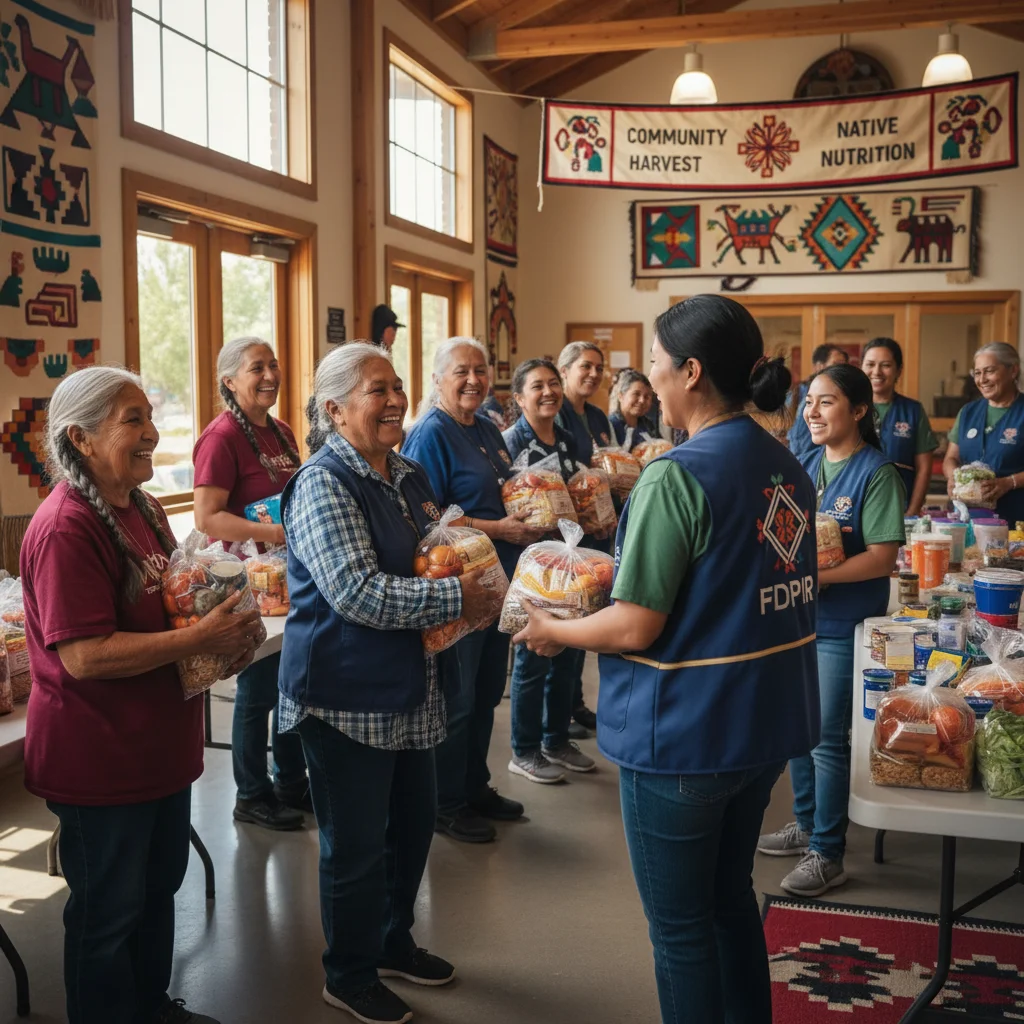
Before diving into the FDPIR 2026 updates, it’s essential to revisit the foundational purpose of the program. FDPIR serves a critical role in alleviating hunger and promoting nutrition within tribal communities, areas that often face unique socio-economic and geographical barriers to food access. Unlike SNAP, which provides financial assistance for food purchases, FDPIR directly distributes food commodities. This distinction is vital, as it allows the USDA to procure food directly, often supporting American agriculture in the process. The program is operated by 100 Indian Tribal Organizations (ITOs) and state agencies, serving approximately 270 federally recognized tribes. This direct involvement of tribal organizations is a testament to the program’s commitment to self-determination and local governance in addressing food security challenges.
The foods provided through FDPIR are carefully selected to meet the dietary guidelines for Americans, aiming to offer a variety of nutritious options. However, historical challenges have included limited availability of fresh produce, a lack of culturally relevant foods, and logistical hurdles in delivering food to remote locations. The FDPIR 2026 initiative seeks to directly confront these issues, ensuring that the program not only provides sustenance but also genuinely contributes to the holistic health and cultural integrity of its participants. The emphasis on FDPIR 2026 is on enhancing both the quality and accessibility of the food provided, making it a more impactful program for all beneficiaries.
Key Enhancements to FDPIR Food Packages for 2026
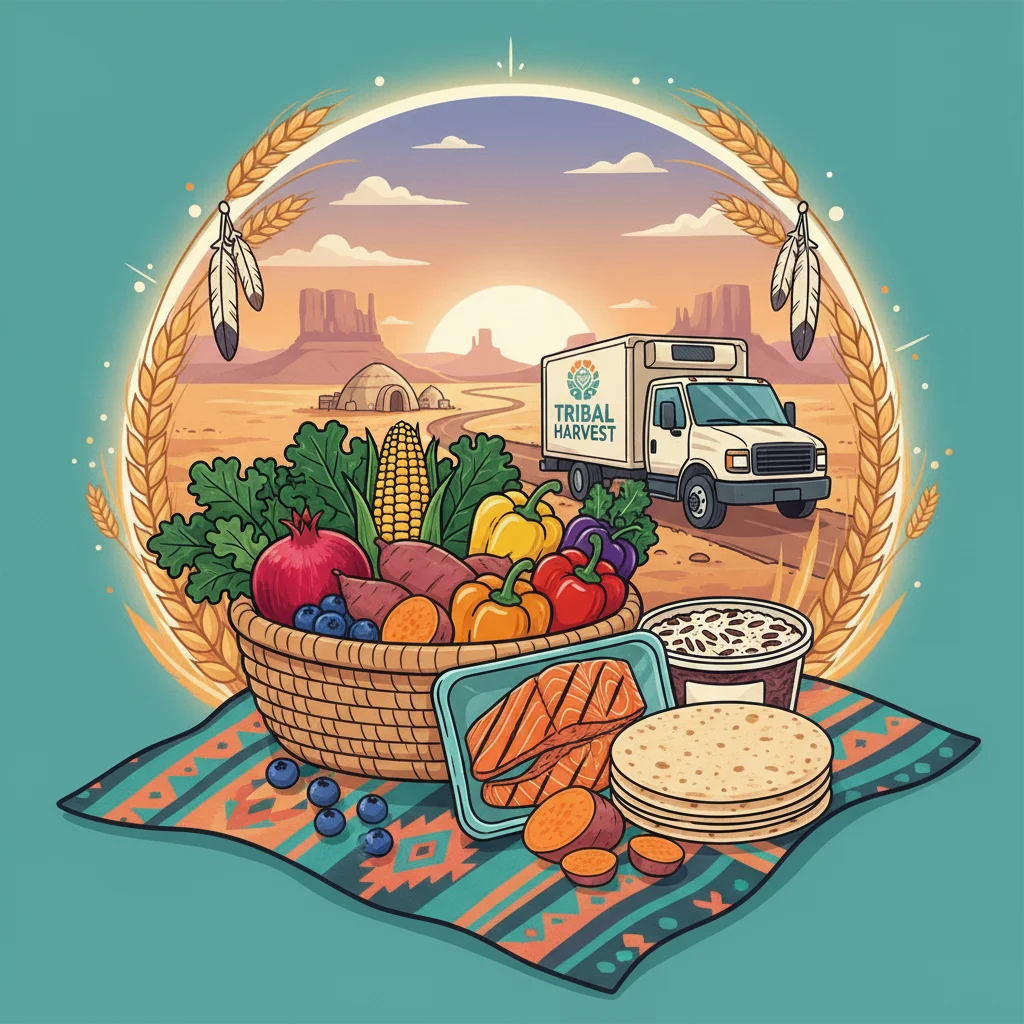
One of the most anticipated aspects of the FDPIR 2026 updates involves a significant overhaul of the food packages themselves. The goal is to move beyond basic commodities and offer a broader, more diverse, and nutritionally superior selection of foods. This includes a greater emphasis on fresh, frozen, and minimally processed options, directly addressing dietary health concerns prevalent in many tribal communities.
Increased Availability of Fresh Produce
A cornerstone of the FDPIR 2026 updates is the commitment to dramatically increase the availability of fresh fruits and vegetables. Historically, the shelf-stable nature of many FDPIR commodities meant a limited supply of fresh produce, which is crucial for a balanced diet. The new guidelines for FDPIR 2026 will prioritize the inclusion of seasonal fresh produce, working with regional suppliers and potentially even tribal agricultural initiatives to source these items. This not only improves nutritional value but also supports local economies and promotes healthier eating habits. The focus on fresh items in FDPIR 2026 is expected to have a profound impact on participants’ diets.
Culturally Relevant Food Options
Another major improvement in FDPIR 2026 is the expansion of culturally relevant food options. Recognizing that food is deeply intertwined with culture and tradition, the USDA has been working closely with tribal leaders and nutritionists to identify foods that are not only nutritious but also reflect the traditional diets of Native American communities. This could include items like bison, wild rice, traditional berries, and specific types of fish, where feasible. The aim is to make FDPIR food packages more appealing and integrated into the cultural practices of participants, fostering a sense of dignity and respect. The introduction of these items is a significant step forward for FDPIR 2026.
Expanded Lean Protein and Whole Grain Selections
The FDPIR 2026 updates will also see an expansion in the variety of lean proteins and whole grains. This means more options beyond traditional canned meats, focusing on healthier protein sources and a wider array of whole grain products like quinoa, oats, and various types of whole wheat breads and pastas. These additions are designed to combat diet-related diseases such as diabetes and heart disease, which disproportionately affect Native American populations. By providing better choices, FDPIR 2026 aims to contribute to long-term health improvements.
Reduced Sodium and Added Sugar Content
In line with national dietary guidelines, the FDPIR 2026 food packages will feature a concerted effort to reduce sodium and added sugar content in processed foods. This involves working with food manufacturers to procure healthier versions of staple items, ensuring that even convenience foods contribute positively to overall health. This proactive approach to public health is a critical component of the FDPIR 2026 vision, emphasizing preventive nutrition.
Revolutionizing FDPIR Delivery Systems for 2026
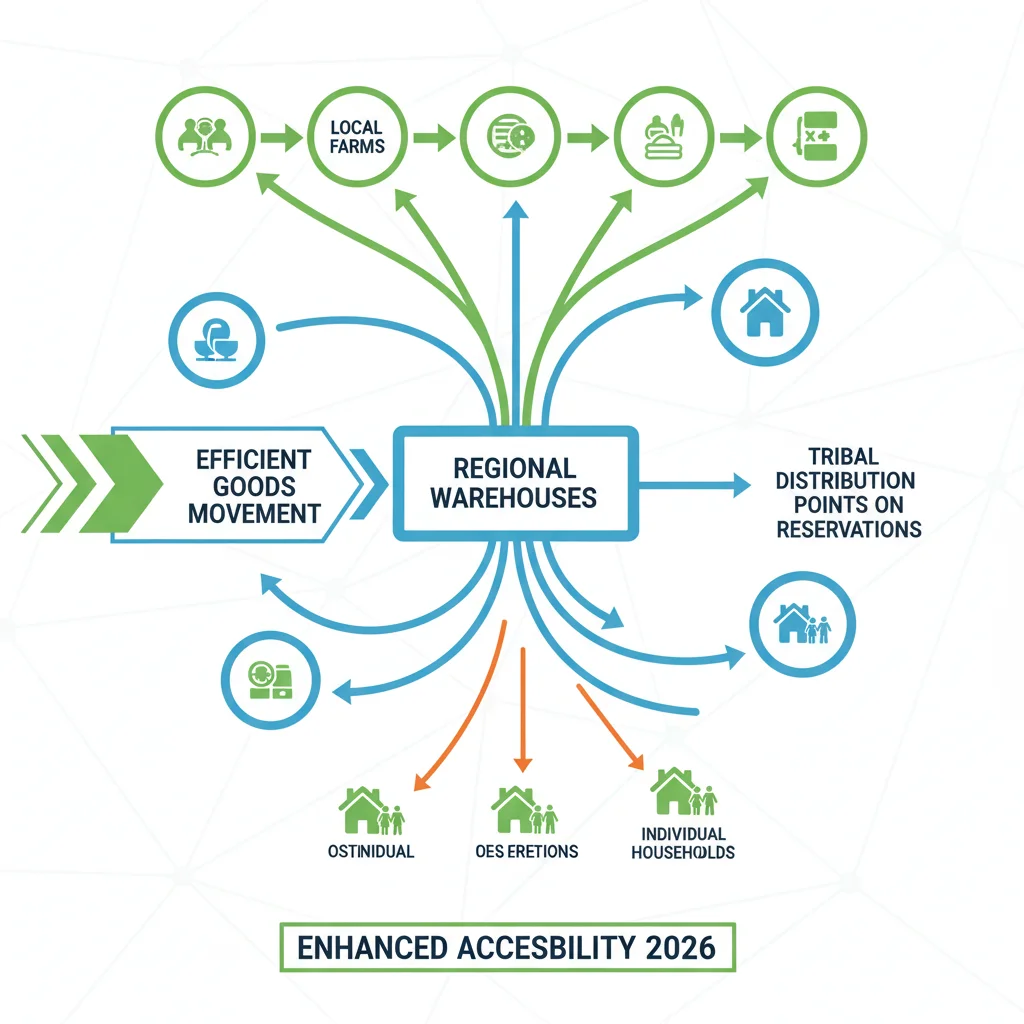
Beyond the contents of the food packages, the FDPIR 2026 updates are set to bring substantial improvements to the program’s delivery and distribution mechanisms. The challenges of reaching remote tribal communities with perishable goods are significant, and the new strategies aim to overcome these hurdles through innovation and increased infrastructure investment.
Enhanced Cold Chain Logistics
To support the increased inclusion of fresh and frozen foods, FDPIR 2026 will see significant investment in enhanced cold chain logistics. This includes upgrading storage facilities, improving refrigerated transportation, and implementing more sophisticated inventory management systems. The goal is to ensure that perishable goods arrive at their destinations fresh and safe, minimizing spoilage and maximizing nutritional value. This logistical upgrade is fundamental to the success of the new food package initiatives under FDPIR 2026.
Direct-to-Home Delivery Pilot Programs
Recognizing the difficulties some participants face in accessing distribution centers, especially in expansive and sparsely populated reservations, FDPIR 2026 will introduce pilot programs for direct-to-home delivery. These initiatives will explore various models, including partnerships with local tribal enterprises and third-party logistics providers, to bring food directly to the doorsteps of eligible households. This not only improves access but also reduces transportation burdens for participants, making the program more convenient and user-friendly. The potential for direct delivery models within FDPIR 2026 is immense.
Technological Integration for Efficiency
The FDPIR 2026 updates will also leverage technology to streamline operations. This includes developing online platforms for participants to select food items (where applicable), track deliveries, and provide feedback. For administrators, technology will facilitate better inventory management, demand forecasting, and reporting, leading to a more efficient and responsive program overall. The integration of modern technology is a crucial step for FDPIR 2026 to optimize its reach and impact.
Strengthening Tribal Partnerships and Infrastructure
A key aspect of improving delivery systems under FDPIR 2026 is strengthening partnerships with Indian Tribal Organizations (ITOs). This involves providing more resources and technical assistance to ITOs to build and maintain their own food storage and distribution infrastructure. Empowering tribal nations to manage their food systems locally is a long-term goal, fostering greater self-sufficiency and resilience. The collaborative approach is central to the vision of FDPIR 2026.
Anticipated Impact on Tribal Communities
The FDPIR 2026 updates are expected to have a transformative impact on tribal communities, addressing not just food insecurity but also broader public health and economic development goals.
Improved Health Outcomes
With more nutritious and diverse food options, particularly fresh produce and lean proteins, FDPIR 2026 is poised to contribute to significant improvements in health outcomes. Reduced rates of diet-related diseases, better childhood nutrition, and enhanced overall well-being are anticipated benefits. The focus on healthier eating habits promoted by FDPIR 2026 will be a powerful tool in combating chronic illnesses.
Enhanced Food Sovereignty
By including culturally relevant foods and empowering tribal organizations in the distribution process, FDPIR 2026 supports the broader movement towards food sovereignty for Native American nations. This means communities having greater control over their food systems, from production to distribution, in ways that align with their cultural values and traditions. The FDPIR 2026 changes are a step towards greater self-determination in food systems.
Economic Opportunities
The emphasis on sourcing fresh produce locally and strengthening tribal infrastructure could also create new economic opportunities within reservations. This includes supporting tribal farmers, creating jobs in food processing and distribution, and fostering a more robust local food economy. The ripple effect of FDPIR 2026 could extend far beyond just food provision.
Increased Program Participation and Satisfaction
By making the program more responsive, convenient, and culturally appropriate, FDPIR 2026 is expected to lead to increased participation rates and greater satisfaction among eligible households. A program that truly meets the needs and preferences of its participants is more effective and sustainable in the long run. The positive changes in FDPIR 2026 are designed to foster greater trust and engagement.
Challenges and Future Outlook for FDPIR 2026
While the FDPIR 2026 updates promise significant improvements, their implementation will not be without challenges. Securing adequate funding, navigating complex logistical landscapes, and ensuring consistent quality across diverse tribal communities will require ongoing commitment and collaboration from all stakeholders.
Funding and Resource Allocation
The success of the FDPIR 2026 initiatives, particularly those requiring infrastructure upgrades and expanded food procurement, will heavily depend on consistent and sufficient funding from Congress. Advocacy efforts will be crucial to ensure that the program receives the necessary resources to realize its full potential. The financial backing for FDPIR 2026 is a critical component of its success.
Logistical Complexities in Remote Areas
Despite advancements in delivery systems, the inherent challenges of reaching extremely remote areas will persist. Innovative solutions, flexible partnerships, and continuous adaptation will be necessary to overcome these hurdles and ensure equitable access for all eligible participants under FDPIR 2026.
Ensuring Cultural Sensitivity and Responsiveness
While efforts are being made to include culturally relevant foods, ongoing dialogue and feedback from tribal communities will be essential to ensure that the program remains truly sensitive and responsive to their evolving needs and preferences. The iterative process of improvement for FDPIR 2026 will depend on strong community engagement.
How to Stay Informed About FDPIR 2026
For participants, tribal organizations, and advocates, staying informed about the FDPIR 2026 updates is paramount. The USDA website, tribal government offices, and local FDPIR administering agencies will be primary sources of information regarding eligibility, food package contents, and distribution schedules. Regular communication channels will be established to disseminate information and gather feedback as the changes are rolled out.
Engagement with local ITOs is particularly important, as they are on the front lines of program administration and can provide tailored information and support. Attending community meetings, subscribing to newsletters, and participating in surveys are excellent ways to stay connected and contribute to the ongoing improvement of FDPIR. The success of FDPIR 2026 hinges on collective awareness and participation.
Conclusion: A Brighter Future for FDPIR in 2026
The FDPIR 2026 updates represent a significant and commendable step forward in the effort to enhance food security and promote health within Native American communities. By focusing on more nutritious and culturally appropriate food packages, coupled with innovative and efficient delivery systems, the program is poised for a transformative period. These changes reflect a deeper understanding of the unique challenges and rich cultural heritage of tribal nations, moving towards a future where FDPIR is not just a safety net, but a powerful tool for community empowerment and well-being. The vision for FDPIR in 2026 is one of collaboration, respect, and tangible improvements in the lives of thousands of individuals and families. The commitment to continuous improvement and responsiveness will ensure that FDPIR remains a vital program for years to come, truly serving its purpose of nourishing and supporting tribal communities across the nation.
The journey towards full implementation of FDPIR 2026 will be ongoing, requiring dedication from federal agencies, tribal governments, and community members. However, the foundation being laid promises a more robust, respectful, and effective program that genuinely addresses the nutritional needs and cultural values of Native American populations. The future of FDPIR in 2026 looks promising, offering hope and tangible benefits for those it serves.