Global Supply Chain Resilience 2026: US Business Adaptation

The past few years have etched an undeniable truth into the operational blueprints of businesses worldwide: the global supply chain is a delicate, intricate web, susceptible to an array of disruptions from geopolitical tensions and natural disasters to pandemics and cyberattacks. For U.S. businesses, the imperative to bolster global supply chain resilience has never been more urgent. As we look towards 2026, the ambition is clear and quantifiable: to reduce supply chain disruptions by a significant 25%. This isn’t merely a hopeful aspiration; it’s a strategic mandate backed by substantial investment, technological innovation, and a fundamental shift in operational philosophy.
The journey to enhanced supply chain resilience is multifaceted, requiring a holistic approach that touches every aspect of a business, from raw material sourcing to final product delivery. This comprehensive article will delve into the critical strategies U.S. businesses are deploying, the technological advancements driving this transformation, the policy landscape shaping these efforts, and the tangible benefits expected from achieving a more robust and adaptable global supply chain by 2026.
The Unfolding Landscape of Supply Chain Vulnerabilities
Before dissecting the solutions, it’s crucial to understand the evolving nature of the challenges. The traditional ‘just-in-time’ model, while efficient in stable environments, has proven fragile when confronted with unforeseen shocks. Recent events have highlighted several key vulnerabilities:
- Geopolitical Volatility: Trade wars, regional conflicts, and shifting international relationships can abruptly close borders, impose tariffs, or disrupt critical shipping lanes.
- Climate Change Impacts: Extreme weather events, such as hurricanes, floods, and droughts, are increasingly frequent and intense, directly impacting production, transportation, and raw material availability.
- Pandemic-Induced Shocks: The COVID-19 pandemic exposed the fragility of globalized production, leading to factory shutdowns, labor shortages, and unprecedented demand spikes and dips.
- Cybersecurity Threats: Digitalization, while offering immense benefits, also introduces new vulnerabilities. Cyberattacks on logistics networks, manufacturing systems, or data infrastructure can bring operations to a standstill.
- Economic Instability: Inflation, currency fluctuations, and recessions can impact consumer demand, production costs, and the financial health of supply chain partners.
- Single-Point Failures: Over-reliance on a single supplier, manufacturing location, or transportation hub creates critical points of failure that can cascade through the entire chain.
These vulnerabilities underscore why U.S. businesses are not just seeking marginal improvements but a fundamental re-engineering of their supply chains to build genuine supply chain resilience. The target of a 25% reduction in disruptions by 2026 reflects a proactive and aggressive stance against these threats, aiming to mitigate their impact and ensure business continuity.
Strategic Pillars for Enhanced Global Supply Chain Resilience
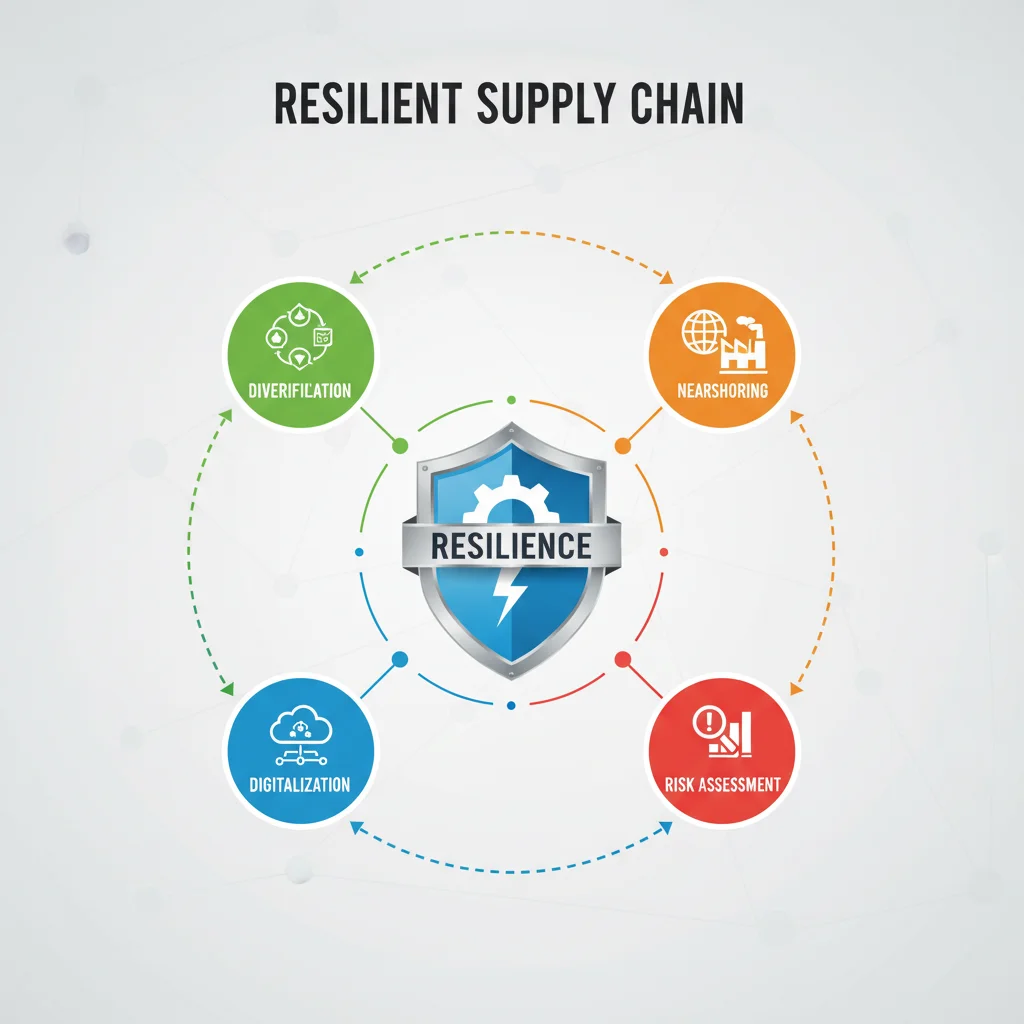
Achieving a 25% reduction in disruptions requires a multi-pronged strategy. U.S. businesses are focusing on several key strategic pillars:
1. Diversification of Sourcing and Manufacturing
The adage "don’t put all your eggs in one basket" has become a guiding principle. Companies are actively diversifying their supplier base, moving away from single-source dependencies, especially in high-risk regions. This includes:
- Multi-Sourcing: Engaging multiple suppliers for critical components, even if it means slightly higher costs, to ensure continuity.
- Geographic Diversification: Spreading manufacturing and sourcing across different countries and continents to mitigate regional risks. This often involves a ‘China Plus One’ strategy or exploring new markets.
- Nearshoring/Reshoring: Bringing production closer to home markets, either within the U.S. or to neighboring countries. This reduces lead times, transportation costs, and exposure to distant geopolitical risks. While a significant investment, the long-term benefits in terms of supply chain resilience are proving compelling.
2. Advanced Risk Management and Visibility
You can’t manage what you can’t see. Enhanced visibility across the entire supply chain is paramount. Businesses are investing in:
- Real-time Data Analytics: Utilizing data from IoT sensors, GPS tracking, and enterprise resource planning (ERP) systems to gain real-time insights into inventory levels, transit status, and potential bottlenecks.
- Predictive Analytics and AI: Employing artificial intelligence and machine learning to forecast demand fluctuations, identify potential disruptions before they occur, and model the impact of various scenarios. This proactive approach is central to building effective supply chain resilience.
- Supplier Risk Assessment: Implementing robust frameworks to assess the financial stability, operational capabilities, and geopolitical exposure of all suppliers, not just tier-one partners but extending deeper into the supply chain.
- Scenario Planning: Developing detailed contingency plans for various disruption scenarios, including alternative transportation routes, emergency supplier networks, and rapid response protocols.
3. Digital Transformation and Automation
Technology is the backbone of modern supply chain resilience. Digital tools and automation are revolutionizing how supply chains operate:
- Blockchain Technology: Offering immutable and transparent ledgers for tracking goods, verifying authenticity, and streamlining transactions, thereby improving trust and reducing fraud.
- Cloud-Based Platforms: Facilitating seamless data sharing and collaboration among supply chain partners, enhancing communication and coordination.
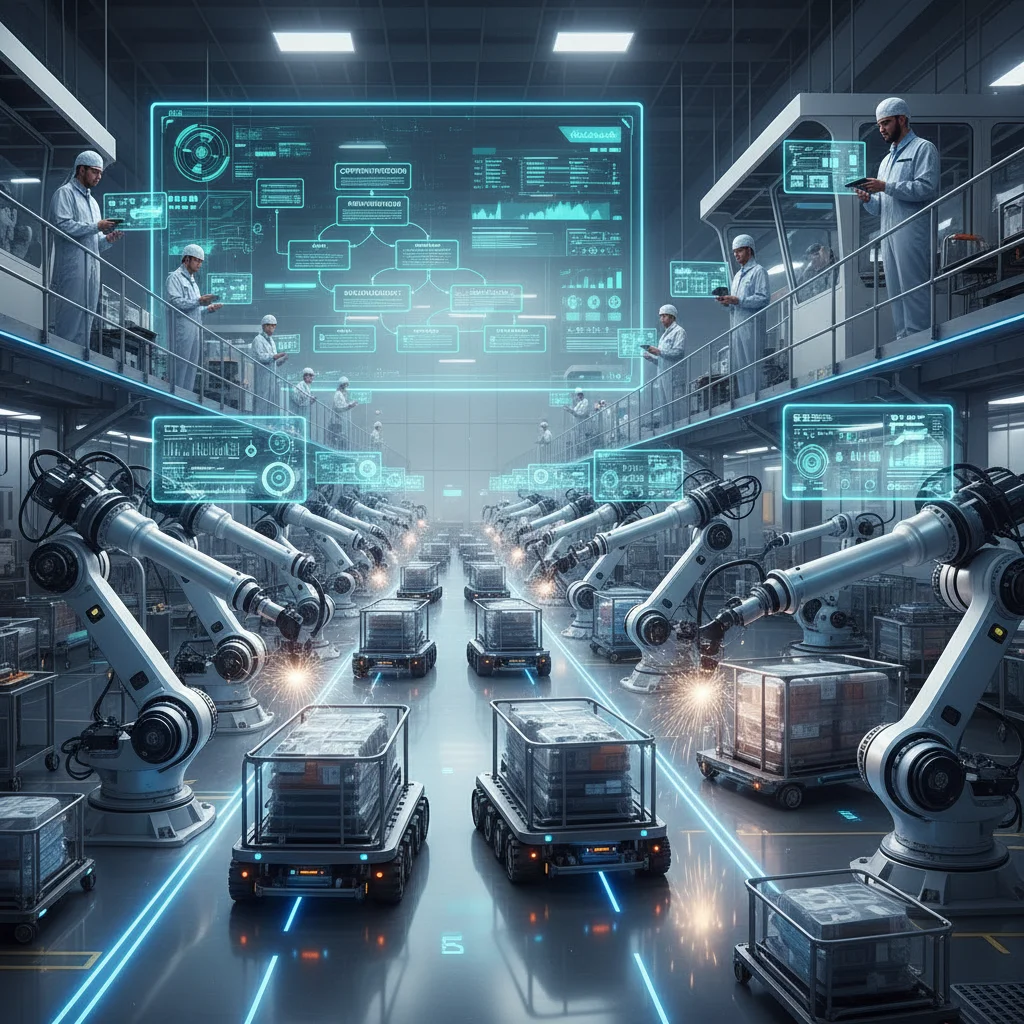
- Robotics and Automation: Increasing efficiency, reducing labor dependency, and improving consistency in manufacturing and warehousing operations, particularly in areas prone to labor shortages or high turnover.
- Digital Twins: Creating virtual models of physical supply chains, allowing businesses to simulate changes, test strategies, and predict outcomes without disrupting actual operations.
4. Inventory Optimization and Strategic Stockpiling
While ‘just-in-time’ aimed to minimize inventory, the new paradigm acknowledges the need for strategic buffers. This doesn’t mean a return to excessive stockpiling but rather intelligent inventory management:
- Safety Stock: Maintaining calculated levels of critical components or finished goods to buffer against unexpected demand surges or supply interruptions.
- Distributed Warehousing: Spreading inventory across multiple locations, including regional distribution centers, to reduce the impact of localized disruptions and shorten delivery times.
- Vendor-Managed Inventory (VMI): Collaborating closely with suppliers to manage inventory levels, ensuring optimal stock without unnecessary overhead.
5. Enhanced Collaboration and Partnerships
No single entity can achieve full supply chain resilience alone. Collaboration is key:
- Supplier Relationships: Building stronger, more collaborative relationships with key suppliers, fostering transparency and mutual trust. This includes sharing forecasts and jointly developing contingency plans.
- Industry Alliances: Forming partnerships with other companies in the same industry to share best practices, pool resources, and collectively address common vulnerabilities.
- Public-Private Partnerships: Collaborating with government agencies on infrastructure development, policy formulation, and information sharing related to critical supply chains.
The Role of Government and Policy in U.S. Supply Chain Resilience
The U.S. government plays a pivotal role in fostering a resilient supply chain ecosystem. Policy initiatives and investments are crucial enablers for businesses:
- Infrastructure Investment: Modernizing ports, roads, railways, and digital infrastructure to improve the flow of goods and information. The bipartisan infrastructure law is a significant step in this direction.
- Incentives for Reshoring/Nearshoring: Offering tax breaks, subsidies, or grants to encourage companies to bring manufacturing back to the U.S. or to allied nearshore locations.
- Data Sharing and Threat Intelligence: Facilitating the sharing of anonymized supply chain data and threat intelligence between government agencies and private sector companies to collectively identify and address vulnerabilities.
- Trade Policy and Agreements: Negotiating trade agreements that prioritize supply chain resilience, promote diversification, and reduce dependencies on single regions for critical goods.
- Workforce Development: Investing in training and education programs to develop a skilled workforce capable of operating and managing advanced, resilient supply chains, particularly in areas like logistics, data analytics, and robotics.
These governmental efforts create a supportive environment, reducing the barriers and costs associated with building more resilient supply chains for U.S. businesses.
Measuring Success: Towards a 25% Reduction by 2026
The target of a 25% reduction in disruptions by 2026 is ambitious but achievable. Measuring progress will involve tracking several key performance indicators (KPIs):
- Reduction in Lead Times: Shorter lead times for critical components and finished goods indicate a more agile and less vulnerable supply chain.
- Decrease in Stockouts: Fewer instances of critical stockouts point to improved inventory management and supplier reliability.
- Faster Recovery Times: The ability to quickly recover from disruptions, measured by the time it takes to restore normal operations, is a direct indicator of supply chain resilience.
- Lower Disruption-Related Costs: A reduction in costs incurred due to disruptions (e.g., expedited shipping, lost sales, production downtime) signifies improved mitigation strategies.
- Increased Supplier Diversification: A higher percentage of multi-sourced critical components and geographically diverse suppliers.
- Enhanced Visibility Scores: Metrics demonstrating improved real-time tracking and predictive capabilities across the supply chain.
Regular auditing and continuous improvement loops will be essential to ensure that strategies remain effective and adapt to new threats. The 25% reduction target serves as a powerful motivator and a benchmark for success, driving continuous innovation and investment in supply chain resilience.
Case Studies and Early Adopters: Paving the Way
While the goal is set for 2026, many U.S. businesses are already making significant strides. Consider the example of a major automotive manufacturer that, after facing severe chip shortages, invested heavily in dual-sourcing critical semiconductors from both Asian and European suppliers. They also partnered with a domestic foundry to explore localized production for specific, less advanced chips, diversifying their risk profile and enhancing their supply chain resilience. This strategic shift, though costly upfront, is projected to save billions in potential disruption losses over the next five years.
Another instance involves a large food retailer that implemented an AI-powered demand forecasting system, integrated with real-time weather data and geopolitical alerts. This system allows them to pre-emptively adjust inventory levels and reroute shipments, significantly reducing waste and ensuring product availability even during regional crises. Their investment in predictive analytics has already shown a measurable decrease in out-of-stock incidents and a marked improvement in freshness, directly contributing to their supply chain resilience.
These early successes demonstrate that the strategies outlined are not theoretical but are yielding tangible benefits for businesses committed to building robust supply chains. The lessons learned from these pioneers will undoubtedly inform and accelerate the adoption of similar practices across various industries.
The Long-Term Vision: Beyond 2026
While 2026 marks a significant milestone in the journey towards enhanced global supply chain resilience, it is by no means the end of the road. The landscape of global commerce, technology, and geopolitics is constantly evolving, meaning that supply chain strategies must also remain dynamic and adaptable. The investments and transformations happening now are laying the groundwork for a future where supply chains are not just resilient but inherently anti-fragile – capable of not only withstanding shocks but also emerging stronger and more optimized from them.
Future trends will likely include even greater integration of technologies like quantum computing for complex optimization, advanced materials for localized production, and a deeper understanding of human factors in supply chain management. The focus will shift from merely reacting to disruptions to proactively shaping an environment where disruptions are minimized, and recovery is instantaneous. This continuous evolution is what truly defines long-term supply chain resilience.
Conclusion: A Resilient Future for U.S. Businesses
The ambition of U.S. businesses to reduce global supply chain disruptions by 25% by 2026 is a testament to their adaptability and foresight. This target is driving a profound transformation, characterized by strategic diversification, advanced risk management, pervasive digital transformation, intelligent inventory optimization, and robust collaboration. Supported by proactive government policies, these efforts are not just about mitigating immediate threats but about fundamentally re-engineering supply chains for sustained stability and competitive advantage in an increasingly unpredictable world.
The journey towards enhanced supply chain resilience is complex and demanding, requiring continuous investment, innovation, and a collaborative spirit across industries and sectors. However, the benefits – reduced operational risks, improved customer satisfaction, increased profitability, and greater national economic security – far outweigh the challenges. By 2026, the global supply chain landscape for U.S. businesses will be markedly different: more robust, more agile, and significantly more resilient, ready to navigate the complexities of the 21st century with confidence.