Healthcare Spending Forecast 2026: Understanding the 6% Increase
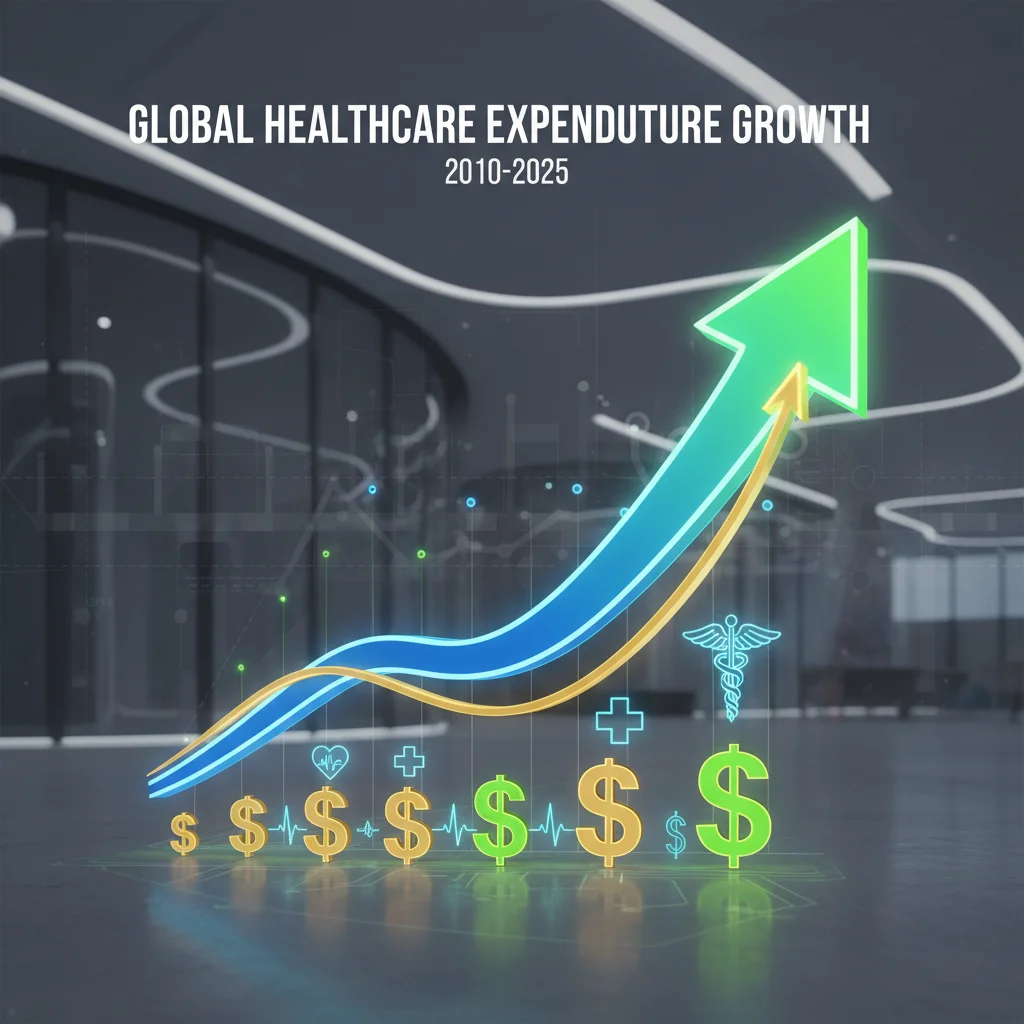
Understanding the Projected 6% Increase in National Healthcare Spending by 2026
The landscape of healthcare is in a constant state of flux, driven by an intricate web of demographic shifts, technological advancements, policy changes, and economic pressures. As we look towards the near future, projections indicate a significant uptick in national healthcare spending. Specifically, experts forecast a substantial 6% increase in healthcare spending 2026, a figure that demands close examination and understanding from all stakeholders within the healthcare ecosystem and beyond. This anticipated rise is not merely a number; it represents a confluence of powerful forces that will reshape how healthcare is delivered, funded, and accessed. For policymakers, providers, payers, and patients alike, comprehending the underlying drivers of this growth is paramount to navigating the evolving challenges and opportunities.
The implications of a 6% surge in healthcare spending 2026 are far-reaching. Economically, it signifies a larger portion of the national GDP being allocated to health services, potentially impacting other sectors and overall economic stability. For individuals, it could translate into higher premiums, increased out-of-pocket costs, or changes in coverage. For healthcare organizations, it means both opportunities for growth and increased pressure to manage costs and demonstrate value. This comprehensive analysis aims to dissect the multifaceted factors contributing to this projected increase, explore its potential economic and societal impacts, and discuss strategies for effective management and adaptation.
Key Drivers Behind the Projected Increase in Healthcare Spending 2026
Several critical factors are converging to propel the anticipated 6% increase in healthcare spending 2026. These drivers are complex and often interconnected, creating a robust momentum that is challenging to curb without significant systemic changes. Understanding each component is essential for accurate forecasting and strategic planning.
1. Demographic Shifts: An Aging Population and Chronic Disease Burden
One of the most significant and undeniable drivers is the aging demographic of many developed nations, including the United States. As the baby boomer generation continues to age, the demand for healthcare services naturally escalates. Older adults typically require more frequent and intensive medical care, including specialized treatments, long-term care, and management of multiple chronic conditions. The prevalence of chronic diseases such as diabetes, heart disease, cancer, and Alzheimer’s disease increases with age, necessitating ongoing medical interventions, medications, and support services. This demographic shift alone places immense pressure on healthcare systems, leading to higher utilization rates and, consequently, increased spending. The sheer volume of an aging population requiring more complex care is a primary engine behind the projected growth in healthcare spending 2026.
2. Medical Technology and Pharmaceutical Advancements
The relentless pace of innovation in medical technology and pharmaceuticals, while undoubtedly beneficial for patient outcomes, comes with a substantial price tag. New diagnostic tools, advanced surgical techniques, robotic-assisted procedures, and groundbreaking drug therapies often offer superior efficacy but are significantly more expensive than their predecessors. Gene therapies, personalized medicine, and highly specialized biologics are examples of cutting-edge treatments that can transform lives but at costs that can run into hundreds of thousands, if not millions, of dollars per patient. While these innovations improve quality of life and extend lifespans, their widespread adoption contributes directly to the upward trajectory of healthcare spending 2026. The research and development costs associated with bringing these innovations to market are ultimately passed on to consumers and payers.
3. Rising Labor Costs and Workforce Shortages
The healthcare sector is highly labor-intensive, relying on a vast workforce of physicians, nurses, technicians, and administrative staff. The demand for skilled healthcare professionals is outstripping supply in many areas, leading to significant workforce shortages. This imbalance creates upward pressure on wages and benefits, as healthcare organizations compete to attract and retain talent. The COVID-19 pandemic exacerbated these shortages, leading to burnout and a departure of many experienced professionals from the field. To maintain adequate staffing levels and ensure quality care, hospitals and clinics are forced to offer higher compensation, utilize more expensive temporary staffing solutions, and invest in training and recruitment. These elevated labor costs are a substantial component of the projected increase in healthcare spending 2026.
4. Inflationary Pressures and Supply Chain Costs
Like all sectors of the economy, healthcare is not immune to broader inflationary pressures. The cost of medical supplies, equipment, and energy has been steadily rising. Global supply chain disruptions, geopolitical events, and increased demand have driven up prices for everything from basic personal protective equipment (PPE) to sophisticated imaging machines. These increased operational costs are inevitably reflected in higher service charges and overall healthcare expenditures. Furthermore, the complexities of healthcare supply chains, often involving specialized components and international logistics, make them particularly vulnerable to price volatility. Managing these escalating supply chain costs will be a significant challenge for healthcare providers as we approach 2026.
5. Increased Utilization of Services and Deferred Care
The pandemic led to a period of deferred care, where many individuals postponed routine check-ups, elective surgeries, and preventative screenings. As healthcare systems normalize and concerns about contagion diminish, there is a surge in demand for these delayed services. This catch-up phenomenon contributes to a temporary but significant spike in utilization. Moreover, growing awareness of health issues, easier access to information, and sometimes, defensive medicine practices can also lead to increased testing, specialist visits, and procedures. This higher volume of services, coupled with the rising costs of individual services, directly fuels the increase in healthcare spending 2026.
Economic and Societal Impacts of Rising Healthcare Spending
A 6% increase in healthcare spending 2026 is not an isolated financial event; it ripples through the entire economy and society, affecting various groups in distinct ways. Understanding these impacts is crucial for developing effective policy responses and fostering a sustainable healthcare future.
1. Impact on Government Budgets and Public Programs
For governments, rising healthcare costs represent a significant fiscal challenge. Public programs like Medicare, Medicaid, and other national health initiatives bear a substantial portion of the burden. An increase in spending means greater allocation of taxpayer money, potentially diverting funds from other essential public services such as education, infrastructure, or defense. This can lead to difficult budgetary decisions, including potential tax increases, reductions in benefits, or increased national debt. The sustainability of these vital safety net programs becomes a central concern when healthcare spending 2026 continues its upward trend.
2. Strain on Employers and Private Insurance Premiums
Employers, who often provide health insurance as a critical benefit, face escalating costs. These increased expenses can impact their profitability, leading to slower wage growth, reduced hiring, or a shift towards less comprehensive insurance plans. For employees, this often translates into higher premiums, increased deductibles, and greater out-of-pocket expenses. The rising cost of employer-sponsored health insurance can also hinder economic competitiveness, particularly for small and medium-sized businesses struggling to absorb these increases. The ripple effect means that the projected rise in healthcare spending 2026 directly affects the financial well-being of millions of working individuals and their families.
3. Financial Burden on Individuals and Households
Patients are ultimately at the receiving end of these increased costs. Even with insurance, higher deductibles, co-pays, and co-insurance can create significant financial burdens, especially for those with chronic conditions or unexpected medical emergencies. Medical debt remains a pervasive problem, pushing many families into financial distress or even bankruptcy. The fear of high medical bills can also lead to delayed or forgone care, which can exacerbate health problems in the long run and paradoxically lead to higher costs down the line. The 6% increase in healthcare spending 2026 suggests that these financial pressures on individuals are likely to intensify.
4. Impact on Innovation and Research Investment
While technological advancements are a driver of increased spending, the economic pressures can also influence the direction and pace of future innovation. There’s a delicate balance between fostering groundbreaking research and ensuring affordability and accessibility. High costs might push pharmaceutical companies and medical device manufacturers to focus on high-margin products for specific patient populations, potentially neglecting research into less profitable but equally vital areas. Policy decisions regarding pricing, intellectual property, and research funding will play a crucial role in shaping the innovation landscape in response to rising healthcare spending 2026.
5. Health Equity and Access Disparities
Rising healthcare costs disproportionately affect vulnerable populations, including low-income individuals, racial and ethnic minorities, and those in rural areas. When costs increase, these groups often face greater barriers to accessing necessary care, leading to widening health disparities. The inability to afford preventative care or early treatment can result in more severe illnesses and higher costs in the long run. The projected increase in healthcare spending 2026 underscores the urgent need for policies that promote health equity and ensure equitable access to quality care, regardless of socioeconomic status.
Strategies for Managing and Mitigating Rising Healthcare Spending
Addressing the projected 6% increase in healthcare spending 2026 requires a multi-pronged approach involving collaboration among governments, healthcare providers, payers, technology companies, and patients. No single solution will suffice, but a combination of strategic interventions can help manage costs while maintaining or improving quality of care.
1. Value-Based Care Models and Payment Reform
Shifting from fee-for-service (FFS) models to value-based care (VBC) models is a crucial strategy. FFS incentivizes volume over value, often leading to unnecessary tests and procedures. VBC models, such as accountable care organizations (ACOs) and bundled payments, reward providers for achieving positive patient outcomes and managing costs effectively. By focusing on preventative care, care coordination, and chronic disease management, VBC aims to improve health while reducing overall expenditures. Expanding the adoption and refinement of these models can be instrumental in controlling healthcare spending 2026.
2. Investment in Preventative Care and Public Health
An ounce of prevention is worth a pound of cure, and this adage holds particularly true in healthcare. Investing in public health initiatives, health education, and preventative care can significantly reduce the incidence and severity of chronic diseases, thereby lowering the need for expensive acute care interventions. Programs promoting healthy lifestyles, vaccinations, early disease screenings, and chronic disease management support can yield substantial long-term savings. While the upfront investment may seem significant, the returns in terms of reduced healthcare spending 2026 and improved population health are undeniable.
3. Leveraging Technology for Efficiency and Personalization
While new technologies contribute to higher costs, existing and emerging digital health solutions can also drive efficiency and personalization. Telemedicine can reduce travel costs and improve access for remote populations. Artificial intelligence (AI) and machine learning (ML) can optimize administrative processes, assist in diagnostics, and personalize treatment plans, leading to more effective and less wasteful care. Electronic health records (EHRs) improve data sharing and care coordination, reducing redundant tests and medical errors. Strategic implementation of these technologies can help offset some of the cost increases associated with healthcare spending 2026.
4. Addressing Pharmaceutical Costs and Price Transparency
The high cost of prescription drugs is a major contributor to rising healthcare expenditures. Strategies to address this include negotiating drug prices, promoting generic and biosimilar competition, and exploring alternative payment models for high-cost therapies. Increased price transparency across all healthcare services, including pharmaceuticals, can empower consumers to make more informed choices and foster greater competition among providers. Policy initiatives aimed at regulating drug pricing and increasing market competition will be vital in mitigating the impact on healthcare spending 2026.
5. Workforce Development and Retention Programs
To combat rising labor costs and shortages, comprehensive workforce development and retention strategies are essential. This includes investing in training programs for new healthcare professionals, offering incentives for practicing in underserved areas, and implementing measures to reduce burnout and improve job satisfaction for existing staff. Policies that support international recruitment and streamline licensing processes can also help address immediate shortages. A stable and well-supported healthcare workforce is fundamental to managing costs and ensuring the quality of care in the face of increasing healthcare spending 2026.
The Role of Policy and Regulation
Government policies and regulations play a pivotal role in shaping the trajectory of healthcare spending 2026. Legislative actions can influence everything from insurance markets and provider reimbursement to drug pricing and public health initiatives. For instance, policies that expand insurance coverage, while increasing overall spending, can improve access and potentially reduce emergency room visits for preventable conditions. Conversely, regulations aimed at controlling hospital charges or pharmaceutical costs can directly impact expenditure growth.
The debate around healthcare policy often centers on balancing access, quality, and cost. As we approach 2026, policymakers will face increasing pressure to enact legislation that addresses the drivers of spending without compromising patient care. This may involve reforms to the Affordable Care Act, new approaches to Medicare and Medicaid funding, or innovative regulatory frameworks for emerging technologies. International comparisons and best practices can also offer valuable insights into effective policy interventions for managing healthcare costs.
Future Outlook and Conclusion
The projected 6% increase in healthcare spending 2026 serves as a critical indicator of the evolving challenges and complexities within the healthcare sector. It highlights the profound influence of an aging population, relentless technological innovation, persistent workforce issues, and broader economic forces. While these trends present significant hurdles, they also underscore the imperative for transformative change and strategic adaptation.
Successfully navigating this future will require a concerted effort from all stakeholders. Providers must focus on efficiency and value; payers must innovate in benefit design and risk management; policymakers must create a supportive regulatory environment; and patients must be empowered to make informed health decisions. The emphasis must shift towards preventative care, integrated health systems, and the judicious adoption of cost-effective technologies.
Ultimately, the goal is not merely to control spending but to ensure that every dollar spent on healthcare contributes to better health outcomes, greater equity, and a more sustainable system for future generations. The challenges of rising healthcare spending 2026 are substantial, but with foresight, collaboration, and a commitment to innovation, the healthcare landscape can evolve to meet the needs of an ever-changing world.