Build 6-Month Emergency Fund by 2026: Your Ultimate Guide

Anúncios
In an unpredictable world, financial security isn’t just a luxury; it’s a necessity. The cornerstone of true financial stability is a robust emergency fund. This isn’t just about having a rainy-day stash; it’s about building a fortress around your financial well-being, capable of weathering unexpected storms like job loss, medical emergencies, or unforeseen home repairs. Our ambitious yet entirely achievable goal? To help you build a 6-month emergency fund by the end of 2026. This comprehensive guide will break down the process into manageable steps, offering practical strategies and insights to make this goal a reality.
Many financial experts recommend having at least three to six months’ worth of living expenses saved in an easily accessible account. We’re aiming for the higher end of that spectrum because, as recent global events have shown, the unexpected can be more prolonged and impactful than we ever imagined. By the end of 2026, you’ll not only have a significant safety net but also the peace of mind that comes with knowing you’re prepared for almost anything.
Anúncios
Understanding the ‘Why’: The Importance of Your Emergency Fund
Before diving into the ‘how,’ let’s reinforce the ‘why.’ An emergency fund is not an investment; it’s insurance. It’s the buffer that prevents you from going into debt when life throws a curveball. Without it, a sudden car repair could mean maxing out a credit card, accumulating high-interest debt that takes months, or even years, to pay off. A job loss could force you to dip into your retirement savings, incurring penalties and derailing your long-term financial goals.
Think of your emergency fund as your personal financial airbag. You hope you never need it, but you’ll be incredibly grateful it’s there if you do. It provides:
- Peace of Mind: Knowing you have a safety net reduces financial stress and anxiety.
- Freedom from Debt: Avoids high-interest credit card debt or loans during crises.
- Protection for Investments: Prevents you from liquidating investments at an inopportune time.
- Flexibility: Gives you time to make sound decisions during a crisis, rather than rushed, desperate ones.
Our target of a 6-month emergency fund by 2026 offers substantial protection, allowing you ample time to recover from most financial setbacks without compromising your future.
Anúncios
Step 1: Calculate Your Target: What Does 6 Months of Living Expenses Look Like?
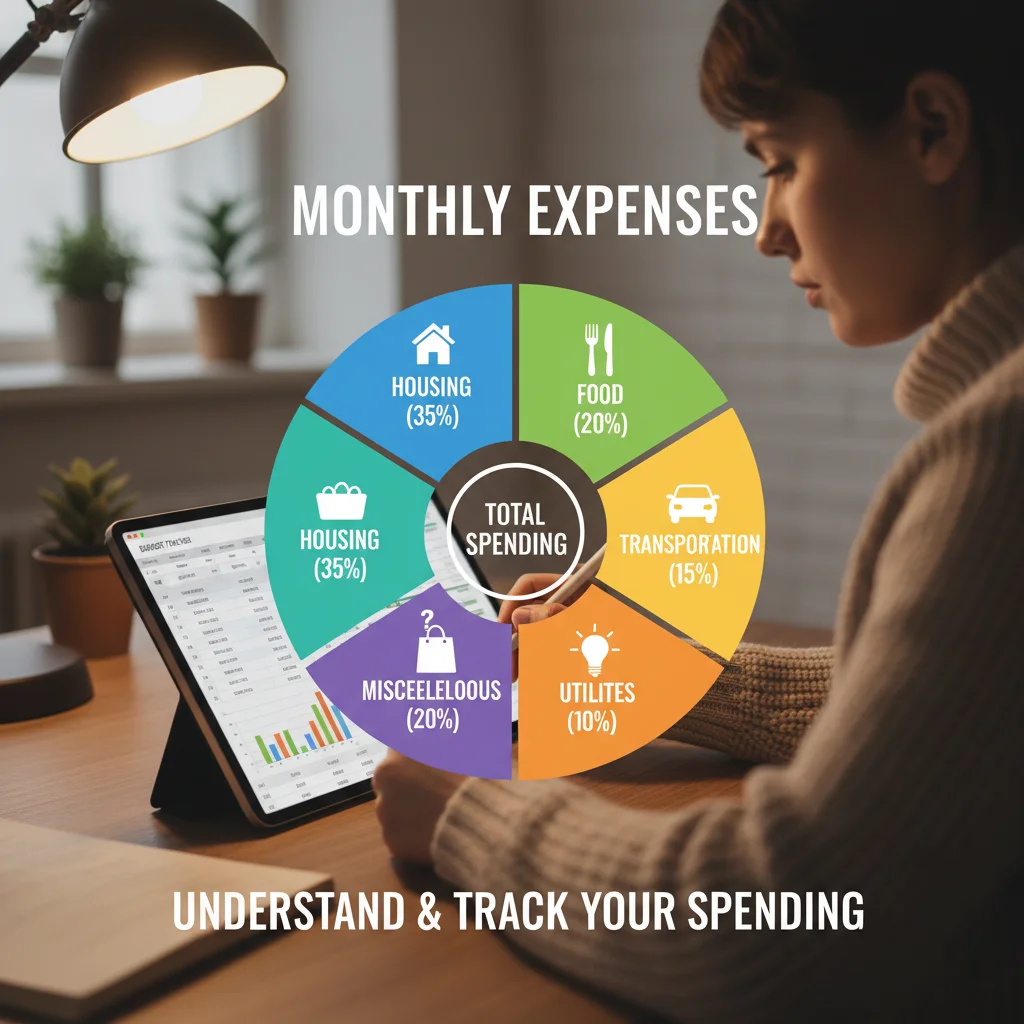
The first crucial step in building your emergency fund by 2026 is to accurately determine your target amount. This isn’t about saving a random sum; it’s about saving precisely what you need to cover your essential living expenses for six months. This requires a thorough examination of your current spending.
Identify Your Essential Monthly Expenses
Go through your bank statements, credit card bills, and utility statements for the past three to six months. Categorize every expense. Be honest with yourself. Essential expenses are those you absolutely cannot live without. These typically include:
- Housing: Rent or mortgage payment, property taxes, homeowner’s insurance.
- Utilities: Electricity, gas, water, internet (often considered essential in modern life).
- Food: Groceries (not dining out and lavish takeout, but basic sustenance).
- Transportation: Car payment, insurance, gas, public transport fares (if essential for work/life).
- Healthcare: Insurance premiums, necessary medications.
- Minimum Debt Payments: Student loan minimums, credit card minimums (though ideally, you’d pause extra payments during an emergency).
Distinguish Needs from Wants
This is where many people stumble. Dining out, subscription services (Netflix, Spotify, gym memberships you rarely use), daily lattes, new clothes, entertainment, and vacations are generally *not* essential during an emergency. Your emergency fund is for survival, not lifestyle maintenance. When calculating your target, only include the bare minimum needed to keep a roof over your head, food on the table, and essential services running.
Example Calculation:
- Rent/Mortgage: $1,500
- Utilities: $250
- Groceries: $400
- Transportation: $200
- Insurance (Health/Car): $300
- Minimum Debt Payments: $150
- Total Essential Monthly Expenses: $2,800
If your essential monthly expenses are $2,800, then your 6-month emergency fund target is $2,800 x 6 = $16,800. This is your specific target for your emergency fund by 2026. Write it down and keep it visible.
Step 2: Create Your Budget: The Foundation of Saving
Once you know your target, the next step is to create a budget that prioritizes saving for your emergency fund by 2026. A budget isn’t about restriction; it’s about control and intentional spending. It gives every dollar a job.
Choose a Budgeting Method
There are several popular budgeting methods. Find one that suits your style:
- 50/30/20 Rule: 50% of income for Needs, 30% for Wants, 20% for Savings & Debt Repayment. This is a great starting point for many.
- Zero-Based Budgeting: Every dollar is assigned a job (spending, saving, debt) until your income minus expenses equals zero. This is highly effective for maximizing savings.
- Envelope System: For cash spenders, allocate specific amounts of cash to different expense categories.
- Budgeting Apps/Software: Tools like Mint, YNAB (You Need A Budget), or Personal Capital can automate tracking and provide insights.
Identify Areas to Cut Back
With your essential expenses identified, look at your ‘wants.’ This is where you’ll find the money to fuel your emergency fund by 2026. Be ruthless initially. You can always reintroduce some luxuries once your fund is established.
- Reduce Discretionary Spending: Cut back on dining out, entertainment, subscriptions, and impulse purchases.
- Negotiate Bills: Call your internet, cable, and insurance providers to see if you can get better rates.
- Shop Smarter: Meal plan, buy in bulk, use coupons, and avoid unnecessary trips to the grocery store.
- Temporary Sacrifices: Consider pausing non-essential spending for a few months to kickstart your savings.
Automate Your Savings
This is arguably the most critical budgeting tip. Set up an automatic transfer from your checking account to your dedicated emergency fund savings account every payday. Treat this transfer like a non-negotiable bill. If you wait until the end of the month to save what’s left, there often won’t be anything left. Pay yourself first!
Step 3: Supercharge Your Savings: Accelerating Your Progress
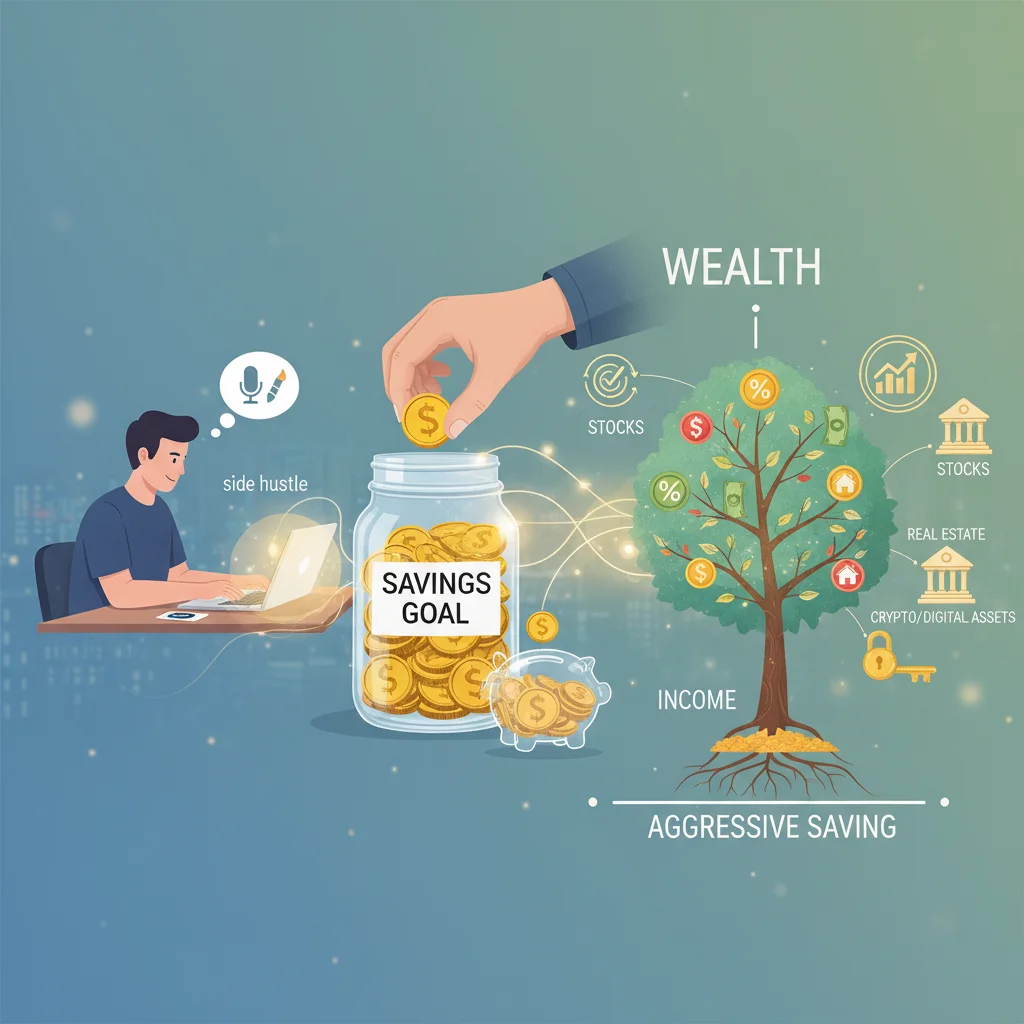
To reach your 6-month emergency fund by 2026 goal, simply cutting expenses might not be enough. You might need to actively increase your income or find additional ways to save.
Increase Your Income
Consider these options to boost your earning potential:
- Side Hustles: Freelancing, ride-sharing, food delivery, pet sitting, online tutoring, selling crafts – there are countless ways to earn extra money in your spare time.
- Sell Unused Items: Declutter your home and sell clothes, electronics, furniture, or collectibles on platforms like eBay, Facebook Marketplace, or local consignment shops. Every dollar earned goes straight to your emergency fund.
- Ask for a Raise: If you haven’t had one recently and feel you’re due, prepare a strong case and ask your employer for a salary increase.
- Overtime: If available at your job, pick up extra shifts.
- Temporary Gigs: Take on seasonal work or short-term contracts.
Find Creative Ways to Save More
- Challenge Yourself: Try a ‘no-spend month’ or a ’30-day meal prep challenge’ to see how much you can save.
- Bank Bonuses: Some banks offer cash bonuses for opening new accounts and meeting certain deposit requirements. Just be sure to read the fine print and ensure the account is suitable for your emergency fund.
- Tax Refunds/Bonuses: If you receive a tax refund or work bonus, resist the urge to spend it. Direct it straight into your emergency fund by 2026.
Step 4: Where to Keep Your Emergency Fund: Accessibility and Safety
The location of your emergency fund is critical. It needs to be safe, liquid (easily accessible), and separate from your everyday spending money.
High-Yield Savings Account (HYSA)
This is the ideal place for your emergency fund. HYSAs offer:
- Higher Interest Rates: While not a primary investment, the interest earned helps your money grow slightly faster than a traditional savings account.
- Liquidity: Funds are readily available, usually within 1-3 business days if transferred to a checking account.
- Safety: HYSAs are FDIC-insured (up to $250,000 per depositor per institution), meaning your money is protected even if the bank fails.
- Separation: Keeping it in a separate account, often at a different bank, reduces the temptation to dip into it for non-emergencies.
Avoid keeping your emergency fund in:
- Checking Account: Too easy to spend.
- Investment Accounts (Stocks, Bonds): Subject to market fluctuations, and you might need to sell at a loss during an emergency.
- Cash at Home: Risk of loss, theft, or damage, and no FDIC insurance.
Step 5: Stay Motivated and Track Your Progress
Building a 6-month emergency fund by 2026 is a marathon, not a sprint. Maintaining motivation is key.
Set Milestones
Break your large goal into smaller, achievable milestones. Instead of focusing solely on the $16,800 target, celebrate reaching your first $1,000, then your first month’s expenses, then two months, and so on. Each milestone provides a sense of accomplishment and keeps you going.
Visualize Your Progress
Use a visual tracker – a thermometer chart, a spreadsheet, or a savings app. Seeing your fund grow can be incredibly motivating. Update it regularly.
Review and Adjust Regularly
Life changes, and so should your budget and savings plan. Review your progress monthly or quarterly. Have your expenses changed? Has your income increased? Adjust your savings contributions accordingly to stay on track for your emergency fund by 2026 goal.
Reward Yourself (Responsibly)
When you hit a major milestone, consider a small, non-financial reward. A special meal cooked at home, a hike, or a movie night. Avoid spending money from your emergency fund on rewards.
Potential Roadblocks and How to Overcome Them
The journey to building a substantial emergency fund by 2026 won’t always be smooth. Here are common challenges and solutions:
- Unexpected Expenses During the Saving Period: If a true emergency arises before your fund is complete, use the money you’ve saved. That’s what it’s for! The key is to then immediately refocus on rebuilding it. Don’t get discouraged; see it as a test run for your system.
- Lack of Motivation: Revisit your ‘why.’ Remind yourself of the peace of mind and security you’re building. Talk to a trusted friend or family member about your goal for accountability.
- Income Fluctuations: If your income is irregular, focus on saving more during high-income months to offset leaner periods. Consider building a slightly larger fund to account for income variability.
- Feeling Deprived: Remember that this is a temporary period of intense focus. Once your emergency fund is fully funded, you can adjust your budget to allow for more discretionary spending, knowing your financial safety net is secure.
What Happens After You Reach Your Goal?
Congratulations! You’ve built your 6-month emergency fund by the end of 2026. Now what?
- Maintain It: Your emergency fund isn’t a one-and-done project. It needs to be maintained. If you use part of it, prioritize rebuilding it as quickly as possible.
- Review Periodically: Re-evaluate your essential living expenses annually. Have they increased? Adjust your fund size if necessary.
- Shift Focus: With your emergency fund secure, you can now confidently shift your savings focus to other financial goals: retirement, a down payment on a home, a child’s education, or investing for wealth creation.
Having a fully funded emergency fund opens up a world of possibilities and reduces financial stress significantly. It allows you to take calculated risks with investments, knowing you have a safety net. It gives you the freedom to pursue career changes or take a sabbatical if needed. It truly is the foundation of a resilient financial life.
Conclusion: Your Financial Future by 2026
Building a 6-month emergency fund by the end of 2026 is an ambitious but entirely achievable goal. It requires discipline, careful planning, and a commitment to your financial well-being. By calculating your target, creating a realistic budget, actively seeking ways to increase your savings, and storing your funds wisely, you can transform your financial landscape.
Imagine the peace of mind knowing that come 2027, you’ll have a substantial financial cushion, ready to absorb whatever life throws your way. This isn’t just about money; it’s about building resilience, reducing stress, and gaining true financial freedom. Start today, stay consistent, and celebrate every milestone. Your future self will thank you for the hard work you put in now to secure your emergency fund by 2026.