
Understanding the intricacies of Supplemental Security Income (SSI) is crucial for millions of Americans who rely on these benefits. As we approach 2026, significant program adjustments are on the horizon, promising to reshape the financial landscape for seniors and disabled individuals. This comprehensive guide delves into the anticipated SSI 2026 adjustments, exploring how recent legislative changes, economic factors, and cost-of-living increases will impact monthly supplemental income. Our goal is to provide clarity and actionable insights, ensuring you are well-prepared for what lies ahead.
SSI is a federal program designed to provide financial assistance to low-income individuals who are aged 65 or older, blind, or disabled. Unlike Social Security benefits, which are based on an individual’s work history, SSI is a needs-based program. This distinction is vital when discussing SSI 2026 adjustments, as the criteria for eligibility and benefit calculations are subject to different policy considerations. The program aims to ensure that eligible individuals have a minimum income level to meet their basic needs, covering essentials like food, clothing, and shelter.
The Foundation of SSI: Who Benefits and Why It Matters
Before we dissect the SSI 2026 adjustments, let’s establish a clear understanding of the program’s beneficiaries and its overarching importance. SSI serves a vulnerable segment of the population, including:
- Seniors (65 and older): Individuals who meet income and resource limits.
- Blind Individuals: Adults and children who meet the Social Security Administration’s (SSA) definition of blindness.
- Disabled Individuals: Adults and children with a severe physical or mental impairment that prevents them from engaging in substantial gainful activity and is expected to last for at least 12 months or result in death.
The monthly supplemental income provided by SSI is often a lifeline, helping recipients cover basic living expenses. Without it, many would face severe financial hardship. Therefore, any SSI 2026 adjustments are not merely bureaucratic changes; they have profound real-world implications for the daily lives of millions.
Understanding the Mechanisms of SSI Adjustments
SSI benefits are not static; they are subject to periodic adjustments to account for various economic and legislative factors. The primary mechanism for these changes is the Cost-of-Living Adjustment (COLA), which is typically announced in the fall of each year and takes effect the following January. However, SSI 2026 adjustments may encompass more than just COLA, including potential legislative reforms and administrative policy shifts.
Cost-of-Living Adjustments (COLA)
COLA is designed to ensure that the purchasing power of benefits is not eroded by inflation. It is calculated based on the Consumer Price Index for Urban Wage Earners and Clerical Workers (CPI-W). When the CPI-W increases, benefits are adjusted upwards to reflect the rising cost of goods and services. While COLA applies to both Social Security and SSI, its impact on SSI recipients, who often have very limited other income, is particularly significant. For SSI 2026 adjustments, the COLA will be a critical component, reflecting the economic conditions of the preceding year.
Legislative Reforms and Policy Changes
Beyond COLA, legislative reforms can introduce more structural SSI 2026 adjustments. These reforms can originate from Congress and may involve changes to eligibility criteria, income and resource limits, or the benefit calculation methodology itself. Historically, there have been ongoing discussions about modernizing the SSI program to better serve its beneficiaries and adapt to contemporary economic realities. Such discussions could materialize into concrete policy changes by 2026, leading to significant shifts in how benefits are administered and received.
Administrative Updates by the Social Security Administration (SSA)
The SSA, which administers the SSI program, also has the authority to make administrative adjustments. These might include changes to application processes, reporting requirements, or how certain types of income and resources are treated. While often less dramatic than legislative reforms, these administrative SSI 2026 adjustments can still have a tangible impact on recipients, affecting ease of access to benefits and compliance requirements.
Key Areas of Anticipated SSI 2026 Adjustments
As we look towards 2026, several key areas are likely to see SSI 2026 adjustments. These include changes to the federal benefit rate, income and resource limits, and potentially, the treatment of certain types of income.
Federal Benefit Rate (FBR)
The Federal Benefit Rate (FBR) is the maximum monthly SSI payment an eligible individual can receive. This rate is directly affected by COLA. Therefore, any COLA announced in late 2025 will dictate the FBR for 2026. A higher COLA means a higher FBR, providing more financial relief to recipients. Conversely, a low or no COLA would mean the FBR remains stagnant, potentially reducing the purchasing power of benefits in an inflationary environment. Understanding the projected economic forecasts for 2025 is crucial for anticipating the SSI 2026 adjustments to the FBR.
Income and Resource Limits
SSI is a needs-based program, meaning eligibility and benefit amounts are determined by an individual’s income and resources. These limits are also subject to periodic adjustments. For 2026, we can expect updates to:
- General Income Exclusion (GIE): The amount of earned or unearned income that is not counted when determining SSI eligibility and benefit amounts.
- Earned Income Exclusion (EIE): The portion of earned income that is disregarded.
- Resource Limit: The maximum amount of countable assets an individual or couple can have to be eligible for SSI. This limit has historically been $2,000 for an individual and $3,000 for a couple, but there have been calls for its modernization. Any changes here would be significant SSI 2026 adjustments.
Changes to these limits can expand or contract the pool of eligible individuals and influence the amount of benefits received. Keeping abreast of these potential SSI 2026 adjustments is essential for current and prospective recipients.
Treatment of In-Kind Support and Maintenance (ISM)
In-Kind Support and Maintenance (ISM) refers to food or shelter that someone else provides to an SSI recipient. The value of ISM can reduce an individual’s SSI benefits. The SSA has been exploring ways to simplify the ISM rules, which are often complex and can lead to benefit reductions for individuals living with family or receiving assistance from others. Any simplification or reform in this area would represent a significant SSI 2026 adjustment, potentially leading to higher benefits for some recipients.

How SSI 2026 Adjustments Will Affect Seniors
For seniors, SSI 2026 adjustments are particularly important, as many rely on these benefits to supplement their often-modest Social Security payments or other limited income. An increase in the FBR due to COLA will provide much-needed relief from rising living costs. However, changes to income and resource limits could also play a significant role. For instance, if the resource limit is increased, more seniors who previously exceeded the limit might become eligible for SSI, or current recipients might have more flexibility in their savings without jeopardizing their benefits.
Furthermore, any changes to the treatment of ISM could benefit seniors who live with adult children or other family members, as the reduction in their SSI benefits due to shared living expenses might be lessened. This would be a welcome SSI 2026 adjustment for many.
Impact of SSI 2026 Adjustments on Disabled Individuals
Disabled individuals, both adults and children, constitute a large portion of SSI beneficiaries. For this group, SSI 2026 adjustments can have a profound impact on their ability to maintain independence and access necessary services. Increased federal benefit rates will help cover essential expenses, including medical costs not fully covered by other programs.
Changes to earned income exclusions are particularly relevant for disabled individuals who are able to work part-time. If these exclusions are increased, it could incentivize more recipients to seek employment or increase their work hours without fear of losing a substantial portion of their benefits. This would be a positive SSI 2026 adjustment, promoting greater financial autonomy.
Moreover, discussions around simplifying the application process and reducing administrative burdens could make it easier for disabled individuals to apply for and maintain their benefits, reducing stress and improving overall program accessibility.
Navigating Potential Challenges and Opportunities with SSI 2026 Adjustments
While SSI 2026 adjustments often aim to improve the program, they can also present challenges. It is essential for recipients to stay informed and understand how these changes might specifically affect their individual circumstances.
Staying Informed
The most crucial step is to stay informed. The SSA typically announces COLA and other significant program changes well in advance. Regularly checking the official SSA website, consulting with benefit specialists, or subscribing to relevant newsletters can help you track anticipated SSI 2026 adjustments. Advocacy groups and non-profit organizations often provide valuable resources and updates tailored to SSI recipients.
Financial Planning and Budgeting
Understanding how your monthly supplemental income might change is vital for effective financial planning. If SSI 2026 adjustments result in higher benefits, consider how to best utilize these funds to improve your quality of life or build a small emergency fund. If, for any reason, benefits remain stagnant or are marginally increased, it becomes even more critical to budget carefully and explore other available resources.
Reporting Changes to the SSA
SSI recipients have an ongoing responsibility to report changes in their income, resources, living arrangements, and other relevant factors to the SSA. Failure to do so can lead to overpayments, which the SSA may then seek to recover. As SSI 2026 adjustments come into effect, there might be new reporting requirements or clarifications. Always ensure you understand and comply with these rules to avoid any issues with your benefits.
Historical Context: Lessons from Previous SSI Adjustments
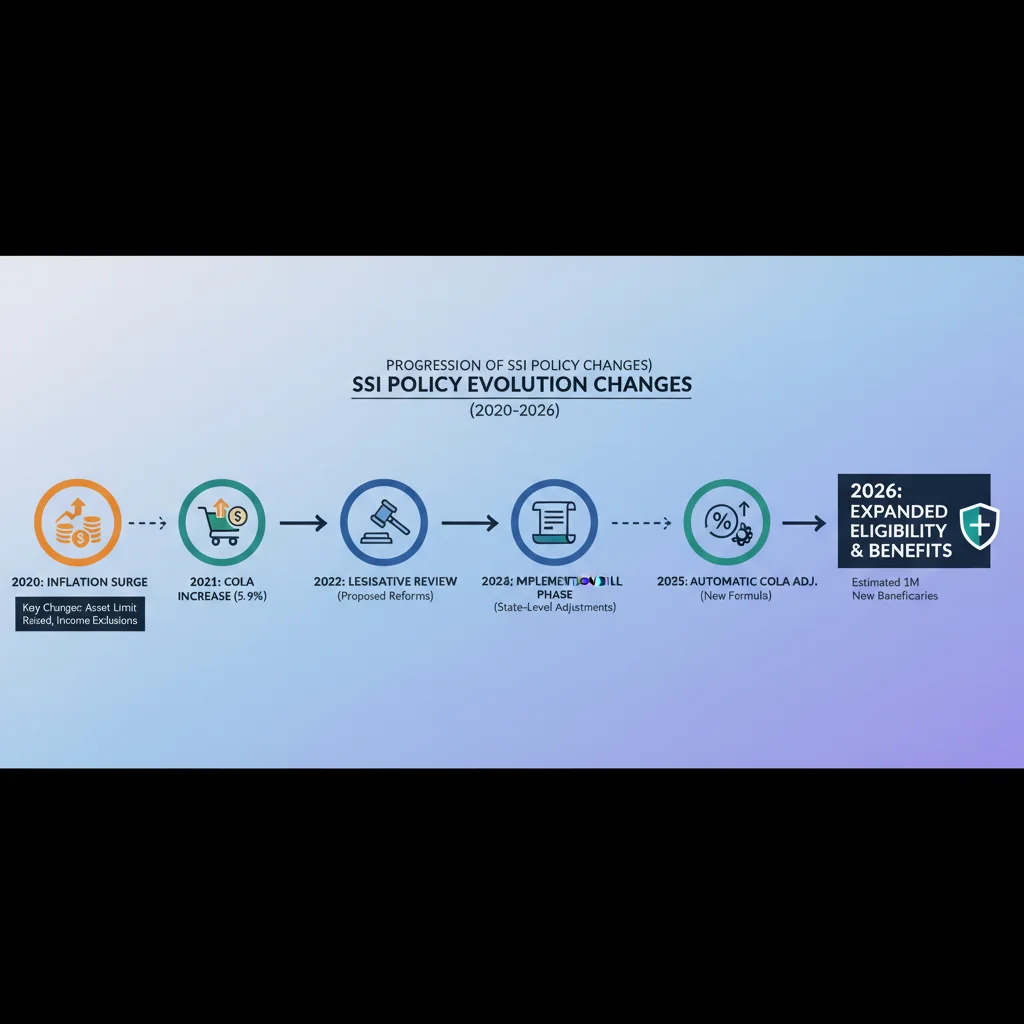
Examining past SSI adjustments can offer valuable insights into what to expect in 2026. Historically, COLA increases have been a consistent feature, though their magnitude varies depending on inflation rates. There have also been instances of legislative changes aimed at modernizing the program, such as efforts to streamline administrative processes or address specific needs of certain beneficiary groups.
For example, past debates have centered on the adequacy of the resource limit, which has remained unchanged for decades despite significant inflation. Any movement on this front in the SSI 2026 adjustments would be a landmark change, acknowledging the increased cost of living and allowing recipients more flexibility in their modest savings.
The Role of Advocacy and Public Discourse
Public discourse and advocacy play a crucial role in shaping SSI adjustments. Organizations advocating for seniors and disabled individuals consistently highlight the challenges faced by recipients and propose reforms to improve the program’s effectiveness and fairness. These efforts often influence legislative agendas and can lead to significant policy changes. Staying engaged with these discussions can provide a deeper understanding of the forces driving potential SSI 2026 adjustments.
Preparing for SSI 2026 Adjustments: A Proactive Approach
Being proactive is key to successfully navigating the SSI 2026 adjustments. Here’s a checklist to help you prepare:
- Monitor SSA Announcements: Regularly check the official Social Security Administration website for updates on COLA and any policy changes.
- Review Your Current Benefits: Understand your current benefit amount, how it’s calculated, and what factors might influence it.
- Assess Your Income and Resources: Keep an accurate record of your income and assets. If you anticipate changes, understand how they might interact with SSI limits.
- Consult a Benefits Specialist: If you have complex circumstances or questions about how SSI 2026 adjustments might affect you, consider seeking advice from a qualified benefits specialist or a legal aid organization.
- Understand Reporting Requirements: Familiarize yourself with the SSA’s reporting rules to ensure timely and accurate submission of any changes in your situation.
- Engage with Advocacy Groups: Stay connected with organizations that advocate for SSI recipients. They often provide valuable insights and support.
By taking these steps, you can ensure you are well-informed and prepared for any changes that come with the SSI 2026 adjustments, allowing you to maximize your benefits and maintain financial stability.
The Future of SSI: Beyond 2026
While our focus is on SSI 2026 adjustments, it’s important to recognize that the program is constantly evolving. Discussions about long-term sustainability, adequacy of benefits, and modernization will continue beyond 2026. Future adjustments might address:
- Increasing the FBR: Calls for raising the federal benefit rate to a level closer to the federal poverty line.
- Modernizing Resource Limits: Adjusting the outdated resource limits to reflect contemporary economic realities.
- Simplifying Income Exclusions: Making the rules around earned income and unearned income exclusions easier to understand and more beneficial for recipients.
- Streamlining Application Processes: Reducing bureaucratic hurdles for applicants and recipients.
These potential future reforms underscore the dynamic nature of the SSI program and the ongoing efforts to ensure it effectively serves its intended purpose. The SSI 2026 adjustments are just one step in this continuous journey of adaptation and improvement.
Conclusion: Embracing the Future of SSI
The SSI 2026 adjustments represent a critical juncture for millions of seniors and disabled individuals across the United States. By understanding the mechanisms of these changes, anticipating their impact, and proactively preparing, recipients can navigate the evolving landscape of supplemental income with confidence. Whether through COLA increases, legislative reforms, or administrative updates, these adjustments are designed to ensure the SSI program continues to provide essential financial support to those who need it most. Stay informed, plan wisely, and utilize available resources to ensure you are well-positioned for the future of SSI.