Achieving a 20% Down Payment by 2026: An Actionable Plan for First-Time Homebuyers
The dream of homeownership is a universal aspiration for many, yet the hurdle of a substantial down payment often feels insurmountable, especially for first-time homebuyers. With property values on a steady climb and interest rates fluctuating, the idea of saving a 20% down payment can seem like a daunting task. However, with a clear strategy, disciplined execution, and a realistic timeline, achieving a 20% down payment by 2026 is not just a pipe dream; it’s an achievable goal. This comprehensive guide is designed to equip first-time homebuyers with the knowledge, tools, and motivation needed to make that dream a reality. We will break down the process into manageable steps, focusing on budgeting, saving, and smart financial decisions to help you reach your down payment goals for 2026.
Why Aim for a 20% Down Payment? The Benefits Explained
Before diving into the ‘how,’ let’s understand the ‘why.’ While it’s possible to buy a home with a smaller down payment (sometimes as low as 3-5% for certain loan types), aiming for 20% offers significant advantages that can save you tens of thousands of dollars over the life of your loan. The primary benefit is avoiding Private Mortgage Insurance (PMI). PMI is an extra monthly fee added to your mortgage payment when you put down less than 20% of the home’s purchase price. It protects the lender, not you, in case you default on your loan. Eliminating PMI immediately reduces your monthly housing costs, freeing up more money for other financial goals or home improvements.
Beyond PMI, a larger down payment also translates to a smaller loan amount, which means less interest paid over time. Even a slight reduction in your loan principal can lead to substantial savings over 15 or 30 years. Furthermore, having more equity in your home from day one provides a stronger financial footing and greater flexibility. It can also make you a more attractive borrower to lenders, potentially leading to better interest rates and more favorable loan terms. In a competitive housing market, a strong offer with a significant down payment can also make your bid stand out.
Understanding Your Financial Landscape: The First Step Towards Your 20% Down Payment
The journey to a 20% down payment by 2026 begins with a thorough understanding of your current financial situation. This involves a clear-eyed assessment of your income, expenses, debts, and existing savings. Think of it as mapping out your starting point before embarking on a long journey. Many aspiring homeowners skip this crucial step, leading to unrealistic goals and eventual frustration. Take the time to gather all your financial statements, including bank accounts, credit card bills, loan statements, and pay stubs. This detailed review will provide the foundation for your saving strategy.
Calculate Your Target Down Payment for 2026
To set a realistic goal, you need to estimate the future cost of a home in your desired area. Research current median home prices in your target neighborhoods. While predicting future housing market trends precisely is difficult, you can make an educated guess. For example, if the average home price in your area is currently $350,000, and you anticipate a modest 3-5% annual appreciation, a home in 2026 might cost around $380,000 to $400,000. A 20% down payment on a $400,000 home would be $80,000. This is your target number for your down payment 2026 goal.
Analyze Your Income and Expenses
Create a detailed budget that tracks every dollar coming in and going out. Use budgeting apps, spreadsheets, or even pen and paper – whatever works best for you. Categorize your expenses into fixed (rent, car payments, insurance) and variable (groceries, entertainment, dining out). Be brutally honest about where your money is going. Many people are surprised to find how much they spend on non-essentials. Identifying these areas is crucial for finding money to save towards your down payment 2026 target.
Assess Your Debts
High-interest debt, such as credit card balances, can significantly hinder your ability to save. Prioritize paying down these debts. Not only will it free up more cash flow for saving, but it will also improve your credit score, which is vital for securing a favorable mortgage rate. While paying off debt, continue to make minimum payments on other loans. Your debt-to-income ratio is a key factor lenders consider, so reducing debt improves your overall financial health and makes you a more attractive borrower.
Strategic Saving: Actionable Steps to Reach Your Down Payment by 2026
Once you have a clear picture of your finances, it’s time to implement a robust saving strategy. This isn’t just about cutting back; it’s about making intentional choices that prioritize your down payment 2026 goal.
Automate Your Savings
The easiest way to save consistently is to automate it. Set up automatic transfers from your checking account to a dedicated savings account (preferably a high-yield savings account) immediately after each paycheck. Treat this transfer as a non-negotiable expense, just like rent or utilities. Start with an amount you’re comfortable with and gradually increase it as you find more areas to save. This ‘pay yourself first’ approach ensures that your down payment 2026 fund grows steadily without you having to actively think about it.
Cut Unnecessary Expenses Ruthlessly
This is where your detailed budget analysis comes into play. Identify areas where you can reduce spending without significantly impacting your quality of life. This might include:
- Eating out less and cooking more at home.
- Canceling unused subscriptions or memberships.
- Finding cheaper alternatives for transportation or entertainment.
- Reducing impulse purchases.
- Shopping for groceries with a list and avoiding unnecessary items.
Even small cuts can add up to significant savings over three years. Every dollar saved is a dollar closer to your down payment 2026 goal.
Boost Your Income
Saving isn’t just about cutting expenses; it’s also about increasing your income. Consider taking on a side hustle, freelancing, or working overtime. Even a few hundred extra dollars a month can significantly accelerate your savings. Explore opportunities to negotiate a raise at your current job or seek out higher-paying positions if you’re underpaid. All additional income should ideally go directly into your down payment fund. This proactive approach can drastically shorten the time it takes to achieve your down payment 2026 target.
Track Your Progress and Stay Motivated
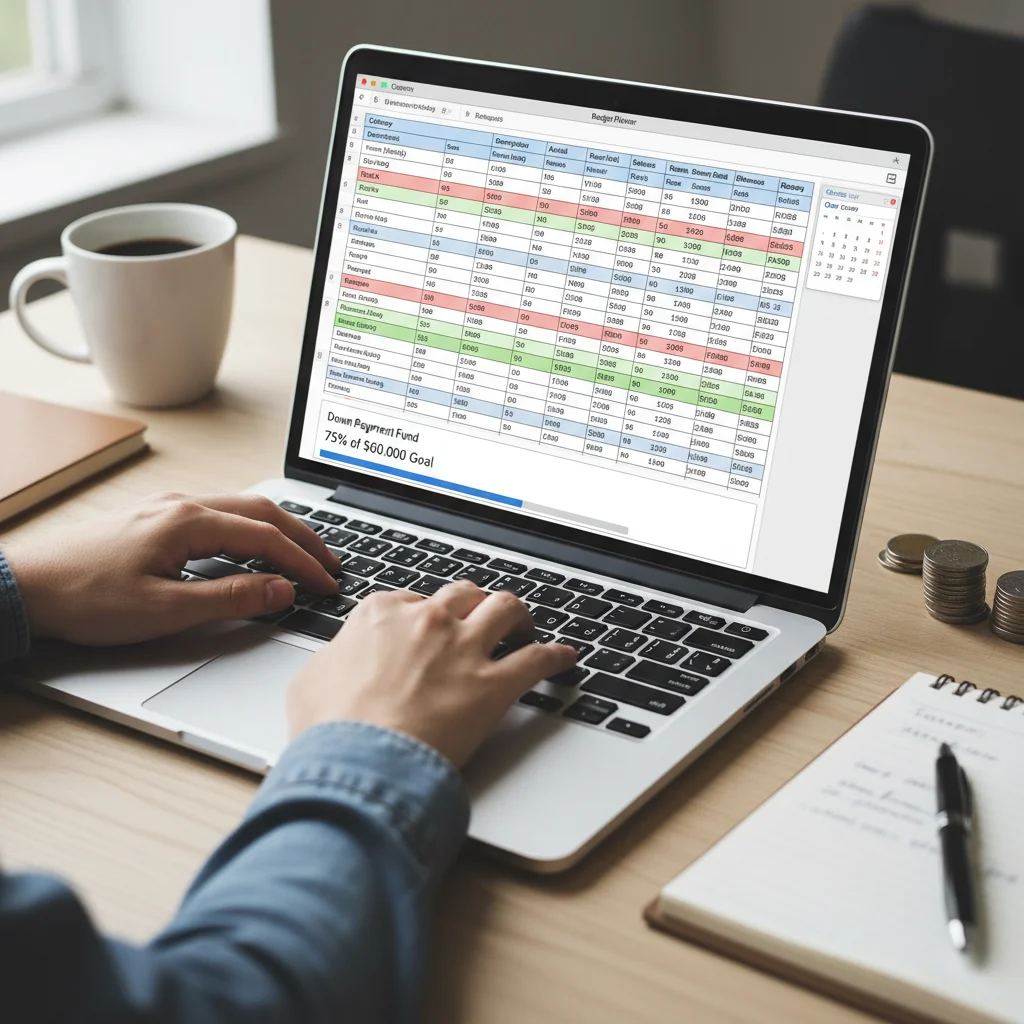
Saving for a large sum like a down payment can be a marathon, not a sprint. Regularly track your progress. Seeing your savings grow can be incredibly motivating. Use a visual tracker, a spreadsheet, or a budgeting app to monitor your down payment 2026 fund. Celebrate small milestones along the way, but stay focused on the ultimate goal. Share your goal with a trusted friend or family member who can hold you accountable and offer encouragement.
Smart Financial Moves to Accelerate Your Down Payment Savings
Beyond basic budgeting and saving, there are several smart financial moves you can make to accelerate your progress toward a 20% down payment by 2026.
Utilize High-Yield Savings Accounts
Don’t let your down payment savings sit in a traditional checking account earning negligible interest. Transfer your funds to a high-yield savings account (HYSA). While interest rates fluctuate, HYSAs typically offer significantly better returns than standard savings accounts, allowing your money to grow faster. Even a few extra percentage points of interest can add up to hundreds or thousands of dollars over three years, contributing nicely to your down payment 2026 fund.
Consider First-Time Homebuyer Programs
Many states and local governments offer assistance programs for first-time homebuyers. These can include down payment assistance, grants, or favorable loan terms. Research programs available in your area. While some might have income limits or other criteria, they could provide a much-needed boost to your down payment 2026 efforts. Even if you’re aiming for 20%, these programs can sometimes reduce the amount you need to save out-of-pocket or cover closing costs.
Invest Windfalls Wisely
Any unexpected influx of cash – a tax refund, a work bonus, an inheritance, or even a generous gift – should be earmarked for your down payment 2026. Resist the temptation to spend it on discretionary items. These windfalls can provide significant jumps in your savings progress and help you reach your goal faster than planned.
Review and Adjust Your Plan Regularly
Life happens, and your financial situation can change. Review your budget and savings plan quarterly or at least twice a year. Are you on track to meet your down payment 2026 goal? Have your income or expenses changed? Are there new opportunities to save or earn more? Be flexible and willing to adjust your strategy as needed. The key is to remain committed to the overall objective.
Understanding the Full Cost of Homeownership Beyond the Down Payment
While saving for a 20% down payment by 2026 is a significant undertaking, it’s crucial to remember that it’s only one part of the overall cost of buying a home. First-time homebuyers often overlook other essential expenses, which can lead to financial strain if not planned for. Being aware of these additional costs upfront will allow you to budget more effectively and avoid unpleasant surprises.
Closing Costs
Closing costs are fees paid at the closing of a real estate transaction. These typically range from 2% to 5% of the home’s purchase price and cover various services, including lender fees, title insurance, appraisal fees, legal fees, and recording fees. For a $400,000 home, closing costs could be anywhere from $8,000 to $20,000. It’s vital to budget for these separately from your down payment 2026. Some first-time homebuyer programs might offer assistance with closing costs, or you might be able to negotiate with the seller to cover a portion of them.
Emergency Fund
Before becoming a homeowner, it’s highly recommended to have a robust emergency fund. This fund should ideally cover 3-6 months of living expenses. Once you own a home, unexpected repairs and maintenance issues can arise. A leaky roof, a broken appliance, or a sudden plumbing issue can be costly. Your emergency fund acts as a financial buffer, preventing you from dipping into your down payment savings or going into debt for home repairs. This fund is separate from your down payment 2026 savings.
Moving Expenses
Don’t forget the cost of moving! Whether you hire professional movers or rent a truck and enlist friends, there will be expenses involved. This includes packing supplies, transportation, and potentially temporary lodging. Factor these into your overall budget.
Initial Home Expenses
Once you move in, you’ll likely have initial expenses for setting up your new home. This could include new furniture, appliances, window treatments, or minor renovations. While not strictly necessary, these costs can quickly add up. Plan for a modest budget for these initial purchases.
Maintaining Discipline and Staying Motivated for Your Down Payment 2026 Goal
Saving a significant amount like a 20% down payment requires discipline and consistent motivation over several years. There will be times when you feel discouraged or tempted to stray from your plan. Here are some tips to stay on track:
Visualize Your Goal
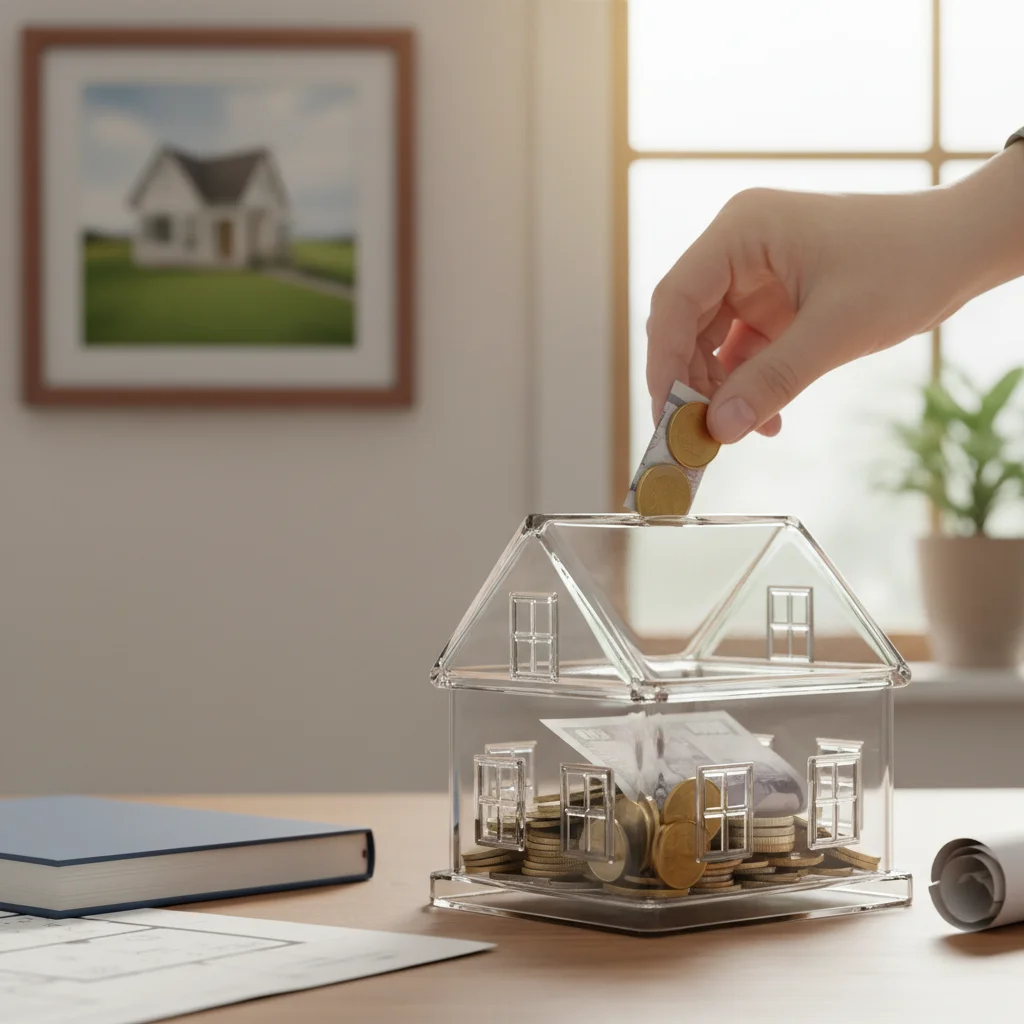
Keep a picture of your dream home, or even a general image of homeownership, visible in your living space. This constant visual reminder can serve as a powerful motivator during challenging times. Remind yourself regularly why you are making these sacrifices and what the ultimate reward will be: the pride and security of owning your own home with a solid down payment 2026.
Find an Accountability Partner
Share your down payment 2026 goal with a trusted friend, family member, or partner. Having someone to share your progress with, celebrate successes, and offer encouragement during setbacks can make a significant difference. Regular check-ins can help you stay committed.
Reward Yourself (Sensibly)
While cutting expenses is crucial, completely depriving yourself can lead to burnout. Build small, budget-friendly rewards into your plan for achieving milestones. This could be a nice dinner out, a weekend getaway, or a purchase you’ve been wanting, but only after you’ve hit a specific savings target. These small rewards can help sustain your motivation for the long haul towards your down payment 2026.
Educate Yourself Continuously
The more you learn about personal finance, real estate, and the home-buying process, the more confident and empowered you will feel. Read books, listen to podcasts, attend webinars, and follow reputable financial blogs. Knowledge is power, and understanding the nuances of the market and your finances will help you make smarter decisions on your journey to homeownership.
The Role of Credit Score in Achieving Your Homeownership Dream
While a 20% down payment is a major factor, your credit score plays an equally critical role in securing a mortgage and getting favorable terms. Lenders use your credit score to assess your creditworthiness and the risk associated with lending you money. A higher credit score typically translates to lower interest rates, which can save you thousands of dollars over the life of your loan. Therefore, as you save for your down payment 2026, you should also actively work on improving and maintaining an excellent credit score.
Monitor Your Credit Report Regularly
You are entitled to a free credit report from each of the three major credit bureaus (Experian, Equifax, and TransUnion) once a year. Review these reports for any errors or inaccuracies that could be negatively impacting your score. Dispute any incorrect information immediately. Regular monitoring helps you stay on top of your financial health.
Pay Bills on Time, Every Time
Payment history is the most significant factor in your credit score. Make sure all your bills – credit cards, loan payments, utilities, and rent – are paid on or before their due dates. Consider setting up automatic payments to avoid missing a deadline, which can severely damage your score and set back your down payment 2026 plans.
Keep Credit Utilization Low
Credit utilization refers to the amount of credit you’re using compared to your total available credit. It’s recommended to keep your credit utilization below 30%. For example, if you have a credit card with a $10,000 limit, try to keep your balance below $3,000. High utilization can signal to lenders that you are over-reliant on credit, negatively affecting your score.
Avoid Opening New Credit Accounts Unnecessarily
While saving for your down payment 2026, try to avoid opening new credit cards or taking out new loans. Each new credit inquiry can temporarily ding your score, and a new account reduces the average age of your credit history, another factor in your score. Focus on managing your existing credit responsibly.
Address Any Collections or Delinquencies
If you have any past-due accounts or collections, work to resolve them. While negative marks stay on your report for several years, demonstrating that you are actively addressing them can be viewed favorably by lenders and will improve your financial standing over time, supporting your goal for a down payment 2026.
Conclusion: Your Path to Homeownership by 2026 is Within Reach
Achieving a 20% down payment by 2026 as a first-time homebuyer requires dedication, strategic planning, and consistent effort. It’s a significant financial undertaking, but the benefits of avoiding PMI, paying less interest, and having greater equity make it a worthwhile goal. By meticulously analyzing your finances, implementing aggressive saving strategies, boosting your income, and making smart financial decisions, you can systematically build your down payment fund.
Remember to consider the full scope of homeownership costs, including closing costs and an emergency fund, to ensure a smooth transition into your new home. Stay disciplined, track your progress, and leverage available resources like high-yield savings accounts and first-time homebuyer programs. By focusing on your down payment 2026 goal with unwavering commitment, you will unlock the door to your dream home and secure a stable financial future. Start today, and watch your homeownership dream become a tangible reality.