Unemployment Benefits 2026: State Programs & Max Payouts (Up to 26 Weeks)

Unemployment Benefits 2026: A Comprehensive Guide to State Programs and Maximizing Your Payout
Navigating the complexities of unemployment can be daunting, especially when trying to understand the ever-evolving landscape of benefits. As we look ahead to 2026, it’s crucial for individuals to be well-informed about the state-specific programs, eligibility requirements, and strategies to secure their maximum eligible payout. This comprehensive guide will delve into the intricacies of Unemployment Benefits 2026, offering insights into how different states approach these vital safety nets and how you can ensure you receive the support you need for up to 26 weeks or more, depending on your location and circumstances.
The economic climate is constantly shifting, and with it, the rules and regulations governing unemployment insurance. While federal guidelines provide a baseline, each state has the autonomy to set its own parameters regarding benefit amounts, duration, and eligibility. This article aims to demystify these differences, providing a clear roadmap for anyone who might find themselves in need of unemployment assistance in the coming year.
Understanding the Basics of Unemployment Benefits 2026
Before diving into state-specific details, let’s establish a foundational understanding of what Unemployment Benefits 2026 entail. Unemployment insurance (UI) is a joint federal-state program that provides temporary financial assistance to eligible workers who are unemployed through no fault of their own. These benefits are typically funded by taxes paid by employers, not by the employees themselves. The primary goal is to provide a temporary income bridge, allowing individuals to cover essential expenses while they search for new employment.
Key aspects that are generally consistent across all states include:
- Eligibility Requirements: Most states require that you have worked a certain amount of time or earned a certain amount of wages during a ‘base period’ (usually the first four of the last five completed calendar quarters before you filed your claim).
- Availability for Work: You must be able and available for work, and actively seeking employment.
- Cause of Unemployment: Your unemployment must be due to no fault of your own (e.g., layoff, reduction in force, rather than voluntary resignation or termination for cause).
- Weekly Certification: You will typically need to certify your eligibility weekly or bi-weekly, confirming your job search efforts and continued availability for work.
While these core principles remain, the specifics of how they are applied, the maximum weekly benefit amount, and the duration of benefits can vary significantly. This variability is precisely why understanding the nuances of Unemployment Benefits 2026 at the state level is so critical.
State-by-State Comparison: Duration and Maximum Payouts in 2026
One of the most significant variations in Unemployment Benefits 2026 is the duration for which benefits can be received and the maximum weekly payout. Historically, the standard duration for unemployment benefits has been 26 weeks in most states. However, this is not universally true, and some states offer shorter or, in certain economic conditions, longer periods. The maximum weekly benefit amount also differs wildly, reflecting the cost of living and average wages within each state.
Let’s consider a hypothetical overview of how states might compare in 2026:
States Offering Up to 26 Weeks of Unemployment Benefits:
Many states are expected to continue offering the traditional 26 weeks of unemployment benefits. These often include:
- California: Known for its robust social safety net, California typically offers 26 weeks, with benefit amounts among the highest, reflecting its high cost of living. Claimants must meet specific earnings thresholds during their base period.
- New York: Similar to California, New York usually provides 26 weeks of benefits. The state often has a high maximum weekly benefit amount, but strict eligibility criteria regarding work history and job search activities.
- Texas: While traditionally a state with a more conservative approach to social programs, Texas generally offers 26 weeks. However, its maximum weekly benefit amount tends to be lower than in higher-cost-of-living states.
- Florida: Florida has historically been one of the states with a shorter duration, sometimes less than 26 weeks, especially during periods of low unemployment. However, for 2026, it’s anticipated to remain around 12-19 weeks depending on the state’s average unemployment rate. It’s crucial to check the specific Florida Department of Economic Opportunity guidelines for Unemployment Benefits 2026.
- Illinois: Illinois typically offers 26 weeks, with competitive weekly benefit amounts. The state emphasizes active job search requirements.
- Pennsylvania: Claimants in Pennsylvania can generally expect up to 26 weeks of benefits, with a focus on reemployment services.
- Ohio: Ohio typically provides 26 weeks, with benefit calculations based on a percentage of the claimant’s average weekly wage during their base period.
- Michigan: Michigan also generally offers 26 weeks, with strong support for workforce development programs.
- Massachusetts: Known for its generous social programs, Massachusetts usually provides 26 weeks, often with higher maximum weekly benefit amounts.
States with Shorter or Variable Durations:
Some states may offer fewer than 26 weeks, or their duration might be tied to the state’s unemployment rate, a system designed to adjust benefits to economic conditions. Examples might include:
- North Carolina: Historically, North Carolina has had one of the shortest benefit durations, sometimes as low as 12 weeks, depending on the state’s average unemployment rate. This could still be the case for Unemployment Benefits 2026.
- Georgia: Georgia’s benefit duration can also be variable, often ranging from 14 to 20 weeks.
- South Carolina: Similar to its neighbors, South Carolina’s duration is typically shorter than the national average, often around 14-20 weeks.
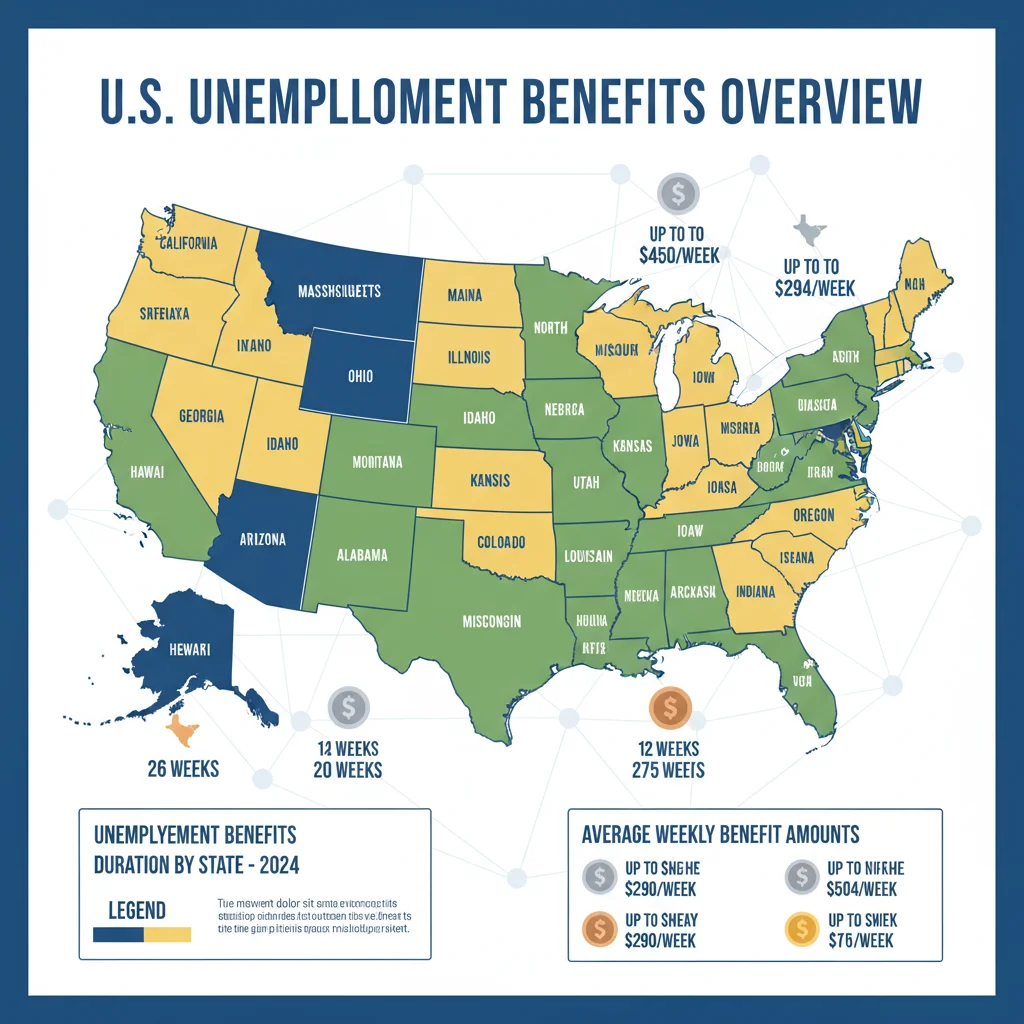
Maximum Weekly Benefit Amounts (MWBA):
The maximum weekly benefit amount varies dramatically. For instance, in 2023-2024, states like Massachusetts and New Jersey had some of the highest maximums (often exceeding $800-$900 per week), while states like Mississippi and Arizona had some of the lowest (often below $300 per week). These figures are adjusted periodically, so for Unemployment Benefits 2026, it’s essential to consult each state’s specific Department of Labor or Employment Security website for the most up-to-date numbers.
It’s important to remember that these are just examples, and the exact rules and amounts for Unemployment Benefits 2026 will be published by each state’s labor department. Always refer to the official state resources for the most accurate and current information.
Eligibility Requirements for Unemployment Benefits 2026
While the duration and payout amounts vary, the core eligibility criteria for Unemployment Benefits 2026 remain largely consistent across states. To qualify, you generally must meet the following conditions:
- Monetary Eligibility: You must have earned sufficient wages during your ‘base period.’ This period is typically the first four of the last five completed calendar quarters prior to the week you filed your claim. Each state sets minimum earnings requirements. For example, some states might require you to have earned a certain amount in at least two quarters of your base period, or a total amount over the entire base period.
- Unemployed Through No Fault of Your Own: This is a crucial criterion. If you were laid off, your position was eliminated, or your employer went out of business, you generally meet this requirement. If you quit your job voluntarily, you might still be eligible in some states if you had ‘good cause’ for quitting (e.g., unsafe working conditions, medical reasons, or domestic violence), but proving good cause can be challenging. If you were fired, you might be eligible if the termination was not for ‘misconduct’ (e.g., gross negligence, insubordination).
- Able and Available for Work: You must be physically and mentally capable of working and ready to accept suitable employment if offered. This means you cannot be too ill or injured to work, or have other commitments (like full-time schooling) that prevent you from accepting a job.
- Actively Seeking Work: You are generally required to make a specified number of job contacts each week, maintain a work search log, and participate in any job search assistance programs offered by the state. Failure to demonstrate active job searching can result in denial or cessation of benefits.
- Residency Requirements: You typically must have worked in the state from which you are claiming benefits, or have a combination of wages from multiple states that qualifies you under an interstate agreement.
Understanding these requirements is your first step towards successfully claiming Unemployment Benefits 2026. It’s recommended to gather all relevant employment documents, including pay stubs, W-2 forms, and separation notices, before you apply.
How to Apply for Unemployment Benefits in 2026
The application process for Unemployment Benefits 2026 will primarily be online through your state’s Department of Labor or Employment Security website. While the exact steps may vary slightly, the general process involves:
- Gather Necessary Information: Before you begin, collect your Social Security number, driver’s license or state ID number, mailing address, phone number, email address, and bank account information for direct deposit. You will also need detailed information about your last employer(s), including company name, address, phone number, dates of employment, reason for separation, and gross earnings.
- Visit Your State’s Department of Labor Website: Search for your state’s official unemployment benefits website. Be wary of third-party sites that may charge for services that are free through the state.
- Create an Account: Most states require you to create an online account to file your initial claim and manage your weekly certifications.
- Complete the Initial Application: Fill out the application accurately and completely. Any errors or omissions could delay your claim. Be honest about your reason for separation.
- Await Determination: After you apply, the state agency will review your claim and contact your former employer(s) to verify your employment and the reason for your separation. This process can take a few weeks. You will receive a monetary determination letter, which outlines your weekly benefit amount and the total amount of benefits you are eligible to receive.
- File Weekly/Bi-Weekly Certifications: Once your claim is approved, you must file regular certifications (usually weekly or bi-weekly) to continue receiving benefits. During these certifications, you will report any earnings from part-time work, confirm your availability for work, and attest to your job search activities.
- Engage in Job Search Activities: Actively search for work as required by your state. Keep detailed records of your job search contacts, including the date, company name, contact person, type of work sought, and outcome.
Promptly responding to any requests for information from the state agency is crucial to avoid delays or denial of your Unemployment Benefits 2026.

Maximizing Your Unemployment Benefits 2026 Payout
Securing your maximum eligible payout for Unemployment Benefits 2026 involves more than just filling out the form. Here are key strategies:
- File Your Claim Promptly: Benefits are usually paid from the date you file your claim, not from your last day of employment. Delays in filing can mean lost weeks of benefits.
- Understand Your State’s Base Period: Your weekly benefit amount is calculated based on your earnings during a specific ‘base period.’ If you have had varying income, understanding how this period is defined in your state can sometimes influence when it’s most advantageous to file.
- Report All Earnings Accurately: If you work part-time while receiving benefits, you must report all gross earnings. States have formulas for how part-time earnings affect your weekly benefit amount. Misreporting can lead to overpayments that you’ll have to repay, potentially with penalties.
- Keep Meticulous Records: Document everything: dates you filed, confirmation numbers, copies of all correspondence, job search activities, and details of any communication with the unemployment office. This is invaluable if there’s a dispute or an issue with your claim.
- Appeal Denials: If your claim is denied, don’t give up immediately. You have the right to appeal the decision. Review the denial letter carefully to understand the reason, gather any supporting documentation, and follow the appeal instructions within the specified timeframe. Many successful claims result from appeals.
- Seek Assistance if Needed: If you’re struggling with the application process, understanding complex rules, or navigating an appeal, seek help. Your state’s unemployment office may offer assistance, and legal aid organizations or community resources can often provide guidance.
- Stay Informed of Program Changes: Economic conditions can lead to changes in unemployment programs. For example, during severe economic downturns, federal extended benefits programs might be activated, extending the duration beyond the standard 26 weeks. Stay updated on announcements from your state and federal labor departments regarding Unemployment Benefits 2026.
The Role of Economic Conditions on Unemployment Benefits in 2026
The overall economic health of the nation and individual states significantly influences the landscape of Unemployment Benefits 2026. During periods of high unemployment, federal programs often step in to provide extended benefits beyond the standard state duration. These programs, while not permanently in place, have been critical during past crises, such as the 2008 recession and the COVID-19 pandemic.
It’s important to monitor economic forecasts and announcements from the U.S. Department of Labor. While we anticipate a standard benefit structure for 2026, unforeseen economic shifts could trigger federal interventions, potentially extending benefits for those who exhaust their state-level entitlements. These extensions are typically implemented to provide a longer safety net during times when job opportunities are scarce.
Conversely, in periods of robust economic growth and low unemployment, some states might be less inclined to offer generous benefits or might even reduce the maximum duration. This dynamic interplay between the economy and unemployment policy means that claimants must remain vigilant and informed about current regulations pertaining to Unemployment Benefits 2026.
Beyond the Payout: Additional Resources and Support
Receiving Unemployment Benefits 2026 is often a critical first step, but it’s rarely the only support available. Many state workforce agencies and community organizations offer a wealth of additional resources to help you get back on your feet:
- Job Search Assistance: This can include resume writing workshops, interview coaching, job fairs, and access to online job boards and employer databases.
- Training and Retraining Programs: If your skills are outdated or if you’re looking to transition to a new career, many states offer free or subsidized training programs. Some may even allow you to continue receiving unemployment benefits while attending approved training.
- Financial Counseling: Managing finances during unemployment can be challenging. Some agencies provide access to financial literacy programs or counseling to help you budget and manage your funds effectively.
- Healthcare Options: Losing a job often means losing employer-sponsored health insurance. Information on COBRA, Medicaid, and the Affordable Care Act (ACA) marketplaces is usually available through state resources.
- Food and Housing Assistance: For those facing severe financial hardship, information on food stamps (SNAP), housing assistance programs, and other emergency aid is often provided.
Proactively seeking out these additional resources can significantly improve your chances of a swift and successful transition back into the workforce and help you manage your finances while receiving Unemployment Benefits 2026.
Common Pitfalls and How to Avoid Them in 2026
Even with a clear understanding of Unemployment Benefits 2026, claimants can encounter pitfalls. Being aware of these can help you avoid unnecessary delays or denials:
- Missing Deadlines: Strict deadlines apply to filing claims, submitting weekly certifications, and appealing decisions. Missing these can result in lost benefits.
- Inaccurate Information: Providing false or incomplete information, even unintentionally, can lead to your claim being denied, benefits being stopped, or even legal repercussions.
- Failing to Search for Work: Not meeting your state’s work search requirements is a primary reason for benefit denial or cessation. Keep a detailed log.
- Refusing Suitable Work: If you are offered a job that is deemed ‘suitable’ (e.g., similar pay, skills, and working conditions to your previous employment), refusing it without good cause can lead to disqualification from benefits.
- Not Reporting All Income: Any income earned, even from odd jobs or freelance work, must be reported during your weekly certifications.
- Ignoring Correspondence: Always open and respond promptly to any mail, emails, or messages from your state’s unemployment agency.
By diligently following the rules and staying organized, you can significantly increase your chances of a smooth process when claiming Unemployment Benefits 2026.
Conclusion: Preparing for Unemployment Benefits in 2026
The landscape of Unemployment Benefits 2026 will undoubtedly present both continuities and changes. While federal frameworks provide a general structure, the specifics are highly localized at the state level, particularly concerning benefit duration (up to 26 weeks, or more/less depending on the state and economic conditions) and maximum weekly payouts. Understanding these nuances, along with the detailed eligibility requirements and application process, is paramount for anyone seeking temporary financial assistance.
Being proactive in gathering information, accurately completing applications, diligently searching for work, and promptly responding to all communications from your state’s unemployment agency are key strategies for maximizing your benefits and ensuring a smoother transition back to employment. Remember to leverage the additional resources available through workforce development programs and community organizations. By staying informed and prepared, you can navigate the complexities of Unemployment Benefits 2026 effectively and secure the support you need during a challenging time.
Always consult your specific state’s Department of Labor or Employment Security website for the most accurate and up-to-date information regarding rules, regulations, and benefit amounts for Unemployment Benefits 2026.