Data-Driven Social Equity: Urban Planning Strategies for 2024

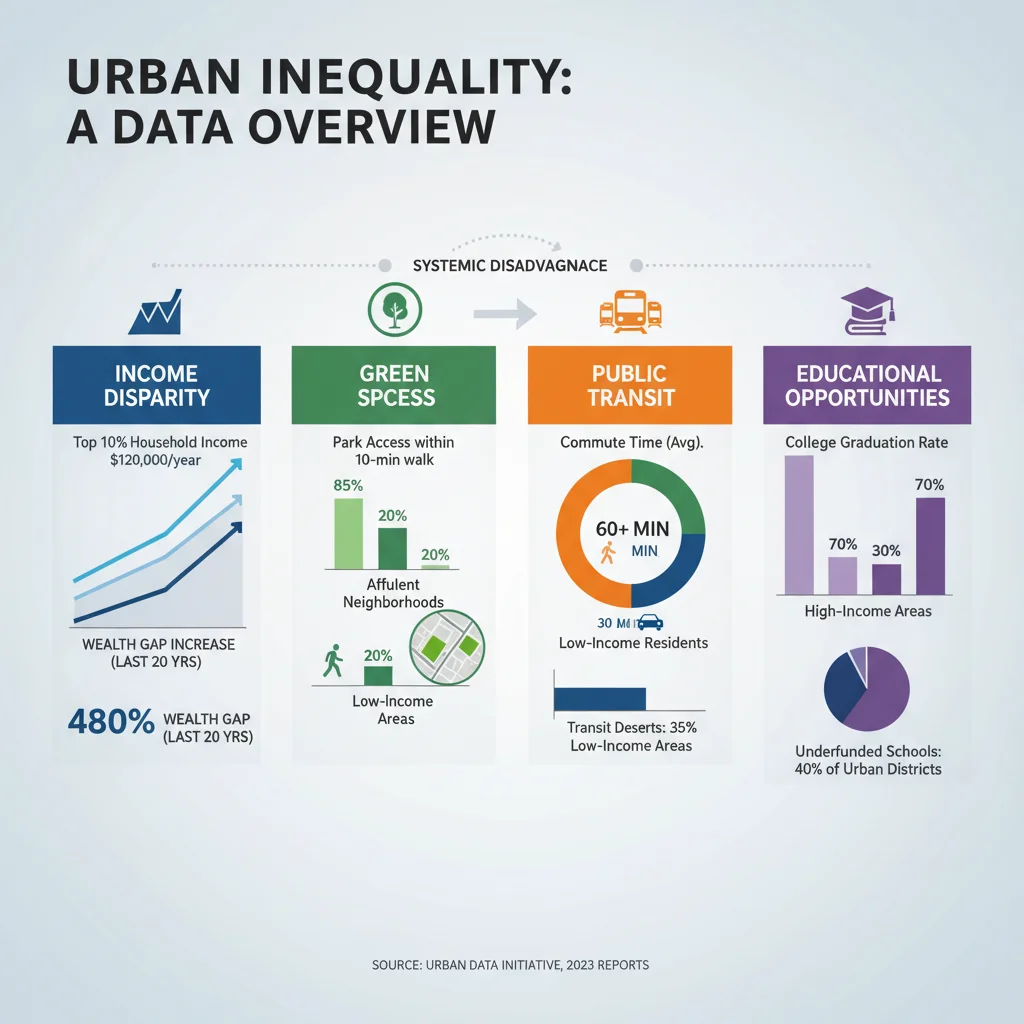
In the dynamic landscape of modern urban development, the pursuit of social equity urbanism has transitioned from a noble ideal to an imperative. As cities continue to grow and evolve, the critical challenge lies in ensuring that this growth benefits all residents, not just a select few. The past few years have underscored the profound disparities that exist within our urban fabric, from unequal access to green spaces and public services to glaring differences in health outcomes and economic opportunities. Addressing these systemic inequities requires a strategic, informed, and most importantly, data-driven approach.
For urban planners and policymakers looking ahead to the next 12 months, the question isn’t whether to integrate social equity into their plans, but how to do so effectively and measurably. This article delves into three crucial data-driven strategies designed to maximize social equity urbanism initiatives. These strategies are not theoretical constructs but actionable frameworks that leverage the power of information to foster inclusive, resilient, and truly equitable communities.
The urgency to act is palpable. With escalating climate change impacts disproportionately affecting marginalized communities, and ongoing economic shifts creating new layers of vulnerability, a reactive approach is no longer sufficient. Proactive, data-informed interventions are essential to build cities that are not only sustainable but also just. By embracing these strategies, urban leaders can move beyond anecdotal evidence and good intentions, building a robust foundation for lasting social change.
This deep dive will equip you with the insights needed to transform your urban planning efforts, ensuring that every policy, every project, and every dollar invested contributes meaningfully to a more equitable future. Let’s explore how data can be our most powerful ally in achieving genuine social equity urbanism.
Strategy 1: Comprehensive Data Mapping and Vulnerability Assessment
The first and arguably most foundational strategy for advancing social equity urbanism is the creation of comprehensive data maps coupled with robust vulnerability assessments. You cannot effectively address problems you don’t fully understand, and in the complex tapestry of urban environments, understanding requires granular, multi-faceted data. This strategy moves beyond simple demographic statistics to paint a detailed picture of where inequities exist, who is most affected, and why.
Identifying Key Data Points for Social Equity Urbanism
To begin, urban planners must identify and collect a wide array of data points. This includes, but is not limited to:
- Socioeconomic Data: Income levels, poverty rates, employment status, educational attainment, housing affordability, and homeownership rates.
- Health Data: Rates of chronic diseases, access to healthcare facilities, food deserts, air and water quality indicators, and proximity to environmental hazards.
- Infrastructure Access: Proximity to public transportation, quality of pedestrian and cycling infrastructure, access to reliable internet, and condition of public utilities.
- Environmental Justice Data: Exposure to pollution, heat island effect, access to green spaces and parks, and vulnerability to climate change impacts (e.g., flooding, extreme heat).
- Public Services Data: Access to quality schools, libraries, community centers, and public safety services.
- Demographic Data: Race, ethnicity, age, disability status, language spoken at home, and immigration status, disaggregated to reveal intersectional vulnerabilities.
Leveraging Geospatial Analysis (GIS) for Deeper Insights
Once collected, this data must be integrated and analyzed using Geographic Information Systems (GIS). GIS platforms are indispensable tools for social equity urbanism, allowing planners to visualize spatial patterns of inequality. By overlaying different data layers, planners can identify:
- Hotspots of Disadvantage: Areas where multiple forms of disadvantage converge, indicating concentrated vulnerability.
- Service Gaps: Neighborhoods lacking essential services or infrastructure.
- Disproportionate Impacts: How proposed or existing policies and developments might disproportionately affect certain communities.
- Asset Mapping: Identifying existing community strengths and resources that can be leveraged.
For instance, a GIS analysis might reveal that neighborhoods with the highest rates of childhood asthma also have the lowest tree canopy cover and are located nearest to industrial facilities, providing clear actionable insights for environmental justice initiatives.
Conducting Vulnerability Assessments
A vulnerability assessment builds upon data mapping by systematically evaluating the susceptibility of different population groups to various hazards and stressors, both natural and man-made. This process involves:
- Defining Vulnerability Indicators: Identifying which data points are most indicative of vulnerability in a specific urban context.
- Developing a Scoring System: Creating a methodology to quantify and compare vulnerability across different neighborhoods or demographic groups.
- Scenario Planning: Using data to model how different interventions or external shocks (e.g., a major economic downturn, a natural disaster) might impact vulnerable populations.
The output of this strategy is not just a collection of maps, but a dynamic, living document that informs policy, resource allocation, and targeted interventions. It provides an undeniable evidence base for advocating for equitable development and helps prioritize areas most in need of investment. This granular understanding is the bedrock upon which effective social equity urbanism is built, allowing for precision in addressing deeply entrenched disparities.
Strategy 2: Participatory Data Collection and Co-Creation of Solutions
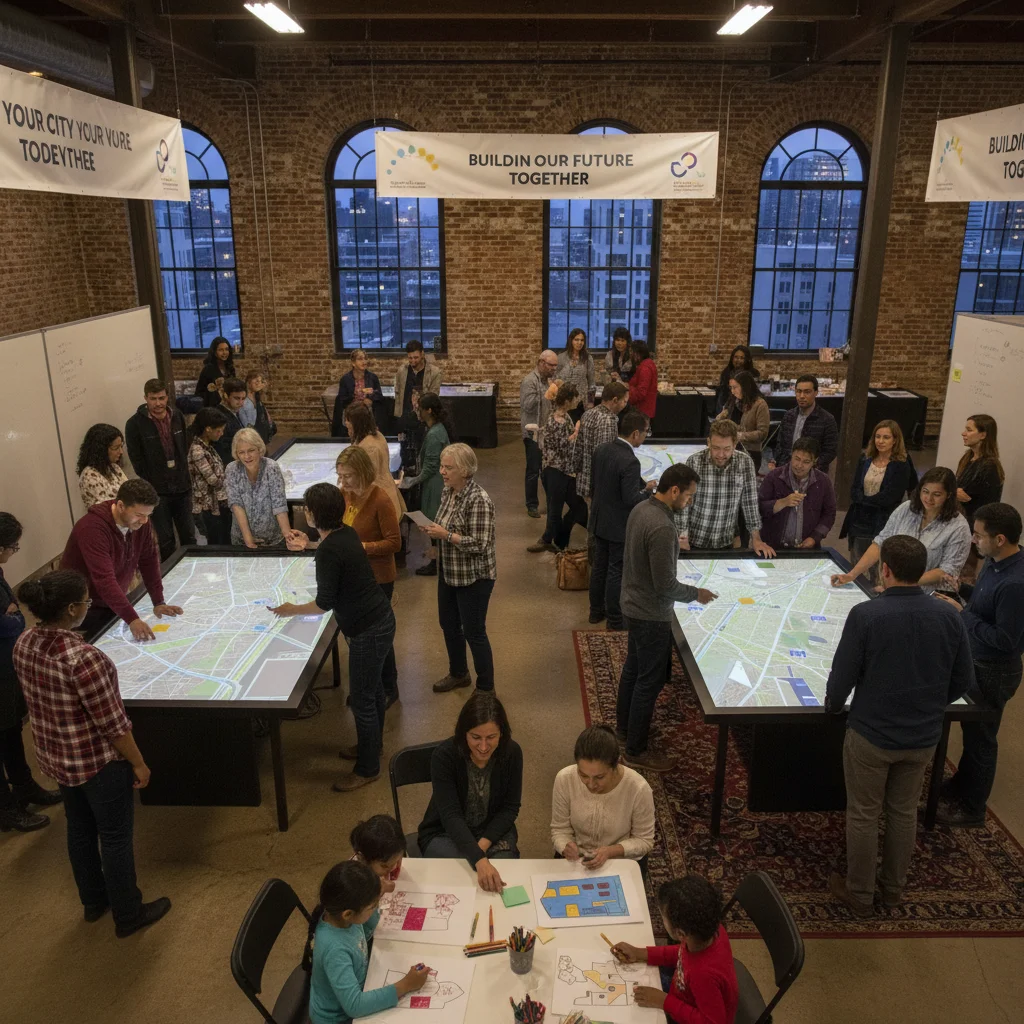
While Strategy 1 focuses on quantitative data, Strategy 2 emphasizes the invaluable insights gained from qualitative data and, more importantly, from direct community engagement. True social equity urbanism cannot be achieved from an ivory tower; it demands that the voices of those most affected by inequities are not only heard but actively shape the solutions. This strategy champions participatory data collection and the co-creation of urban planning initiatives.
Beyond the Numbers: The Power of Qualitative Data
Quantitative data tells us ‘what’ is happening and ‘where,’ but qualitative data helps us understand ‘why’ and ‘how’ people experience their urban environment. For effective social equity urbanism, this includes:
- Community Surveys and Interviews: Gathering direct feedback on residents’ needs, priorities, and perceptions of their neighborhoods. These should be conducted in multiple languages and accessible formats.
- Focus Groups: Delving deeper into specific issues with representative groups, allowing for nuanced discussions and the capture of lived experiences.
- Participatory Mapping: Empowering residents to map their own experiences, highlighting areas of concern (e.g., unsafe routes, lack of amenities) and assets (e.g., community gardens, local businesses).
- Storytelling and Oral Histories: Documenting the historical context of inequities and the resilience of communities, providing a rich narrative that complements statistical data.
The key here is not just to collect this data, but to do so in a way that builds trust and validates community experiences. This means going into neighborhoods, meeting people where they are, and ensuring that the data collection process itself is equitable and inclusive.
Co-Creation: Shifting from Consultation to Partnership
The concept of co-creation moves beyond traditional public consultation, where communities are merely asked for feedback on pre-determined plans. In a co-creative approach to social equity urbanism, communities are partners from the outset, involved in:
- Problem Definition: Allowing residents to articulate the challenges they face, ensuring that planning efforts address genuine community needs.
- Solution Generation: Working collaboratively to brainstorm and design interventions. This often leads to more innovative and contextually appropriate solutions than those developed solely by experts.
- Resource Prioritization: Giving communities a say in how resources are allocated, ensuring investments align with their most pressing needs and priorities.
- Implementation and Monitoring: Involving residents in the execution and ongoing evaluation of projects, fostering ownership and sustainability.
Examples of co-creation in action include community land trusts, resident-led planning committees, and participatory budgeting initiatives. These models demonstrate a fundamental shift in power dynamics, recognizing that those who live in a place are often the most knowledgeable experts on its challenges and potential solutions. By integrating this qualitative, participatory data with the quantitative insights from vulnerability assessments, urban planners can develop holistic strategies that are both evidence-based and deeply rooted in community needs, truly embodying the spirit of social equity urbanism.
Strategy 3: Performance Metrics, Equitable Impact Assessment, and Adaptive Governance
The final strategy for maximizing social equity urbanism initiatives involves establishing robust performance metrics, conducting thorough equitable impact assessments, and adopting an adaptive governance framework. Without clear ways to measure progress and a commitment to continuous learning and adjustment, even well-intentioned efforts can fall short. This strategy ensures accountability, transparency, and the long-term sustainability of equity-focused urban development.
Developing Robust Performance Metrics for Social Equity
Measuring the success of social equity urbanism initiatives requires moving beyond traditional metrics like economic growth or infrastructure development. Instead, focus on indicators that directly reflect improvements in equity and well-being. These might include:
- Access to Opportunity: Changes in commutes to jobs, proximity to fresh food, availability of high-quality early childhood education.
- Health Equity: Reductions in rates of preventable diseases in historically underserved communities, increased access to mental health services.
- Environmental Justice: Decrease in pollution exposure for vulnerable populations, increase in green space per capita in low-income neighborhoods.
- Housing Stability: Reduction in eviction rates, increase in affordable housing units accessible to various income levels.
- Community Empowerment: Increase in civic participation rates among marginalized groups, establishment of new community-led organizations.
These metrics should be disaggregated by race, income, age, and other relevant demographics to ensure that improvements are genuinely equitable and not masking persistent disparities. Regular reporting on these metrics builds transparency and allows for public accountability.
Equitable Impact Assessment (EqIA) as a Standard Practice
Before implementing any new policy, project, or plan, an Equitable Impact Assessment (EqIA) should become a standard and mandatory step. An EqIA systematically evaluates the potential positive and negative impacts of a proposed action on different social groups, particularly those who are historically marginalized or vulnerable. This proactive approach is crucial for preventing unintended consequences and ensuring that urban development genuinely advances social equity urbanism.
Key components of an EqIA include:
- Baseline Data Analysis: Using the data gathered in Strategy 1 to understand the existing conditions and disparities.
- Stakeholder Engagement: Consulting with affected communities to understand their perspectives on potential impacts (linking to Strategy 2).
- Impact Prediction: Forecasting how the proposed action will affect various equity indicators (e.g., housing affordability, access to services, environmental quality) for different demographic groups.
- Mitigation and Enhancement: Identifying strategies to minimize negative impacts and maximize positive ones, often leading to adjustments in the original plan.
- Public Reporting: Making the EqIA findings publicly available, fostering accountability.
By embedding EqIAs into the planning process, cities can proactively design for equity, rather than retroactively trying to fix disparities.
Adaptive Governance and Continuous Learning
Finally, achieving true social equity urbanism requires an adaptive governance framework. This acknowledges that urban environments are complex and constantly changing, and that initial plans may need adjustment. Adaptive governance entails:
- Regular Monitoring and Evaluation: Continuously tracking the performance metrics and conducting post-implementation reviews to assess actual impacts.
- Feedback Loops: Establishing clear mechanisms for communities to provide ongoing feedback on projects and policies.
- Flexibility and Iteration: Being willing to modify or even pivot from initial plans based on new data, unforeseen challenges, or evolving community needs.
- Capacity Building: Investing in the skills and resources within local government and community organizations to effectively gather, analyze, and use data for equity.
This iterative process ensures that social equity urbanism is not a one-time project but an ongoing commitment to learning, adapting, and continuously striving for a more just city. It transforms urban planning into a dynamic, responsive system that can effectively address the evolving challenges of inequality.
The Path Forward: Integrating Data for a More Equitable Urban Future
The journey towards truly equitable cities is multifaceted and demanding, but the three data-driven strategies outlined above provide a clear and actionable roadmap for the next 12 months. By prioritizing comprehensive data mapping and vulnerability assessments, embracing participatory data collection and co-creation, and establishing robust performance metrics alongside adaptive governance, urban planners can move beyond aspiration to tangible, measurable progress in social equity urbanism.
Each strategy is not an isolated effort but a interconnected component of a holistic approach. The granular insights from data mapping inform participatory processes, which in turn shape the design of equitable solutions. The effectiveness of these solutions is then rigorously measured, allowing for adaptive adjustments that ensure long-term impact. This virtuous cycle of data collection, engagement, implementation, and evaluation is the engine of sustainable social equity urbanism.
Overcoming Challenges in Data-Driven Social Equity Urbanism
Implementing these strategies is not without its challenges. Data collection can be resource-intensive, requiring investments in technology and human capital. Ensuring data privacy and security is paramount. Building genuine trust with communities, especially those historically marginalized by planning decisions, takes time and consistent effort. Furthermore, translating complex data into accessible information for all stakeholders requires skillful communication and engagement.
However, the benefits far outweigh these hurdles. A city built on the principles of social equity urbanism is a city that is more resilient, more economically vibrant, and fundamentally more just. It is a city where every resident has the opportunity to thrive, regardless of their background or zip code. Data provides the evidence base, the diagnostic tool, and the compass to navigate this complex terrain.
A Call to Action for Urban Leaders
For urban planners, policymakers, and community leaders, the next 12 months represent a critical window of opportunity. The time is ripe to move beyond rhetoric and embed data-driven practices into the core of urban planning. This means:
- Investing in Data Infrastructure: Prioritizing resources for robust data collection, management, and analysis tools.
- Fostering Interdepartmental Collaboration: Breaking down silos between city departments to share data and coordinate equity efforts.
- Empowering Community Data Stewards: Supporting community organizations in their own data collection and advocacy efforts.
- Committing to Transparency: Making data and equity assessments publicly available and easily understandable.
- Championing Continuous Learning: Cultivating a culture of inquiry and adaptation within urban planning agencies.
By embracing these principles and diligently applying the three data-driven strategies, cities can make significant strides toward realizing the promise of social equity urbanism. The future of our cities depends on our collective ability to build places that are not just smart and sustainable, but profoundly fair and inclusive for all.