Achieving 15% Savings Rate: Your 2026 Financial Growth Guide
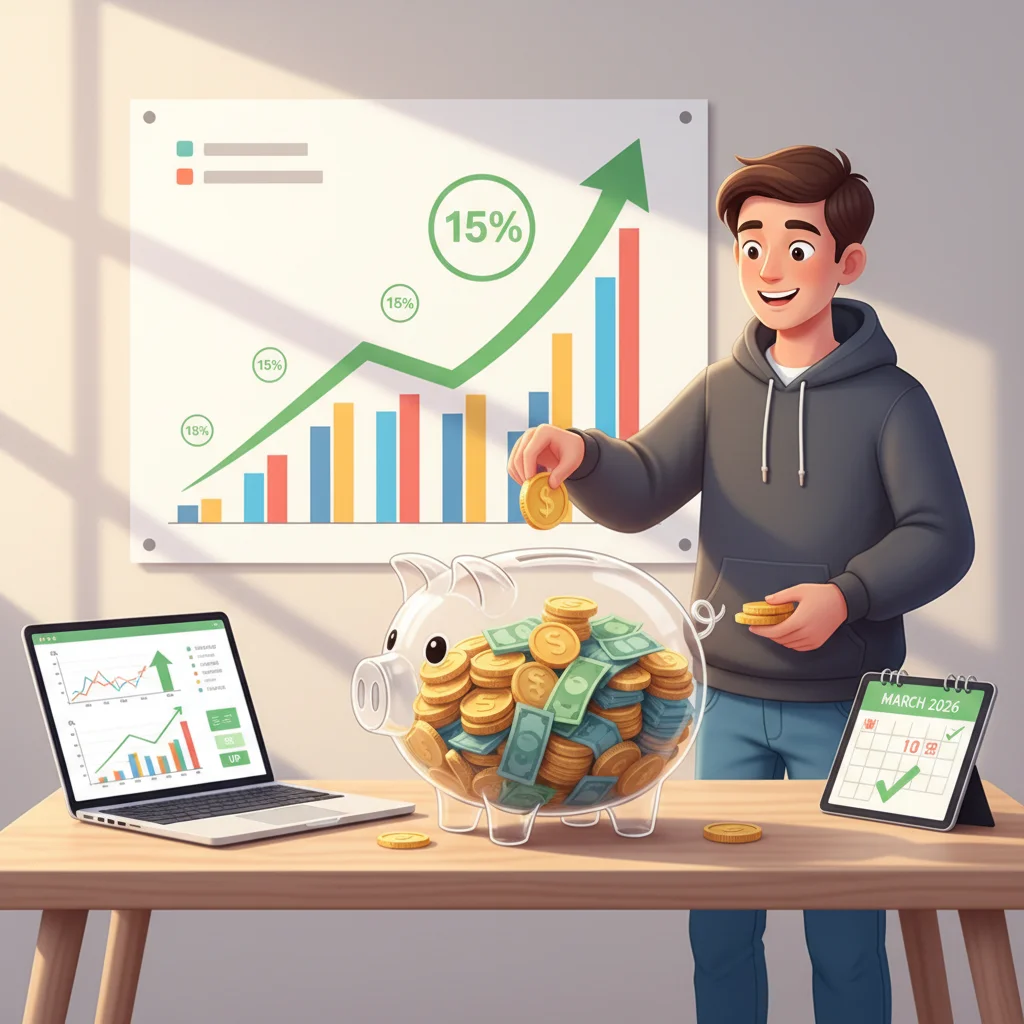
In the realm of personal finance, a common benchmark for financial well-being and future security is the savings rate. While many financial advisors suggest aiming for 10-15% of your income to be saved, setting a specific, ambitious goal like achieving a 15% savings rate by 2026 can be a powerful catalyst for significant personal financial growth. This comprehensive guide is designed to walk you through the necessary steps, strategies, and mindset shifts required to reach this impressive financial milestone. Whether you’re just starting your financial journey or looking to optimize your existing savings habits, the principles outlined here will provide a clear roadmap.
The year 2026 isn’t far off, making now the perfect time to commit to this goal and transform your financial future. Let’s delve into how you can make achieving a 15% savings rate a reality.
Understanding Your Current Financial Landscape: The Foundation of a 15% Savings Rate
Before you can accelerate towards a 15% savings rate, you need to have a crystal-clear understanding of your current financial situation. This involves a thorough assessment of your income, expenses, assets, and liabilities. Think of it as your financial baseline, from which all future progress will be measured.
Step 1: Calculate Your Net Income
Your net income is the money you actually take home after taxes, deductions, and contributions to things like health insurance or retirement accounts. This is the figure you’ll use to calculate your savings rate. Don’t confuse it with your gross income, which is your pay before any deductions. Knowing your precise net income is crucial for setting realistic savings goals.
Step 2: Track Every Penny of Your Spending
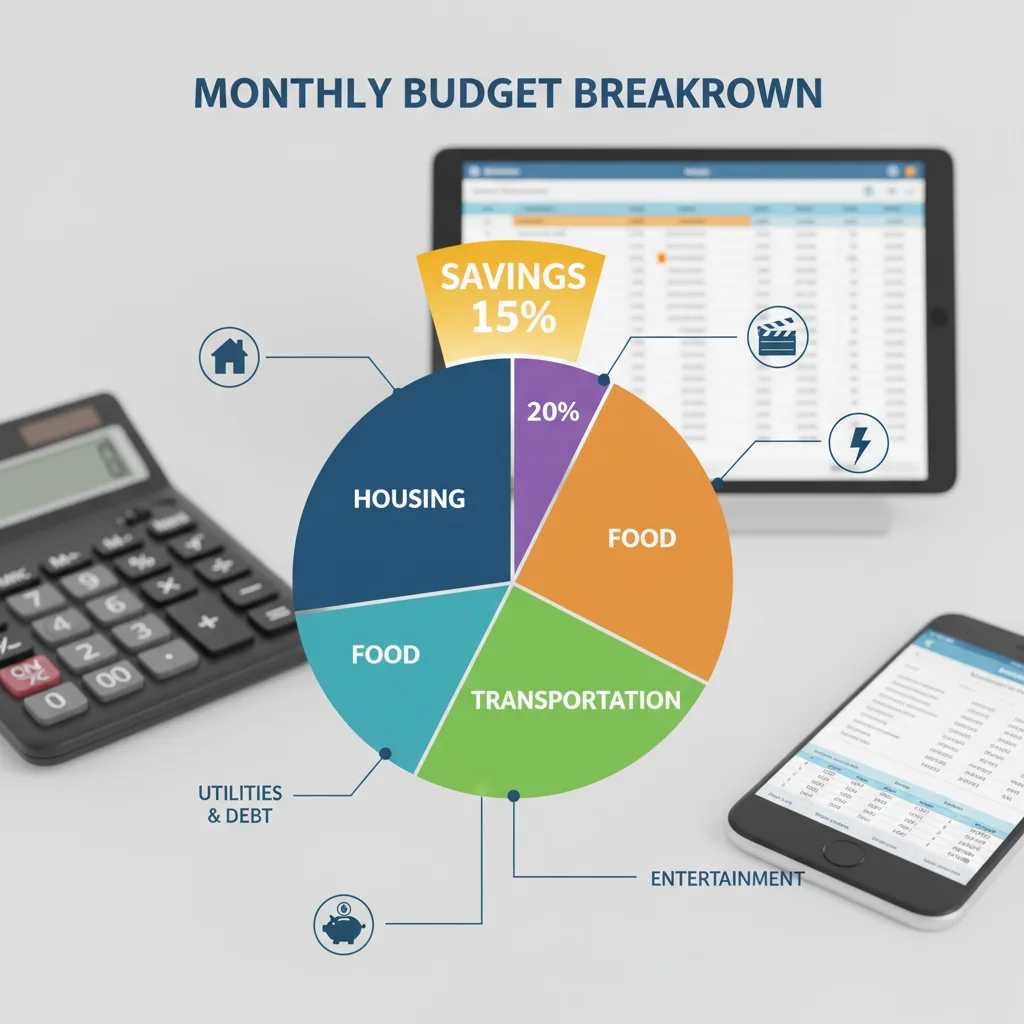
This might sound tedious, but it’s arguably the most critical step. For at least one month, meticulously track every single dollar you spend. Use budgeting apps, spreadsheets, or even a simple notebook. Categorize your expenses: housing, transportation, food (groceries and dining out), entertainment, utilities, subscriptions, and miscellaneous. This exercise will reveal exactly where your money is going and highlight areas where you might be able to cut back. Many people are surprised to discover how much they spend on seemingly small, everyday items that add up over time. Identifying these ‘money leaks’ is the first step towards freeing up cash for your 15% savings rate goal.
Step 3: Evaluate Your Current Savings Rate
Once you have your net income and total expenses, you can calculate your current savings rate. The formula is simple: (Total Savings / Net Income) x 100%. If you’re currently saving 5%, for example, you know you need to find ways to increase that by 10 percentage points to reach your 15% savings rate target. This initial calculation provides a realistic starting point and helps you understand the magnitude of the effort required.
Step 4: Review Your Debts and Assets
While the primary focus is on increasing your savings, understanding your overall financial health means looking at your debts (credit cards, loans, mortgage) and assets (investments, property). High-interest debt can significantly hinder your ability to save, as a large portion of your income might be going towards interest payments. Creating a plan to tackle high-interest debt can indirectly boost your savings capacity.
Crafting a Strategic Budget for a 15% Savings Rate
With a clear picture of your finances, the next step is to create a budget that actively supports your goal of a 15% savings rate. This isn’t about deprivation; it’s about intentional spending and aligning your financial decisions with your long-term aspirations.
The 50/30/20 Rule (and how to adapt it)
A popular budgeting framework is the 50/30/20 rule: 50% of your income for needs, 30% for wants, and 20% for savings and debt repayment. While the 20% allocated to savings and debt repayment is a great starting point, if your goal is specifically a 15% savings rate, you might need to adjust the ‘wants’ category or find ways to reduce your ‘needs’ to ensure that 15% is dedicated purely to savings, or that your combined savings and debt repayment exceeds 20% if you have significant debt.
- Needs (50%): Housing, utilities, groceries, transportation, essential insurance. Look for areas to reduce these, such as refinancing your mortgage, negotiating utility bills, or carpooling.
- Wants (30%): Dining out, entertainment, vacations, subscriptions, new gadgets. This is often the easiest area to find significant savings. Prioritize what truly brings you joy and cut back on the rest.
- Savings & Debt Repayment (20%): This is where your 15% savings rate comes in. If you have high-interest debt, consider allocating more than 5% of this category to debt repayment until it’s manageable, then shift more towards savings.
Zero-Based Budgeting
Another powerful budgeting method is zero-based budgeting, where every dollar of your income is assigned a job (spending, saving, or debt repayment). This ensures no money is unaccounted for and forces you to be deliberate with your financial choices. By actively allocating 15% of your net income to savings at the beginning of each pay period, you solidify your commitment to the 15% savings rate.
Automate Your Savings
The easiest way to ensure you hit your 15% savings rate is to automate it. Set up an automatic transfer from your checking account to your savings account (or investment account) for 15% of your net income, ideally on the day you get paid. This ‘pay yourself first’ strategy ensures that savings are prioritized and not an afterthought. Out of sight, out of mind – in the best possible way!
Strategies to Boost Your Income and Reduce Expenses for a Higher Savings Rate
Achieving a 15% savings rate often requires a two-pronged approach: increasing your income and decreasing your expenses. Focusing on both simultaneously can accelerate your progress significantly.
Increasing Your Income
- Negotiate Your Salary: Don’t underestimate your worth. Regularly research salary benchmarks for your role and industry, and be prepared to negotiate during performance reviews or when changing jobs. A higher salary directly translates to more disposable income, making a 15% savings rate easier to achieve.
- Side Hustles: Explore opportunities to earn extra income outside of your primary job. This could be freelancing, consulting, driving for a ride-share service, selling crafts online, or tutoring. Even a few hundred extra dollars a month can significantly impact your savings rate.
- Sell Unused Items: Declutter your home and sell items you no longer need or use. Websites and apps make it easy to sell clothes, electronics, furniture, and more. Treat the proceeds as bonus income to be channeled directly into your savings.
- Leverage Skills: Think about unique skills you possess that could be monetized. Are you good at graphic design, writing, coding, or teaching? Offer your services on platforms like Upwork or Fiverr.
Reducing Your Expenses
This is where your detailed expense tracking comes in handy. Review your spending categories and identify areas for reduction.
- Housing: Can you downsize, find a roommate, or negotiate your rent? Even small changes, like optimizing energy consumption, can add up.
- Transportation: Consider public transport, carpooling, biking, or walking. If you own a car, look for ways to reduce insurance premiums or fuel costs.
- Food: This is a major expense for many. Plan your meals, cook at home more often, pack lunches, and reduce dining out. Use grocery lists to avoid impulse purchases and look for sales.
- Subscriptions: Review all your monthly subscriptions (streaming services, gym memberships, apps) and cancel those you don’t frequently use.
- Entertainment: Look for free or low-cost entertainment options. Libraries offer books, movies, and events. Parks and hiking trails provide free recreation.
- Negotiate Bills: Don’t be afraid to call your internet, cable, and cell phone providers to negotiate better rates or switch to more affordable plans.
- Impulse Purchases: Implement a ’24-hour rule’ for non-essential purchases. If you still want it after 24 hours, then consider buying it. This helps curb impulsive spending.
Where to Put Your Savings: Maximizing Your 15% Savings Rate
Once you’ve diligently saved 15% of your income, the next crucial step is deciding where to put that money. Simply letting it sit in a low-interest checking account won’t help you achieve significant financial growth. The goal is to make your money work for you.
Emergency Fund First
Before investing, ensure you have a robust emergency fund. This should ideally cover 3-6 months of essential living expenses, stored in a high-yield savings account. This fund acts as a financial safety net, preventing you from going into debt or dipping into your investments during unexpected financial hardships.
Retirement Accounts (401k, IRA)
These are often the best places to put your savings, especially if your employer offers a 401(k) match. Contributing enough to get the full employer match is essentially free money and a significant boost to your savings. Beyond the match, contributing to a 401(k) or an Individual Retirement Account (IRA) offers tax advantages, allowing your money to grow tax-deferred or tax-free (in the case of a Roth IRA).
Investment Accounts (Brokerage Accounts)
Once your emergency fund is solid and you’re maximizing tax-advantaged retirement accounts, consider a taxable brokerage account. This offers more flexibility as your money isn’t locked up until retirement. You can invest in a variety of assets like stocks, bonds, mutual funds, and Exchange-Traded Funds (ETFs). For beginners, diversified index funds or ETFs are often a smart choice.
High-Yield Savings Accounts (HYSA)
For shorter-term goals (e.g., a down payment on a house, a new car, a large vacation), a high-yield savings account is ideal. While not as high-growth as investments, they offer better returns than traditional savings accounts and keep your money liquid and safe.
Debt Repayment (High-Interest)
While technically not ‘saving’ in the traditional sense, aggressively paying down high-interest debt (like credit card debt) is a powerful way to free up future cash flow and save on interest payments. The money you save on interest can then be directly channeled into your savings, accelerating your path to a higher 15% savings rate.
Maintaining Momentum and Staying Motivated for Your 15% Savings Rate by 2026
Achieving a 15% savings rate by 2026 is a marathon, not a sprint. Consistency and motivation are key to staying on track over the next few years.
Regularly Review Your Progress
Set aside time each month or quarter to review your budget, spending, and savings rate. Are you still on track to hit your 15% savings rate? Are there new opportunities to save or earn more? Adjust your budget as needed to reflect changes in income or expenses.
Set SMART Goals
Beyond the overarching 15% savings rate by 2026, set smaller, Specific, Measurable, Achievable, Relevant, and Time-bound (SMART) goals. For example, ‘I will save an additional $200 this month by reducing dining out’ or ‘I will increase my automatic savings transfer by 1% each quarter.’
Celebrate Milestones
Acknowledge and celebrate your progress along the way. Small rewards (non-financial, if possible, or very low-cost) can help maintain motivation. Reaching your first 5% savings rate, paying off a credit card, or hitting a specific savings amount are all reasons to celebrate.
Educate Yourself Continuously
The world of personal finance is constantly evolving. Continuously learn about new investment strategies, tax laws, and money-saving tips. Read books, listen to podcasts, and follow reputable financial blogs. The more knowledgeable you are, the more confident and effective you’ll be in managing your money and achieving your 15% savings rate.
Find an Accountability Partner
Share your goals with a trusted friend, family member, or partner. Having someone to discuss your progress with, share challenges, and celebrate successes can be incredibly motivating. Consider joining online financial communities for support and ideas.

Overcoming Challenges on Your Path to a 15% Savings Rate
The journey to a 15% savings rate won’t always be smooth. You’ll encounter challenges, unexpected expenses, and moments of temptation. Learning to navigate these obstacles is part of the process.
Unexpected Expenses
Life happens. Car repairs, medical bills, or home maintenance issues can derail even the best-laid plans. This is where your emergency fund proves its worth. If you don’t have one, prioritize building it. If you do, use it for its intended purpose and then work to replenish it.
Lifestyle Inflation
As your income increases, there’s a natural tendency to increase your spending. This ‘lifestyle inflation’ can make it difficult to maintain or increase your savings rate. Be mindful of this trap. When you get a raise or bonus, resist the urge to upgrade your lifestyle immediately. Instead, direct a significant portion (or all) of that extra income directly towards your savings goal, bringing you closer to your 15% savings rate.
Economic Downturns
Recessions or economic instability can create fear and uncertainty, sometimes leading people to pause their savings or withdraw investments. While it’s wise to be cautious, it’s also important to stick to your long-term plan. Historically, markets recover, and continuing to save and invest during downturns can lead to significant gains when the economy improves.
Lack of Motivation
There will be days when you feel discouraged. Revisit your ‘why.’ Why do you want to achieve a 15% savings rate? Is it for early retirement, a down payment, financial freedom, or peace of mind? Remind yourself of your long-term goals and the positive impact this savings rate will have on your future.
The Long-Term Impact of a 15% Savings Rate
Achieving a 15% savings rate isn’t just about hitting a number; it’s about setting yourself up for significant financial security and flexibility in the long run. The power of compounding interest means that every dollar you save and invest early on has the potential to grow exponentially over time. A consistent 15% savings rate can dramatically shorten your working years, provide a cushion against life’s uncertainties, and open doors to opportunities you might not have otherwise had.
Imagine the peace of mind that comes with knowing you have a substantial emergency fund, a growing retirement nest egg, and money set aside for future goals. This level of financial preparedness reduces stress, increases freedom, and allows you to make decisions based on what’s best for your life, not just what’s financially necessary.
Furthermore, the habits you build on your journey to a 15% savings rate – disciplined budgeting, mindful spending, and proactive financial planning – are invaluable life skills that will serve you well for decades to come. You’re not just saving money; you’re building a stronger, more resilient financial foundation for yourself and your family.
Conclusion: Your Path to a 15% Savings Rate by 2026
The goal of reaching a 15% savings rate by 2026 is ambitious, but entirely achievable with dedication, strategic planning, and consistent effort. By understanding your current financial situation, crafting a smart budget, actively seeking ways to increase income and decrease expenses, and wisely investing your savings, you are setting yourself on a powerful trajectory toward financial independence.
Remember that personal finance is a journey, not a destination. There will be adjustments, learning curves, and moments where you need to recalibrate. However, by staying focused on your goal, celebrating small victories, and continuously educating yourself, you will not only achieve your 15% savings rate but also cultivate a robust financial mindset that benefits you for a lifetime. Start today, and watch your financial future transform by 2026 and beyond.