Navigating the 2026 Global Economic Slowdown: Impact on U.S. Exports
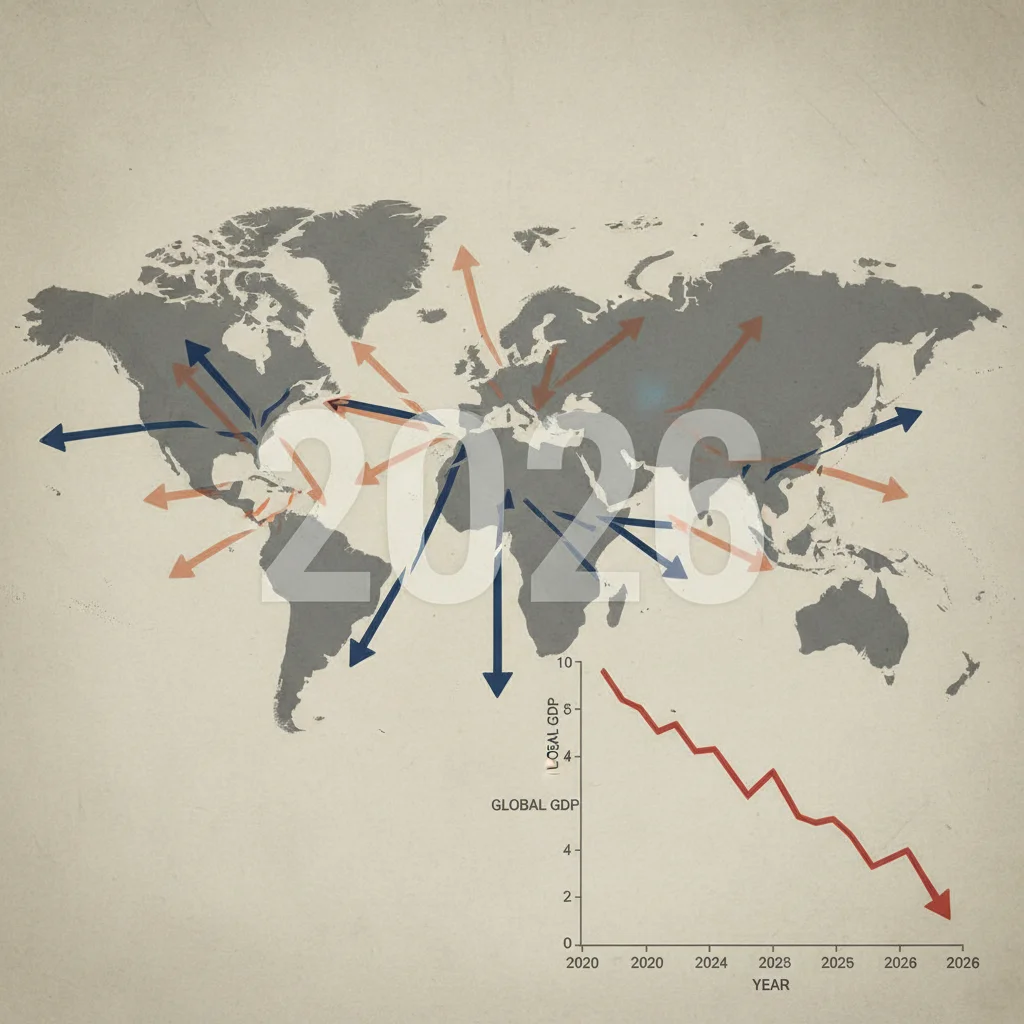
The global economic landscape is constantly shifting, influenced by a myriad of factors ranging from geopolitical tensions and technological advancements to natural disasters and public health crises. As we look towards 2026, a significant economic forecast has emerged that warrants careful consideration from businesses, policymakers, and individuals alike: a projected 0.5% decrease in world GDP. This anticipated global economic slowdown, while seemingly modest, carries profound implications, particularly for nations heavily reliant on international trade, such as the United States.
Understanding the potential ramifications of this global economic slowdown is not merely an academic exercise; it is a critical necessity for strategic planning and risk mitigation. For U.S. exporters, in particular, this forecast signals a period of heightened challenges and, paradoxically, potential opportunities for those who are agile and well-prepared. This comprehensive analysis will delve into the multifaceted aspects of this projected downturn, exploring its causes, its likely effects on various sectors of the U.S. export market, and offering actionable strategies for navigating the turbulent waters ahead.
The interconnectedness of the modern global economy means that a slowdown in one region can quickly cascade across borders, impacting supply chains, consumer demand, and investment flows worldwide. A 0.5% reduction in global GDP translates to trillions of dollars in lost economic activity, a figure that demands attention and proactive responses. For the United States, a nation that prides itself on its robust export sector and its role as a key player in global trade, the stakes are exceptionally high. The ability of American businesses to adapt, innovate, and find new avenues for growth will be paramount in determining their success in this challenging environment.
Understanding the Global Economic Slowdown: Causes and Context
Before we can assess the impact on U.S. exports, it’s crucial to understand the underlying causes contributing to this projected global economic slowdown. Several factors are at play, creating a complex web of economic pressures that are anticipated to culminate in a downturn in 2026. These include:
Persistent Inflationary Pressures
While central banks globally have been aggressive in their efforts to curb inflation through interest rate hikes, the persistence of elevated price levels continues to be a major concern. High inflation erodes purchasing power, leading to reduced consumer spending and investment, which are critical drivers of economic growth. Supply chain disruptions, energy price volatility, and wage-price spirals all contribute to this ongoing challenge, making it difficult for economies to achieve stable and sustainable growth.
Tightening Monetary Policies
In response to inflation, central banks around the world have adopted restrictive monetary policies, increasing interest rates to cool down overheated economies. While necessary to bring inflation under control, these policies also come with the risk of slowing economic activity too much, potentially pushing economies into recession. Higher borrowing costs for businesses and consumers can stifle investment, reduce demand for goods and services, and ultimately dampen global trade.
Geopolitical Instability and Trade Tensions
Ongoing geopolitical conflicts, such as the war in Ukraine, and simmering trade tensions between major economic powers continue to cast a long shadow over the global economy. These factors introduce uncertainty, disrupt supply chains, and can lead to protectionist measures that hinder the free flow of goods and services. Businesses become more hesitant to invest in new markets or expand existing operations when the political and economic environment is unpredictable, further contributing to a global economic slowdown.
Lingering Effects of the Pandemic
Despite significant recovery efforts, the global economy is still grappling with the long-term effects of the COVID-19 pandemic. Labor market shifts, increased national debts, and changes in consumer behavior continue to influence economic output. Furthermore, the pandemic exposed vulnerabilities in global supply chains, leading to a push for reshoring and regionalization, which can alter established trade patterns and potentially reduce overall trade volume.
Slowing Growth in Major Economies
Key economic powerhouses, including China and Europe, are facing their own domestic challenges that are contributing to the global economic slowdown. China’s property market woes, demographic shifts, and a more cautious approach to economic stimulus are impacting its growth trajectory, which has historically been a significant engine for global demand. Europe, grappling with high energy costs, the fallout from the war in Ukraine, and structural economic issues, is also experiencing subdued growth. A slowdown in these major economies inevitably translates to reduced demand for goods and services from other parts of the world, including the U.S.
Impact on U.S. Exports: A Sector-by-Sector Analysis
The projected 0.5% global economic slowdown will not affect all U.S. export sectors equally. Some industries are inherently more sensitive to shifts in global demand and economic stability than others. A detailed sector-by-sector analysis reveals where the challenges and potential opportunities lie.
Manufacturing and Industrial Goods
The manufacturing sector, a cornerstone of U.S. exports, is particularly vulnerable to a global economic slowdown. As global demand slackens, orders for machinery, industrial equipment, and intermediate goods tend to decline. Countries experiencing slower growth will invest less in new infrastructure projects, factory expansions, and technological upgrades, directly impacting U.S. manufacturers. Industries such as aerospace, automotive components, and heavy machinery could see reduced export volumes. Businesses in these sectors will need to focus on cost efficiency, product differentiation, and exploring niche markets that may be less susceptible to the broader downturn.
Technology and Software
While the technology sector has often shown resilience, a significant global economic slowdown could temper demand for certain tech exports. Enterprise software, cloud services, and advanced hardware are highly dependent on corporate investment and consumer spending. If businesses cut budgets and consumers tighten their belts, discretionary tech spending could decrease. However, certain areas within technology, such as cybersecurity, artificial intelligence (AI) solutions that promise efficiency gains, and essential digital infrastructure, might remain robust or even see increased demand as companies seek to optimize operations in a challenging environment. U.S. tech companies with strong intellectual property and innovative solutions will be better positioned to weather the storm.

Furthermore, the shift towards digital transformation, accelerated by recent global events, is a long-term trend that could cushion some of the impact on the technology export sector. Companies that can demonstrate clear ROI and provide essential services will likely maintain their market share.
Agricultural Products
Agricultural exports are generally less cyclical than industrial goods, as food remains a fundamental necessity. However, a global economic slowdown can still impact this sector. Reduced purchasing power in importing nations could lead to a shift towards cheaper food alternatives or a decrease in demand for premium agricultural products. Trade policies, subsidies, and currency fluctuations will also play a significant role. U.S. agricultural exporters might face increased competition and pressure on prices. Diversifying export markets and focusing on high-value, specialized agricultural products could offer some protection.
Services Exports (Financial, Consulting, Education)
The U.S. is a major exporter of services, including financial services, consulting, education, and entertainment. A global economic slowdown can have a mixed impact on these areas. Financial services might see reduced transaction volumes and investment banking activity as global capital flows contract. Consulting services could experience a dip as companies cut discretionary spending, but demand for crisis management, restructuring, and efficiency consulting might increase. Education exports, particularly to countries whose economies are heavily impacted, could face challenges due to reduced affordability for international students. However, the reputation and quality of U.S. services often provide a competitive edge, and digital delivery models can help mitigate some of the geographical barriers.
Energy Products
The energy sector, particularly oil and natural gas, is highly sensitive to global demand. A global economic slowdown typically translates to reduced industrial activity, less travel, and lower overall energy consumption, which can depress prices and reduce export volumes. While geopolitical factors can introduce volatility, the fundamental economic principle suggests that lower demand will lead to lower exports. U.S. energy exporters will need to monitor global supply and demand dynamics closely and potentially adjust production and export strategies.
Strategies for U.S. Exporters to Navigate the Downturn
Facing a projected global economic slowdown requires proactive and strategic responses from U.S. exporters. Here are several key strategies that businesses can employ to mitigate risks and identify new opportunities:
1. Diversify Export Markets
Over-reliance on a few key markets can be risky during a global economic slowdown. Businesses should actively seek to diversify their export portfolio by exploring emerging markets or regions that may be less affected by the downturn. This involves thorough market research to identify economies with resilient growth prospects, favorable trade agreements, and unmet demand for U.S. products or services. Building relationships in new markets takes time, so starting this process early is crucial.
2. Enhance Supply Chain Resilience
Disruptions in global supply chains can exacerbate the effects of an economic slowdown. U.S. exporters should assess their supply chain vulnerabilities and work towards greater resilience. This might involve diversifying suppliers, exploring nearshoring or reshoring options for critical components, increasing inventory buffers for essential goods, and investing in advanced supply chain analytics to anticipate and respond to disruptions more effectively. A robust supply chain can ensure that businesses can continue to meet demand, even when global logistics are strained.
3. Focus on Innovation and Value Proposition
In a competitive and contracting market, differentiation is key. U.S. exporters should double down on innovation, developing new products, services, or features that address evolving customer needs or offer compelling value. Highlighting the unique selling propositions of U.S. goods, including quality, reliability, technological advancement, and adherence to ethical standards, can help maintain market share even when buyers are more price-sensitive. Investing in R&D and continuous improvement will be vital.
4. Optimize Cost Structures and Improve Efficiency
When margins are under pressure due to reduced demand and potentially increased competition, cost optimization becomes paramount. Businesses should undertake a thorough review of their operational costs, identifying areas where efficiencies can be gained without compromising quality. This could involve process automation, lean manufacturing principles, renegotiating supplier contracts, and optimizing logistics. Every dollar saved can contribute to maintaining profitability during a global economic slowdown.
5. Leverage Digital Transformation
The digital realm offers powerful tools for navigating an economic downturn. U.S. exporters can leverage e-commerce platforms to reach new international customers, utilize digital marketing to target specific demographics, and employ data analytics to gain deeper insights into market trends and customer behavior. Digital tools can also streamline internal operations, improve communication with international partners, and reduce the costs associated with traditional trade methods. Embracing digital transformation is not just about efficiency; it’s about expanding reach and adaptability.
6. Seek Government Support and Trade Programs
The U.S. government offers various programs and resources to support exporters, especially during challenging economic times. Businesses should explore assistance from agencies like the U.S. Export-Import Bank (EXIM), the Small Business Administration (SBA), and the Department of Commerce. These programs can provide export credit insurance, loan guarantees, market intelligence, and trade promotion services that can be invaluable for mitigating risks and identifying new opportunities. Staying informed about trade agreements and policy changes is also crucial.
7. Build Strong International Relationships
In times of economic uncertainty, strong relationships with international partners, distributors, and customers become even more critical. Investing in these relationships through transparent communication, reliable service, and a commitment to long-term collaboration can foster loyalty and resilience. These relationships can also provide valuable market intelligence and early warnings of emerging challenges or opportunities.

8. Monitor Economic Indicators Closely
The global economic landscape is dynamic. U.S. exporters must continuously monitor key economic indicators, such as GDP growth rates, inflation data, interest rate movements, and currency exchange rates in their target markets. Staying abreast of geopolitical developments and trade policy changes is also essential. This continuous monitoring allows businesses to react swiftly to changing conditions, adjust their strategies, and seize emerging opportunities.
The Role of Policy and International Cooperation
While individual businesses play a critical role in navigating a global economic slowdown, national and international policies are equally important in shaping the overall environment. Governments can implement measures to support exports, such as:
- Trade Facilitation: Reducing bureaucratic hurdles and streamlining customs procedures can lower the cost and time associated with international trade, making U.S. exports more competitive.
- Export Promotion: Funding for trade missions, market research, and export financing programs can directly assist businesses in reaching new foreign buyers.
- Bilateral and Multilateral Agreements: Pursuing and strengthening trade agreements can open new markets, reduce tariffs, and establish clearer rules for international commerce.
- Economic Stimulus: Coordinated global economic stimulus efforts, where appropriate, can help boost overall demand and mitigate the severity of the downturn.
- Currency Management: Policies aimed at stabilizing currency exchange rates can reduce volatility for exporters and importers.
International cooperation is paramount. A fragmented global response to a shared economic challenge can exacerbate its effects. Dialogue and collaboration among major economic powers on issues such as trade, monetary policy, and financial stability will be crucial in fostering a more predictable and supportive environment for global commerce.
Long-Term Outlook and Adaptability
While the projected 0.5% global economic slowdown in 2026 presents immediate challenges, it also serves as a catalyst for long-term strategic adjustments. Businesses that successfully navigate this period will likely emerge stronger and more resilient. The experience gained in adapting to reduced demand, diversifying markets, and optimizing operations will be invaluable for future economic cycles.
Furthermore, periods of economic contraction often spur innovation. Companies are forced to think creatively, find efficiencies, and develop solutions that were previously deemed unnecessary. This drive for innovation can lead to the creation of new products, services, and business models that will drive growth in the subsequent recovery phase.
The U.S. export sector, with its inherent dynamism and innovative spirit, is well-positioned to adapt. However, this adaptability requires foresight, strategic planning, and a willingness to embrace change. The businesses that invest in understanding global trends, building robust internal capabilities, and fostering strong international partnerships will be those that not only survive but thrive in the face of a global economic slowdown.
Conclusion: Preparing for a Resilient Future
The projected 0.5% decrease in world GDP in 2026 is a significant forecast that signals a period of global economic slowdown. For U.S. exports, this means anticipating reduced demand in key markets, increased competitive pressures, and the need for greater operational efficiency. However, this outlook is not one of insurmountable gloom. Instead, it is a call to action for U.S. businesses to review their strategies, strengthen their foundations, and proactively seek out new pathways to growth.
By focusing on market diversification, supply chain resilience, innovation, cost optimization, and leveraging digital tools, U.S. exporters can build the agility and robustness required to navigate these challenging times. Government support and international cooperation will also play a crucial role in creating a more stable and predictable environment for trade. The global economic slowdown of 2026 will undoubtedly test the resilience of the U.S. export sector, but with strategic planning and adaptive execution, American businesses can not only mitigate the risks but also emerge stronger and more competitive on the global stage.
The future of U.S. exports in a globally contracting economy hinges on a collective effort: businesses adopting proactive strategies, policymakers implementing supportive measures, and international bodies fostering cooperation. By embracing these principles, the U.S. can continue to be a leading force in global trade, even amidst the headwinds of a significant global economic slowdown.