Ending Food Insecurity: Practical Solutions for U.S. Communities
Food insecurity remains a pervasive challenge across the United States, affecting millions of individuals and families. It’s not merely about the absence of food; it’s about the lack of consistent access to enough food for an active, healthy life. The ramifications extend far beyond immediate hunger, impacting health, education, economic stability, and overall well-being. Addressing this complex issue requires a multi-faceted approach, one that is deeply rooted in local understanding and community-driven action. Our ambitious yet achievable goal is to reduce hunger in U.S. communities by 10% by December 2026. This article will explore practical, sustainable community food solutions that can help us reach this target, fostering resilient food systems and ensuring equitable access to nutritious food for all.
Understanding the Landscape of Food Insecurity in the U.S.
Before diving into solutions, it’s crucial to grasp the scope and nature of food insecurity. According to the USDA, millions of American households experience food insecurity annually. This isn’t a monolithic problem; it manifests differently across various demographics and geographic locations. Rural areas often face challenges related to access to grocery stores (food deserts), while urban areas might contend with affordability issues and a lack of fresh produce options. Vulnerable populations, including children, the elderly, low-income families, and racial and ethnic minorities, are disproportionately affected.
The root causes are multifaceted: poverty, unemployment, underemployment, high housing costs, lack of affordable transportation, and health disparities all contribute. The COVID-19 pandemic further exacerbated these issues, highlighting the fragility of existing food systems and the urgent need for robust, community-centric interventions. Recognizing these underlying factors is the first step toward developing effective community food solutions that address not just the symptoms but the systemic causes of hunger.
The 10% Reduction Goal: A Vision for December 2026
Setting a tangible goal, such as reducing hunger by 10% by December 2026, provides a clear benchmark for progress and galvanizes collective action. This isn’t just a number; it represents millions of individuals gaining consistent access to nutritious food, leading to improved health outcomes, better educational attainment, and enhanced economic stability. Achieving this goal requires a strategic combination of immediate relief efforts and long-term systemic changes. It demands collaboration between local governments, non-profit organizations, businesses, educational institutions, and, most importantly, the communities themselves. Every community food solution we discuss is designed to contribute to this ambitious but attainable objective.
Pillar 1: Strengthening Local Food Systems
A resilient local food system is fundamental to combating food insecurity. It reduces reliance on distant, often fragile supply chains and empowers communities to produce, process, and distribute their own food. This pillar focuses on initiatives that build self-sufficiency and enhance food sovereignty.
Community Gardens and Urban Farms
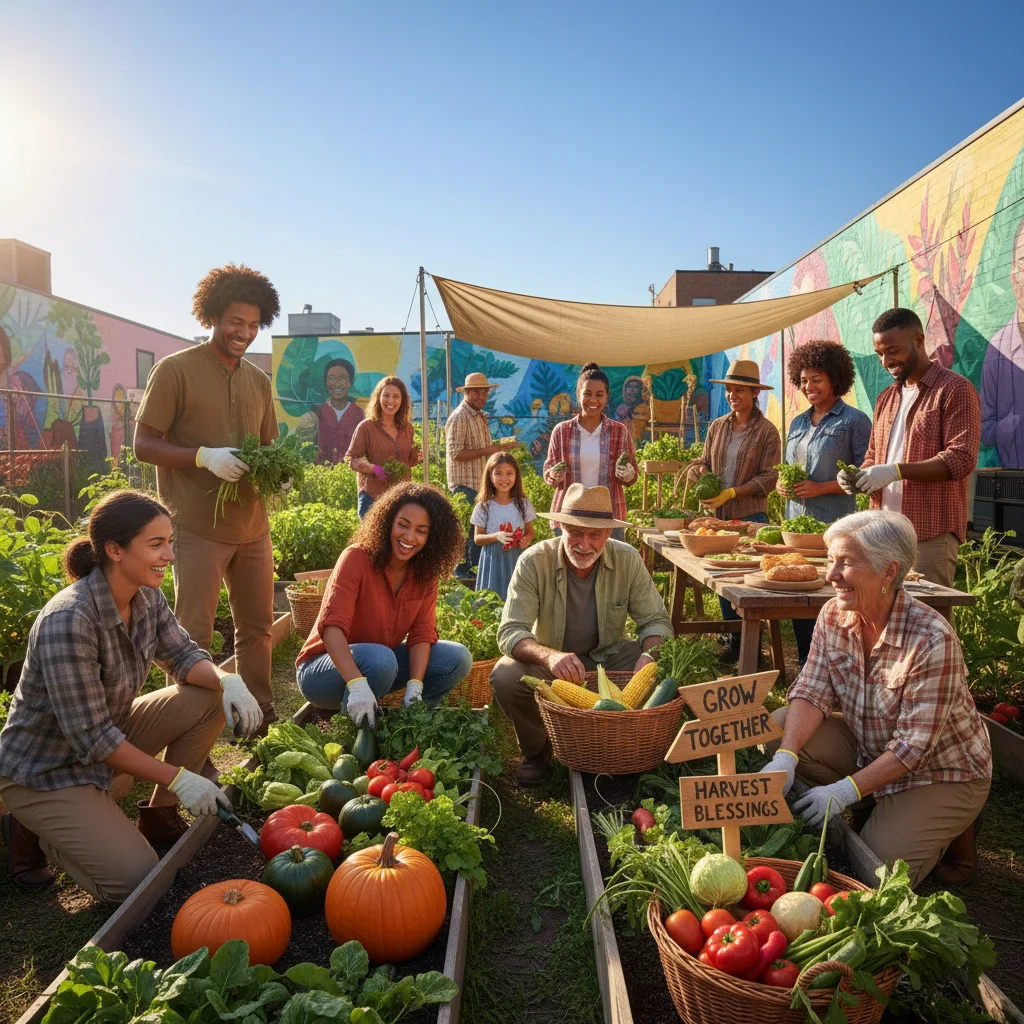
Community gardens and urban farms are powerful tools for increasing food access, especially in food deserts. They provide fresh, healthy produce directly to residents, often at low or no cost, while simultaneously fostering community engagement, teaching valuable agricultural skills, and transforming underutilized spaces into vibrant green areas. These initiatives promote self-reliance and offer direct community food solutions.
- Implementation: Identify vacant lots, partner with local governments or landowners, recruit volunteers, and provide educational workshops on gardening techniques.
- Impact: Direct access to fresh produce, improved nutrition, skill-building, community cohesion, and reduced food waste.
Farmers’ Markets and Farm-to-Table Programs
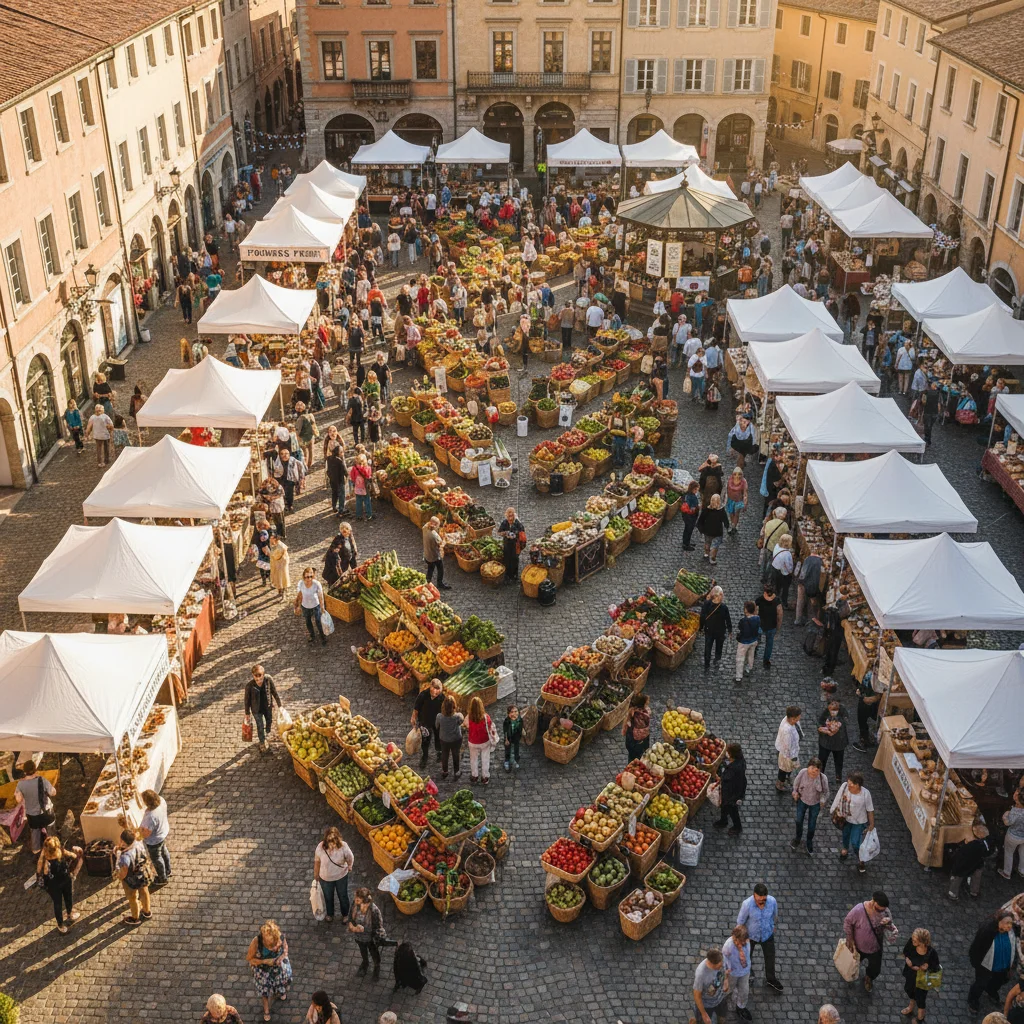
Supporting local farmers through farmers’ markets and farm-to-table initiatives not only boosts local economies but also provides residents with access to fresh, seasonal produce. Integrating SNAP/EBT benefits at farmers’ markets can significantly increase accessibility for low-income families. Farm-to-school programs, for instance, connect local farms with school cafeterias, ensuring children receive nutritious meals while supporting local agriculture.
- Implementation: Establish new markets, expand existing ones, implement incentive programs for SNAP users (e.g., matching funds), and forge partnerships between farms and institutions.
- Impact: Economic support for local farmers, increased access to fresh food, improved dietary health, and educational opportunities about food origins.
Pillar 2: Enhancing Food Distribution and Access
Even with abundant food, distribution challenges can create barriers to access. This pillar addresses logistical hurdles and ensures that food reaches those who need it most, efficiently and respectfully.
Food Banks and Pantries: Modernizing and Expanding
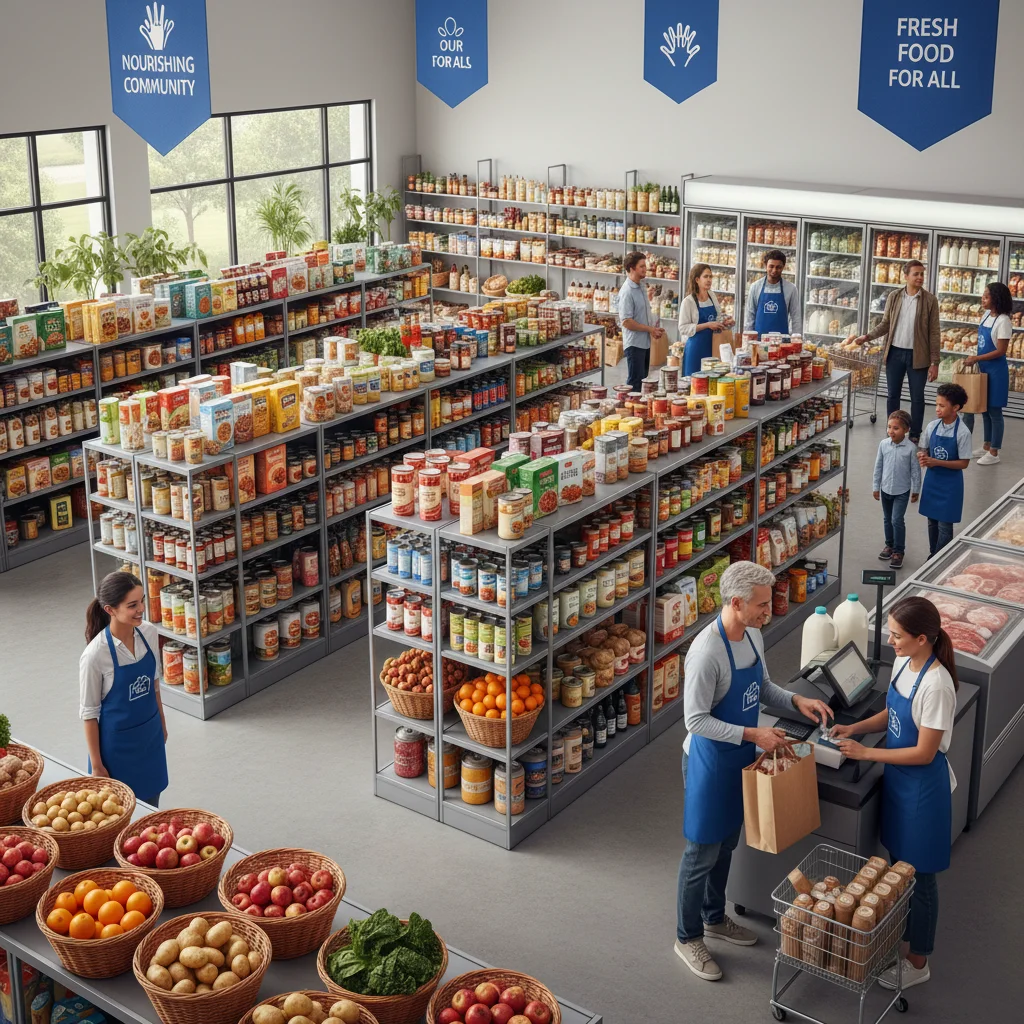
Food banks and pantries are critical safety nets, but their operations can often be optimized. Modernization involves adopting client-choice models, which allow individuals to select their own food, promoting dignity and reducing waste. Expanding their reach through mobile pantries can serve rural areas or communities with limited transportation. Focusing on culturally appropriate and nutritious food options is also key.
- Implementation: Invest in infrastructure for cold storage and transportation, train volunteers in client-choice models, partner with local healthcare providers for nutrition education.
- Impact: Immediate hunger relief, improved nutritional intake, reduced stigma associated with food assistance, and more efficient resource allocation. These are vital community food solutions.
Food Recovery Programs
A significant amount of edible food goes to waste at various stages of the supply chain, from farms to grocery stores and restaurants. Food recovery programs rescue this surplus food and redirect it to those in need. This not only addresses hunger but also tackles environmental issues related to landfill waste.
- Implementation: Establish partnerships with grocery stores, restaurants, catering companies, and farms; develop efficient collection and distribution networks; utilize technology for tracking and logistics.
- Impact: Reduces food waste, provides nutritious food to hungry individuals, lowers environmental footprint, and creates valuable volunteer opportunities.
Pillar 3: Policy Advocacy and Systemic Change
While local initiatives are powerful, sustainable change often requires supportive policies at local, state, and federal levels. This pillar focuses on advocating for policies that create a more equitable and food-secure society.
Strengthening Federal Nutrition Programs
Programs like SNAP (Supplemental Nutrition Assistance Program), WIC (Special Supplemental Nutrition Program for Women, Infants, and Children), and school meal programs are cornerstones of food security. Advocacy efforts should focus on protecting and expanding these programs, ensuring adequate benefit levels, and reducing barriers to enrollment. Simplifying application processes and increasing outreach can significantly enhance their impact.
- Implementation: Lobby elected officials, educate the public on the importance of these programs, support organizations working on policy reform.
- Impact: Direct financial assistance for food, improved health outcomes for vulnerable populations, reduced poverty, and a stronger social safety net.
Local Zoning and Land Use Policies
Local policies can either hinder or support community food solutions. Zoning regulations, for example, can impact the establishment of community gardens, urban farms, or the placement of grocery stores in underserved areas. Advocating for policies that encourage healthy food access, such as incentives for grocery stores to open in food deserts or streamlined permitting for community gardens, can make a significant difference.
- Implementation: Engage with local planning commissions, city councils, and community development offices; propose policy changes; organize community support for favorable policies.
- Impact: Creates an enabling environment for food access initiatives, addresses structural inequalities in food distribution, and promotes equitable community development.
Pillar 4: Education and Empowerment
Empowering individuals with knowledge and skills is a crucial, often overlooked, aspect of combating food insecurity. This pillar focuses on educational initiatives that promote healthy eating, culinary skills, and understanding of food systems.
Nutrition Education and Cooking Classes
Providing access to food is only part of the solution; people also need the knowledge and skills to prepare nutritious meals. Community-based nutrition education programs and cooking classes can teach individuals how to make healthy choices on a budget, utilize fresh ingredients, and minimize food waste. These programs are essential community food solutions.
- Implementation: Partner with local schools, community centers, and healthcare providers; develop culturally relevant curricula; offer classes in multiple languages.
- Impact: Improved dietary habits, reduced diet-related diseases, increased confidence in food preparation, and more efficient use of food resources.
Financial Literacy and Economic Opportunity
Addressing the root causes of food insecurity often means tackling economic hardship. Programs that offer financial literacy training, job skill development, and pathways to stable employment can significantly improve a household’s ability to afford nutritious food. This holistic approach recognizes that food security is intertwined with economic security.
- Implementation: Collaborate with workforce development agencies, local businesses, and financial institutions; offer workshops on budgeting, saving, and career development.
- Impact: Increased household income, greater financial stability, reduced reliance on food assistance programs, and enhanced overall quality of life.
Pillar 5: Technology and Innovation in Food Security
Leveraging technology can streamline processes, improve access, and offer innovative solutions to persistent food insecurity challenges. This pillar explores how digital tools and creative approaches can amplify our efforts.
Food Access Apps and Platforms
Mobile applications and online platforms can connect individuals with nearby food resources, such as food pantries, meal programs, and farmers’ markets accepting SNAP benefits. These tools can also facilitate food recovery efforts by connecting donors with recipients more efficiently.
- Implementation: Develop user-friendly apps, ensure data accuracy and regular updates, promote awareness of these tools within communities.
- Impact: Improved efficiency in finding and accessing food resources, reduced food waste, and enhanced community connectivity.
Data-Driven Approaches and Mapping
Utilizing data to map food deserts, identify areas of high food insecurity, and track the impact of interventions allows for more targeted and effective resource allocation. Geographic Information Systems (GIS) can visualize these disparities and help communities make informed decisions about where to focus their efforts.
- Implementation: Partner with universities or data analytics firms, train community leaders in data interpretation, integrate data into policy discussions.
- Impact: More efficient allocation of resources, better understanding of community needs, evidence-based policy making, and measurable progress towards the 10% reduction goal.
Measuring Success: Tracking Our 10% Reduction Goal
Achieving a 10% reduction in hunger by December 2026 requires continuous monitoring and evaluation. Key performance indicators (KPIs) must be established and regularly tracked to assess the effectiveness of implemented community food solutions. These KPIs could include:
- Household Food Insecurity Rates: Measured through surveys like the USDA’s Food Security Supplement.
- Participation Rates in Federal Nutrition Programs: Tracking enrollment and utilization of SNAP, WIC, and school meal programs.
- Number of Meals/Pounds of Food Distributed: Quantifying the output of food banks, pantries, and recovery programs.
- Access to Healthy Food Outlets: Monitoring the increase in grocery stores, farmers’ markets, and community gardens in underserved areas.
- Health Outcomes: Observing changes in diet-related health indicators within targeted communities.
Regular reporting and transparency will be vital to keep stakeholders informed and accountable. Community feedback mechanisms, such as surveys and town halls, will ensure that solutions remain relevant and responsive to the evolving needs of residents.
Case Studies: Inspiring Community Food Solutions in Action
Across the U.S., numerous communities are already implementing innovative strategies to combat food insecurity. Learning from their successes and challenges can provide valuable insights for others.
- The Food Trust (Philadelphia, PA): This organization has been instrumental in bringing fresh food options to underserved communities through farmers’ markets, healthy corner store initiatives, and policy advocacy. Their work demonstrates how a multi-pronged approach can transform urban food landscapes.
- Food Bank of Central New York’s ‘Farm to Table’ Program: This initiative partners with local farmers to purchase fresh produce, which is then distributed to partner agencies, ensuring both farmers and food-insecure individuals benefit. It’s a prime example of strengthening local food systems while providing nutritious options.
- Denver’s Sustainable Food Program: Denver has invested in urban agriculture, food recovery, and policy development to create a more resilient and equitable food system. Their efforts include supporting community gardens, composting programs, and advocating for food access policies.
These examples highlight the diversity and effectiveness of community food solutions when tailored to local contexts and driven by collaborative spirit.
The Role of Collaboration: A Unified Front Against Hunger
No single entity can solve food insecurity alone. True progress requires robust collaboration across all sectors. Local governments can provide policy support and funding; non-profit organizations can deliver direct services and mobilize volunteers; businesses can contribute resources, expertise, and logistical support; educational institutions can offer research, data, and nutrition education; and community members themselves are essential as both beneficiaries and active participants in shaping solutions.
Building strong partnerships involves:
- Shared Vision: All partners must align on the goal of reducing hunger and improving food security.
- Clear Communication: Regular and transparent communication ensures everyone is informed and coordinated.
- Defined Roles and Responsibilities: Clearly outlining what each partner brings to the table prevents duplication of effort and maximizes impact.
- Resource Sharing: Pooling financial, human, and material resources amplifies collective capacity.
By fostering a collaborative ecosystem, communities can create a unified front against hunger, driving sustainable change and ensuring that every effort contributes to the overarching goal of a 10% reduction in food insecurity by December 2026.
Conclusion: A Path Towards a Food-Secure Future
Addressing food insecurity in the U.S. is a monumental task, but with practical, community-driven solutions, it is an achievable one. By focusing on strengthening local food systems, enhancing food distribution and access, advocating for supportive policies, empowering individuals through education, and leveraging technology, we can make significant strides towards our goal of reducing hunger by 10% by December 2026. Every community has the power to implement these community food solutions, tailored to their unique needs and resources. It requires dedication, collaboration, and a shared commitment to ensuring that every American has consistent access to the nutritious food they need to thrive. Let us work together to build a future where food security is a reality for all.